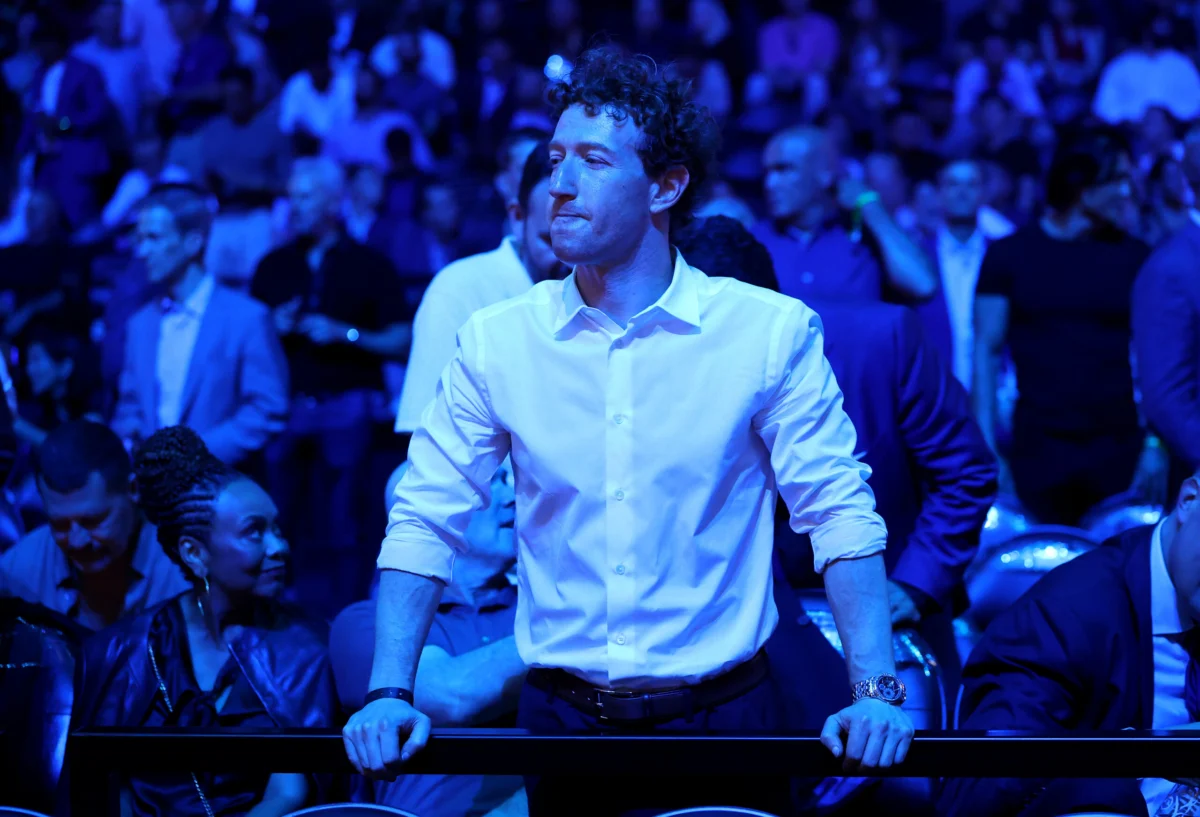
The intersection of artificial intelligence and intellectual property has reached a new flashpoint as Meta Platforms Inc. faces intense scrutiny from Hollywood’s most powerful talent representatives over its newly unveiled generative AI tools. Led by CEO Mark Zuckerberg, Meta recently introduced Muse Photo and Muse Video, the flagship products of its Superintelligence Labs, designed to compete with industry leaders like Google’s Gemini and the specialized video models produced by startups like Seedance. However, the technological achievement has been overshadowed by a controversial data usage policy: Meta has designated all public Instagram profiles as "opt-out" rather than "opt-in" for AI training and content generation. This policy allows third-party users to utilize the likenesses and creative outputs of millions of accounts to generate new AI media unless the account holder manually navigates complex settings to revoke permission.
The move has prompted a swift and stern rebuke from Creative Artists Agency (CAA), which represents many of the world’s most recognizable celebrities, athletes, and creators. In a detailed statement released Wednesday evening, CAA called for an immediate reversal of Meta’s policy, arguing that the current framework fundamentally undermines the rights of creators and sets a dangerous precedent for the digital age. The agency’s intervention highlights a growing rift between Silicon Valley’s "move fast and break things" ethos and the entertainment industry’s need to protect the Name, Image, and Likeness (NIL) rights that form the bedrock of a professional performer’s livelihood.
The Launch of Muse and the Opt-Out Controversy
Meta’s Muse Photo and Muse Video represent the company’s most significant step forward in the generative media space. These tools leverage vast datasets to allow users to create high-fidelity images and cinematic video clips from simple text prompts. While Meta positions these tools as a boon for creativity and social expression, the underlying data architecture has raised alarms. Unlike previous AI models that primarily scraped the open web, Muse is deeply integrated into the Meta ecosystem, specifically Instagram.
By setting the default status of public profiles to "opt-out," Meta essentially grants its AI models—and the users of those models—access to a massive library of human likenesses and artistic styles. For high-profile figures whose careers depend on the exclusivity and control of their image, this policy creates an environment where unauthorized digital replicas can be generated with ease. Critics argue that placing the burden of protection on the individual rather than the platform is a strategic choice by Meta to maximize its training data at the expense of user autonomy.
CAA’s statement was unequivocal in its disapproval. "No one’s name, image, likeness, voice, or creative work should be used by any third party, including AI models, without clear, documented consent," the agency stated. "True innovation puts creators first: respecting their rights, protecting their livelihoods, and giving them real control, not handing it over to platforms." The agency confirmed it has initiated direct discussions with Meta leadership to demand that protection be the "default, not the exception."
A Pattern of Friction: Lessons from the Sora Launch
The current tension between Meta and CAA is not an isolated incident; it follows a pattern of conflict between generative AI developers and the talent industry. Earlier this year, OpenAI faced a similar backlash following the demonstration of its video generation model, Sora. During its initial rollout, Sora was criticized for producing content that bore striking resemblances to protected intellectual property and well-known public figures.
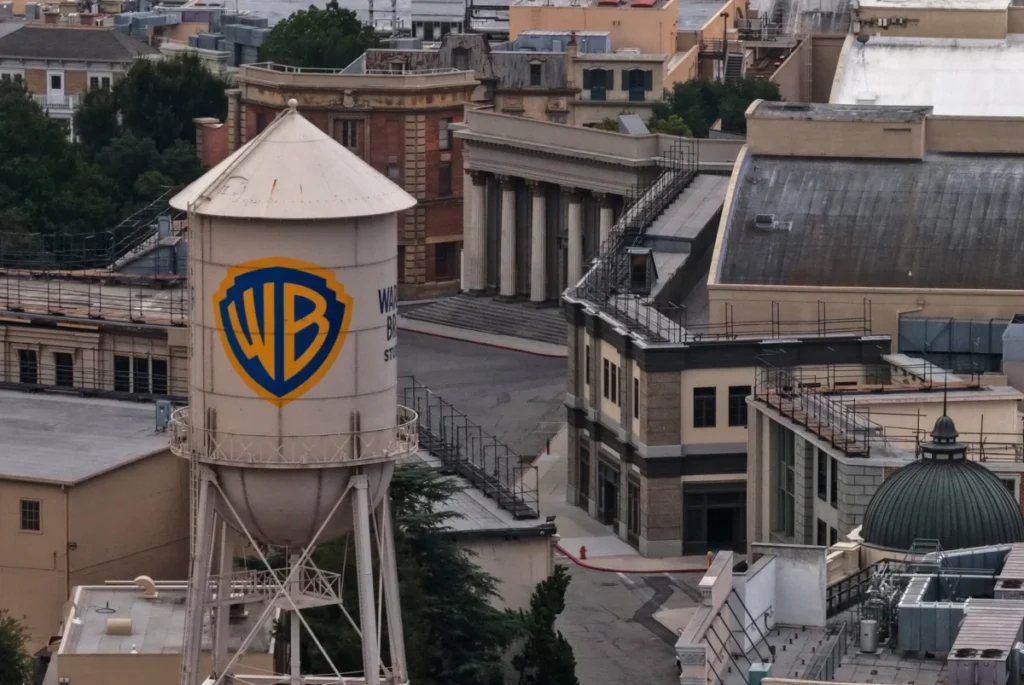
The response to Sora was led by William Morris Endeavor (WME), another "Big Three" talent agency. Chris Jacquemin, WME’s head of digital strategy, issued a memo stating that the agency would opt out all of its clients from Sora’s training and generation capabilities en masse. "Our position is that artists should have a choice in how they show up in the world and how their likeness is used," Jacquemin wrote. This industry-wide resistance eventually forced OpenAI to pivot its strategy, moving toward a more restrictive model before the company ultimately paused the public rollout of Sora’s video capabilities entirely.
The Muse situation is seen by many industry analysts as Meta attempting to bypass the hurdles that tripped up OpenAI by embedding the AI tools directly into a platform where users have already signed broad Terms of Service agreements. However, CAA and other stakeholders argue that standard social media terms should not extend to the creation of generative AI clones.
The Regulatory and Legal Landscape
The conflict over Muse comes at a time of heightened legislative activity regarding AI and digital rights. In the United States, the "NO FAKES Act" (Nurture Originals, Foster Art, and Keep Entertainment Safe Act) has gained bipartisan support in Congress. The bill aims to protect individuals from unauthorized AI-generated replicas of their likeness and voice. Similarly, Tennessee recently passed the "ELVIS Act" (Ensuring Likeness Voice and Image Security), which specifically targets AI deepfakes and unauthorized vocal clones.
From a legal perspective, the "opt-out" model utilized by Meta may face challenges under existing right-of-publicity laws. While Meta’s terms of service are notoriously broad, legal experts suggest that the transformative use of a person’s likeness in generative AI might exceed the scope of what users reasonably expect when they sign up for a photo-sharing app.
The entertainment industry is particularly sensitive to these developments following the 2023 SAG-AFTRA and WGA strikes, where AI protections were a central negotiating point. The resulting contracts established that studios must obtain "clear and conspicuous" consent and provide compensation for the creation and use of digital replicas of performers. Meta’s current policy for Muse appears to run counter to the spirit of these hard-won labor protections.
Technical Safeguards and the Role of the CAA Vault
In response to the perceived threats of generative AI, talent agencies have begun building their own technological defenses. CAA maintains the "CAA Vault," a secure digital repository where the high-resolution digital likenesses, voice samples, and performance data of its clients are stored. The Vault is intended to serve as a "gold standard" source for authorized AI projects, ensuring that if a client’s digital twin is used in a film or advertisement, it is done so with their consent and for a negotiated fee.
Furthermore, CAA was the inaugural partner for YouTube’s deepfake detection tool, which was designed to identify and flag unauthorized AI-generated content using a client’s likeness. These initiatives demonstrate that the talent industry is not "anti-AI," but rather "pro-consent." The goal is to move toward a "licensed AI" economy where creators are compensated for the data they provide to train models.
Meta’s Muse, by contrast, operates on a "scrape-first, ask-questions-later" philosophy that threatens to bypass these nascent licensing structures. If a third party can generate a celebrity-like image on Instagram using Muse without interacting with the celebrity’s representatives, the economic value of the celebrity’s NIL rights is significantly diluted.
Broader Implications for the Creator Economy
While the headlines focus on A-list celebrities, the implications of Meta’s Muse policy extend to the broader creator economy. Millions of influencers, photographers, and digital artists use Instagram as their primary portfolio. Under the current opt-out model, their unique aesthetic styles and personal brands could be ingested by Meta’s AI to allow other users to generate competing content.
This "style-theft" is a primary concern for the artistic community. If an illustrator’s public profile is used to train Muse Video, a user could theoretically prompt the AI to "create a video in the style of [Artist Name]," effectively automating the artist out of their own market. By making the process opt-out, Meta places a high administrative burden on smaller creators who may not have the legal resources of a major agency like CAA to monitor and protect their rights.
Industry analysts suggest that Meta’s aggressive stance is driven by the "data moat" competition. As high-quality human-generated data becomes increasingly scarce—due to websites blocking AI crawlers—proprietary ecosystems like Instagram and Facebook represent a goldmine of training material. Meta’s decision to prioritize data volume over user consent may be a tactical move to ensure Muse remains competitive with models from Google and OpenAI, which have access to YouTube and the open web, respectively.
Conclusion and Future Outlook
The standoff between CAA and Meta is a defining moment for the future of digital identity. As generative AI becomes more sophisticated, the distinction between a "user" and a "data source" is blurring. CAA’s demand for an opt-in model is not merely a request for a policy change; it is a call for a fundamental shift in how tech giants value the human input that powers their algorithms.
Meta has yet to issue a formal response to CAA’s statement, but the pressure is mounting. As more agencies and advocacy groups join the call for "protection by default," Meta may find itself forced to follow in the footsteps of OpenAI and revise its rollout strategy. The outcome of this dispute will likely influence future legislation and set the standard for how likeness rights are handled across all social media platforms in the age of superintelligence.
For now, the message from Hollywood is clear: the future of creativity cannot be built on the unauthorized exploitation of the creators themselves. Whether Meta will listen, or continue to push the boundaries of digital ownership, remains the most critical question facing the tech and entertainment industries today.