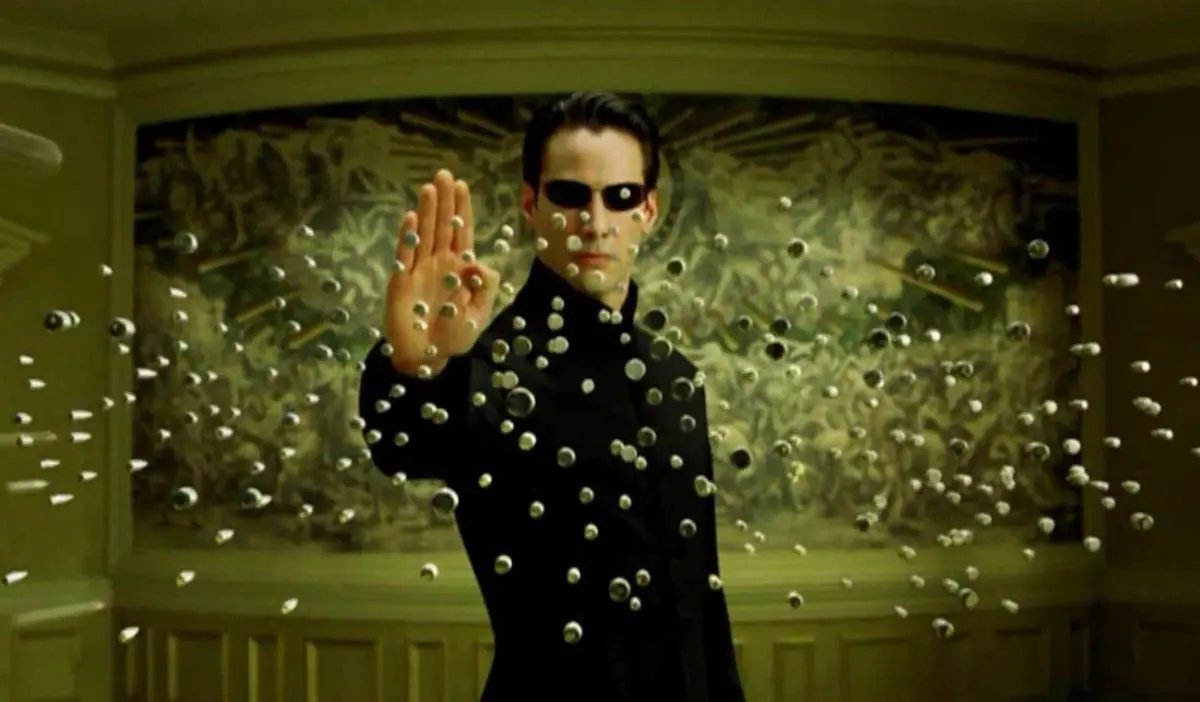
Filmmakers Lana and Lilly Wachowski have initiated formal legal proceedings to reclaim the intellectual property rights to their groundbreaking science-fiction franchise, The Matrix. According to industry reports from Puck, the sibling creative duo has officially notified Warner Bros. that they are exercising their copyright termination rights under United States copyright law. The formal notice is designed to trigger a complete reversion of the lucrative franchise back to the creators by February 2029, marking exactly 30 years since the theatrical debut of the original 1999 masterwork.
This high-stakes legal maneuver arrives during a period of significant corporate transition for the Hollywood studio. Skydance Media, spearheaded by media mogul David Ellison, recently completed its acquisition of Warner Bros., placing new leadership at the helm of the legacy studio’s vast library of intellectual property. As studio executives navigate post-merger strategies and future slate developments, the looming expiration of the Wachowskis’ copyright assignment introduces a complex variable into the long-term planning for one of cinema’s most enduring and profitable sci-fi universes.
The Chronology of a Cyberpunk Milestone
To understand the weight of the Wachowskis’ current legal filing, it is necessary to examine the historical timeline of the franchise. The journey began on March 29, 1999, when Warner Bros. released The Matrix, a visionary cyber-action film written and directed by Lana and Lilly Wachowski. Blending philosophy, groundbreaking visual effects, and martial arts choreography, the film became a monumental cultural and financial phenomenon, grossing over $465 million worldwide against a modest production budget of approximately $63 million.
Following the unprecedented success of the first film, the Wachowskis expanded the universe into a multimedia empire. In 2003, the studio released two back-to-back sequels, The Matrix Reloaded and The Matrix Revolutions, which collectively pulled in over $1.1 billion at the global box office. Despite mixed critical reception at the time of their release, the sequels cemented the franchise as a cornerstone of early 2000s pop culture.
Nearly two decades later, Lana Wachowski returned to the director’s chair for a fourth installment, The Matrix Resurrections, which premiered simultaneously in theaters and on HBO Max in December 2021. While the film grossed a modest $159 million globally amid pandemic-era distribution models, it reignited critical discussions regarding the franchise’s enduring philosophical relevance. Reviewing the film for Reactor, critic Emmet Asher-Perrin noted that unlike many modern reboots, The Matrix Resurrections successfully demonstrated that the universe "still has so much more to say," operating as both a self-contained narrative and a profound expansion of the original trilogy’s themes.
Legal Mechanics of Copyright Termination
The legal foundation for the Wachowskis’ recent notification rests upon Section 203 of the United States Copyright Act. This statutory provision was designed by lawmakers to protect authors and creators who may have originally signed away their copyrights under unfavorable terms before the true commercial value of their work could be established. Under U.S. law, creators retain a window of time—typically beginning 35 years after a work’s publication, or 30 years for older grants—to terminate transfers of copyright and revert ownership back to themselves or their heirs.
Because The Matrix was released in 1999, the relevant termination window allows the creators to serve notice in advance of the 30-year mark, ensuring that the rights revert to them by early 2029. This mechanism has become an increasingly common tool in the entertainment industry as aging intellectual properties appreciate significantly in value. Prominent creators across literature, music, and film have utilized copyright termination provisions to renegotiate terms, reclaim control, or partner with rival studios on future iterations of their creations.
For Warner Bros., the potential loss of The Matrix IP represents a significant structural challenge. Major studios rely heavily on legacy franchises to anchor streaming services, merchandise lines, and theatrical release slates. If the reversion proceeds as outlined in the notification, Warner Bros. will lose its exclusive right to develop new motion pictures, television series, or derivative works within the Matrix universe without direct authorization and licensing agreements from the Wachowski sisters.
Studio Strategy and Future Franchise Development
Despite the impending copyright termination deadline, the status of the franchise remains active within the studio system. In April 2024, Warner Bros. officially announced that a fifth installment of The Matrix is currently in development. Notably, this upcoming project marks a historic first for the franchise: it is the first film in the series that will not be written or directed by Lana or Lilly Wachowski.
Instead, the studio tapped writer-director Drew Goddard, acclaimed for his work on The Martian (adapting Andy Weir’s Project Hail Mary), Cabin in the Woods, and Bad Times at the El Royale. At the time of the announcement, a high-ranking Warner Bros. motion picture executive praised Goddard’s pitch, describing it as a fresh concept that honors the foundation laid by the Wachowskis over 25 years ago while introducing a unique narrative perspective born from Goddard’s personal admiration for the characters and world.
Interestingly, industry reports from Puck indicate that the Wachowski sisters have maintained a surprisingly amicable and supportive posture regarding Goddard’s upcoming sequel. Sources suggest the sibling filmmakers have actually increased their level of involvement and encouragement concerning the project in recent months. Whether this cooperative dynamic will persist as the February 2029 reversion date draws closer remains to be seen. Industry analysts note that the remaining two-year window before the copyright termination takes effect provides a narrow operating timeline for Warner Bros. to complete, market, and release Goddard’s film under clear ownership parameters.
Broader Implications for Hollywood Intellectual Property
The Wachowskis’ reclamation effort highlights a broader, growing trend within the entertainment industry regarding creator rights and corporate IP stewardship. As media conglomerates consolidate through multibillion-dollar mergers—such as Skydance Media’s recent acquisition of Warner Bros.—the tension between corporate asset management and original creators intensifies.
Historically, Hollywood studios have maintained perpetual control over foundational cinematic properties, treating franchises as permanent corporate assets. However, the aggressive utilization of statutory copyright termination rights by high-profile creators signals a shift in power dynamics. Authors, directors, and screenwriters are increasingly leveraging copyright laws to reassert control over their artistic creations, forcing major studios to negotiate from a position of temporary stewardship rather than absolute ownership.
Furthermore, the situation surrounding The Matrix underscores the delicate balance required when legacy studios attempt to expand universes originally defined by singular artistic voices. While corporate entities look to franchise longevity and recurring revenue streams, creators like Lana and Lilly Wachowski hold the ultimate legal leverage to halt, redirect, or renegotiate how their universes evolve in the modern media landscape.
As the 2029 deadline approaches, all eyes will remain on the executive suites at Warner Bros. and Skydance, as well as the legal teams representing the Wachowski sisters. Whether the studio manages to secure a long-term licensing agreement with the creators, or whether The Matrix ultimately returns fully to the hands of the filmmakers who envisioned it, the outcome will likely serve as a watershed precedent for creator rights in contemporary Hollywood.