The groundbreaking analog horror series Local 58, created by visionary web-series pioneer Kris Straub, has officially secured a comprehensive distribution deal with the horror-centric streaming platform Shudder. Following a successful experimental rollout that began in late October, the entirety of the series, including the highly anticipated third season, will be available for on-demand streaming starting December 1. This move marks a significant milestone for the analog horror genre, signaling its transition from a grassroots internet phenomenon to a professionally curated streaming staple.
The Origins of Local 58 and the Analog Horror Movement
To understand the cultural significance of Local 58, one must first examine the emergence of the "analog horror" genre. Popularized on platforms like YouTube in the mid-2010s, analog horror utilizes the aesthetic of low-fidelity, pre-digital media—specifically VHS tapes, public access television, and CRT monitor artifacts—to instill a sense of uncanny dread.
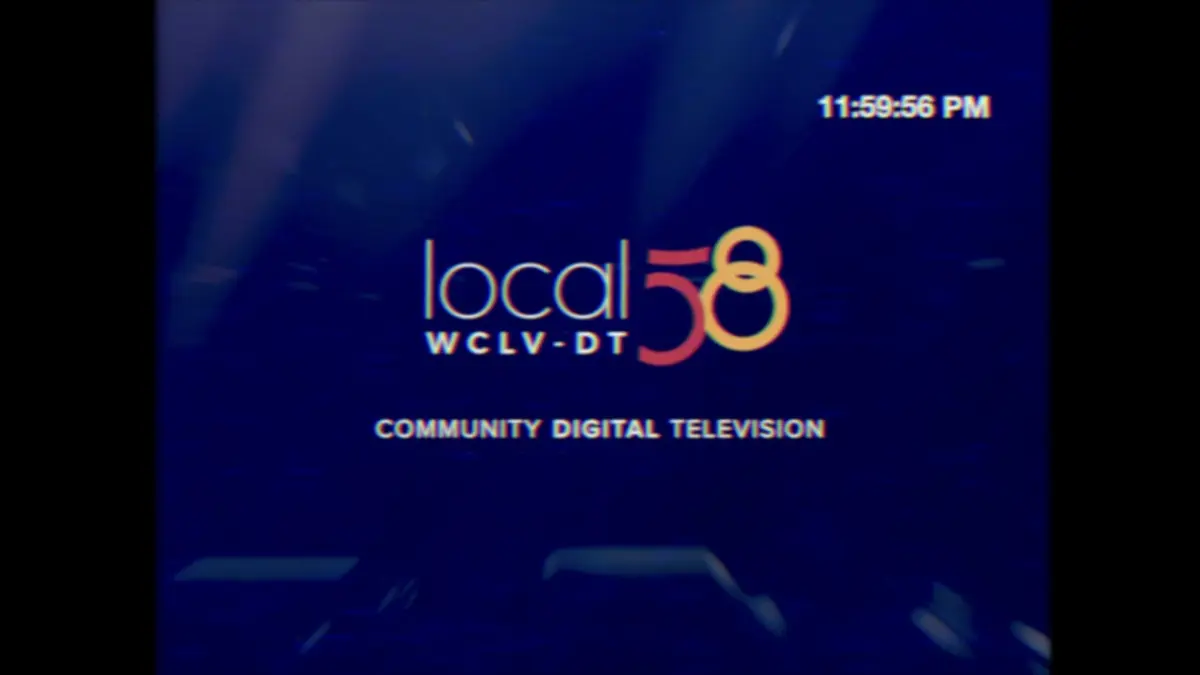
Local 58, which debuted in 2015, is widely cited by scholars of internet culture as a foundational pillar of this movement. The premise is deceptively simple: the viewer is presented with broadcast artifacts from "WCLV-TV," a fictional television station serving the fictional Mason County. Through these broadcasts, the series explores themes of cosmic horror, government conspiracy, and the vulnerability of the viewer. By mimicking the structure of emergency alert systems, late-night public service announcements, and weather reports, Straub effectively weaponized the viewer’s trust in broadcast media to deliver unsettling narratives.
A Strategic Rollout: From Broadcast Surprise to Streaming Milestone
The integration of Local 58 into the Shudder ecosystem was executed with a meticulous, retro-inspired marketing strategy. Rather than a traditional press release or a standard digital premiere, the partnership began on Friday, October 23, during the annual Halloween special of The Last Drive-In with Joe Bob Briggs. During this broadcast, the episode titled "Breaking News" was introduced to the audience, effectively mirroring the show’s diegetic conceit of "interrupting" normal programming.
Following this debut, Shudder opted to continue the illusion of analog broadcast television by rolling out subsequent episodes of the new season sporadically on Shudder TV, the platform’s linear, 24/7 streaming channel. This approach served two purposes: it honored the source material’s commitment to its medium and fostered a sense of communal viewing among the platform’s subscriber base. By forcing viewers to "stumble upon" the content in real-time, the platform recreated the 20th-century experience of late-night television, where the viewer feels like a witness to an unauthorized or inexplicable transmission.
Starting December 1, however, the series will shift to a more conventional, binge-friendly distribution model. Subscribers will gain access to the full archive of the series, allowing for a chronological analysis of the narrative, which has previously been fragmented across various online platforms.
Industry Implications and the Rise of Web-Native Horror
The acquisition of Local 58 by Shudder serves as a definitive case study in the evolving relationship between independent web creators and major streaming services. For years, the internet has served as a laboratory for horror, with creators like Kris Straub, Trevor Henderson, and others building massive, dedicated fanbases without the aid of traditional production houses.

The decision to bring Local 58 to a major platform highlights a shift in industry strategy. Streaming services, which require a constant influx of high-engagement, low-cost content, are increasingly looking toward established digital properties to fill their libraries. By formalizing the production of a third season—with Nick Miller serving as executive producer alongside Straub—Shudder has signaled that it recognizes the creative merit of web-native creators.
From a data perspective, the move is highly logical. Analog horror series often boast high rewatchability and "lore-heavy" content that encourages community discussion, meme creation, and deep-dive analysis on social media platforms like Reddit and X (formerly Twitter). This level of fan engagement is a valuable asset for any streaming platform looking to improve subscriber retention.
Artistic Direction and Production Context
At the helm of this transition is creator, writer, and director Kris Straub. Known for his work in web comics and multimedia storytelling, Straub’s approach to Local 58 is characterized by a "less is more" philosophy. The series relies on minimal dialogue, stark imagery, and the psychological weight of the "unexplained."
The production values of the third season maintain the series’ hallmark commitment to historical accuracy. The visual language of the show—ranging from the grain of 1980s magnetic tape to the specific typeface used in government emergency alerts—is designed to trigger a specific nostalgic response in viewers who grew up during the analog era. This sensory experience is integral to the horror itself, as it creates a bridge between the viewer’s real-world memories and the fictionalized, encroaching threats presented on screen.
Chronology of the Local 58 Phenomenon
- 2015: Local 58 debuts on YouTube, quickly garnering attention for its unique blend of public access aesthetics and cosmic horror.
- 2015–2020: The series experiences a viral trajectory, with episodes like "Contingency" and "Weather Service" becoming staples of the analog horror genre.
- 2026 (October): Shudder announces an exclusive partnership, debuting the third season via a surprise broadcast during The Last Drive-In with Joe Bob Briggs.
- 2026 (October – November): Episodes are released via the Shudder TV linear channel, mimicking the experience of live, traditional television broadcast.
- 2026 (December 1): The full, curated series archive becomes available for on-demand streaming on Shudder, marking the first time the entire collection is consolidated for a mainstream audience.
The Future of the Analog Horror Genre
The professionalization of Local 58 raises questions regarding the future of the genre. As more independent creators sign deals with larger platforms, the aesthetic of "lo-fi, homemade horror" faces the challenge of maintaining its gritty, authentic edge. However, industry analysts suggest that the support of platforms like Shudder may actually provide creators with the resources to expand their narratives without sacrificing the artistic intent that made their work successful in the first place.
For those who have yet to encounter the series, the December 1 release provides an ideal entry point. The narrative, while disjointed in its initial release, forms a coherent, albeit chilling, tapestry of the history of the fictional Mason County. By providing the full collection, Shudder is enabling a deeper engagement with the material, which will likely lead to a resurgence of interest in the series’ complex mythology.
Conclusion
The move of Local 58 to Shudder is more than a mere licensing agreement; it is an acknowledgment of the maturation of internet-based storytelling. By bridging the gap between the ephemeral nature of old-school television and the convenience of modern streaming, the collaboration between Kris Straub and Shudder offers a blueprint for how future digital-first horror properties can find longevity in the mainstream market. As audiences prepare to binge the full series, the legacy of WCLV-TV seems destined to reach a broader, more diverse demographic, cementing its place as a cornerstone of modern horror media. Whether viewed as a technical achievement in media archaeology or a terrifying exercise in existential dread, Local 58 stands as a testament to the power of a well-executed concept, proving that the most effective horror often hides in the static between channels.