The Rise of The Body and Public Reaction
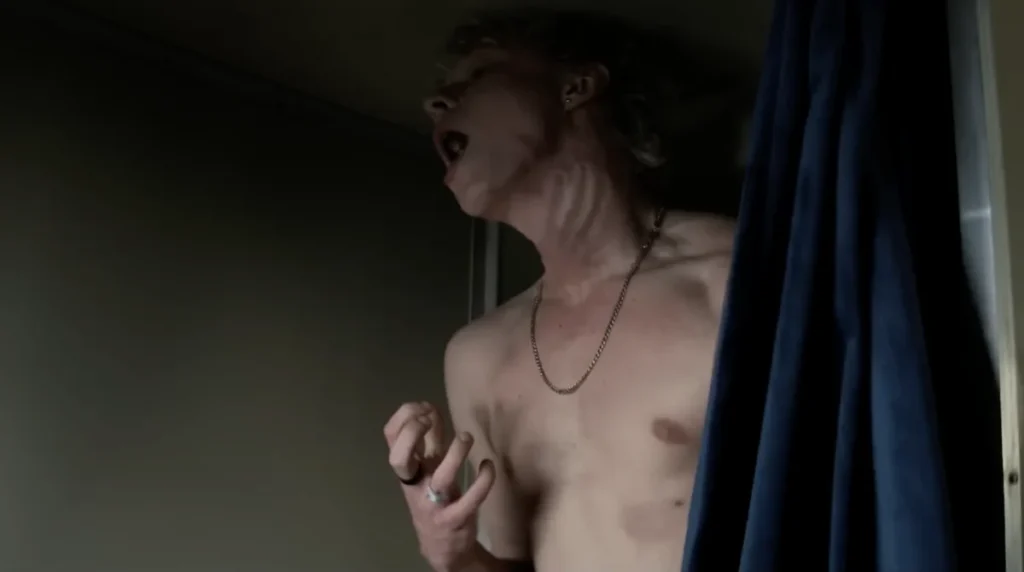
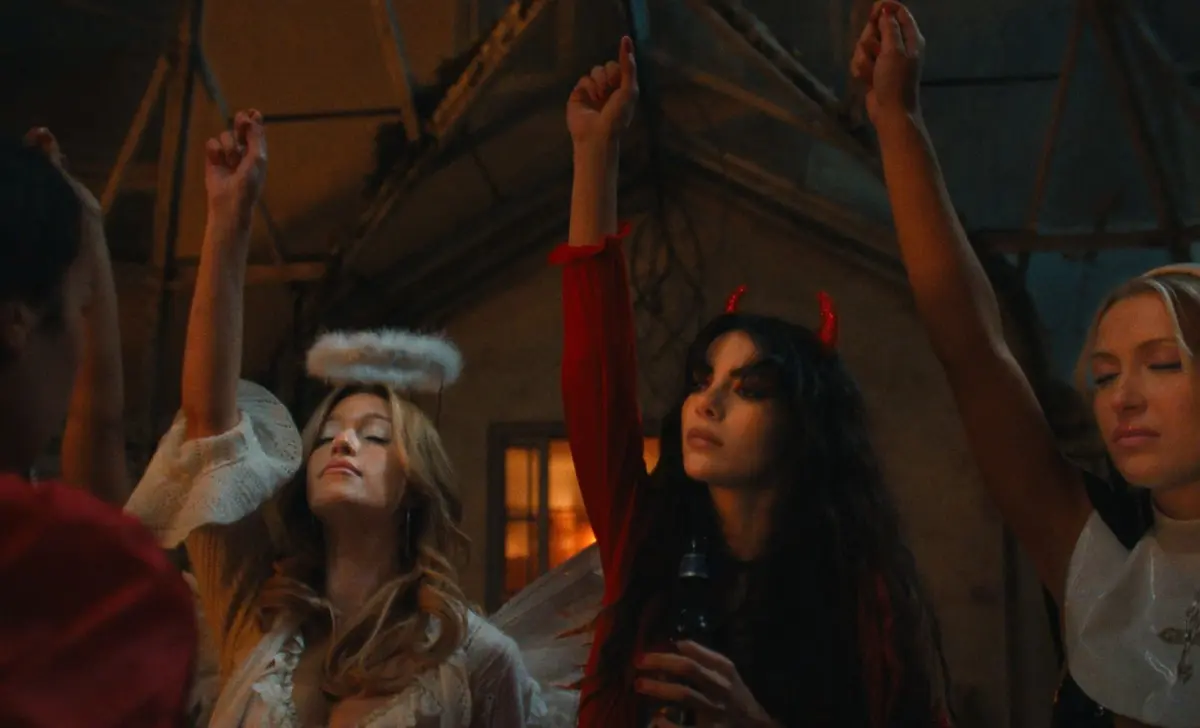
The series, an eight-part psychological drama set in the early 2000s, follows a Catholic school dance team known as The Lions. The narrative centers on a series of mysterious events following a ritualistic initiation at an abandoned convent, which leaves a student named Grace in a coma. As the remaining members of the team grapple with shared trauma and internal hierarchies, the series explores themes of repressed sexuality, the psychological pressures of religious upbringing, and the often-volatile nature of female adolescent friendship.
Upon its release, the series drew immediate scrutiny from specific religious demographics who contend that the show’s portrayal of Catholic life, combined with its exploration of queer themes and occult-adjacent imagery, is intentionally inflammatory. Within days of the premiere, a petition hosted on CitizenGo began circulating, demanding that Netflix’s Chief Content Officer pull the series from the streaming catalog. The petition argues that the content is disparaging toward Christian values and serves as an inappropriate influence on younger viewers. As of this reporting, the campaign has seen a steady influx of signatures, reflecting a polarized reaction to the show’s bold thematic choices.
Historical Context of Religious Media Advocacy
The current effort to remove the series from Netflix is consistent with a long-standing history of religious organizations engaging in media activism within the United States. Historically, these efforts have often aimed to curb the influence of mainstream cinema and television through boycotts and legislative pressure. The most notable example remains the implementation of the Motion Picture Production Code, commonly known as the Hays Code, which governed American film content from the mid-1930s until the late 1960s.
The Hays Code was established under significant pressure from the Catholic Legion of Decency and other religious bodies, which sought to standardize moral codes in Hollywood productions. By restricting depictions of sexuality, crime, and religious mockery, the code fundamentally altered the trajectory of American storytelling for three decades. While the modern landscape of streaming services—which operate largely outside the traditional studio system—has rendered such centralized censorship more difficult, the spirit of these advocacy movements remains active. Contemporary groups have pivoted toward online petitions, social media pressure campaigns, and targeted advertising boycotts to express their dissatisfaction with modern narratives.

Chronology of the Controversy
The progression of the backlash against The Body has been rapid, characterized by the following developments:
- Release Week: The series premieres on Netflix, immediately drawing attention for its dark, atmospheric exploration of Catholic school culture.
- Initial Backlash: Within 48 hours of release, social media discourse begins to shift toward concerns regarding the show’s depiction of religious institutions and the behavior of its teen protagonists.
- The Petition Launch: A formal petition is launched on the CitizenGo platform, explicitly calling for the cancellation of the series and citing "blasphemous" content and the promotion of "deviant" behaviors as primary justifications.
- Public Escalation: As the petition reaches significant signature milestones, media outlets begin to cover the mounting pressure, which in turn fuels further engagement from both supporters and critics of the show.
- Institutional Silence: To date, Netflix has not issued an official statement regarding the petition, maintaining a policy of non-interference with its content library unless legal thresholds are met or community guidelines are explicitly violated.
Analyzing the Narrative Themes
The core of the show’s controversy lies in its unflinching depiction of "the religious experience of girlhood." Quinn Sheppard, the series creator, has stated in various interviews that her intent was to mirror the intensity of teenage social hierarchies with the rigid, often punitive, structures of religious environments. By juxtaposing the fervor of a dance team with the rituals of a Catholic institution, the show draws parallels between the two systems of belief.
In Episode 4, a pivotal moment occurs when a faculty member, Father Franklin, approaches his superior regarding the strange behaviors observed among the students. The Bishop’s response—minimizing the incidents as a biological occurrence rather than a spiritual crisis—mirrors historical criticisms of ecclesiastical handling of internal scandals. By referencing the climate of the early 2000s, including the heightened awareness of sexual abuse scandals within the Catholic Church, the show situates its characters in a world defined by secrets and systemic suppression.
Implications for Streaming and Censorship
The campaign against The Body serves as a case study for the modern "culture war" as it pertains to digital content delivery. Unlike terrestrial television, which is governed by the Federal Communications Commission (FCC) regarding broadcast decency standards, streaming services are private entities that curate their own libraries. This autonomy has allowed for a broader range of creative expression, but it has also placed these companies in the crosshairs of ideological groups.
Legal experts note that while private companies have the right to curate their content, the pressure to remove shows based on petitions poses a complex challenge to platform neutrality. If a streaming service were to yield to such demands, it would set a precedent that could embolden various interest groups to lobby for the removal of any content they find objectionable. This creates a "chilling effect" on creators, who may become increasingly cautious about addressing themes related to faith, politics, or social dynamics for fear of sparking a controversy that could result in the loss of their platforming.

Broader Societal Impact
The debate also highlights the difficulty of navigating a pluralistic society where religious values often clash with modern, secular, or progressive media narratives. For many, the show provides a form of representation—a validation of the lived experiences of queer youth navigating religious spaces. For others, the same content represents a direct assault on the moral fabric they hold sacred.
Furthermore, the surge of interest in the petition itself highlights the role of social media in mobilizing public opinion. The ability to garner thousands of signatures within a short timeframe demonstrates that even if the campaign fails to result in the show’s removal, it succeeds in amplifying the message of the dissenters. This creates a feedback loop: the controversy draws more viewers to the show out of curiosity, which in turn provides more fuel for the detractors, thereby sustaining the public discourse.
Conclusion and Future Outlook
As the discourse surrounding The Body continues, the situation remains a testament to the power of media to act as a mirror for contemporary societal anxieties. The conflict is not merely about the content of a single television series; it is a manifestation of deeper, unresolved tensions regarding the role of traditional institutions in a rapidly changing cultural landscape.
Whether Netflix chooses to acknowledge the petition or remains silent, the implications of this event will likely influence future programming strategies. As the industry continues to evolve, the challenge for streaming giants will be to balance their commitment to diverse, often provocative storytelling with the realities of operating in an increasingly polarized global market. For the audience, the ongoing debate serves as a reminder that the act of watching, critiquing, and discussing media is an essential component of the cultural conversation, one that is as much about the viewer’s own values as it is about the stories being told on screen. The ultimate outcome of the petition remains uncertain, but the conversation it has generated is unlikely to subside in the near future.