The landscape of the DC Universe (DCU) is currently undergoing a comprehensive structural overhaul under the stewardship of co-CEOs James Gunn and Peter Safran. Amidst the flurry of announcements regarding the expanding slate of superhero content, the status of the long-gestating Swamp Thing feature film has been a frequent subject of industry inquiry. During the recent red-carpet premiere of the studio’s latest project, Clayface, producer Peter Safran provided a definitive update on the production, confirming that the film remains a pivotal component of the studio’s long-term creative roadmap.
Safran’s remarks serve to quell mounting speculation regarding the project’s viability. "We’re working on it," Safran stated to reporters. "The script is being written as we speak. But it’s something we’re excited about. All these things take time. When you’ve already got a filmmaker involved, you’ve got to wait for their window as well." This confirmation underscores the studio’s commitment to a deliberate, director-led approach, prioritizing the creative vision of established auteurs over rapid, mass-produced content.
A Chronology of the Swamp Thing Adaptation
The history of the Swamp Thing character in live-action cinema is a fragmented one, spanning over four decades. Created by Len Wein and Bernie Wrightson, the character first appeared in House of Secrets #92 in 1971. The transition to film began in 1982 when horror icon Wes Craven directed the original Swamp Thing. While the film was a modest success, it was hampered by limited special effects technology of the era. A sequel, The Return of Swamp Thing, followed in 1989 under the direction of Jim Wynorski, shifting the tone toward high-camp sensibilities that alienated many fans of the source material’s darker, more gothic roots.
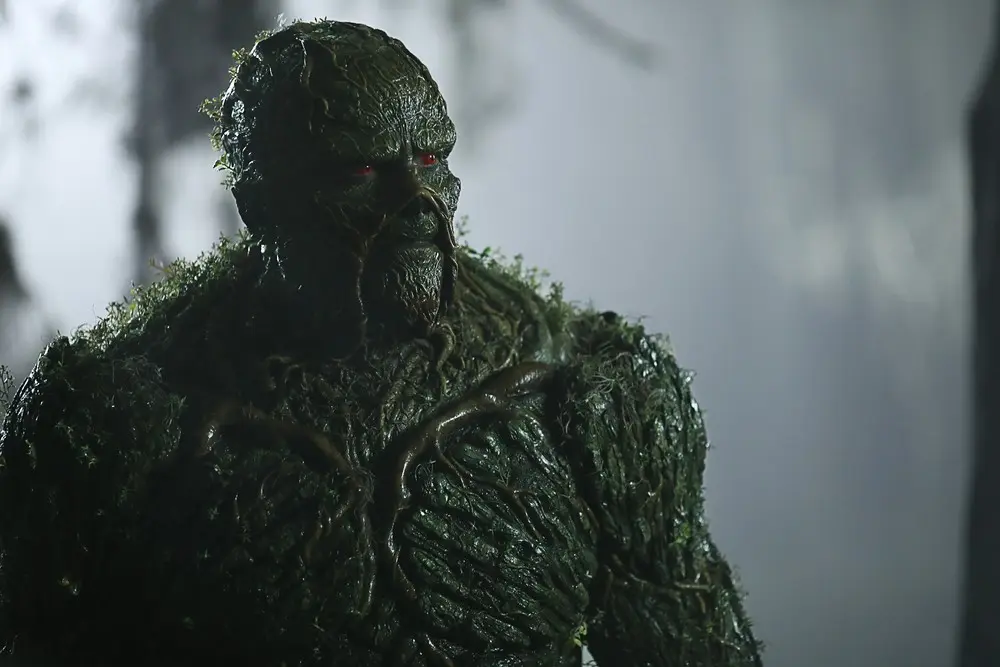
After a lengthy hiatus, the franchise was revived in 2019 for the streaming platform DC Universe. The series, which starred Derek Mears as the titular creature, received widespread critical acclaim for its atmosphere, practical effects, and faithful adherence to the source material’s horror aesthetic. Despite its positive reception, the show was abruptly canceled after a single season, a decision that industry analysts attributed to budgetary constraints rather than a lack of audience engagement. This cancellation left a significant void in the DC media ecosystem, one that James Mangold’s upcoming film is now positioned to fill.
James Mangold’s Directorial Vision
James Mangold, whose body of work includes the Academy Award-nominated Logan and the historical drama Ford v Ferrari, brings a distinct stylistic sensibility to the project. Logan is frequently cited as a turning point in the superhero genre, proving that grounded, character-driven narratives can thrive within the framework of a comic book adaptation. By tapping Mangold for Swamp Thing, DC Studios appears to be signaling a pivot toward a more sophisticated, perhaps darker, tonal direction for the character.

Mangold’s involvement is not merely a hiring choice but a strategic alignment. The filmmaker has previously expressed a desire to explore the intersection of human fragility and the monstrous, a theme central to the Swamp Thing mythos. As a scientist, Alec Holland, who becomes bound to the elemental forces of the Green, the character offers a unique opportunity for a narrative that blends body horror, environmentalism, and existential inquiry.
The Strategic Importance of the DCU Slate
The development of Swamp Thing occurs within the broader context of the DCU’s "Chapter One: Gods and Monsters" initiative. This phase is designed to reorganize the fractured DC film history into a cohesive, interconnected narrative universe. Within this framework, Swamp Thing represents a specialized branch of the DCU—one that allows for the exploration of the supernatural and the occult.
Supporting data regarding audience interest in "horror-adjacent" superhero content suggests that this is a lucrative, yet underserved, market. According to recent box office analysis, genre-blending films that incorporate horror elements often demonstrate high levels of audience retention and social media engagement compared to traditional action-hero tropes. By positioning Swamp Thing as a horror-driven entry, DC Studios is likely aiming to differentiate its output from competitors, specifically the more lighthearted fare typical of the broader superhero genre.
Operational Challenges and Production Timelines
Despite the official confirmation that the script is currently in progress, the logistical reality of contemporary studio filmmaking remains a hurdle. The industry-wide push for higher quality standards has resulted in longer development cycles. As Peter Safran noted, the studio must balance its internal timeline with the availability of its lead creatives.
In the modern studio system, the "wait for their window" phenomenon is increasingly common. Top-tier directors like Mangold are often juggling multiple pre-production and post-production commitments. For the audience, this necessitates a degree of patience, but for the studio, it represents a commitment to the "filmmaker-first" philosophy championed by Gunn and Safran. This strategy is intended to prevent the burnout and creative fatigue that plagued earlier iterations of DC’s film universe.
Broader Implications for the DC Brand
The implications of a successful Swamp Thing film are substantial. If the project resonates with critics and audiences, it could pave the way for a "Dark DC" sub-franchise, opening the door for other supernatural characters such as Constantine, Deadman, or the Justice League Dark. Conversely, should the film fail to find its footing, it could necessitate a secondary pivot in the studio’s strategy, potentially narrowing the focus back to traditional, more "marketable" superhero archetypes.

However, the current trajectory suggests that DC Studios is content to allow Swamp Thing the space it needs to develop. The decision to keep the project in active development rather than shelving it indefinitely demonstrates confidence in the character’s intellectual property value. The Swamp Thing brand remains a cult favorite with high potential for reinvention, provided the creative team can strike the correct balance between the character’s horrific origins and his role as a protector of the natural world.
Future Outlook and Anticipation
While no official release date has been set, the confirmation that the script is in active development is a vital milestone. It signifies that the project has cleared the initial conceptual hurdles and is now moving toward the pre-production phase. For fans of the character, the anticipation is tempered by the knowledge that high-quality, genre-defying cinema requires time.
The studio’s transparency, evidenced by Safran’s public statements, serves to maintain consumer confidence during a period of transition. By acknowledging the "wait," the studio is managing expectations while ensuring that the final product, when it eventually reaches the screen, is aligned with the rigorous standards of the new DCU.
As the industry looks toward the next several years of superhero cinema, the success of Swamp Thing will likely serve as a litmus test for the viability of niche characters in a blockbuster-dominated landscape. The character’s enduring appeal—a tragic, complex figure caught between humanity and the primordial forces of the earth—remains as potent today as it was during his comic book debut. If James Mangold can successfully translate this duality to the screen, Swamp Thing may well become the definitive, defining horror-superhero hybrid of the decade. For now, the machinery of production continues to turn, and the mystery of the swamp remains, for the moment, safely in the hands of the studio’s creative architects.