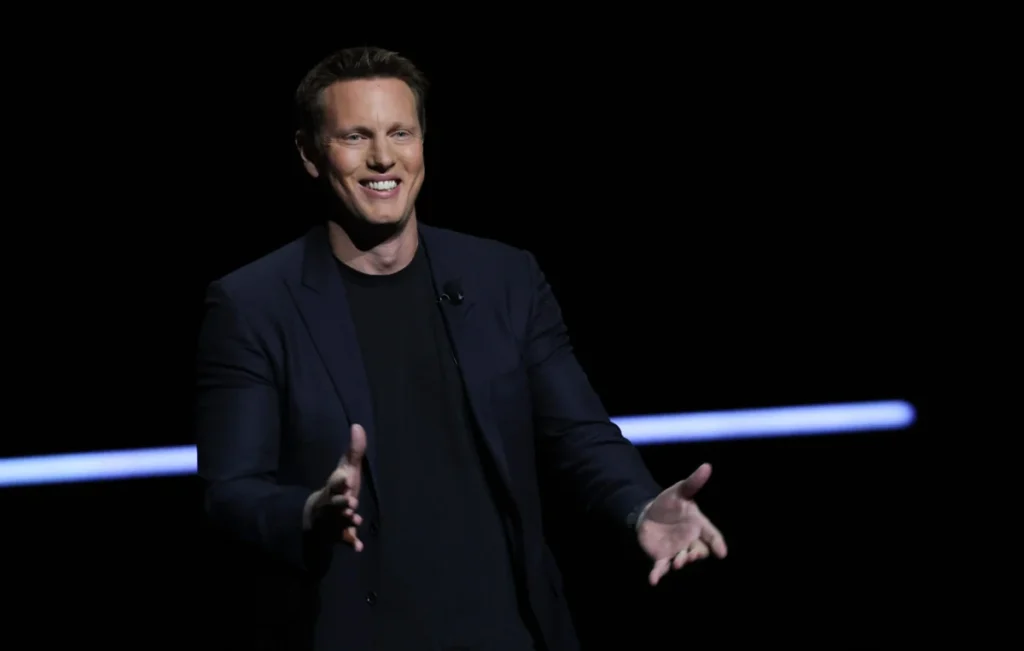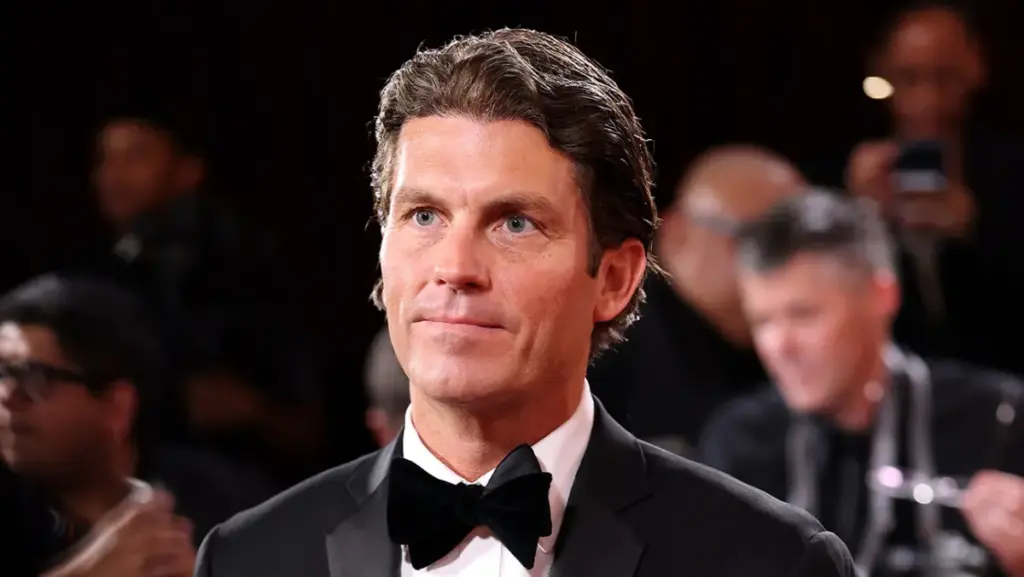
The landscape of late-night television and high-profile entertainment talent management underwent a significant shift this week as Stephen Colbert, the veteran satirist and multi-hyphenate creator, officially signed with United Talent Agency (UTA). This strategic partnership, which encompasses both Colbert’s personal brand and his production banner, Spartina Industries, marks a pivotal moment for the performer as he transitions away from the daily grind of network broadcasting and into a new phase of creative production, literary development, and entrepreneurial ventures.
The agreement covers representation across film, television, publishing, and emerging media, signaling an intent to broaden the scope of the 13-time Emmy winner’s career beyond the confines of the monologue desk. For UTA, the acquisition of a client of Colbert’s stature represents a major win, reinforcing their influence in the competitive talent landscape during a period of significant industry consolidation.
A Legacy of Satire and Television Dominance
To understand the weight of this transition, one must look at the trajectory of Colbert’s career, which has spanned three decades of American cultural commentary. Colbert’s rise began in earnest during his seven-year tenure as a correspondent for The Daily Show with Jon Stewart, where his persona—a hyper-earnest, self-important news anchor—helped define the satirical tone of the 2000s.
This persona was fully realized in 2005 with the launch of The Colbert Report on Comedy Central. For nine years, the program acted as a cornerstone of political discourse, earning Colbert a reputation for intellectual rigor disguised as absurdity. When he transitioned to CBS to take over The Late Show from David Letterman in 2015, the industry watched closely to see if his specific brand of character-driven comedy could survive in the traditional network ecosystem. Not only did it survive, but it eventually flourished, with Colbert steering the ship through the turbulent political waters of the late 2010s and early 2020s, ultimately cementing his status as the most-watched host in late-night television for several consecutive years.
However, the industry’s tectonic shifts caught up with even the most successful programs. Following the merger of Paramount and Skydance, CBS underwent significant restructuring, leading to the conclusion of The Late Show in May 2024. This event served as a bookend to a decade that saw Colbert collect numerous accolades, including multiple Primetime Emmys and a prestigious Peabody Award, marking the end of a singular era in broadcast television.
Official Responses and Strategic Alignment
The announcement of the UTA deal was accompanied by a statement that underscores the agency’s commitment to expanding the scope of Colbert’s existing portfolio. Matt Rice, UTA’s president of filmed entertainment, alongside managing partners Jay Gassner and Julien Thuan, issued a joint sentiment reflecting on the partnership.
"We are thrilled to be working with Stephen Colbert," the statement read. "He is an exceptionally talented artist and creator, a dedicated philanthropist, and a terrific person. We look forward to partnering with Stephen and Spartina Industries to support and further expand his creative endeavors."
This move is seen by industry analysts as a play for long-term content development. By bringing Spartina Industries into the UTA fold, the agency gains a production entity with proven capabilities. Spartina, helmed by Carrie Byalick, has already demonstrated its reach with the production of After Midnight, the late-night show that successfully filled the time slot following Colbert’s own program on CBS. This institutional knowledge of the broadcast model, combined with UTA’s massive infrastructure, suggests a future focused on prestige television and intellectual property development.
Post-Late Show Trajectory: Diversification as Strategy
While many observers expected a traditional "next act" for a host of Colbert’s profile—perhaps a move to streaming or a return to pure acting—Colbert has opted for a diverse, multifaceted approach that leans heavily into his interests in genre fiction and technology.
Currently, Colbert is deep into the development of the next Lord of the Rings cinematic installment. Working alongside veteran screenwriter Philippa Boyens and his son, Peter McGee, the project represents a passion-driven pivot for Colbert, who has long been a vocal devotee of J.R.R. Tolkien’s work. This transition from the satirical commentary of current events to the world-building of high fantasy marks a distinct shift in his professional focus.
Furthermore, his involvement in the tech sector via Scripto, a screenwriting software company, highlights a transition toward the "mogul" phase of his career. By addressing the technical needs of fellow writers and creators, Colbert is positioning himself as an industry architect rather than merely an on-air talent. This is further evidenced by Spartina Industries’ current development pipeline, which includes a high-profile adaptation of Roger Zelazny’s sci-fi series The Chronicles of Amber, a project being developed in tandem with Robert Kirkman’s Skybound Entertainment.
Market Implications and Future Outlook
The decision to sign with UTA while maintaining representation with James "Baby Doll" Dixon at Dixon Talent and legal counsel at Hansen, Jacobson, Teller, Hoberman indicates a desire for institutional stability. Colbert is not looking to rebuild his team from scratch, but rather to augment his existing support structure with the global reach of a major agency.
From an analytical standpoint, this transition reflects a broader trend in Hollywood: the shift from "star as employee" to "star as owner." Colbert’s move mirrors that of other late-night titans—such as Jon Stewart or Conan O’Brien—who leveraged their broadcast fame to build independent production empires.
The industry will be watching to see if Colbert’s influence in the scripted space can mirror his success in the unscripted/talk format. His ability to navigate the complex landscape of intellectual property, as evidenced by the Chronicles of Amber project, suggests a long-term plan that prioritizes creative control and the development of expansive media franchises.
When asked about the pressure to jump into his next major project immediately following his departure from CBS, Colbert maintained a measured, almost patient perspective. In a recent interview, he noted, "There’s some fun stuff to think about. I’m in no hurry." This deliberate pacing may be the most important aspect of his current career stage. Having spent over two decades in the relentless cycle of daily television, Colbert is now in a position where he can curate his projects based on artistic interest rather than contractual obligation.
The Road Ahead
As of mid-2024, the entertainment landscape remains in a state of flux. With the rise of AI in creative writing, the continued consolidation of major studios, and the shifting consumption habits of the television audience, talent like Colbert are uniquely positioned to navigate these changes. By aligning with a powerhouse agency like UTA, he ensures that his future endeavors—whether in film, digital innovation, or literary adaptation—will have the necessary support to compete in an increasingly crowded global market.
The collaboration between Spartina Industries and established production houses like Skybound Entertainment suggests that Colbert’s future projects will likely be characterized by a high degree of production value and a focus on established fanbases. Whether he returns to the screen as a host, moves behind the camera as a writer-producer, or continues to develop the technological tools that empower the next generation of storytellers, his trajectory remains one of the most scrutinized and promising narratives in the modern media industry.
Ultimately, the UTA deal is not just a change in management; it is a declaration of intent. Stephen Colbert is moving from the role of the cultural observer to that of the cultural architect, using his platform to shape the stories that will define the next chapter of his career. As the dust settles on the end of his decade at The Late Show, the focus shifts to how he will leverage his substantial reputation and creative energy to influence the broader entertainment ecosystem in the years to come.