The cinematic landscape of 2026 reached a notable milestone with the release and critical evaluation of Paper Tiger, the latest crime drama directed by acclaimed filmmaker James Gray. As the awards season begins to take shape, film critics and industry analysts are closely examining the trajectory of prestige pictures that made an impact earlier in the year. Among the most discussed entries is Gray’s gritty New York-set narrative, which recently secured a coveted slot in the main competition at the 2026 Cannes Film Festival. To dissect the artistic and commercial prospects of this high-profile release, the Next Best Picture Podcast dedicated a comprehensive, spoiler-heavy review session featuring host Matt Neglia alongside regular contributors Josh Parham and Brendan Hodges.
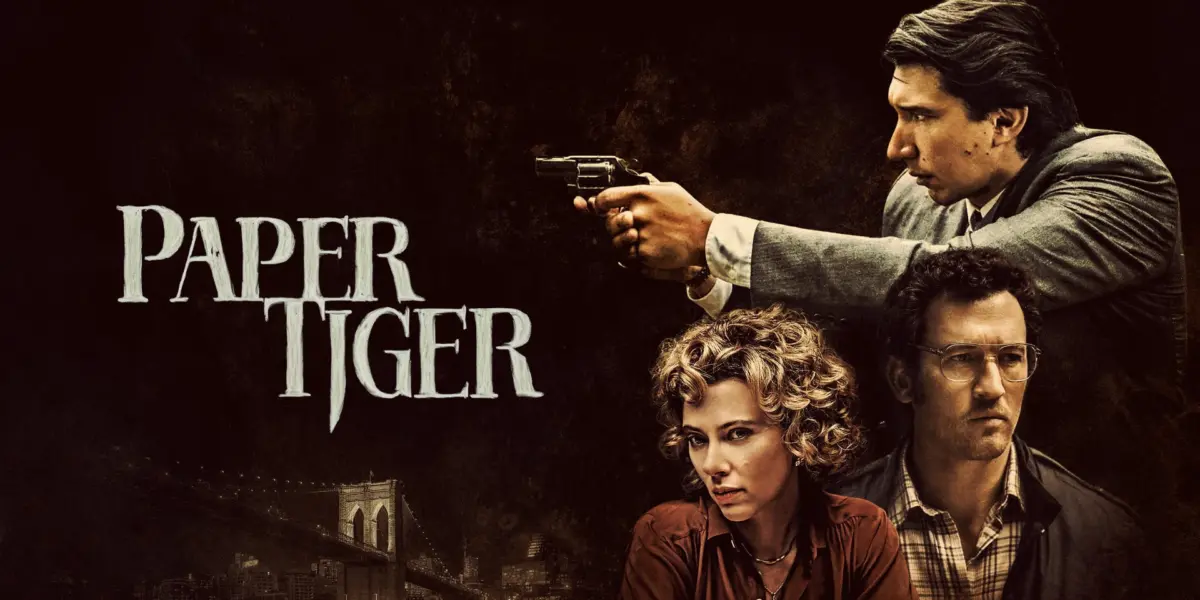
The newly released podcast episode offers a deep dive into the technical mastery, narrative choices, and stellar performances that define Paper Tiger. Featuring an A-list ensemble cast led by Adam Driver, Scarlett Johansson, and Miles Teller, the film explores the treacherous underworld of organized crime through the hyper-specific lens of a tight-knit New York family. As the discussion on the podcast highlights, Gray returns to the thematic territory of urban moral corruption and familial obligation that previously characterized acclaimed works such as The Yards, We Own the Night, and Two Lovers.
The Road to the Croisette: Production and Festival Reception
The journey of Paper Tiger to the global stage began years prior to its prominent festival debut, navigating the complex financial and logistical landscapes of independent prestige filmmaking. James Gray, known for his meticulous approach to character-driven storytelling, spent considerable time developing the screenplay, which aims to modernize the classic American crime saga. By casting formidable acting talents like Adam Driver, Scarlett Johansson, and Miles Teller, the production immediately garnered significant attention from international distributors and film financiers.
In early 2026, anticipation reached a fever pitch when festival organizers announced that Paper Tiger would be selected for the main competition at the 79th Cannes Film Festival. Competing for the prestigious Palme d’Or places a film under intense global scrutiny, as critics from major publications worldwide evaluate its artistic merit and cultural relevance. Upon its world premiere on the French Riviera, the film was met with generally positive reviews from international trade publications and critics alike. Reviewers frequently praised the atmospheric cinematography, the palpable tension of the narrative pacing, and the intense psychological depth brought by the central trio of actors.
Despite a competitive lineup featuring works by several international masters, Paper Tiger held its ground as a robust commercial and critical contender. The film’s ability to balance intimate family drama with high-stakes criminal entanglements resonated strongly with the European critical establishment, establishing a solid foundation for its subsequent rollout in North American markets and its anticipated campaign for the upcoming awards season.
Narrative Architecture and Character Dynamics
At the core of the Next Best Picture Podcast review is an exhaustive analysis of the film’s plot and character dynamics. The story centers on a New York family whose aspirations for upward mobility and stability are systematically compromised when they become entangled with elements of the Russian mob. This collision between mundane domestic struggles and ruthless international organized crime provides a fertile ground for dramatic tension, a theme that Josh Parham and Brendan Hodges explore at length during the broadcast.
The performances of the lead cast received extensive commentary from the podcast panel. Adam Driver, whose career has been defined by collaborations with visionary auteurs, brings a brooding intensity and vulnerability to his role, anchoring the family’s moral center as external pressures mount. Scarlett Johansson delivers a complex performance that captures the emotional toll placed on individuals caught in the crossfire of criminal ambition and familial loyalty. Meanwhile, Miles Teller rounds out the core ensemble with a kinetic energy that underscores the unpredictable nature of the underworld threats facing the household.

James Gray’s direction was a focal point of the critical evaluation on the podcast. Known for his classical visual style and aversion to flashy, contemporary cinematic trends, Gray opts for deliberate pacing, naturalistic lighting, and grounded framing. The podcast hosts noted how these directorial choices elevate the material above standard genre exercises, transforming a conventional crime story into a profound meditation on the American dream gone awry. The depiction of New York City itself functions almost as an additional character, rendered with a gritty authenticity that recalls the gritty cinematic traditions of the 1970s.
Awards Season Prognostication and Industry Implications
As the entertainment industry transitions from the spring festival circuit into the autumn precursors and winter awards ceremonies, predictions regarding the Oscar potential of Paper Tiger have intensified. During their spoiler-filled discussion, the Next Best Picture Podcast team dedicated a substantial segment to evaluating the film’s viability across various major categories, including Best Picture, Best Director, Best Original Screenplay, and multiple acting categories.
Historically, crime dramas with strong artistic pedigrees have found varying degrees of success with the Academy of Motion Picture Arts and Sciences. While traditional genre films often face an uphill battle in top-tier categories, movies that utilize genre frameworks to explore deeper sociological and psychological themes—such as Martin Scorsese’s The Departed or James Gray’s own previous cinematic endeavors—frequently break through. The involvement of heavyweight talent like Driver and Johansson significantly boosts the film’s profile among voting blocks, particularly within the actors’ branch.
Furthermore, the release strategy orchestrated by the film’s distributors will play a critical role in maintaining momentum through a crowded awards calendar. By securing a high-visibility platform at Cannes, Paper Tiger successfully established its critical credentials early in the year, mitigating the risk of being overshadowed by late-year studio releases. Industry analysts suggest that sustained word-of-mouth generated by specialized critical platforms and film podcasts will be instrumental in keeping the picture in the cultural conversation as voting bodies begin deliberations.
Podcast Distribution and Accessibility
The comprehensive review of Paper Tiger forms part of a broader ongoing effort by the Next Best Picture Podcast to provide detailed, timely coverage of major cinematic releases and awards race developments. Hosted by Matt Neglia, the platform has established itself as a definitive destination for cinephiles and industry professionals tracking the trajectory of prestige cinema.
While the preview segment of the discussion is made widely accessible across multiple streaming platforms, the full, unabridged version of the review—featuring deeper thematic breakdowns and extended critical commentary—is offered as part of the platform’s community-supported model via Patreon. This tier-based approach allows dedicated listeners to support the ongoing production of independent film journalism while gaining access to exclusive, in-depth content.
As the 2026 film calendar continues to unfold, the discourse surrounding works like Paper Tiger underscores the enduring appeal of intelligent, character-driven storytelling within classic cinematic frameworks. Through rigorous critical evaluation on platforms like the Next Best Picture Podcast, audiences and industry stakeholders alike are provided with the analytical tools necessary to understand the complex interplay between artistic vision, commercial viability, and cultural legacy in modern filmmaking.