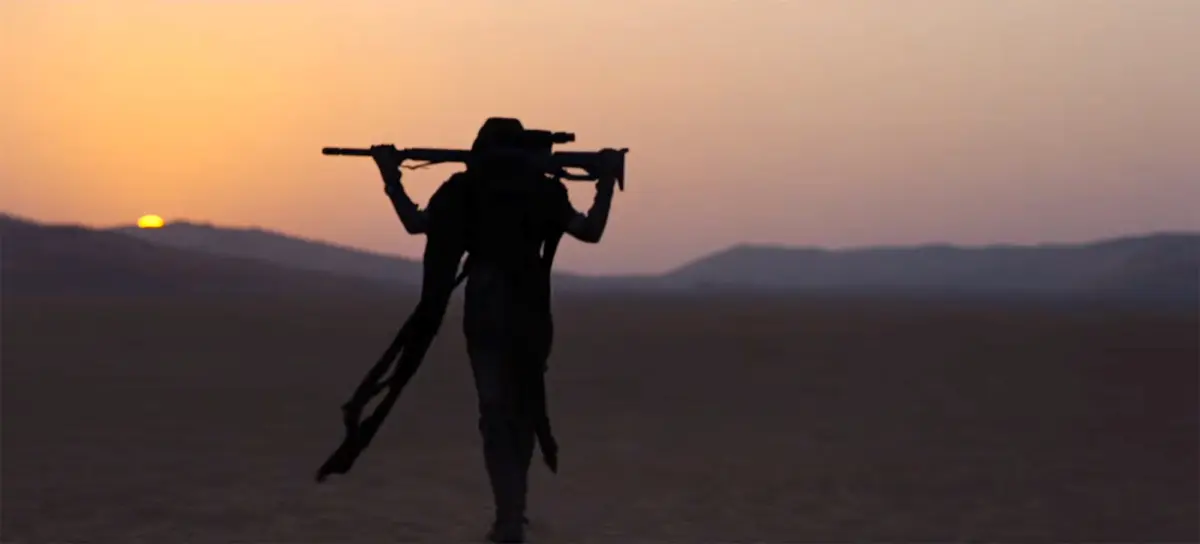
The cinematic landscape is bracing for the culmination of one of modern science fiction’s most ambitious epics as Warner Bros. Pictures has released a surprise new teaser trailer for Dune: Part Three. Unveiled on November 24, 2026, the promotional spot follows closely on the heels of the film’s final trailer released a month prior, offering audiences a fresh compilation of never-before-seen footage. Directed by acclaimed filmmaker Denis Villeneuve, the upcoming feature is slated to arrive in theaters worldwide on December 18, 2026, serving as the grand finale to his critically acclaimed adaptation of Frank Herbert’s seminal sci-fi universe.
Main Facts and Trailer Breakdown
The newly released teaser, distributed via official studio channels, runs for roughly a minute and builds directly upon the tense, high-stakes atmosphere established in previous marketing campaigns. Dialogue from the teaser highlights the looming conclusion of the narrative arc, with the haunting refrain, "Bring us to Arrakis—and we will end this madness."

This brief look provides expanded glimpses of key characters navigating the volatile political and ecological landscapes of the known universe. Viewers are treated to additional sequences featuring towering sandworms crashing across the deep desert, alongside heightened exposures of returning and new cast members. Timothée Chalamet reprises his role as Paul Atreides, now burdened by the absolute power of the imperial throne and worshipped as a religious icon by the fanatical Fremen. The footage also highlights Zendaya as Chani, Florence Pugh as Princess Irulan, Anya Taylor-Joy as Alia, and Robert Pattinson in his highly anticipated debut as the enigmatic Tleilaxu antagonist, Scytale.
Chronology of the Production and Marketing Campaign
The journey to Dune: Part Three has been a carefully orchestrated multi-year event spanning the historic box-office runs of its predecessors. Denis Villeneuve’s adaptation strategy began with Dune: Part One, released in October 2021, which successfully re-established Herbert’s dense universe for a contemporary audience, grossing over $402 million globally despite day-and-date streaming releases during the COVID-19 pandemic.
This momentum culminated in the release of Dune: Part Two in March 2024, which expanded the scale of the narrative, explored the complex geopolitical dynamics of Arrakis, and surpassed $711 million at the worldwide box office. Buoyed by this critical and commercial triumph, Warner Bros. and Legendary Entertainment fast-tracked the development of the third installment.

Principal photography and post-production timelines have moved steadily over the past two years, leading into the aggressive late-2026 promotional push. The release of the comprehensive final trailer in late October 2026 set high expectations, which Warner Bros. has actively sustained by dropping this surprise mid-autumn teaser. Industry analysts note that this strategy aims to maintain dominant cultural share and sustain audience engagement amidst a crowded holiday box-office season.
Supporting Data and Literary Background
Dune: Part Three draws its primary inspiration from Dune Messiah, the 1969 novel written by Frank Herbert as a direct sequel to his 1965 masterpiece. While the first two films largely adapted the events of the original novel, Dune Messiah shifts the thematic focus away from classic heroic arcs, examining instead the corrosive nature of absolute power, religious fanaticism, and the tragic consequences of prophecy.
The screenplay for the final installment has been co-written by Denis Villeneuve and acclaimed comic book and television writer Brian K. Vaughan. The production features a robust roster of producers, including Cale Boyter, Tanya Lapointe, Joseph M. Caracciolo Jr., Mary Parent, Thomas Tull, and Villeneuve himself, alongside estate representatives Brian Herbert, Kim Herbert, and Byron Merritt.

The expansive ensemble cast reflects a mix of returning talent and notable additions. Alongside Chalamet, Zendaya, Pugh, Taylor-Joy, and Pattinson, the film features Jason Momoa returning as the ghola Hayt, alongside veteran actors Rebecca Ferguson, Charlotte Rampling, and Isaach De Bankolé. New additions to the franchise include young actors Nakoa-Wolf Momoa and Ida Brooke, rounding out a cast tailored to represent the multi-generational conflicts central to the narrative.
Official Responses and Industry Context
The rollout of the Dune: Part Three marketing materials has generated substantial industry commentary, particularly regarding strategic positioning against competing studio tentpoles. Entertainment insiders have observed that Warner Bros. continues to leverage the prestige and visual fidelity of the Dune franchise to anchor its late-year theatrical slate.
While studio representatives have kept plot specifics tightly under wraps to preserve narrative twists inherent in Herbert’s source material, the promotional emphasis on characters such as Scytale and the internal political conspiracies facing House Atreides signals a faithful adaptation of the novel’s darker psychological elements. The decision to drop unannounced footage has been praised by box-office analysts as an effective measure to cultivate sustained viewer anticipation without suffering from conventional marketing fatigue.

Broader Impact and Implications for the Sci-Fi Genre
As the December 18, 2026, release date approaches, the implications of Dune: Part Three extend beyond immediate financial projections for Warner Bros. and Legendary. Villeneuve’s trilogy stands as one of the few contemporary attempts to adapt complex, philosophical hard science fiction on a blockbuster scale while achieving both sustained critical acclaim and massive commercial viability.
The completion of this trilogy could redefine how major studios approach multi-part literary adaptations, proving that cerebral, slow-burn storytelling can successfully command the global box office over a span of half a decade. Furthermore, the film’s exploration of authoritarianism, religious zealotry, and personal legacy aligns with contemporary cultural dialogues, ensuring that the thematic weight of Frankhet Herbert’s 20th-century text resonates with 21st-century audiences. With ticket presales anticipated to launch in the coming weeks, the industry will be closely monitoring whether Dune: Part Three can surpass the box-office milestones of its predecessors and set a new benchmark for modern science-fi cinema.