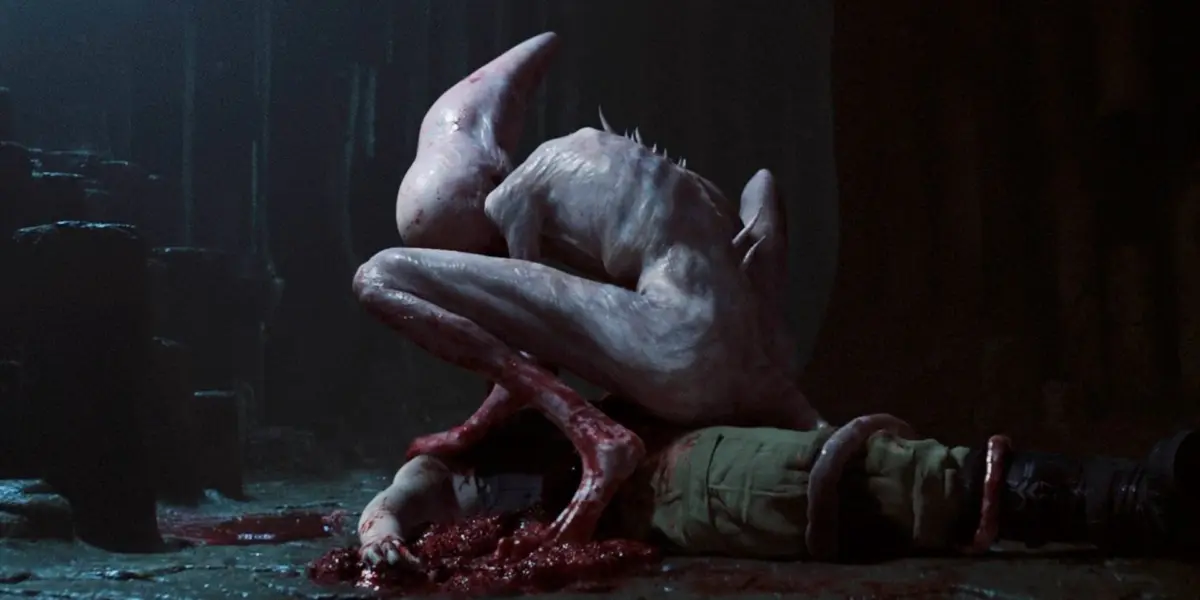
The science fiction horror landscape is set for a significant expansion as 20th Century Studios moves forward with the development of a new entry in the long-running Alien franchise. Reports indicate that screenwriter Aaron Guzikowski, known for his work on the critically acclaimed thriller Prisoners and the HBO Max series Raised by Wolves, has been commissioned to draft the screenplay. The project will be produced by Ridley Scott, the visionary filmmaker who inaugurated the franchise in 1979, alongside Michael Pruss under the Scott Free Productions banner. Scott Aversano is slated to oversee the project on behalf of 20th Century Studios.
This development marks a continued collaboration between Scott and Guzikowski, who previously worked together on the ambitious science fiction series Raised by Wolves. While Ridley Scott is currently attached as a producer, there has been no official announcement regarding his potential return to the director’s chair for this specific iteration. The production remains in its nascent stages, with the search for a director and the finalization of the narrative trajectory serving as the studio’s current priorities.
Chronology of the Alien Franchise and the Prequel Arc
The Alien franchise has maintained a complex and non-linear narrative structure over its four-decade history. The original 1979 film, directed by Scott, established the xenomorph as one of cinema’s most enduring antagonists. The series eventually expanded into sequels directed by James Cameron, David Fincher, and Jean-Pierre Jeunet, before venturing into prequel territory under Scott’s direction with Prometheus (2012) and Alien: Covenant (2017).

The potential for this new project to bridge the gap between the prequel series and the broader franchise canon is significant. Sources close to the production have suggested that the "connective tissue" of the film involves the character of David, the amoral android portrayed by Michael Fassbender in the prequel films. Although Fassbender is not currently attached to the project, the narrative focus on the consequences of his actions aboard the colony ship Covenant provides a direct path for the story to resolve the cliffhanger ending of the 2017 film. This development distinguishes the project from the ongoing development of a sequel to the 2024 film Alien: Romulus, directed by Fede Álvarez.
The Evolution of the Alien Brand Under 20th Century Studios
Since the acquisition of 21st Century Fox by The Walt Disney Company, the Alien franchise has seen a strategic revitalization. The success of Alien: Romulus, which grossed over $350 million worldwide, demonstrated that the property remains a viable commercial juggernaut. Critics and audiences alike praised Romulus for returning to the claustrophobic, high-tension roots of the original 1979 film.
Simultaneously, the franchise has successfully transitioned into the television medium with Alien: Earth, a series created by Noah Hawley. Following a positive reception during its debut, the series has already secured a renewal for a second season. The existence of both a cinematic universe and a television expansion suggests that 20th Century Studios is implementing a multi-platform strategy to maximize the intellectual property’s reach. The addition of a new feature film, potentially rooted in the more philosophical and existential themes explored in Scott’s prequel era, indicates that the studio intends to cater to both the legacy horror audience and the fans of the more recent, cerebral entries.
Analysis of the Creative Selection: Aaron Guzikowski
The selection of Aaron Guzikowski as the screenwriter provides insight into the intended tone of the upcoming project. Guzikowski gained prominence with his screenplay for Denis Villeneuve’s Prisoners (2013), a film lauded for its exploration of moral ambiguity, psychological trauma, and the darkness inherent in human desperation. These thematic elements are considered highly compatible with the core tenets of the Alien franchise, which has historically utilized the xenomorph as a catalyst for examining human frailty and corporate ethics.

By entrusting the script to a writer with a background in grounded, character-driven tension rather than mere spectacle, the production signals a desire to maintain the elevated standard of writing established by recent franchise entries. The collaboration with Scott, who has a well-documented interest in the technological and theological implications of artificial intelligence within the Alien universe, suggests that the new film may further explore the "David" arc, moving beyond the simple creature-feature formula to address the broader existential queries posed in the Prometheus timeline.
Market Implications and Franchise Longevity
The decision to move forward with a new Alien film, distinct from the Romulus narrative, reflects the studio’s confidence in the brand’s endurance. Statistically, the Alien franchise has remained remarkably resilient, spanning eight feature films, multiple video games, a prolific comic book series, and a growing television footprint.
From a fiscal perspective, the diversification of the franchise allows for a broader demographic capture. While Alien: Romulus served to re-engage the core horror fanbase, a project helmed by a writer of Guzikowski’s pedigree suggests an attempt to capture the more mature, science-fiction-literate audience that favored the prequel films.
Industry analysts observe that the franchise is currently in a "re-consolidation phase," where individual projects are being balanced between the high-octane horror of the original films and the expanded world-building of the later installments. By keeping the prequel story thread active through this new development, the studio ensures that the narrative arcs initiated by Ridley Scott in 2012 do not remain indefinitely suspended, thereby maintaining continuity for the dedicated fanbase that has followed the series’ complex mythology for over a decade.

Current Status and Industry Outlook
As of the current reporting period, the project remains in the pre-production phase. The focus for the immediate future will be the development of the script, which must navigate the expectations of a global audience while balancing the creative vision of Ridley Scott. The studio has not yet established a projected release date or a production schedule, as these details are contingent upon the finalization of the screenplay and the selection of a director.
The involvement of Scott Free Productions ensures that the aesthetic and thematic oversight remains consistent with the established visual language of the franchise. As the industry continues to monitor the development, the primary interest lies in whether this film will serve as the definitive conclusion to the Prometheus/Covenant narrative, or if it will function as a bridge to further explore the origins of the xenomorph and the Weyland-Yutani Corporation’s relentless pursuit of biological superiority.
The Alien franchise remains one of the most successful and enduring pillars of science fiction cinema. Its ability to pivot between different sub-genres—from slasher-horror and war-action to existential philosophy—has allowed it to survive changing cinematic trends. With Aaron Guzikowski at the helm of the writing process, the upcoming entry is poised to test whether the franchise can successfully reconcile its recent past with its long-term future, continuing the legacy of terror that has defined the series since its inception. While fans await further updates regarding the cast and the directorial assignment, the commitment from 20th Century Studios to expand the scope of this universe reaffirms that, despite the vast silence of space, the cultural footprint of the Alien remains as prominent as ever.