Director Mary Harron Discusses Her Precocious Exploration of Violence, Radical Feminism, and the Unseen Narratives Behind a Notorious Act
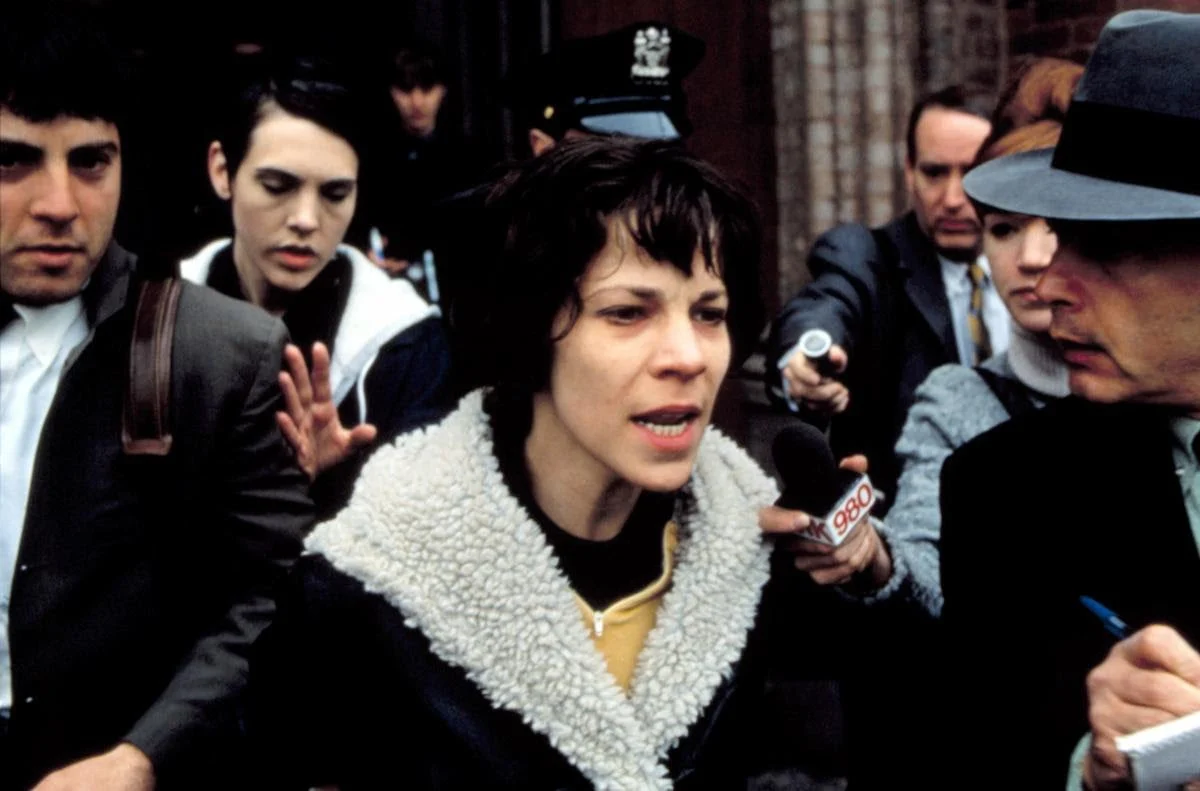
In the pantheon of influential horror cinema, Mary Harron’s 2000 adaptation of Bret Easton Ellis’s American Psycho stands as a landmark achievement, a visceral and darkly satirical dissection of yuppie culture and its discontents. Yet, long before Patrick Bateman’s blood-soaked monologues captivated audiences, Harron delved into another compelling true crime narrative, one that predates her exploration of fictional serial murder by nearly a decade. Her 1996 film, I Shot Andy Warhol, offers a prescient and unflinching look at Valerie Solanas, the radical feminist author and activist who attempted to assassinate the iconic pop artist in 1968. This cinematic deep dive into a pivotal, yet often marginalized, figure of the 20th century has recently seen renewed attention, with screenings at New York City’s IFC Center sparking conversations about its enduring relevance, particularly during Pride Month and amidst contemporary societal debates.
Harron’s journey into the life of Valerie Solanas was not born from a desire to replicate the sensationalism of her later work. Instead, it emerged from a genuine intellectual curiosity, a frustration with the historical erasure of complex female figures. "I’d read all these books about Warhol," Harron recalled in a recent interview, "and there was just never anything about it. [Solanas] was often reduced to two lines about a ‘crazy’ woman. It was like a joke. She had an organization called the Society for Cutting Up Men, of which she was the only member… Which is true, she was." This dismissive portrayal, common in historical accounts of the era, failed to satisfy Harron’s journalistic instincts and her burgeoning interest in the socio-political undercurrents of the 1960s.
The catalyst for the film’s development was Harron’s discovery of Solanas’s incendiary text, the SCUM Manifesto. This potent, often debated document, which scholars have variously interpreted as a radical feminist critique of patriarchy or a darkly satirical call to arms, struck Harron with its raw power and intellectual ferocity. "I was so knocked out by how brilliant it was," she stated. "So that was the question: Who is this woman that nobody has written about and nobody cares about, except that she shot Warhol?" This pivotal moment ignited Harron’s determination to bring Solanas’s story to the screen, a decision that was met with considerable resistance from a film industry that was, and to some extent still is, hesitant to greenlight projects centered on controversial or "unlikable" female protagonists.
The Road to SCUM: Researching a Forgotten Figure
The process of making I Shot Andy Warhol was, by modern standards, a Herculean effort in research. In an era preceding the ubiquity of the internet and instant access to information, Harron’s investigative journey was a testament to painstaking archival work and dedicated fieldwork. "Everything is so different now in terms of research," Harron observed, highlighting the stark contrast between her experience and the ease with which contemporary documentarians and podcasters can access vast digital archives. "Just trying to track people down was so hard. I was never able to track her family down because I didn’t know the sister’s married name."
Harron’s research involved years of immersion in libraries and archives, a process she now views with a certain nostalgic appreciation. "I kind of feel sorry for people who don’t have to do what I did, because it was years of sitting in the New York Public Library reading room: Going through old magazines, going through every book on Warhol, and looking through the index and finding little references," she recounted. This meticulous approach extended to poring over microfilm and microfiche of old newspaper accounts, piecing together fragments of Solanas’s life from the margins of history.
Her quest took her beyond the confines of libraries, seeking to understand Solanas’s lived experience. This involved delving into late 1960s issues of local underground magazines, seeking to capture the zeitgeist and the subcultures Solanas inhabited. Harron also traveled to Solanas’s alma mater, the University of Maryland, in an effort to connect with her formative years and understand the intellectual trajectory that led her to develop such radical ideas. This immersive approach fostered what Harron described as a "gradual getting to know her," a process that ultimately built into a "real obsession."
Beyond the Act: Solanas’s Radical Vision
Valerie Solanas was more than just the perpetrator of a notorious act of violence; she was a complex and ideologically driven individual whose writings and actions reflected the turbulent social and political landscape of the late 1960s. Born in 1938, Solanas became a vocal critic of patriarchal structures, advocating for a radical reimagining of gender roles and societal power dynamics. Her SCUM Manifesto, published in 1968, was a foundational text for some feminist circles, articulating a scathing critique of male dominance and its perceived detrimental effects on society.
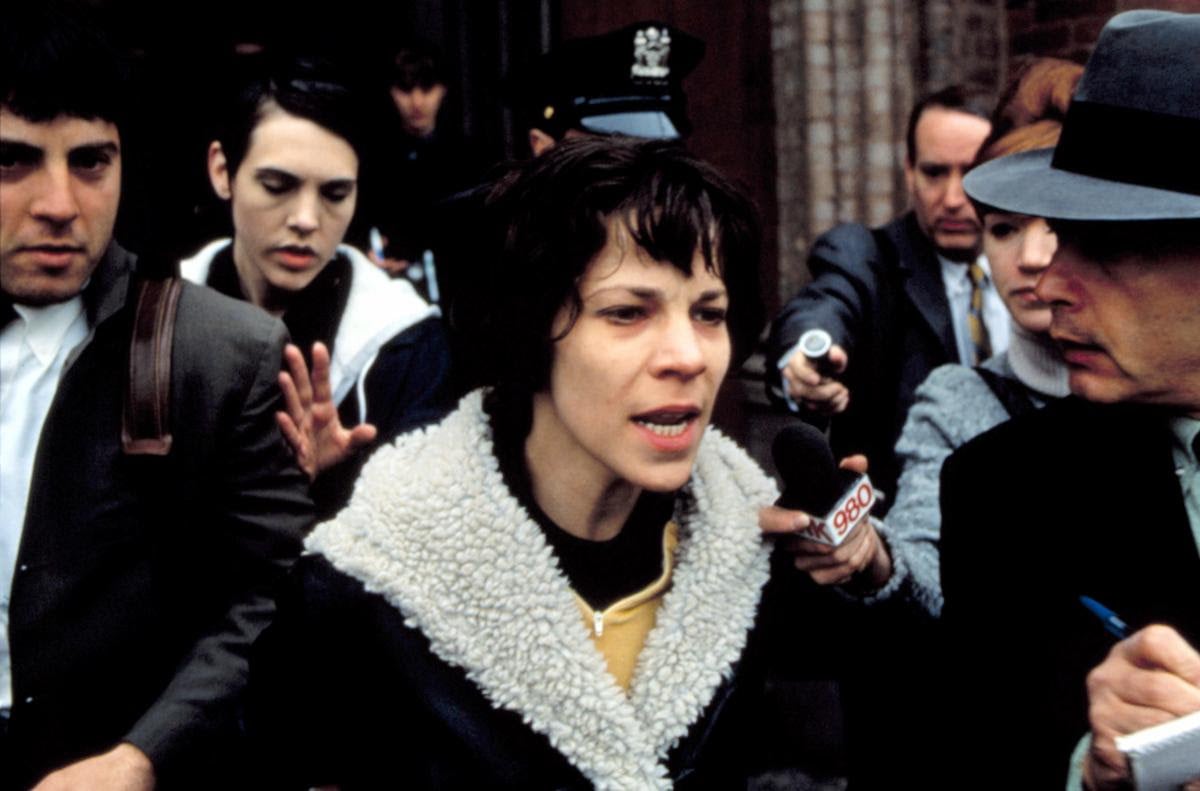
The manifesto’s controversial nature stems from its uncompromising rhetoric and its call for the dismantling of existing social orders. While some scholars argue for its satirical intent, others view it as a literal expression of Solanas’s deep-seated anger and disillusionment. Regardless of interpretation, the document undeniably positioned Solanas as a radical figure on the fringes of the burgeoning women’s liberation movement, which was often more moderate in its approach.
Solanas’s association with Andy Warhol was rooted in her desire for recognition and financial support for her work. She claimed to have given Warhol a screenplay, Up the Revolution, which she believed he had lost or stolen. This perceived betrayal, coupled with her broader frustrations with a society she felt had marginalized her and her ideas, culminated in the assassination attempt on June 3, 1968. Solanas entered Warhol’s Factory and shot him twice, severely wounding him. She was apprehended shortly thereafter and eventually pleaded guilty to attempted murder, serving a prison sentence.
Harron’s Approach to Violence and Marginalization
While American Psycho is celebrated for its unflinching portrayal of graphic violence, Harron herself professes a different sensibility. "I love thrillers and scary things, but I’m not a big graphic horror person. Like I’m squeamish, actually… I never wanted to do the very graphic stuff in American Psycho," she revealed, indicating a preference for psychological suspense and the unsettling rather than overt gore. Her admiration for Alfred Hitchcock, a master of suspense who often relied on suggestion and implication, further underscores this inclination.
For I Shot Andy Warhol, Harron sought to depict the violence not as gratuitous spectacle, but as a moment of profound disruption and psychological paralysis. "I just like scaring people. I do want to scare people, but a lot of that is just in your mind," she explained. The scene of the shooting itself was conceived to convey the jarring reality of such an act. "There’s an awkwardness in real-life violence, [when] suddenly somebody does something. I think that really happened. I also love that idea that somehow in the midst of a normal day, somebody’s doing something like this and then, when she shoots him, everybody’s kind of paralyzed." This approach emphasizes the psychological impact of violence and the ways in which it can halt the perceived normalcy of existence.
The film’s re-release this June, during Pride Month, is particularly resonant given its exploration of themes that were often silenced or stigmatized in previous decades. Harron highlighted the significance of characters like Candy Darling, a transgender actress and Warhol’s muse who is a central figure in the film, and Solanas’s own journey with queerness, as well as the motif of sex work. "America is going through a very conservative period right now, at least in terms of the White House," Harron noted, drawing a parallel between contemporary societal tensions and the radical undercurrents of the 1960s. "America always has these debates… It always has these underground, radical movements, and people fighting against the main society."
Enduring Relevance and a Changing Media Landscape
The resurgence of interest in I Shot Andy Warhol coincides with a broader cultural fascination with true crime, a genre that has exploded in popularity through podcasts and documentaries. Harron’s commentary on the ease of research today, even humorously suggesting AI as a shortcut, underscores the transformative impact of digital technology on investigative journalism and historical exploration. Yet, she also champions the value of her more arduous, analog research methods, suggesting that the deeper, more time-consuming process fostered a more profound understanding and connection to her subject.
The film’s screening at the IFC Center, a stone’s throw from the historic Stonewall Inn, further amplifies its thematic resonance. The juxtaposition of Solanas’s radical feminist agenda, the lived experiences of transgender individuals within the Warhol circle, and the ongoing struggles for LGBTQ+ rights creates a compelling historical dialogue. I Shot Andy Warhol serves not merely as a retelling of a sensational event, but as an invitation to re-examine the narratives we construct around marginalized figures, the complexities of radical thought, and the enduring fight against societal oppression. As the film embarks on a nationwide theatrical run, it offers a potent reminder that understanding the past, particularly its uncomfortable and challenging aspects, is crucial for navigating the present and shaping a more equitable future.