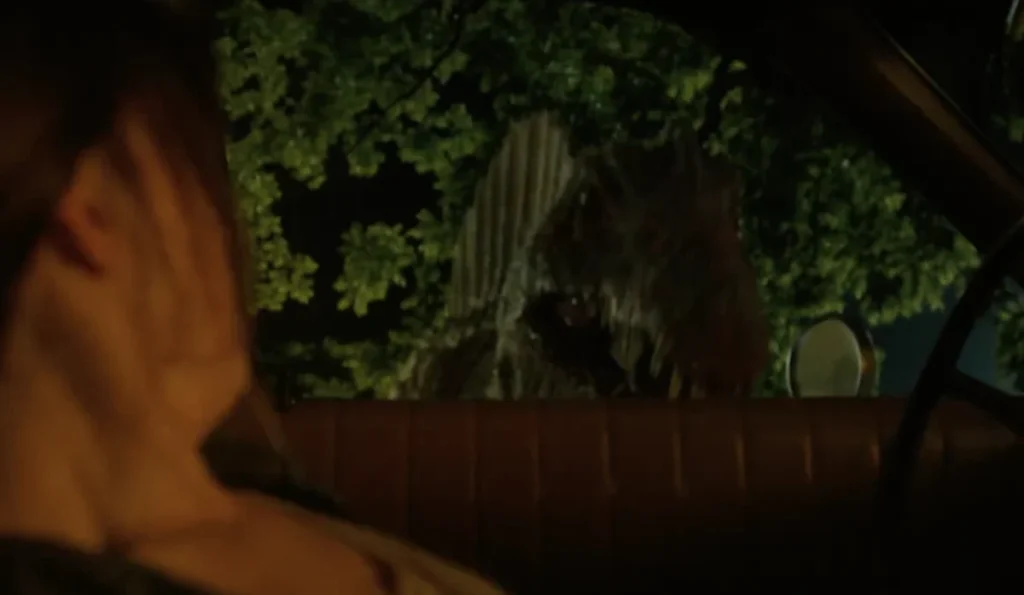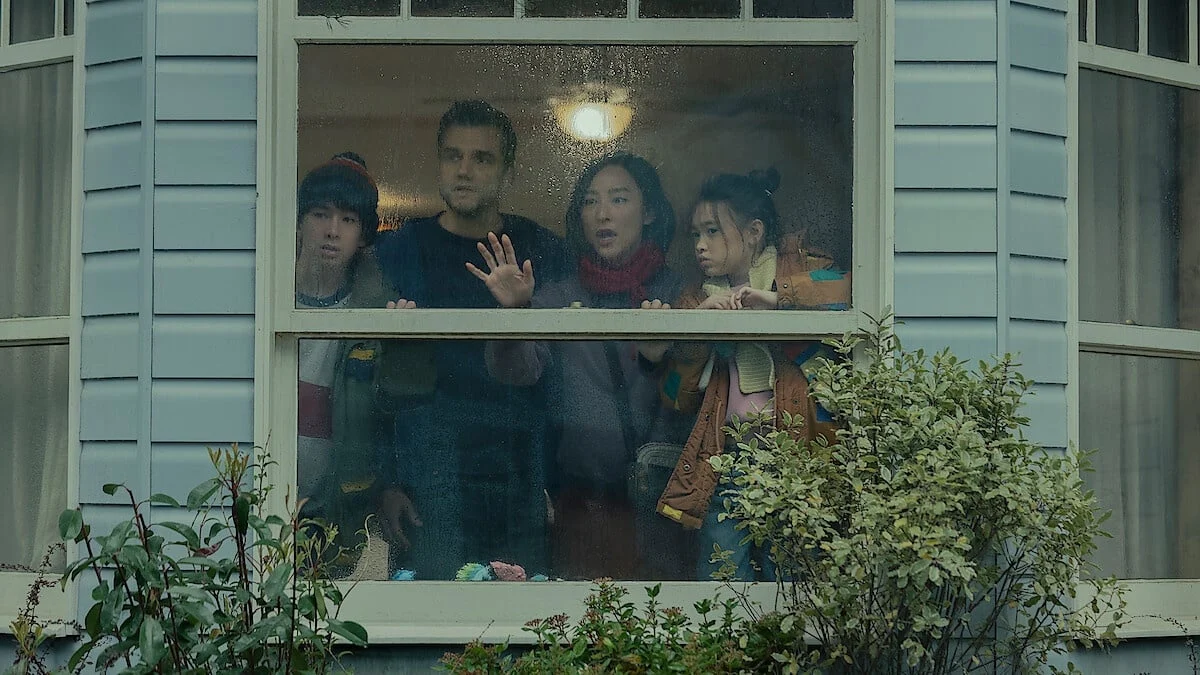
Netflix has officially announced that the highly anticipated sci-fi thriller The Last House, directed by acclaimed filmmaker Louis Leterrier, is slated for release on its streaming platform on August 7, 2026. The film, which promises to explore themes of isolation, resilience, and the unexpected horrors that can unfold within the supposed sanctity of one’s own home, features a compelling cast and a premise that has already generated considerable buzz within the genre community.
Premise and Plot Development
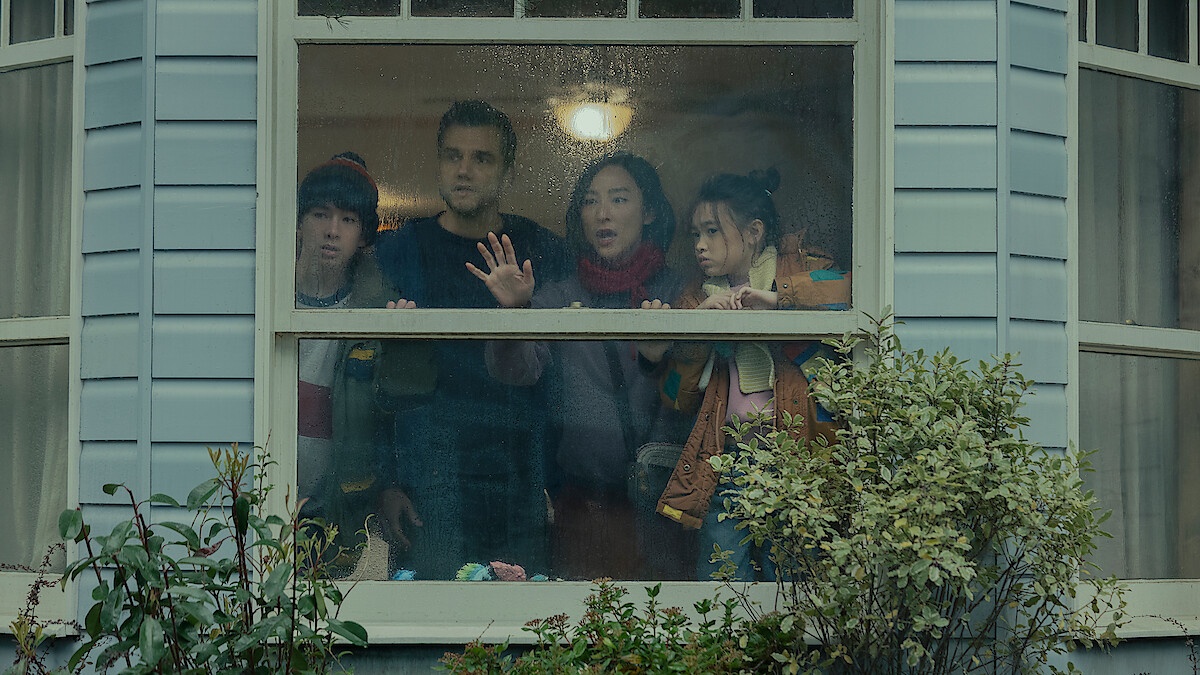
The Last House centers on a family of four who find themselves abruptly and inexplicably sealed within their residence. Cut off from the outside world with no discernible means of escape, the family must confront not only their rapidly diminishing resources but also a pervasive and mysterious threat that has trapped them. The narrative is poised to delve into the psychological toll of such confinement, the breakdown and rebuilding of familial bonds under extreme pressure, and the desperate measures individuals will take to survive when their environment becomes their prison. The core conflict arises from the dual challenge of managing the practical necessities of survival – food, water, and maintaining sanity – while simultaneously deciphering the nature of the external force that has imprisoned them. This duality of threat, both internal to their relationships and external in its unknown origin, suggests a narrative rich with suspense and psychological tension.
Key Cast and Performances
The film boasts a notable cast, headlined by Greta Lee, known for her recent work in A House of Dynamite, and Wagner Moura, recognized for his powerful performances in The Secret Agent. Their roles are central to anchoring the emotional core of the story, portraying the parents grappling with the immense responsibility of protecting their children amidst an unprecedented crisis.
Joining Lee and Moura are a talented ensemble of younger actors who will portray the children of the family. Riley Chung, who recently garnered attention for her role in The Hunger Games: The Ballad of Songbirds & Snakes, Emma Ho from The Baker, Noah Alexander Sosnowski, whose credits include Section 8, and Gabriel Barbosa, a cast member in the critically acclaimed May December, are set to bring depth and authenticity to the younger members of the trapped household. The dynamic between these characters is expected to be a significant driver of the film’s emotional impact, as the children’s perspectives and reactions to the unfolding events will undoubtedly shape the family’s collective experience.
Director’s Vision and Thematic Exploration
Louis Leterrier, a director with a proven track record in action and genre filmmaking, including The Transporter franchise and Fast X, brings his distinctive directorial style to The Last House. In comments provided to Tudum, Netflix’s official content hub, Leterrier elaborated on his vision for the film.
" The Last House challenges the idea of a safe haven, turning a family home into a hostile environment where survival demands unity," Leterrier stated. "This is an ordinary family’s worst nightmare, pushing them to their limits to protect each other and exposing the fragility of security – and the desperate fight to reclaim it."
This statement underscores the film’s ambition to transcend a simple survival thriller, aiming instead for a profound exploration of what constitutes safety and the inherent vulnerabilities of modern life. The concept of a home as a place of refuge being subverted into a source of danger is a potent metaphor for anxieties surrounding personal security and the unpredictability of external forces.
Actor Insights and Anticipation
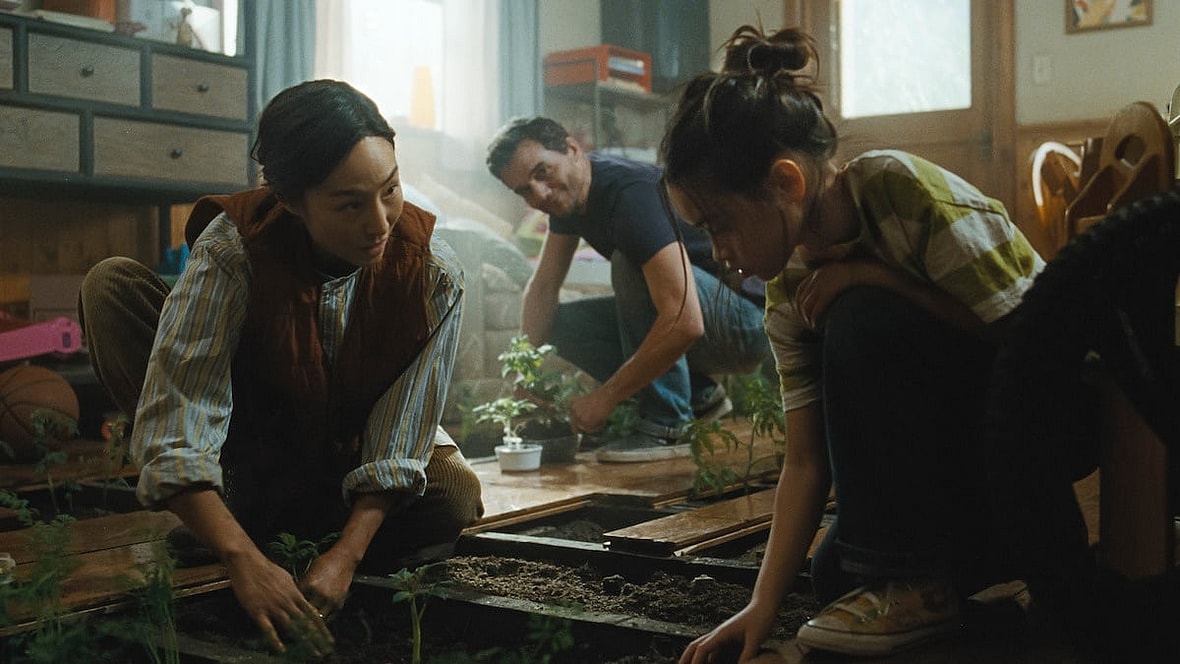
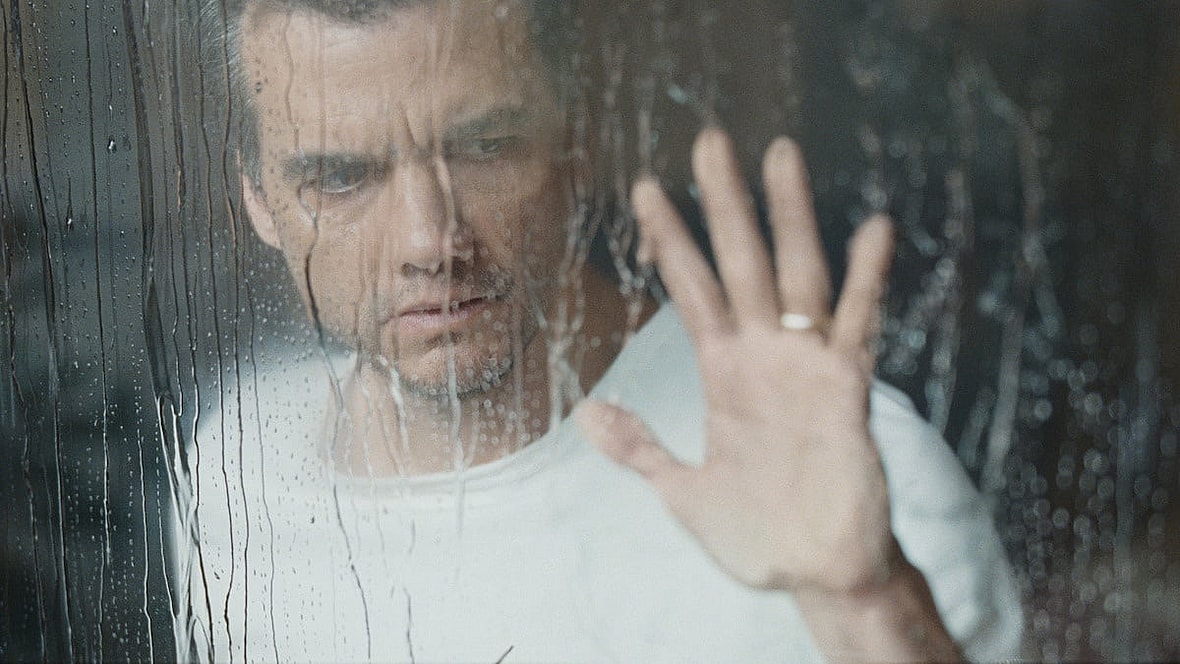
Wagner Moura shared his personal connection to the film’s premise, highlighting the immediate relatability of the situation. "I was so intrigued by the notion of what it might mean to wake up one day and be physically sealed in your home – and not even understand why," Moura told Tudum. "I think about how my own family would respond and handle something like that. I connected with the stakes of the film and the character on a deep level because of that." This personal resonance suggests that the performances will be grounded in genuine emotional truth, further immersing the audience in the family’s plight.
Moura also hinted at the intricate nature of the narrative, promising a viewing experience that will keep audiences guessing. "The storyline will evolve in ways that the audience certainly will not expect, but that is what makes this film so interesting," he added. "There are layers and twists that I can’t wait for everyone to see." This foreshadows a film that is not only suspenseful but also structurally complex, likely featuring unexpected plot developments and a narrative that rewards close attention.
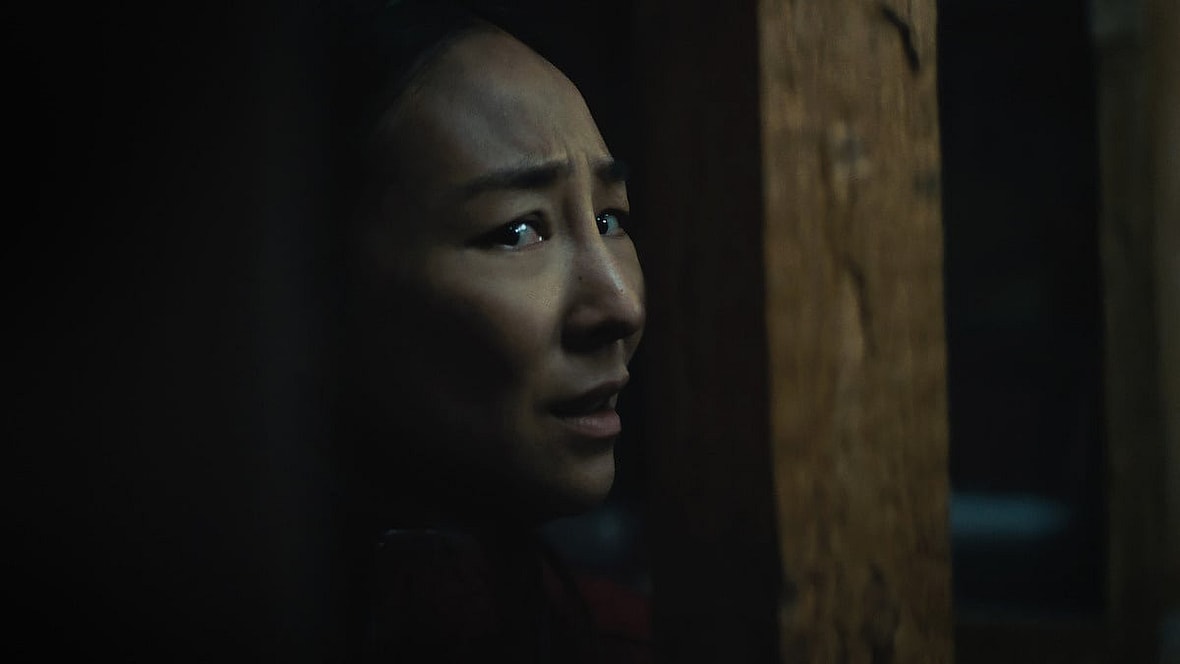
Greta Lee echoed this sentiment, offering a tantalizing tease for potential viewers. "All I can say is – you are definitely in for a surprise," Lee stated. "And I can’t wait for you all to see it." This brief but impactful statement contributes to the growing anticipation, suggesting that The Last House aims to deliver a memorable and impactful cinematic experience that deviates from conventional genre tropes.
Production and Release Context
The announcement of The Last House‘s release date places it within the competitive summer streaming landscape of 2026. Netflix has historically leveraged this period for significant genre releases, and the sci-fi thriller format often performs well with a broad global audience. The film’s genre and premise align with a trend of high-concept thrillers that explore societal anxieties and offer compelling character-driven narratives within fantastical or heightened realities.
Leterrier’s involvement is a significant draw. His directorial credits demonstrate a capacity for crafting commercially successful and visually dynamic films. Following The Last House, Leterrier is slated to direct the Apple+ series Liminal, indicating his continued engagement with genre storytelling across different platforms. This demonstrates a strong creative momentum and a focused approach to developing projects that resonate with contemporary audiences.
Broader Implications and Industry Analysis
The release of The Last House on Netflix is significant for several reasons. Firstly, it highlights the streaming giant’s continued investment in original genre content, a strategy that has proven effective in attracting and retaining subscribers. The sci-fi thriller genre, in particular, offers a broad appeal, capable of drawing in viewers who appreciate suspense, imaginative storytelling, and thought-provoking themes.
Secondly, the film’s premise, which centers on domestic confinement and external threats, taps into a contemporary zeitgeist marked by increased awareness of societal vulnerabilities and the fragility of established comforts. The "home as a trap" narrative has resonated with audiences across various media, often serving as a powerful allegory for feelings of powerlessness or being overwhelmed by circumstances beyond one’s control.
The success of The Last House could influence future Netflix acquisitions and productions, potentially signaling a greater appetite for contained thrillers that rely on strong performances and intricate plotting rather than large-scale action sequences. The film’s ability to deliver both suspense and thematic depth will be crucial to its reception.
Furthermore, the casting of Greta Lee and Wagner Moura, both respected actors with diverse filmographies, elevates the film’s profile and suggests a commitment to quality storytelling that transcends typical genre fare. Their performances, coupled with Leterrier’s directorial vision, position The Last House as a potentially significant entry in the 2026 film slate.
The strategic release date in August, often a period of high viewership for streaming services as audiences seek entertainment during summer months, further underscores Netflix’s confidence in the film’s potential to capture a substantial audience. The platform’s ability to distribute The Last House globally from day one offers a distinct advantage over traditional theatrical releases, allowing for immediate and widespread access to the film. The marketing campaign leading up to the August 7, 2026 release will undoubtedly play a critical role in shaping audience expectations and driving initial viewership. As more details emerge, the film’s potential impact on the streaming landscape and the broader sci-fi thriller genre will become clearer.