The enduring mystery surrounding Wes Craven’s 2005 werewolf film, Cursed, has long fueled speculation among horror aficionados. For years, whispers of a drastically different, original cut—often referred to as the "Craven Cut"—have circulated, leading to fervent hopes for its eventual release. However, according to critic and industry veteran Brian Collins, who has personally viewed an unfinished workprint of this elusive version, those hopes are likely to remain unfulfilled. Collins asserts that the fundamental issue is not a matter of studio withholding a finished product, but rather that the original iteration of the film was never completed in the first place.
The Unfinished Vision: A Director’s Cut That Never Was
Speaking on the "Best Movies Never Made" podcast, Collins clarified a common misconception about the original Cursed. Many fans envision a fully realized director’s cut, locked away in a vault, awaiting restoration and release. This, Collins explains, is a misinterpretation of the film’s production history. The version featuring Skeet Ulrich in a prominent role, which predates the extensive reshoots and retooling that ultimately shaped the released film, was only partially filmed.
"The thing about the original version, and for this we’re talking about the version with Skeet Ulrich," Collins stated, "is that they never finished filming it. It was never completed… the movie was about, I think, 85 to 90% finished shooting when they decided to shut down and retool it." This critical distinction means that what remains is not a coherent, albeit different, film waiting to be unveiled, but a substantial work in progress that lacked a definitive conclusion.
A Narrative Interrupted: The Literal Cut-Off Climax
The implications of an unfinished production are profound, particularly concerning the film’s narrative arc. While extensive reports have detailed Dimension Films’ significant reshoots and script revisions that fundamentally altered the film’s plot and characters, Collins reveals a starker reality for the original footage: the ending was never filmed at all. This absence of a climax means that even a hypothetical release of the original footage would present an incomplete cinematic experience.
"People are always like, ‘Oh, can we get the original cut released?’ Well, the thing is, it’s not finished. So it’ll never be a satisfying thing, and you can’t even graft on the ending that they did make because it’s [a completely] different context at this point," Collins elaborated. The surviving workprint of the original version literally grinds to a halt moments before the film’s intended denouement. According to Collins’ account, the footage concludes as the protagonists enter the film’s wax museum nightclub, having deduced that the werewolf is within its confines. "The cut just stops right there," he explained. "There’s no climax."
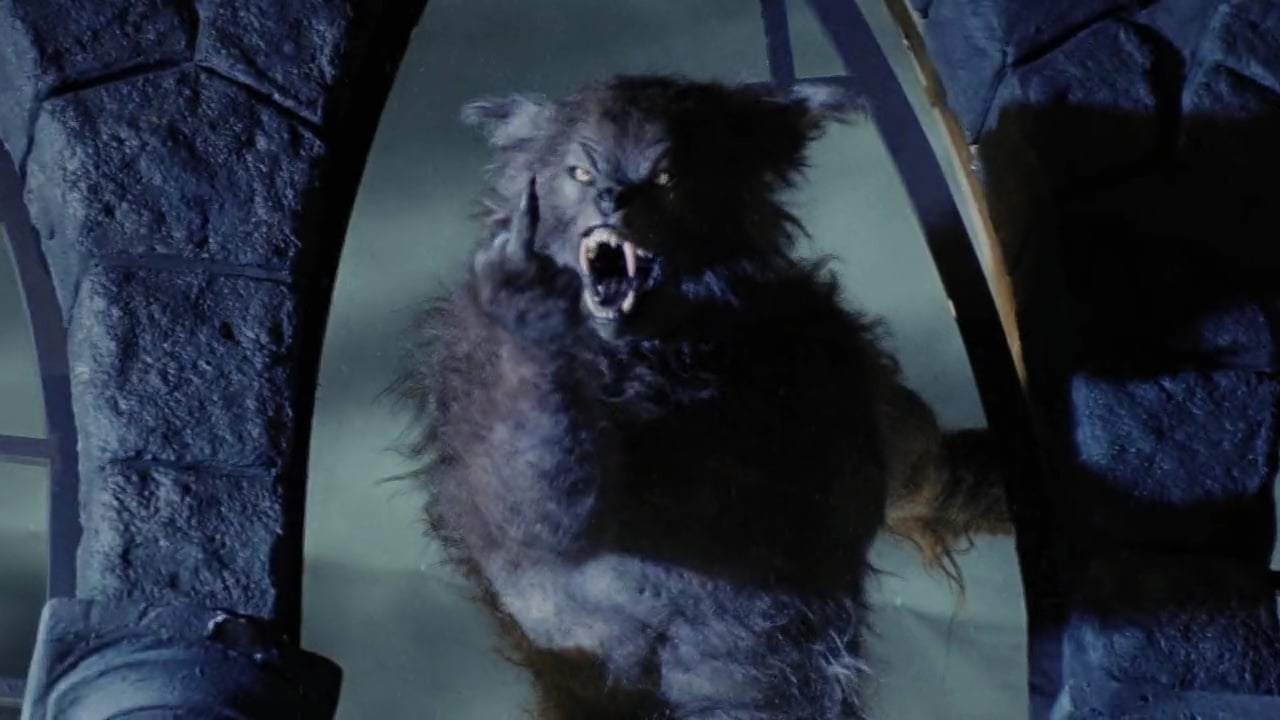
The inability to simply append the ending from the released 2005 version further underscores the radical divergence between the two iterations. As Collins humorously pointed out, "You couldn’t use the climax that they did shoot because Skeet would all of a sudden morph into Pacey," referencing Josh Jackson, who replaced Skeet Ulrich during the extensive reshoots. This illustrates the profound character and narrative shifts that occurred, rendering the original footage incompatible with later additions.
A Shift in Dynamics: From Strangers to Siblings
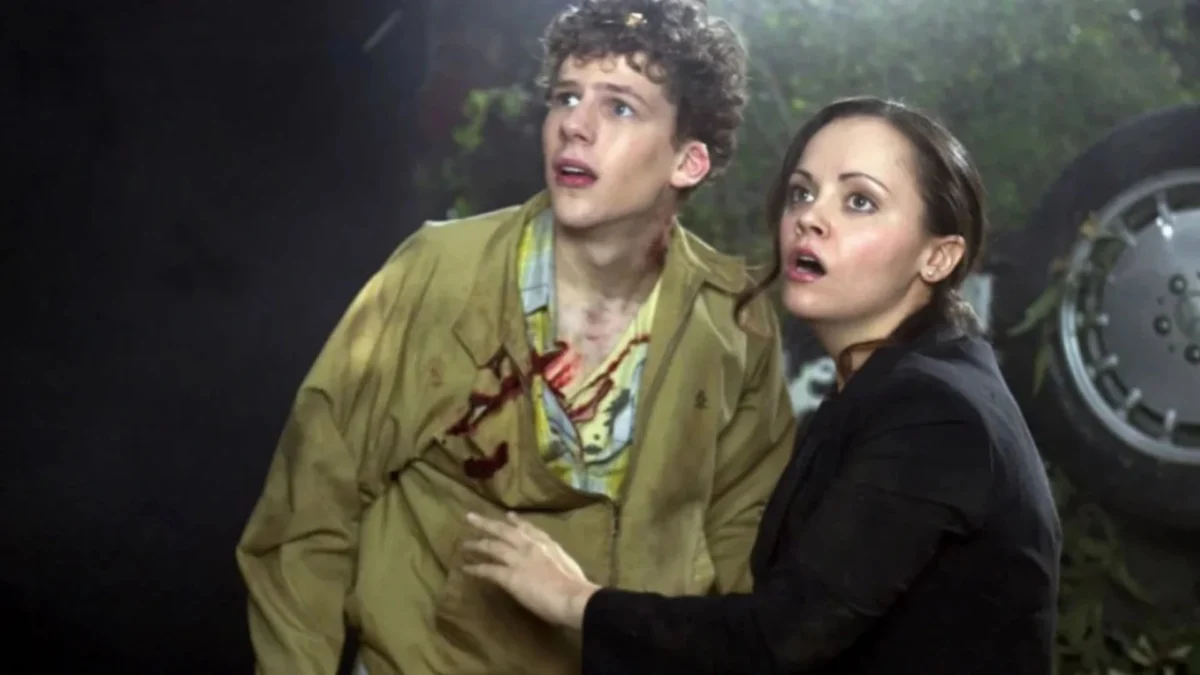
Beyond the structural incompleteness, the original vision of Cursed also featured a dramatically different character dynamic, particularly concerning the relationships between the film’s central figures. Collins revealed that Jesse Eisenberg and Christina Ricci’s characters were not siblings in the initial conception of the film.
"In the original version, Jesse Eisenberg’s character and Christina Ricci’s character are not siblings. They don’t even know each other, and they do not interact until pretty much this scene," Collins stated. "It’s very much… a three-hander about Skeet, Jesse, and Christina." This revelation aligns with earlier information about the initial screenplay, which reportedly focused on three unrelated individuals whose lives become entangled following a werewolf attack. The subsequent retooling not only altered the plot but also fundamentally reshaped the core relationships, transforming the narrative into one centered on familial bonds.
The implications of this shift are significant for understanding the creative process behind Cursed. The original concept, as described by Collins, appears to have been a more conventional thriller focusing on intertwined destinies, whereas the final released version leaned into a more character-driven, sibling-centric narrative. This suggests that the studio’s decision to retool the film aimed to create a more accessible and perhaps emotionally resonant story, albeit at the cost of the original director’s vision and a completed production.
The Fabled "Craven Cut": An Impossibility, Not a Secret
Given these revelations, Collins remains firm in his assessment that a "Release the Craven Cut" campaign is ultimately misguided. "It’s not a satisfying thing to watch. It’s an interesting thing to watch… and for the people that are like, ‘When is it gonna get released?’ Never, because it’s just not a complete movie." His perspective reframes the "lost cut" not as a hidden gem, but as a testament to a production that faltered before its intended completion.

A Glimmer of Hope: An Alternate Ending’s Potential
While the original, unfinished version of Cursed is unlikely to ever see the light of day, Collins offered a more promising prospect: the potential release of an alternate ending filmed during the extensive reshoots involving Josh Jackson. This alternate ending, which Collins believes is superior to the one ultimately used in the 2005 release, underwent testing.
"There is another ending for the version that they did release, and I do wish that could come out because it’s a better ending," Collins expressed. "It’s an ending from the reshoot with Josh Jackson. And the ending even tested fairly well, and Weinstein still decided to redo it, and then it tested worse, and then they went with the new one anyway."
This account provides crucial context to the notoriously troubled production history of Cursed. While fans and critics have long speculated about alternative endings, Collins’ statement about the testing success of an earlier reshot ending, only to be discarded in favor of another revision, adds a layer of intrigue. Existing narratives have alluded to an earlier reshot ending receiving stronger audience reception, but specific details have remained elusive. The possibility of this alternate ending emerging offers a tangible, albeit limited, glimpse into the film’s tumultuous development.
The Legacy of a Troubled Production
Released in 2005, Cursed was intended to be a reunion of horror icons Wes Craven and Kevin Williamson, who had previously collaborated successfully on the Scream franchise. The film’s premise followed a werewolf loose in Los Angeles, whose attack on three young adults sets them on a path to confront their attacker and avert their own lycanthropic fates. Despite the pedigree of its creators, the film’s production was plagued by extensive reshoots, script changes, and directorial challenges.
The reported budget for Cursed was approximately $38 million, but its worldwide gross barely reached $29.6 million, marking it as a significant box office disappointment. However, the film’s troubled journey from script to screen has cemented its status as one of horror cinema’s most discussed "what if?" scenarios. The debate over its potential, had it been allowed to proceed in its original form, continues to resonate within the horror community. The insights provided by Brian Collins offer a definitive answer to one of the most persistent questions surrounding the film: the "Craven Cut" remains an unfinished dream, while a potentially more satisfying alternate ending might still surface, offering a small but significant piece of this legendary production’s history.