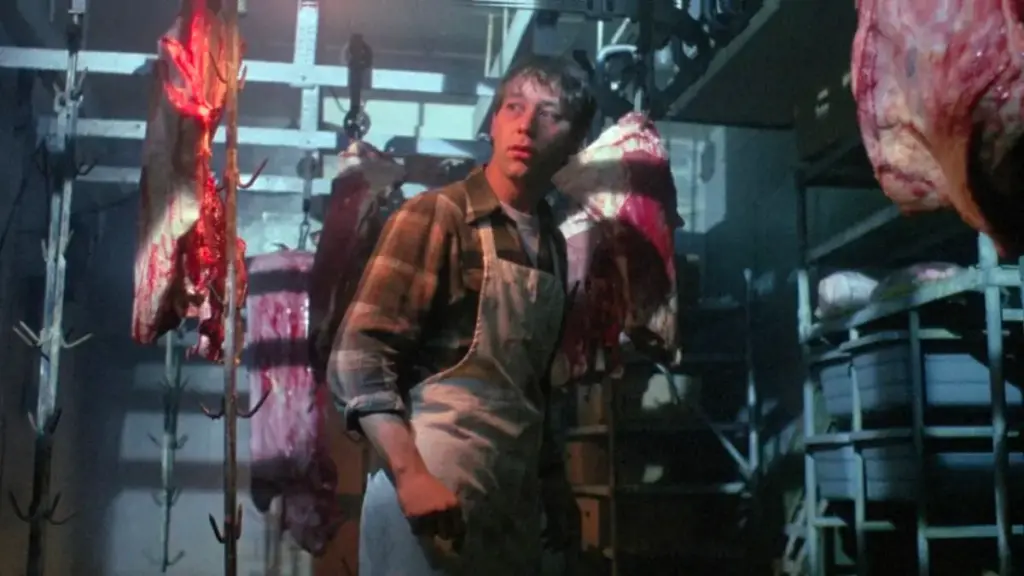
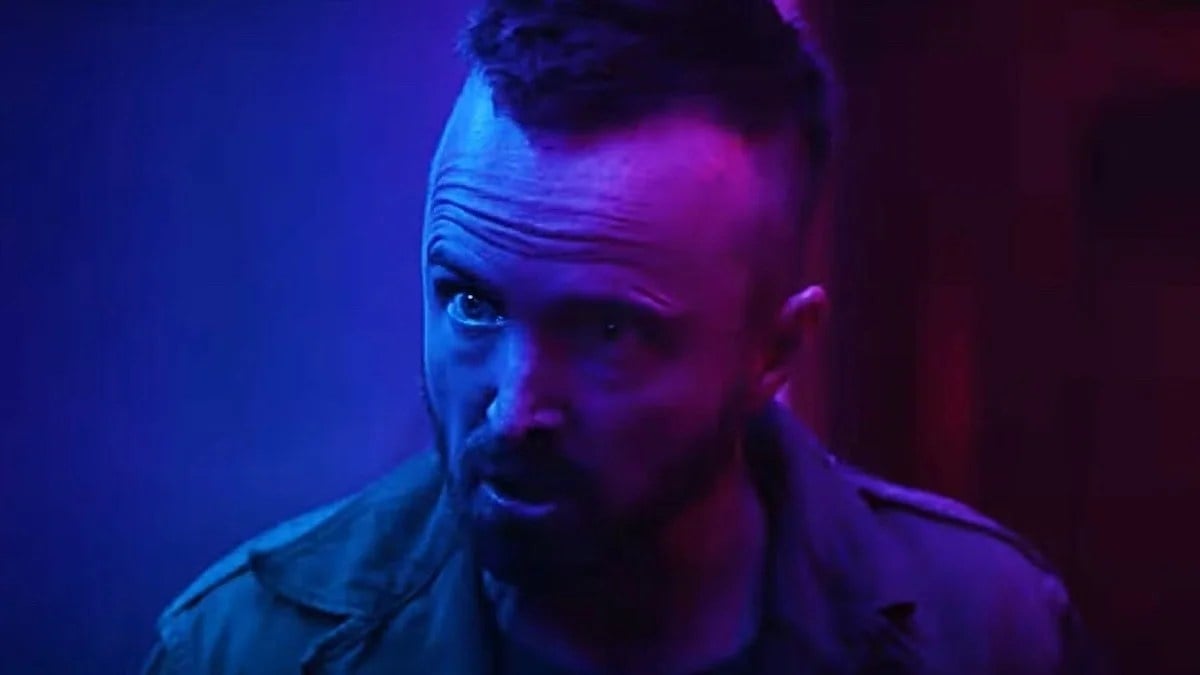
According to a recent report originating from Feature First, acclaimed actor Aaron Paul, widely recognized for his transformative performances in Breaking Bad and the chilling remake of The Last House on the Left, has been cast in a role within DC Studios’ upcoming Clayface cinematic venture. While details surrounding his specific character remain undisclosed, sources close to the production indicate that Paul’s involvement will be a brief, minor appearance, suggesting fans should not anticipate a central or significant presence for his character in the film.
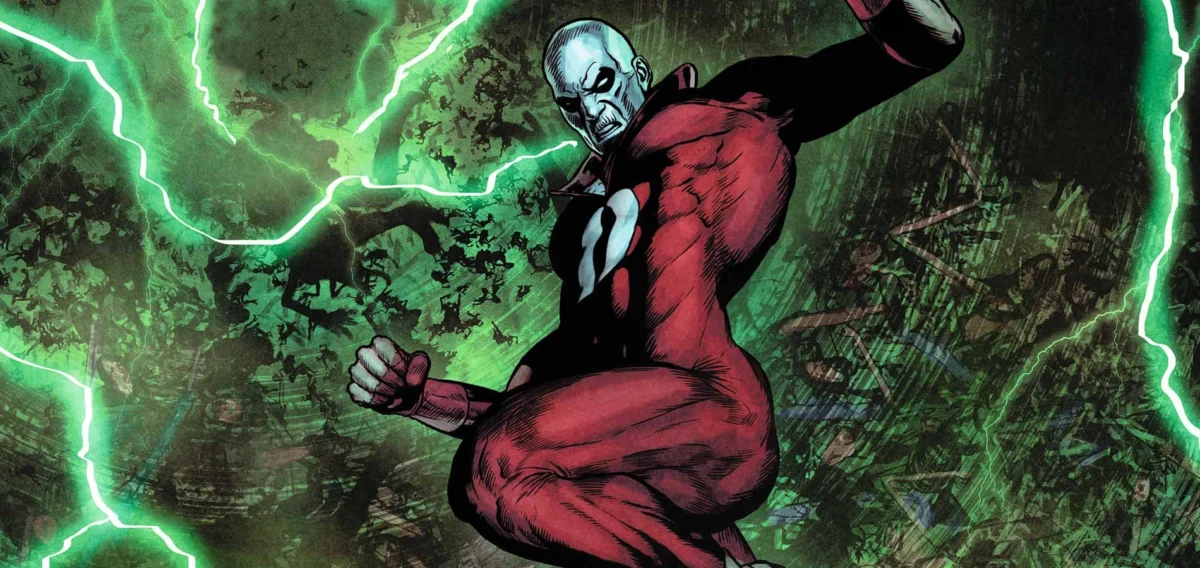
This casting news has, however, predictably fanned the embers of a long-standing fan theory that has circulated within the dedicated DC fandom for years: the persistent speculation that Aaron Paul is the ideal candidate to portray the enigmatic character of Deadman.
Long before James Gunn’s vision for the new DC Universe (DCU) began to solidify into concrete plans, enthusiasts of DC Comics consistently identified Paul as a compelling choice for the spectral hero, Boston Brand, also known as Deadman. This character, a former trapeze artist who meets a tragic end, is defined by his sarcastic wit, a deeply poignant backstory, and the extraordinary ability to possess the bodies of the living, allowing him to solve the mystery of his own murder. The perceived resonance between Paul’s acting prowess and the character’s complex emotional and psychological landscape has fueled this fan casting for a considerable period.
Exploring Character Synergies and Fandom Speculation
It is crucial to contextualize the current fan speculation by examining the existing narrative threads within DC Comics. Historically, there is no significant or established deep-rooted connection between Deadman and Clayface within the comic book canon. Clayface, a prominent adversary of Batman, typically anchors stories that delve into themes of identity crisis, profound transformation, and visceral body horror. His narrative arcs often explore the psychological torment of losing one’s sense of self and the grotesque physical manifestations of that internal struggle. In contrast, Deadman operates within a more esoteric and supernatural segment of the DC Universe, frequently interacting with characters like John Constantine and other practitioners of magic and the mystic arts.
Despite these divergent narrative spheres, a subtle thematic overlap exists between the two characters. Both Deadman and Clayface grapple with profound issues of form and identity. Clayface’s primary ability is shapeshifting, allowing him to mimic any appearance, thereby blurring the lines of his own true self. Deadman, through his spectral possession, can inhabit any living being, experiencing their lives and perspectives, which also raises questions about selfhood and the boundaries of personal identity. This thematic resonance, however tenuous, provides a foundation for the fan theory linking Paul’s casting to a potential future introduction of Deadman within the burgeoning DCU.
The Clayface Film: A Deep Dive into Horror and Transformation
The Clayface film itself has been positioned as a significant departure for DC Studios, leaning heavily into the horror genre. Announced as a straight-up body-horror film, it is set to star Tom Rhys Harries as a struggling B-movie actor who, in a desperate bid to advance his career, consumes a mysterious substance. This act results in a horrifying transformation, leaving him irrevocably turned into a living being composed entirely of clay.
The official synopsis for the film elaborates on this terrifying premise: "Clayface tells the terrifying descent into hell of a promising Hollywood actor who has become a monster driven by revenge. An intense story that explores the loss of identity and humanity, the ravages of corrosive love, and the dark side of scientific ambition." This description suggests a narrative that will explore profound psychological and physical horror, drawing comparisons to classic films such as David Cronenberg’s The Fly and Robert Zemeckis’s Death Becomes Her, albeit with a decidedly darker, non-comedic tone. The film has been described as chilling, haunting, and darker than most previous DC cinematic endeavors, signaling a bold new direction for the studio.
The directorial helm for Clayface has been entrusted to James Watkins, known for his work on The Woman in Black and Speak No Evil. The screenplay is a collaboration between celebrated horror writer Mike Flanagan, whose credits include The Exorcist (a project he was attached to but later departed), The Haunting of Hill House, and Doctor Sleep, and Hossein Amini, the screenwriter behind the critically acclaimed film Drive. The cast also features Max Minghella, known for his role in Spiral: From the Book of Saw, and Naomi Ackie, who has garnered attention for her performances in Blink Twice.
The film’s planned release date is October 23, marking it as a significant entry in the upcoming slate of DC Studios projects. James Gunn, co-head of DC Studios, has previously clarified that Clayface is intended to be a full-blown horror movie, underscoring the studio’s commitment to exploring diverse genre territories within its superhero universe.

Analyzing the Implications of Aaron Paul’s Minor Role
The current information regarding Aaron Paul’s involvement in Clayface is limited to his participation in a minor capacity. The precise nature of this role remains a subject of intense speculation. It could range from a brief, impactful cameo that serves a specific narrative purpose within the Clayface story, to a more substantial supporting character that, while not central, plays a crucial role in the plot. Alternatively, and perhaps most tantalizingly for fans, this minor role could serve as an introduction or a subtle nod to a larger future role within the interconnected DCU that James Gunn and Peter Safran are meticulously building.
The persistent fan association of Aaron Paul with Deadman, while currently unsubstantiated by any official reports, highlights the anticipation and hope within the fandom for certain beloved characters to be brought to life by actors they believe are perfectly suited for the roles. Deadman, with his unique blend of pathos, supernatural abilities, and potential for compelling character development, represents a character ripe for exploration in a cinematic universe that is embracing a wider range of tones and genres.
The Broader Context of DC Studios’ New Era
Aaron Paul’s casting, even in a minor capacity, within a DC Studios production signifies the studio’s continued effort to attract top-tier talent to its burgeoning cinematic universe. The selection of actors with proven track records and significant fan followings, such as Paul, is a strategic move to generate buzz and ensure a high level of audience engagement. The Clayface film itself, with its explicit horror genre focus and a creative team known for their work in the genre, represents a significant step in DC Studios’ ambitious plan to diversify its offerings and appeal to a wider demographic of filmgoers.
The success of this approach hinges on the studio’s ability to balance established character narratives with fresh, genre-bending explorations. The Clayface film, as a body-horror narrative, has the potential to be a critical and commercial success, demonstrating the viability of more niche and darker storytelling within the superhero landscape. Whether Aaron Paul’s brief appearance in this film serves as a standalone moment or a precursor to a more significant role in the future remains to be seen, but it undoubtedly adds another layer of intrigue to an already anticipated project and continues to fuel the passionate discussions within the DC fandom. The coming months will likely bring further details about the film’s production and potentially shed more light on the nature of Paul’s contribution to this dark and transformative DC narrative.