Set against the rugged, mist-shrouded backdrop of Snook’s Arm, Newfoundland, the six-part limited series Below, created by Jesse McKeown, marks a significant entry into the subgenre of Canadian aquatic horror. The production, which recently premiered its initial episodes, focuses on the intersection of socio-economic instability and existential terror. By weaving together the historical reality of outport relocation with the tropes of creature-feature cinema, the series attempts to elevate the standard "monster in the deep" narrative into a more sophisticated, character-driven study of grief and isolation.
The Socio-Economic Context of Snook’s Arm
The narrative foundation of Below is rooted in the very real, often painful history of Newfoundland’s outport communities. In the mid-20th century, the provincial government initiated a series of relocation programs aimed at centralizing the population to reduce the cost of providing public services to remote coastal villages. This historical trauma serves as the primary conflict in the series: the residents of Snook’s Arm are once again being pressured to abandon their ancestral homes.
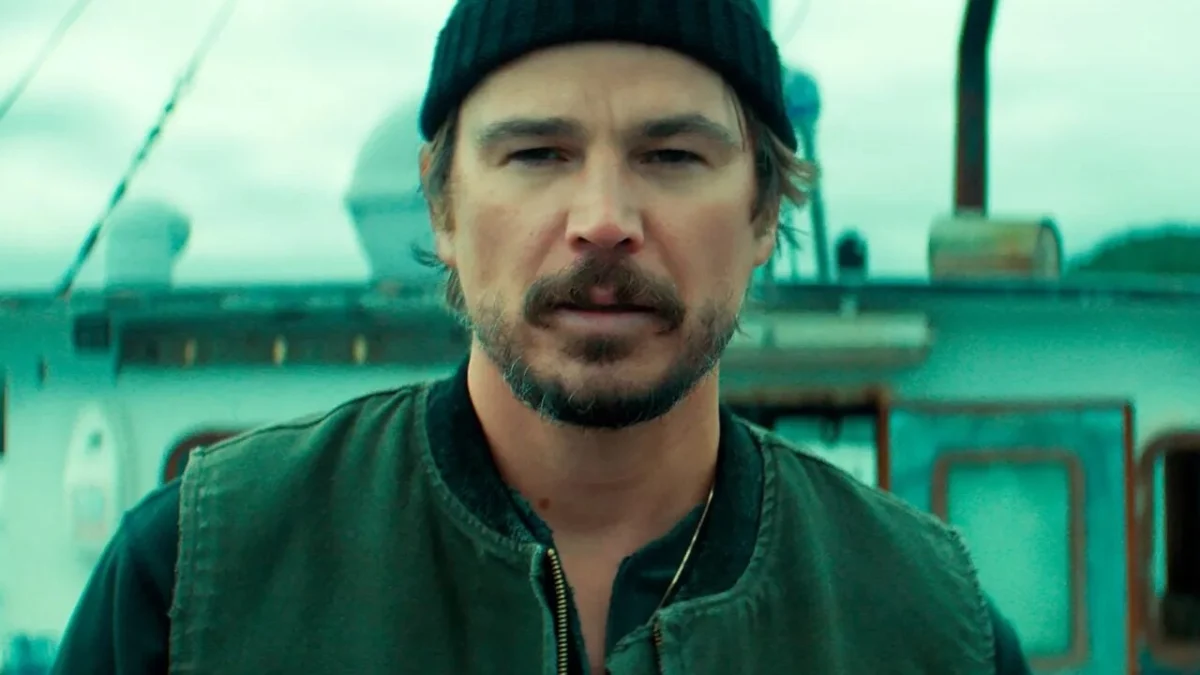
The government’s proposed buyout offers a significant financial incentive—contingent upon a 75% approval vote—to persuade the community to relocate. This tension provides a gritty, realistic layer to the story, grounding the supernatural threats in a world of genuine human vulnerability. Calvin (played by Josh Hartnett), a widower and fisherman, serves as the audience’s entry point into this struggle. His resistance to the relocation, shared by his sister Ruth (Willow Kean), represents the deep-seated cultural attachment to the land and sea that defines the region’s identity.
Chronology of the Narrative
The series begins during "Come Home Week," a traditional Newfoundland celebration designed to reunite families who have migrated elsewhere for work. This provides a natural catalyst for bringing the ensemble cast together. The timeline of the narrative is structured as follows:
- The Prologue: The series opens with a traumatic flashback in which a young Calvin witnesses the death of his father during the dangerous, archaic practice of towing a family home across the water—a historical reality for many Newfoundlanders.
- The Inciting Incident: As the festivities begin, a series of unexplained disappearances and anomalous biological findings—such as a piece of ice saturated in high concentrations of ammonia—alert local oceanic scientist Fonda (Mackenzie Davis) to an environmental catastrophe.
- The Escalation: The first episode concludes with a violent, visceral encounter between the townspeople and an unknown aquatic entity, signaling a shift from a drama about economic displacement to a survival horror scenario.
- The Supernatural Pivot: By the second episode, the series pivots toward psychological horror, incorporating visual elements that suggest the threat is not merely a biological specimen but something more ethereal and malevolent.
Character Dynamics and Ensemble Performance
While the creature remains the primary antagonist, the efficacy of Below relies heavily on its ensemble cast. The series avoids the common pitfalls of genre television by prioritizing character development over spectacle.
Josh Hartnett’s portrayal of Calvin is central to the show’s success. The character is depicted as a man burdened by the weight of fatherhood and the crushing reality of his economic circumstances. Hartnett’s return to a leading role in a prestige limited series follows his recent turn in M. Night Shyamalan’s Trap, signaling a potential renaissance in his career. Supporting performances by Charlie Heaton (as Calvin’s son, Wade), Rohan Campbell, and Ruby Stokes add layers of intergenerational conflict, while the inclusion of genre veteran Natasha Henstridge adds a level of gravitas to the ensemble. The chemistry between these actors creates a sense of community that makes the subsequent intrusion of the monster feel more personal and tragic.
Technical Craft and Atmospheric Direction
Visually, Below utilizes the natural landscape of the Atlantic coast to heighten its sense of dread. The production team employs a color palette dominated by slate grays, deep blues, and the omnipresent, suffocating mist that defines the region. The setting itself acts as a character, with decrepit, salt-worn buildings and creaking vessels reinforcing a sense of decay and abandonment.
![‘Below’ Review: An Atmospheric Sea Monster Tale Kept Afloat by a Bounty of Charismatic Performances [TIFF]](https://www.dreadcentral.com/wp-content/uploads/2026/07/below-Josh-Hartnett-071326-b262ea31f4fc467a89d33279fa15354f-e1789239501235.jpg)
The directorial approach leans into "slow-burn" horror, drawing aesthetic parallels to John Carpenter’s The Fog. By focusing on the isolation of the village, the series emphasizes the helplessness of the residents. The transition from physical, creature-based scares to the psychological, supernatural visions of the second episode suggests a narrative ambition that aims to transcend the boundaries of standard maritime horror.
Industry Implications and Market Position
Below arrives at a time when the demand for high-quality, regionally specific horror is at an all-time high. Netflix, the distributor for the series, has increasingly invested in international and localized storytelling to cater to a global audience interested in "folk horror" and atmospheric suspense.
The series faces the challenge of differentiating itself in a crowded marketplace populated by successful aquatic horror titles. However, by anchoring the terror in the specific, documented history of Newfoundland’s outport relocations, Below offers a layer of authenticity that is often missing from similar projects. The decision to limit the series to six episodes suggests a contained, tightly plotted story that avoids the pacing issues inherent in longer-form television.
From a critical standpoint, the success of the series will likely hinge on whether it can maintain the balance between its social commentary and its horror elements. If the supernatural aspects can be as well-developed as the human drama, Below could stand as a defining entry in the modern Canadian horror canon.
Analysis of the Threat
The threat in Below appears to be dual-natured. On one hand, there is the immediate, visceral danger posed by the creature in the water—a beast of unknown size and origin that disrupts the local ecosystem. On the other, the "supernatural" manifestations—such as the haunting visions experienced by residents—suggest that the town’s history is inextricably linked to the entity.
This duality mirrors the tension between the modern, bureaucratic attempt to dissolve the town and the ancient, perhaps cursed nature of the environment. The "monster" acts as both a physical threat and a metaphor for the forces that have historically conspired to drive the people of Snook’s Arm from their homes. Whether the resolution of the series will favor a scientific explanation or lean into the metaphysical remains to be seen, but the setup effectively utilizes both to keep the viewer engaged.
Final Assessment
Below presents a compelling argument for the viability of prestige television in the horror space. By leveraging the charisma of a veteran lead like Josh Hartnett and the atmospheric potential of its Newfoundland setting, the series manages to overcome the inherent tropes of the genre.
The integration of local history with horror is a sophisticated touch, transforming the narrative from a mere survival story into a broader meditation on identity, loss, and the persistence of the past. As the industry continues to prioritize limited series that offer a complete, high-quality narrative arc, Below appears poised to be a significant addition to the genre landscape. Audiences looking for a blend of character-driven drama and atmospheric, chilling mystery will find the series a noteworthy endeavor that successfully navigates the depths of both human emotion and oceanic dread.