The cultural legacy of classic 1980s and 1990s cinema has long fostered a specific type of retrospective melancholy. Viewers often ponder the trajectories of beloved child protagonists—such as Elliott from E.T. the Extra-Terrestrial, Coraline Jones, Matilda Wormwood, or Chihiro Ogino—once their fantastical childhood adventures conclude. Left behind by magic nannies, alien visitors, and otherworldly realms, these fictional characters inherently invite speculation about adulthood. As cultural tropes suggest, the pinnacle of their lives occurred before maturity, frequently leaving them grappling with the mundane realities of grown-up existence.
This thematic exploration serves as the central premise for Allen, a new Netflix family film directed by Daley Pearson, co-founder of Ludo Studio, the Brisbane-based production company globally renowned for creating the hit animated series Bluey. Co-directed by Pearson and Jeffrey Walker and co-written with Sophie Miller, the feature-length project investigates the psychological weight of childhood wonder and the potential hazards of dwelling in the past.
Narrative Framework and Plot Dynamics
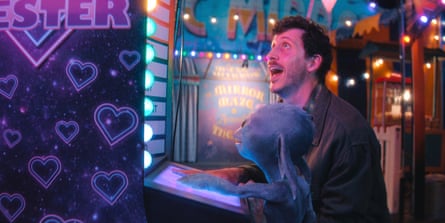
Set against the coastal backdrop of Coolum, a small town in Queensland, Australia, Allen follows a young protagonist named Petey, portrayed in adulthood by actor TJ Power. During his childhood, Petey encounters a friendly, bug-eyed extraterrestrial who struggles to pronounce the word “alien,” prompting the two to settle on the moniker “Allen.” For one blissful month, the pair become inseparable companions, bonding over shared cultural touchstones of the era, including Cheezels snacks, VHS tapes, and tabletop board games.
The idyllic era ends abruptly when Allen is summoned back to his home planet. Decades later, an adult Petey remains emotionally paralyzed, trapped in a state of arrested development characterized by an obsessive fixation on his past. This arrested state causes ongoing frustration among those around him until Allen unexpectedly returns, triggering a narrative arc that addresses unresolved grief, memory, and personal growth.

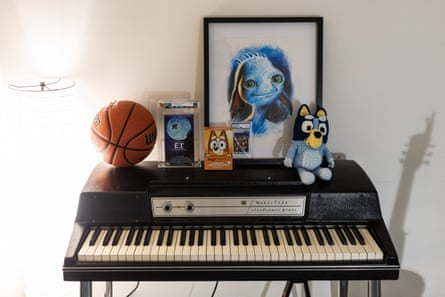
The film serves as an homage to the pop-culture landscape of Pearson’s youth, directly referencing iconic properties such as E.T., the Nightmare board game, Teenage Mutant Ninja Turtles, The Lion King, and Terminator 2. The opening sequence establishes this tone by panning through a meticulously curated archive of vintage media, toys, and games.
According to Pearson, the integration of these elements serves a dual purpose: celebrating the media of his generation while simultaneously interrogating the dangers of emotional stagnation. He describes the pop-culture onslaught of the 1980s and 1990s as a powerful corporate phenomenon that captivated children of the era, drawing parallels to a form of dependency engineered by media conglomerates.
Personal Tragedy and the Roots of Nostalgia
Beneath the veneer of a whimsical family comedy lies a deeply personal exploration of loss. When Pearson was 13 years old, his older brother, Liam, passed away from cancer at the age of 26. Pearson has rarely discussed this formative tragedy publicly, noting that the creative process of developing Allen allowed him to unpack the lingering psychological effects of the bereavement.
Liam’s death is fundamentally intertwined with Pearson’s enduring fixation on the artifacts of his early adolescence. Describing his brother as his closest companion, Pearson characterizes his creative and personal attachment to vintage media not merely as a hobby, but as an attempt to recapture a lost emotional safety net.
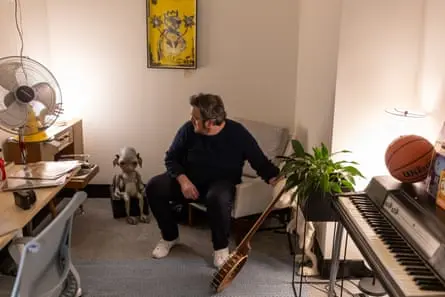
In his professional and personal life, Pearson’s reliance on old music, classic films, and preserved memorabilia reflects a broader struggle with grief. He acknowledges that surrounding himself with items from the Ludo Studio headquarters creates a connection to a timeline that no longer exists, likening the psychological impulse to an unconscious retreat into a protective bubble that was shattered prematurely.
This thematic preoccupation with an inability to let go extends beyond Allen. Pearson was also instrumental in bringing the 2022 breakout horror hit Talk to Me to the screen. Because Ludo Studio’s resources were heavily committed to the production of Bluey, Pearson passed the concept to Australian twin filmmakers Michael and Danny Philippou to direct. Reflecting on the thematic parallels between Talk to Me—which centers on grief and the refusal to accept loss—and his own creative output, Pearson noted the unintentional consistency across his projects regarding the human difficulty of processing sorrow.
Development Challenges and Technical Execution
The realization of Allen was a protracted undertaking, requiring years of intensive pre-production and technical innovation. Pearson noted the extensive timeline required to bring the title character to life, contrasting the multi-year creature development process with industrial manufacturing milestones.
Initially, Ludo Studio and Brisbane-based visual effects firm Formation Effects attempted to construct Allen as a physical animatronic puppet. However, the early prototypes yielded results that Pearson described as “frightening,” leading the team to pivot toward a hybrid approach. The final iteration of Allen utilizes a physical puppet combined with targeted digital visual effects to enhance facial expressions and physical mobility.
To maintain the character’s distinct emotional resonance, Pearson deliberately steered away from hyper-kinetic tropes associated with late-century cinematic creatures, avoiding the chaotic slapstick or aggressive physical comedy seen in properties like the Gremlins franchise or Star Wars character Jar Jar Binks. Instead, Allen was designed to be introspective and understated, a creative choice that required significant faith during the editing process before the character’s definitive voice work and subtle micro-expressions were fully integrated.
Industry Context and the Shadow of Bluey
The prolonged development cycle of Allen was also influenced by the immense operational demands of Ludo Studio’s flagship property, Bluey. Launched in 2018, the animated series has achieved unprecedented global acclaim, transforming the Brisbane studio into an international powerhouse. Despite the monumental success of Bluey, Pearson maintains a grounded perspective on the precarious nature of the entertainment industry.
Expressing humility regarding the show’s meteoric rise, Pearson notes that rather than instilling a sense of professional invulnerability, the global phenomenon has amplified the pressure on the studio. Operating outside major American entertainment hubs, the production team remains acutely aware of the competitive volatility of media creation, viewing each new project as a distinct test of audience engagement.
Reception and Dual-Audience Appeal
While Allen contains complex thematic underpinnings concerning grief, aging, and the pitfalls of nostalgia, Pearson emphasizes that the film remains accessible to younger audiences. He describes the core viewing experience for children as a straightforward, comedic adventure driven by a disruptive extraterrestrial character who subverts expectations through music and physical humor.
By balancing mature emotional subtexts with accessible physical comedy, the production team aims to deliver a multi-generational viewing experience. As Allen makes its debut on Netflix, Pearson’s overarching objective remains rooted in audience engagement, expressing a desire for viewers of all ages to connect with the humor and heart at the core of the narrative.