As the streaming landscape matures, the definition of what constitutes a permanent platform fixture is undergoing a fundamental reassessment, bringing significant changes to the catalog in 2027. While audiences have long grown accustomed to the cyclical licensing agreements that dictate the arrival and departure of third-party films and television series, the looming exit of titles officially branded as "Netflix Originals" represents a more complex shift. Industry analysts note that these impending departures are largely driven by the expiration of standard ten-year exclusive distribution agreements, the shifting economics of indie film acquisitions, and the reversion of co-production rights back to traditional network partners and external studios.
Although Netflix remains the undisputed giant of the subscription video-on-demand (SVOD) market, its early strategy of aggressively funding and licensing external productions to rapidly scale its library is now reaching critical maturity milestones. Between 2015 and 2018, the company heavily relied on deficit financing, co-productions with international broadcasters, and high-stakes acquisitions at festivals like Sundance to build its brand identity. As those initial decade-long contracts reach their natural conclusions, the intellectual property owners are increasingly weighing the benefits of reclaiming their assets. Consequently, a curated cohort of critically acclaimed dramas, animated series, and indie films faces potential removal beginning next year, highlighting the fragility of digital-only media preservation.
The Economics of Original Content Expirations
To understand why a Netflix Original might vanish from the platform, one must examine the intricate financial and legal frameworks governing modern entertainment distribution. When Netflix launched its original content push, the streaming pioneer often operated as a global financier or distributor rather than a traditional in-house studio. For many projects produced by major conglomerates—such as Sony Pictures Television, NBCUniversal, and the Australian Broadcasting Corporation—Netflix secured exclusive global or regional streaming rights for a fixed duration, typically set at ten years.
During this window, the platform marketed the titles heavily under its prestige "Netflix Original" banner, even though the underlying intellectual property and master tapes remained the property of the external production companies or parent studios. As these ten-year windows close, the original rights holders are presented with strategic choices: they can negotiate lucrative renewal fees with Netflix, license the content to competing platforms to maximize monetization, or integrate the titles into their own proprietary streaming ecosystems. In an era where legacy media companies have spent billions launching and maintaining their own direct-to-consumer apps, the incentive to pull valuable library assets back in-house has never been higher. This commercial reality underscores a growing challenge for modern cinephiles and television enthusiasts: digital accessibility is inherently transient, and even globally recognized cultural artifacts can become unavailable overnight if new licensing terms cannot be reached.
Key Titles Facing Contractual Expirations in 2027
A preliminary review of upcoming license expirations reveals that several foundational pillars of Netflix’s early prestige era are slated to leave the service throughout 2027. While these dates remain subject to modification should last-minute renewals be negotiated, the current timeline outlines a steady trickle of departures that will impact diverse genres.
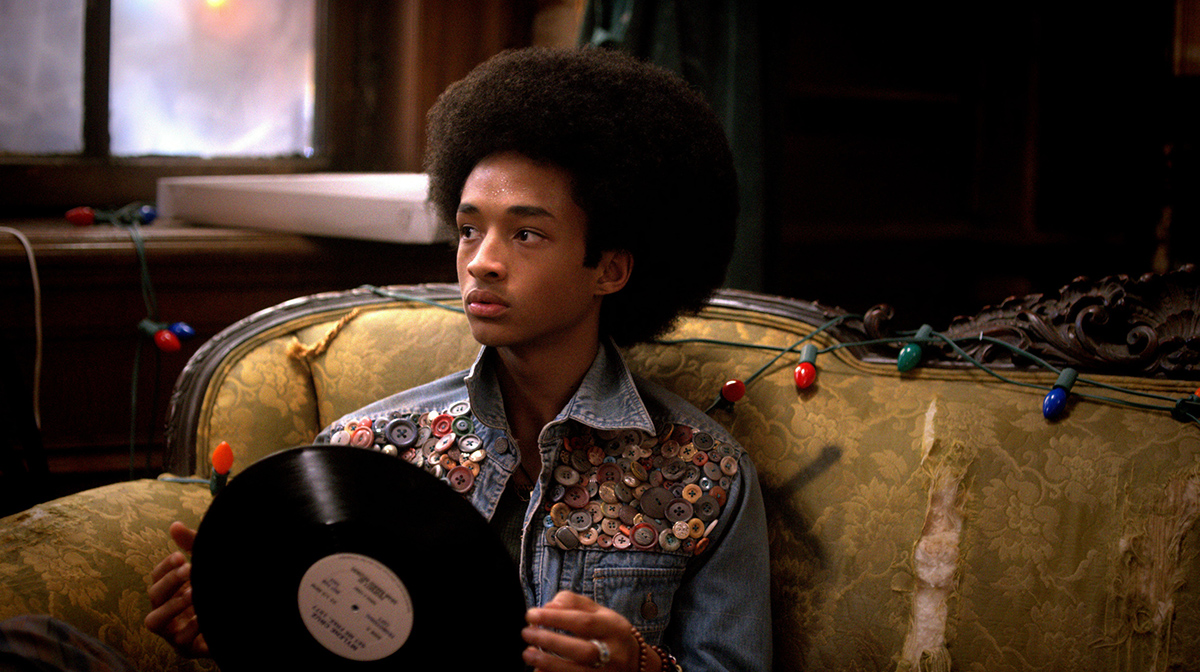
Among the earliest departures anticipated in the spring of 2027 is Baz Luhrmann’s ambitious musical drama The Get Down. Set against the gritty backdrop of 1977 New York City, the series explored the birth of hip-hop and punk through the eyes of South Bronx youths. Despite receiving widespread critical praise for its vibrant aesthetic and energetic soundtrack, the production was famously hampered by soaring production costs and creative delays. Sony Pictures Television, which produced the series, retained the underlying rights, and with the ten-year anniversary of the show’s final episodes arriving on April 7, 2027, the licensing window officially closes.
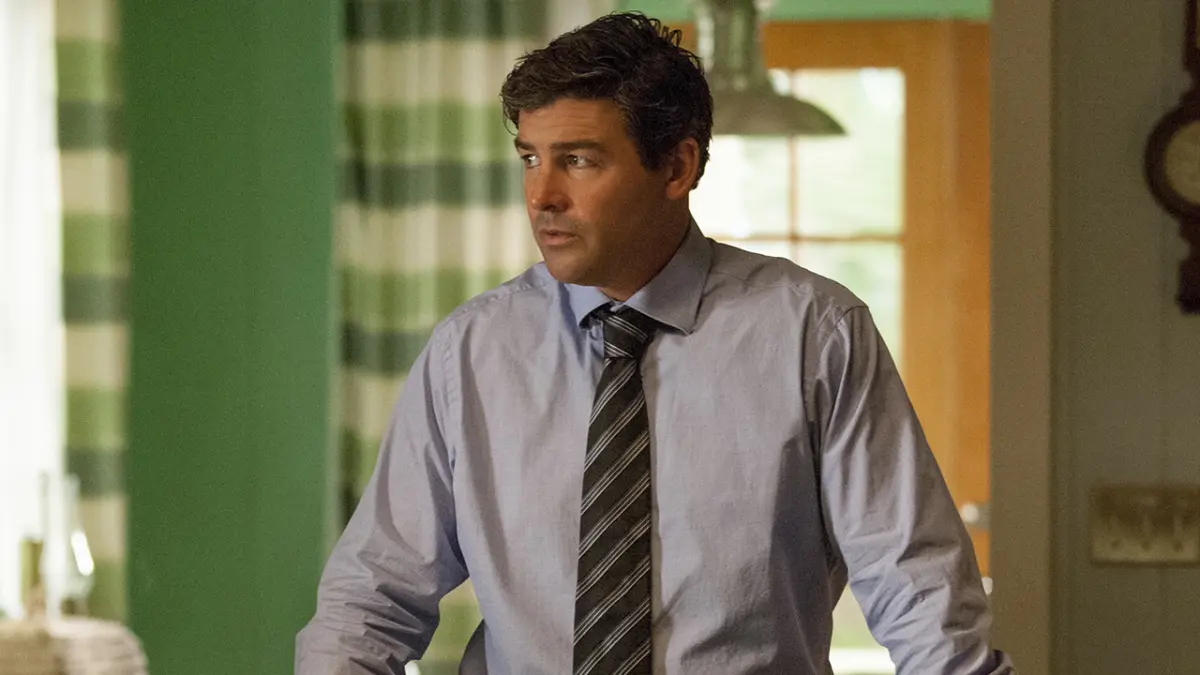
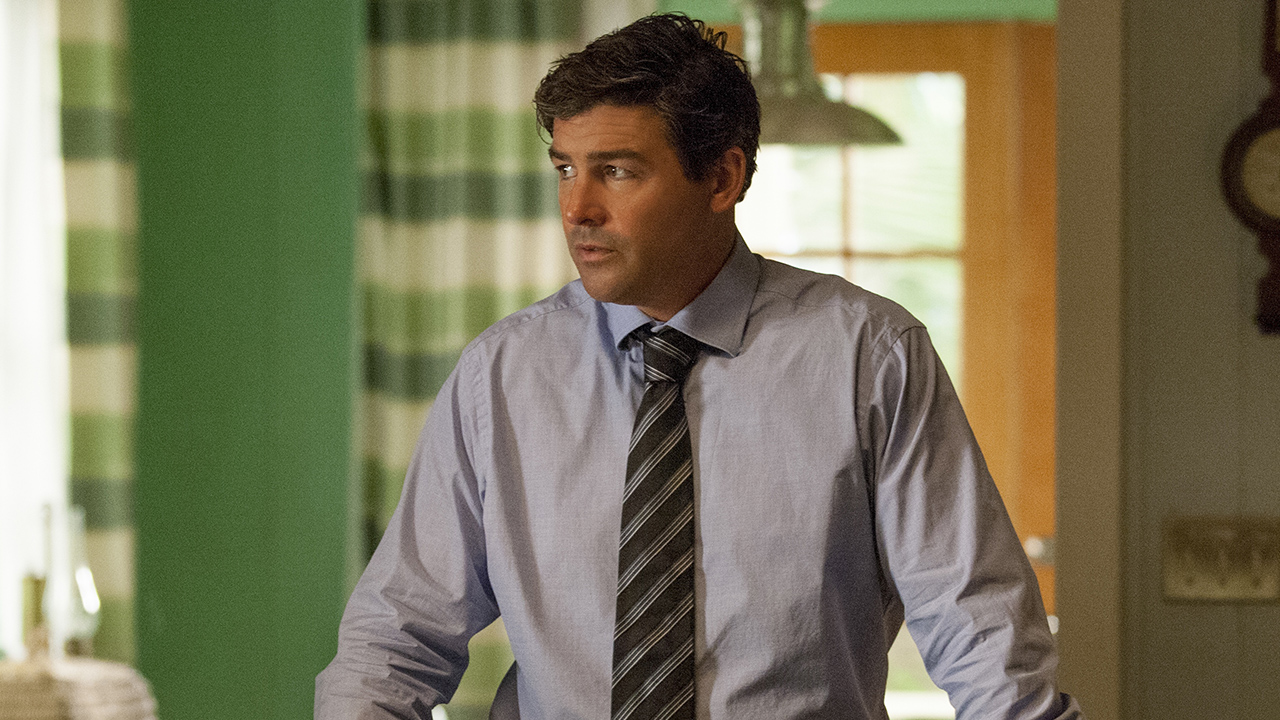
Shortly thereafter, on May 26, 2027, the psychological thriller Bloodline is scheduled to exit the platform. Co-created by Todd A. Kessler, Daniel Zelman, and Glenn Kessler, the slow-burn family drama helped establish Netflix as a serious contender in the prestigious Emmy race, driven by standout performances from Kyle Chandler, Ben Mendelsohn, and Sissy Spacek. Because Sony Pictures Television financed and produced the series, leasing it to the streaming platform for its initial run, the expiration of its decade-long distribution window marks the end of an era for one of Netflix’s most critically revered early dramas.
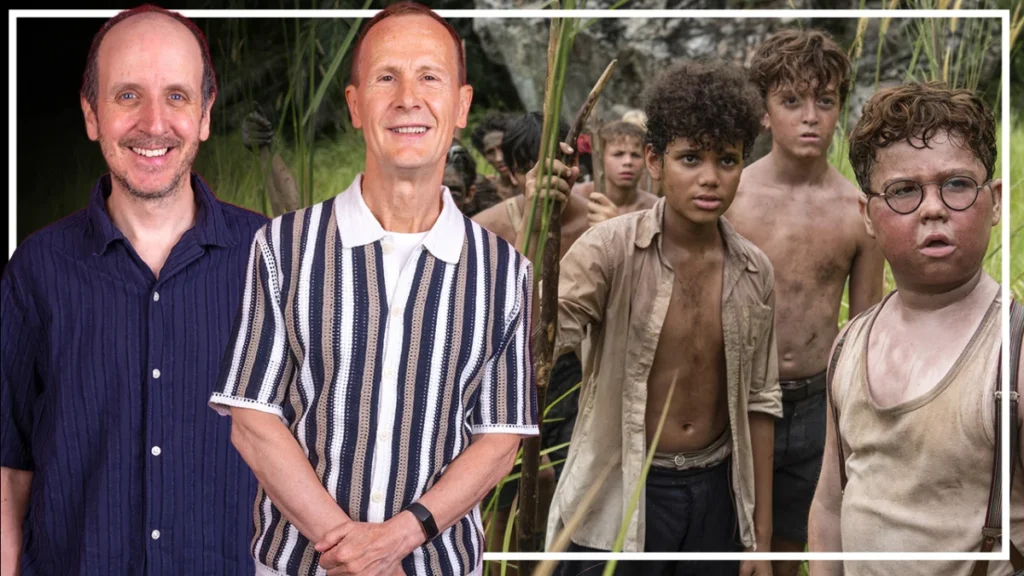
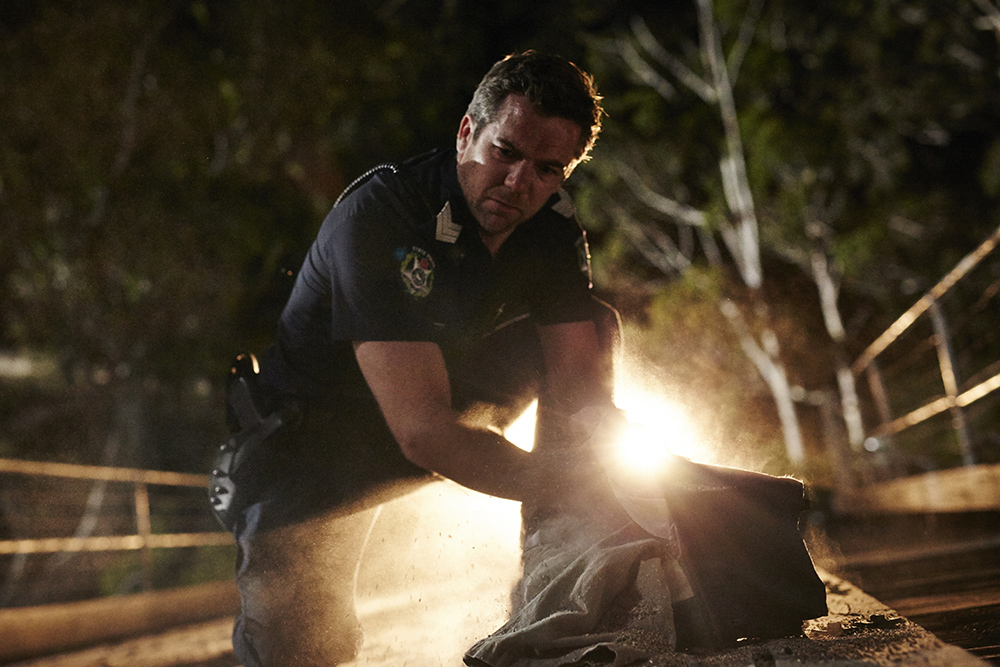
International co-productions and festival acquisitions make up a substantial portion of the remaining endangered catalog. Glitch, an Australian paranormal drama produced by Matchbox Pictures—a subsidiary of NBCUniversal—and broadcast locally by the Australian Broadcasting Corporation, is slated to leave on June 1, 2027. Similarly, independently financed projects such as the reverse-narrative crime thriller Shimmer Lake (owned by Footprint Features and Writ Large) and the Lily Collins-led eating disorder drama To the Bone (acquired from AMBI Group following a competitive Sundance bidding war) face respective expiration dates in June and July 2027.
Animation and Family Programming Vulnerabilities
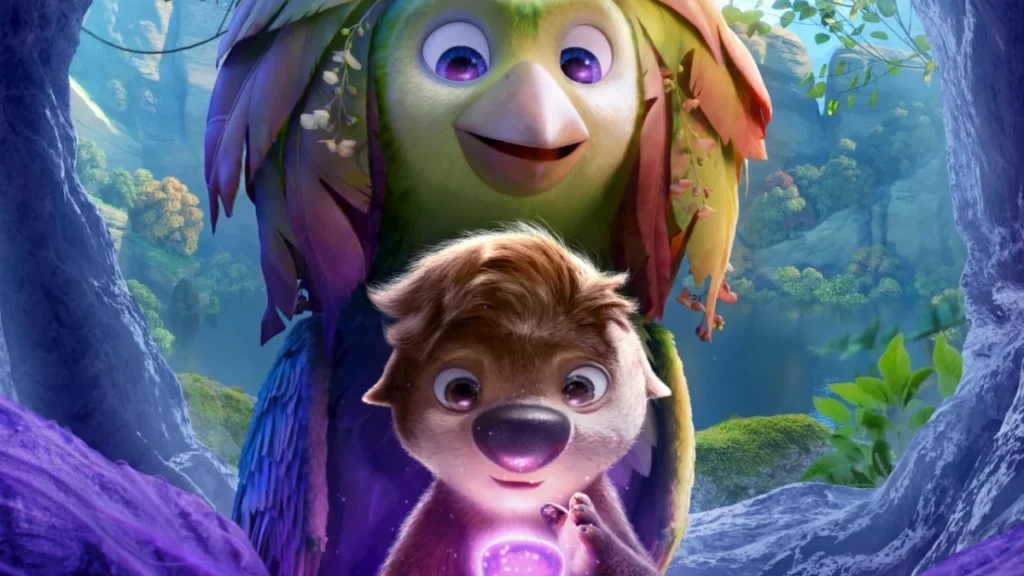
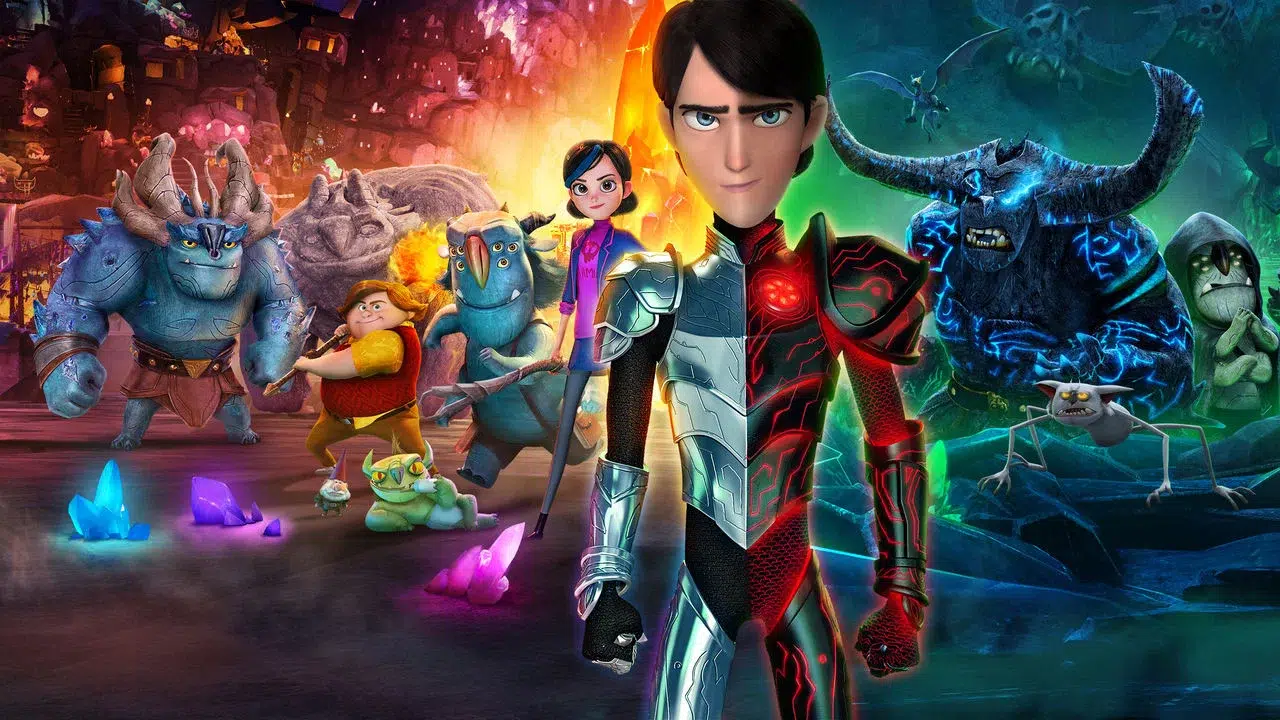
The impending 2027 shifts will also heavily impact family and animated programming, particularly through content tied to major studio output deals. Guillermo del Toro’s critically acclaimed Tales of Arcadia universe, which launched with the groundbreaking animated series Trollhunters, is currently scheduled to depart on July 21, 2027. Although the franchise became a cornerstone of Netflix’s family programming portfolio, the intellectual property was created under an expansive output agreement with DreamWorks Animation.
Following NBCUniversal’s acquisition of DreamWorks, the studio has steadily reclaimed and evaluated the distribution rights for its extensive television catalog as legacy contracts expire. A similar fate awaits Fast & Furious Spy Racers, the animated expansion of Universal Pictures’ blockbuster film franchise, which is slated to leave the platform on November 7, 2027. Because Universal retains absolute ownership of the overarching cinematic universe and its associated characters, Netflix’s tenure as the exclusive home for these animated adventures was always governed by a ticking clock.
Broader Implications for the Streaming Ecosystem
The prospective removal of these high-profile titles highlights a broader structural maturation within the subscription video-on-demand industry. In the early years of the streaming boom, platforms prioritized rapid subscriber acquisition by offering seemingly endless libraries of exclusive content. Today, however, Wall Street and corporate boardrooms demand fiscal discipline, profitability, and strict control over intellectual property.
For consumers, these ongoing shifts signal the gradual fragmentation of digital media consumption. As major studios pull their content to populate their own services or license them to FAST (Free Ad-supported Streaming Television) channels, the centralized convenience of streaming is increasingly challenged by the re-emergence of traditional syndication models in digital form. While Netflix has occasionally intervened to secure last-minute renewals for beloved titles—demonstrating that contracts are fluid and subject to ongoing commercial negotiations—the overarching trend points toward a less permanent digital archive.
Industry observers emphasize that subscribers should monitor official platform announcements closely, as renewal negotiations can alter removal schedules with little advance notice. Ultimately, the 2027 expirations serve as a vivid reminder that in the modern media economy, even content stamped with a streaming service’s proprietary brand remains subject to the immutable laws of copyright, contract law, and corporate strategy.