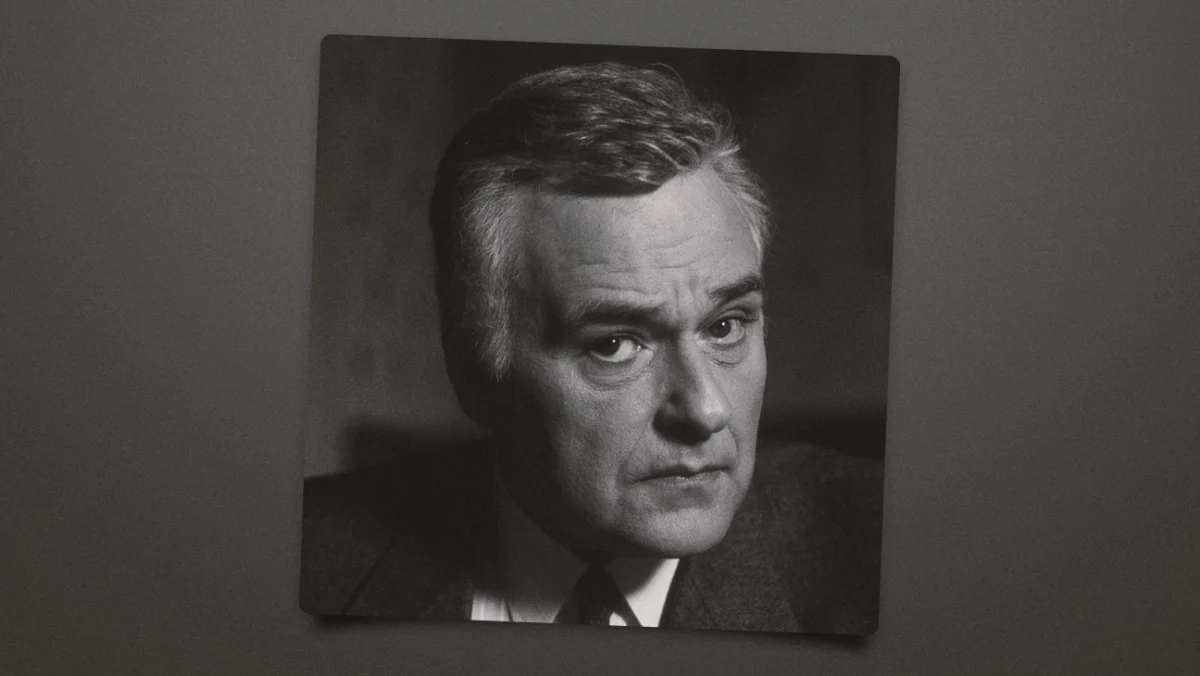
Charles Cioffi, the esteemed veteran character actor whose commanding presence brought gravitas to a multitude of roles, from hardened cops to cunning criminals in iconic projects such as Klute, Shaft, Get Christie Love!, and The X-Files, passed away peacefully on Friday at his residence in Marina del Rey. He was 90 years old. His family formally announced his passing, marking the end of a prolific career that spanned over five decades and left an indelible mark across stage, film, and television. Cioffi’s ability to embody complex, often morally ambiguous characters made him a sought-after talent, consistently elevating the narratives he inhabited with his distinctive blend of intensity and authenticity.
Early Life and Theatrical Foundations
Born Charles Michael Cioffi in the bustling borough of New York City on October 31, 1935, his journey into the performing arts began far from the bright lights of Hollywood. Cioffi cultivated his craft and academic pursuits at Michigan State University, laying the groundwork for a disciplined approach to acting that would define his professional life. His formal acting debut took place on the revered stage of the Guthrie Theater in Minneapolis, a prestigious regional theater known for its classical repertoire and commitment to artistic excellence. This early immersion in classical theater provided Cioffi with a robust foundation, honing his skills in character development, vocal projection, and stage presence, qualities that would serve him throughout his diverse career.
His talent soon led him to the pinnacle of American theater, Broadway. Cioffi made his Broadway debut in 1968, appearing in William Shakespeare’s King Lear as part of the Repertory Theatre of Lincoln Center. This initial foray onto the Great White Way was just the beginning of a significant stage career. Over the years, Cioffi graced Broadway stages seven times, showcasing his versatility in various productions. One of his most notable theatrical roles was portraying John Hancock in the seminal musical 1776. The show, which opened in 1969 and ran until 1972, presented a unique and historically rich perspective on the signing of the Declaration of Independence. Cioffi’s portrayal of Hancock, a pivotal figure in American history, demonstrated his capacity for conveying both authority and conviction, qualities that would become hallmarks of his screen persona. 1776 itself was a critical and commercial success, earning the Tony Award for Best Musical, and Cioffi’s contribution to its original run remains a significant chapter in his acting biography.
Cinematic Breakthroughs: From Gritty Thrillers to Cult Classics
The early 1970s proved to be a pivotal period for Cioffi, as he transitioned with remarkable success into the world of cinema, quickly establishing himself as a formidable presence on the silver screen. The year 1971 alone saw him deliver two of his most memorable and impactful film performances, roles that cemented his reputation as a master of the crime and thriller genres.
In Alan J. Pakula’s neo-noir psychological thriller Klute, Cioffi delivered a chilling performance as the unnamed killer stalking the call girl Bree Daniels, brilliantly portrayed by Jane Fonda, who earned an Academy Award for Best Actress for her role. Klute was lauded for its atmospheric tension, its complex exploration of paranoia and identity, and its raw portrayal of urban alienation. Cioffi’s character, though often in the shadows, was central to the film’s pervasive sense of dread, contributing significantly to its critical acclaim and enduring status as a classic of the genre. His ability to convey menace with subtle yet unsettling precision was a testament to his dramatic range.
The same year, Cioffi appeared in another culturally significant film, Gordon Parks’ groundbreaking blaxploitation classic Shaft. In this iconic movie, Cioffi played Lt. Vic Androzzi, an NYPD detective who forms a reluctant and often contentious alliance with Richard Roundtree’s titular private investigator, John Shaft. Shaft was a landmark film, not only for its commercial success but for its portrayal of a strong, independent Black protagonist who defied traditional Hollywood stereotypes. Cioffi’s performance as Androzzi provided a crucial counterpoint to Shaft’s streetwise swagger, representing the often-strained relationship between institutional authority and independent justice in the gritty landscape of 1970s New York City. His portrayal was nuanced, capturing the frustrations and professional code of a veteran police officer navigating a rapidly changing urban environment.
Cioffi’s distinctive look and intense demeanor made him a natural fit for the era’s burgeoning gangster film genre. Throughout the 1970s, he lent his talents to several notable mob-centric features, further solidifying his image as an actor capable of portraying men of power, integrity, or corruption. These roles included appearances in Lucky Luciano (1973), a biographical crime drama about the infamous mob boss; The Don Is Dead (1973), a complex narrative exploring inter-family mob warfare; and Crazy Joe (1974), a gritty portrayal of a real-life gangster’s rise and fall. In these films, Cioffi seamlessly embodied the tough, often ruthless characters endemic to the organized crime underworld, adding authenticity and depth to each portrayal.
His filmography expanded further to include a diverse array of projects. In 1983, he notably played the widowed father of Tom Cruise’s character in All the Right Moves, a sports drama that offered a more sympathetic and paternal dimension to his acting repertoire. Other significant film credits include The Thief Who Came to Dinner (1973), a sophisticated comedy-thriller; The Other Side of Midnight (1977), a romantic drama; Time After Time (1979), a sci-fi fantasy where he played a police lieutenant; Costa-Gavras’ critically acclaimed political thriller Missing (1982), which garnered an Academy Award for Best Adapted Screenplay; Remo Williams: The Adventure Begins (1985), an action-adventure film; Newsies (1992), a musical drama based on the real-life newsboy strike; and Used People (1992), a romantic comedy-drama. Each role, regardless of its size, benefited from Cioffi’s commitment to character, ensuring his presence was always felt.
A Dominant Presence on the Small Screen
While his film career was robust, Charles Cioffi’s presence on television was even more ubiquitous, making him a familiar face in American households for decades. He became a staple of various television genres, from groundbreaking police procedurals to long-running soap operas and critically acclaimed dramas.
One of his pioneering television roles came as Lt. Matt Reardon, the commanding officer of Teresa Graves’ character, on the 1974-75 ABC cop show Get Christie Love!. This series was particularly significant for being one of the first network dramas to feature a Black woman in the leading role of a police officer, breaking barriers in television representation. Cioffi’s portrayal of Reardon provided a steady, authoritative figure, supporting Graves’ trailblazing character and contributing to the show’s unique dynamic.
Cioffi also found considerable success in the world of daytime television, becoming a recurring figure in several popular soap operas. His stints included roles on Ryan’s Hope, As the World Turns, and All My Children. Perhaps his most memorable soap opera role was as the revenge-seeking bomber businessman Ernesto Toscano on Days of Our Lives. Toscano was a complex villain whose nefarious schemes and dramatic storyline captivated audiences, showcasing Cioffi’s ability to imbue even heightened soap opera narratives with a compelling intensity. These roles allowed him to explore long-form character arcs and maintain a consistent presence in millions of homes.
Beyond recurring roles, Cioffi was an incredibly prolific guest star, appearing in an astonishing array of popular television series across nearly every genre imaginable. His extensive resume reads like a chronological history of American television, featuring appearances on classic westerns like Bonanza; crime dramas such as The F.B.I. and Hawaii Five-O; sci-fi cult favorites like The Bionic Woman; prime-time soaps like Flamingo Road; critically acclaimed dramas including Lou Grant, St. Elsewhere, L.A. Law, and NYPD Blue; legal procedurals like Law & Order and The Practice; and even comedies such as Taxi, The Larry Sanders Show, and Frasier. This remarkable breadth of work underscored his adaptability and consistent demand within the industry.
Later in his career, Cioffi secured significant recurring roles that reintroduced him to new generations of viewers. He portrayed Chief George Morris alongside Telly Savalas in four Kojak telefilms that aired from 1989-90, reprising the tough, no-nonsense law enforcement persona that had become a signature. However, it was his role as FBI section chief Scott Blevins on six episodes, including the pilot, of the immensely popular science fiction series The X-Files from 1993-97, that brought him renewed prominence. As Blevins, Cioffi was a key figure in the overarching mythology of the show, representing the shadowy, often duplicitous elements within the government that sought to control or suppress information about extraterrestrial phenomena. His character’s ambiguous loyalties and eventual fate played a crucial part in the early development of the series’ intricate conspiracy narrative, cementing his place in the annals of science fiction television.
The Essence of a Character Actor: Versatility and Longevity
Charles Cioffi epitomized the essence of a character actor: a performer who, while perhaps not always a household name, was instantly recognizable and consistently delivered memorable, impactful performances. His career was a testament to versatility, the ability to seamlessly transition between disparate roles and genres, always bringing a distinct gravitas and authenticity to his characters. He was often cast as figures of authority or moral ambiguity—cops, detectives, lawyers, politicians, mobsters, or shadowy government officials. Yet, within these archetypes, Cioffi found nuance, portraying each character with a unique blend of internal conflict, simmering intensity, or quiet determination.
His physical presence, often characterized by a stern gaze and a commanding voice, made him perfectly suited for roles that required a sense of power or menace. However, he was equally adept at portraying vulnerability or paternal warmth, as seen in All the Right Moves. This chameleon-like quality ensured his enduring appeal to casting directors and filmmakers across several decades, allowing him to work consistently in an industry known for its fickle nature. His work ethic and dedication to his craft were evident in the sheer volume and consistent quality of his performances, spanning from the golden age of television to the rise of cable and network dramas of the late 20th century. He was an actor who understood the importance of contributing to the overall narrative, often making a significant impact with limited screen time, a hallmark of a truly skilled character actor.
A Quiet Passing, A Lasting Legacy
Charles Cioffi’s passing marks the end of an era for many who grew up watching his indelible performances. He leaves behind his beloved wife of 66 years, Anne, and their two sons, who were his steadfast companions throughout his remarkable journey. While character actors often do not receive the same headline attention as leading stars, their contributions are arguably the backbone of the entertainment industry, providing the crucial texture and depth that make stories resonate. Cioffi’s career serves as a powerful reminder of this vital role.
His extensive filmography and television credits stand as a testament to a dedicated professional life, a legacy of memorable characters who inhabited the complex worlds of crime, drama, and intrigue. From the gritty streets of 1970s New York in Klute and Shaft to the enigmatic corridors of power in The X-Files, Charles Cioffi’s work will continue to be discovered and appreciated by new generations of viewers. His quiet departure leaves a void in the acting community, but his substantial body of work ensures that his impact on American cinema and television will endure for years to come.