Following the commercial success of the film Buddy, production houses Roadside Attractions and Saban Films have solidified their creative partnership by announcing the upcoming release of the spider-themed horror feature Crawlers. The film is scheduled to arrive in theaters nationwide on October 16, marking a significant entry in the fall horror slate for both studios. Directed by Ángel Gómez Hernández, known for his work in atmospheric genre cinema, and penned by screenwriter Jayson Rothwell, the project aims to capitalize on the enduring popularity of creature-feature horror while introducing a claustrophobic, contemporary setting.
Premise and Narrative Framework
The narrative of Crawlers centers on Serena, portrayed by Matilda Lutz, an apartment complex manager whose professional responsibilities take a turn for the perilous. The plot initiates when Serena discovers evidence of a mysterious death within the building, which quickly escalates into a larger, systemic crisis. It is revealed that the structure has been infiltrated by a species of highly venomous, rapidly multiplying spiders.
The film utilizes a quarantine trope to heighten the tension, as the residents of the apartment complex find themselves trapped within the facility by external authorities. This narrative device forces Serena into a dual struggle: she must leverage her intimate knowledge of the building’s layout and infrastructure to facilitate a potential escape, all while confronting a paralyzing, deeply rooted case of arachnophobia. The film is positioned as a visceral examination of survival, utilizing the confined environment of an urban apartment building to mirror the internal psychological pressure faced by the protagonist.

Official Rating and Production Standards
The Motion Picture Association (MPA) has officially granted Crawlers an R rating. According to the board’s assessment, the rating is specifically due to "violent content/bloody images, language, and brief sexual material." This classification indicates that the production team intended to lean into the more graphic elements of the creature-feature subgenre.
For horror enthusiasts, the R rating is often viewed as a marker of the film’s commitment to intensity. By opting for a more restricted classification, the filmmakers have the latitude to portray the consequences of the spider infestation with a higher degree of anatomical realism and gore, which is often required to maintain the suspension of disbelief in monster-oriented cinema. The visual effects team, tasked with rendering the spiders, has faced the challenge of making the creatures appear sufficiently organic to elicit a visceral response from audiences.
Chronology of Production and Marketing
The trajectory of Crawlers from development to release highlights the current trend of accelerated marketing cycles for mid-budget horror films. Following the initial announcement of the collaboration between Roadside Attractions and Saban Films, the production team began a strategic rollout of promotional material.
The promotional campaign officially gained momentum with the release of a red-band trailer, which provided viewers with a preview of the film’s tone and aesthetic. The trailer focused on the interplay between the mundane environment of the apartment building and the encroaching biological threat, utilizing tight camera angles and sound design to emphasize the threat posed by the arachnids.

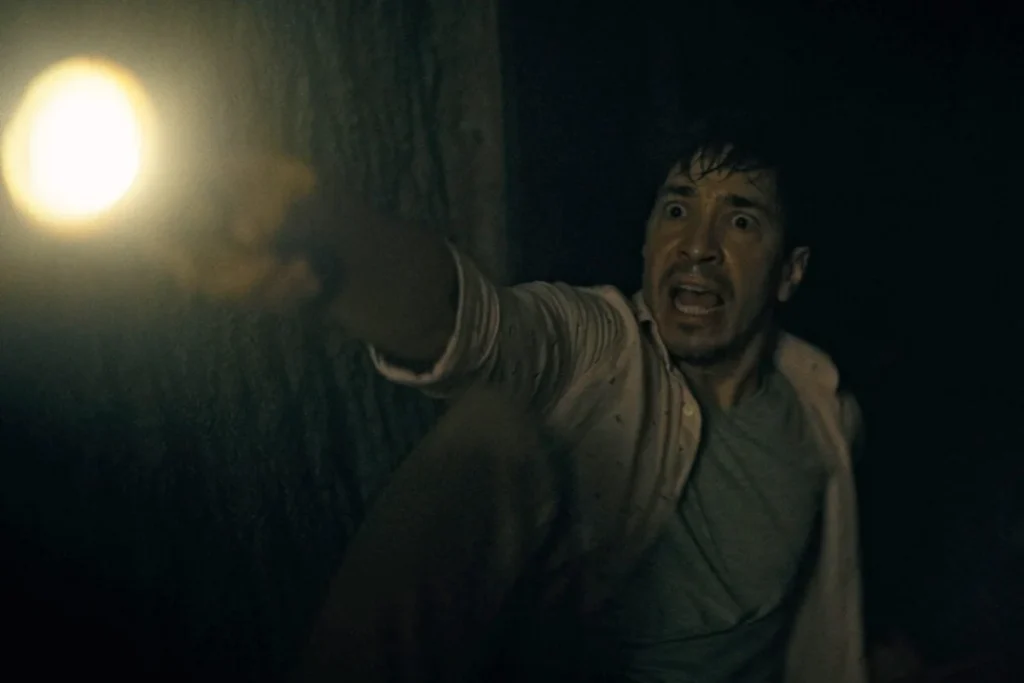
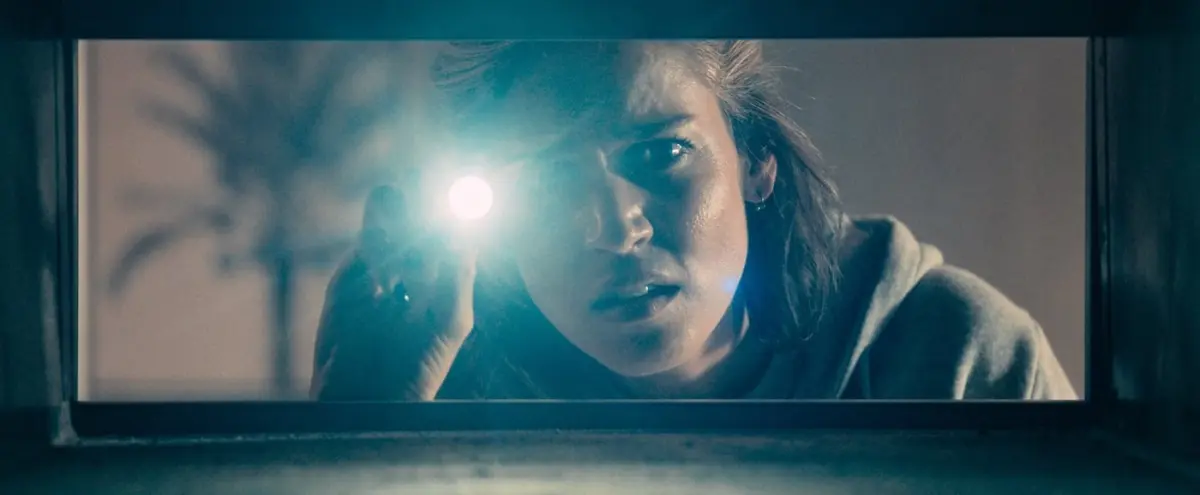
Following the trailer’s reception, the recent release of a trio of promotional stills serves to provide potential audiences with a clearer look at the film’s production design. These images highlight the deteriorating state of the apartment complex, showcasing the transformation of a domestic living space into a site of infestation. The visual consistency across these assets suggests a grounded approach to the horror elements, prioritizing practical-looking effects over stylized digital interference.
Industry Context: The Creature-Feature Resurgence
The release of Crawlers arrives at a time when the creature-feature subgenre is experiencing a renewed period of relevance. Historically, films involving giant or invasive insects—such as the 1954 film Them! or the 1990 cult classic Arachnophobia—have served as staples of the horror industry. In the modern era, these films are being revitalized through advancements in CGI and improved animatronics, allowing for more realistic portrayals of animal behavior.
The collaboration between Roadside Attractions and Saban Films is a strategic move, as both companies have established track records in the independent horror sector. Roadside Attractions, in particular, has found success in distributing genre films that balance narrative substance with high-concept scares. By tapping into the phobia-based horror market, the studios are targeting a specific demographic that prioritizes visceral, "jump-scare" driven entertainment.
Analysis of Thematic Implications
At its core, Crawlers functions as a commentary on the vulnerability of urban living. The apartment complex, traditionally a place of sanctuary, becomes a trap, effectively removing the possibility of retreat. This theme of "home as a battleground" is a recurring motif in horror, but the addition of a biological, non-human antagonist introduces a layer of helplessness. Unlike a human antagonist, the spiders in the film lack motive, meaning the protagonist cannot negotiate or reason with the threat.

The choice of Matilda Lutz for the lead role is also notable. Having previously starred in the 2017 film Revenge, Lutz has demonstrated a capacity for physically demanding roles that require high-intensity performance. Her character, Serena, is not portrayed as a generic victim but rather as a competent individual whose professional expertise is pitted against an overwhelming, primal force. This shift in characterization reflects a broader industry move toward more capable, proactive protagonists in horror cinema.
Market Outlook and Projections
As the October 16 release date approaches, industry analysts are observing the performance of similar films released during the autumn season. Horror movies traditionally see a significant uptick in box office returns during the month of October, as audiences seek out genre content in the lead-up to Halloween.
While the budget for Crawlers has not been publicly disclosed, the production quality suggested by the marketing materials indicates a mid-level investment. The film’s profitability will likely depend on its international distribution and its reception on digital platforms following its theatrical run. Given the "R" rating, the target audience is strictly limited to adults, but this demographic is historically the most reliable for horror cinema.
Conclusion and Future Outlook
The upcoming release of Crawlers serves as a case study for the current state of independent horror production. By focusing on a singular, terrifying premise and utilizing a restricted, high-stakes environment, the filmmakers have constructed a project designed to maximize tension. The involvement of an established director like Ángel Gómez Hernández, coupled with the proven distribution capabilities of Roadside Attractions and Saban Films, positions the movie to be a significant contender in the October box office race.

Whether the film succeeds in its attempt to modernize the classic spider-horror formula will be determined by its ability to balance the technical demands of its creature effects with the narrative arc of its central character. As the industry continues to evolve, the success of films like Crawlers will likely dictate whether studios continue to invest in high-concept, phobia-based horror or pivot toward different sub-genres. For now, the focus remains on the October 16 premiere, as audiences wait to see if the building-wide infestation depicted in the trailers lives up to the expectations set by the production team. With the marketing campaign now in its final stages, the anticipation among horror genre enthusiasts remains high, marking the film as one of the most anticipated creature-features of the current year.