The intersection of modern internet culture and traditional folklore has yielded an unexpected literary trend, as readers increasingly turn to cryptid-themed horror fiction following viral social media phenomena. This surge in interest was catalyzed earlier this year by the widespread circulation of online videos depicting a raccoon with a congenital spinal deformity, colloquially named "Jimothy." Despite initial speculation suggesting the animal represented a previously undiscovered species, local wildlife experts in Seattle confirmed the creature was a common urban raccoon. Nevertheless, Jimothy’s viral status transcended mere internet novelty, culminating in official recognition by tabletop roleplaying publisher Wizards of the Coast, which issued a custom Dungeons and Dragons stat block titled "Jimothy, Beloved Cryptid."
This cultural fixation on unverified biological anomalies has provided a substantial commercial boost to cryptozoology-inspired horror literature. Publishers report heightened reader engagement with titles exploring both mythological beasts and fictionalized iterations of legendary creatures, reflecting a broader public appetite for speculative fiction rooted in the unknown.
Defining the Cryptid: From Folklore to Modern Literature
To understand the thematic resonance of these horror novels, publishing analysts reference the foundational definitions of cryptozoology. Strictly defined, a cryptid is an animal whose existence has been suggested through folklore, anecdotal accounts, or circumstantial evidence, but whose presence has not been formally validated by the scientific community. While academic zoology dismisses these entities due to a lack of verifiable type specimens, popular culture frequently expands the classification to include supernatural or mythological beings.

Historically, the public consciousness has been dominated by globally recognized figures such as Bigfoot—the North American hominid—and the Loch Ness Monster of the Scottish Highlands. Academic researchers note that the enduring appeal of these entities lies in their liminal status, existing precisely on the boundary between known ecology and impossible biology. Literary scholars point out that horror authors utilize this inherent ambiguity to cultivate psychological terror, leveraging the scientific method’s limitations against the protagonists of their narratives.
Chronology and Literary Overview of Cryptid Horror
The contemporary marketplace offers a diverse array of novels addressing these themes, drawing upon both established folklore and localized urban legends. Five prominent works illustrate the breadth and shifting tones of modern cryptid horror fiction.
Crota by Owl Goingback
Set in the rural community of Logan, Missouri, Owl Goingback’s novel Crota establishes its premise through the sudden discovery of violently mutilated human remains along a wooded highway. Local law enforcement, led by Sheriff Skip Harding, initially attributes the attacks to regional predators such as black bears. However, tribal game warden Jay Little Hawk identifies the distinctive biological signature of the Crota, an ancient entity rooted in Native American mythology.

According to the narrative’s internal chronology, the creature had been sealed within the subterranean depths of Devil’s Boot cave for centuries until a localized seismic event compromised its containment. The novel utilizes a blend of visceral bodily horror and claustrophobic subterranean exploration, contrasting rural law enforcement procedures with indigenous oral history.
The Montauk Monster by Hunter Shea
Hunter Shea’s narrative draws direct inspiration from a documented historical anomaly. In July 2008, a decomposed mammalian carcass washed ashore on a beach in Montauk, New York, generating intense media speculation regarding government genetic experimentation at the nearby Plum Island Animal Disease Center. While subsequent biological analyses concluded the specimen was a severely decomposed, waterlogged raccoon, the cultural footprint of the "Montauk Monster" persisted.
Shea’s novel fictionalizes the event by introducing a localized population of the anomalous creatures into the coastal community. The narrative structure follows a multi-perspective approach, dividing focus between local law enforcement, emergency responders, and civilians. Beyond traditional predatory violence, the narrative introduces an epidemiological hazard, wherein the creatures serve as vectors for an aggressive pathogen transmitted via physical contact, amplifying the existential threat beyond immediate physical destruction.
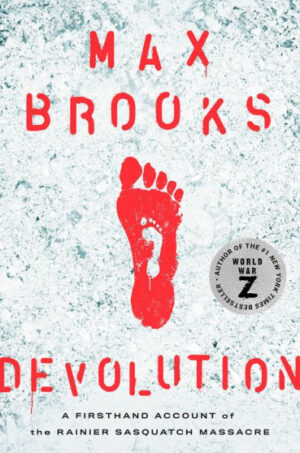
Devolution by Max Brooks

Max Brooks approaches the subject of the North American Sasquatch through a distinct structural format, presenting Bigfoot through a simulated non-fiction framework. The plot centers on the Greenloop eco-community, a sustainable residential enclave located in the remote wilderness near Mount Rainier, Washington. The settlement is entirely isolated following the historical eruption of the volcano, leaving rescue teams to discover an abandoned, blood-soaked camp.
The narrative unfolds via the recovered journal of resident Kate Holland, supplemented by fictionalized transcripts of official interviews, expert testimony, and media coverage. Brooks blends social commentary regarding modern technological dependency with a clinical, tactical depiction of survival against an apex predator. The effectiveness of the work relies heavily on a deadpan, journalistic tone that contrasts the absurdity of the premise with rigorous tactical realism.
Near the Bone by Christina Henry
Christina Henry’s psychological horror novel Near the Bone examines the cryptid trope through an intensely isolated lens. The story centers on Mattie, a woman subjected to domestic captivity by her abusive husband, William, in a secluded mountain cabin. The dynamic shifts when a team of cryptozoologists arrives to investigate the surrounding wilderness, searching for the entity responsible for mutilating regional wildlife.
Employing a narrative technique reminiscent of classic cinematic thrillers such as Jaws, Henry deliberately conceals the full anatomical details of the creature for the majority of the novel, focusing instead on environmental dread and psychological manipulation. The characters find themselves navigating a dual threat: the unseen predator in the snowy timberline and the domestic tyrant within the household.
Below by Laurel Hightower
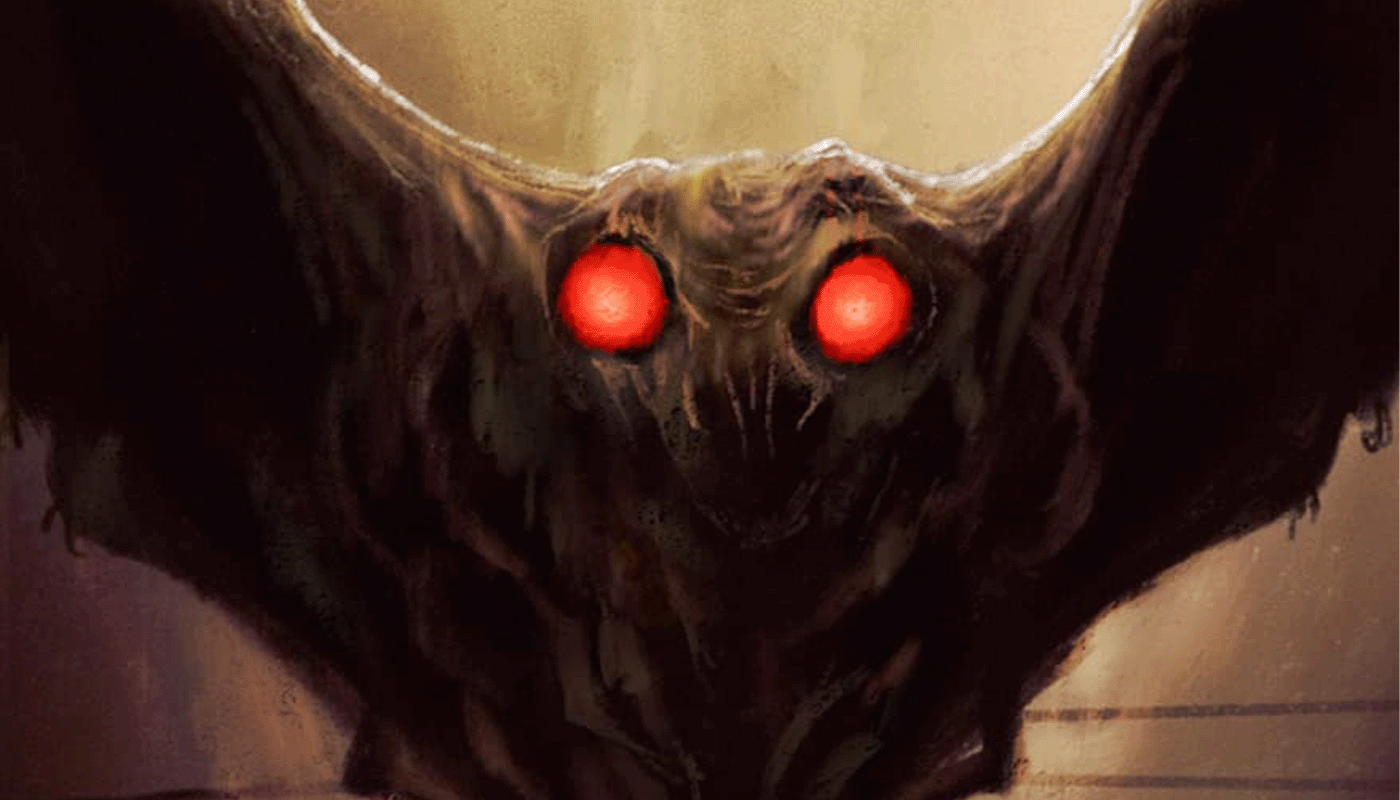
Laurel Hightower reinterprets the West Virginia legend of the Mothman in her novella Below. The narrative follows Addy, a protagonist navigating the emotional aftermath of a restrictive divorce, as she travels through a treacherous mountain pass during a severe winter storm. After witnessing a motorist plunge over a cliff edge, Addy attempts a perilous rescue, only to encounter the titular winged entity alongside other nocturnal anomalies.
Unlike conventional creature-feature narratives, Hightower utilizes the cryptid encounter primarily as a thematic parallel to Addy’s internal psychological journey. The presence of the unexplained entities serves to test the protagonist’s resilience, emphasizing personal agency and emotional recovery over empirical resolution.
Industry Implications and Reader Engagement
Publishing industry data indicates that speculative horror featuring cryptids has experienced a steady climb in readership over the past five fiscal quarters. Industry analysts attribute this growth to a combination of multimedia adaptations—such as video games, independent podcasts, and documentaries dedicated to cryptozoology—and a general reader preference for terrestrial, environment-based threats over supernatural entities.

Market research firms note that works incorporating real-world geographical coordinates or historical anomalies, such as the Montauk carcass or the Mount Rainier region, demonstrate higher initial sales velocities than entirely fictional mythologies. This correlation suggests that readers derive enhanced engagement from narratives that bridge the gap between documented historical oddities and speculative fiction.
As internet culture continues to generate viral anomalies like Seattle’s Jimothy, literary agents and publishers anticipate a sustained market for horror fiction that explores the uneasy boundary between known biology and the unknown wilderness.