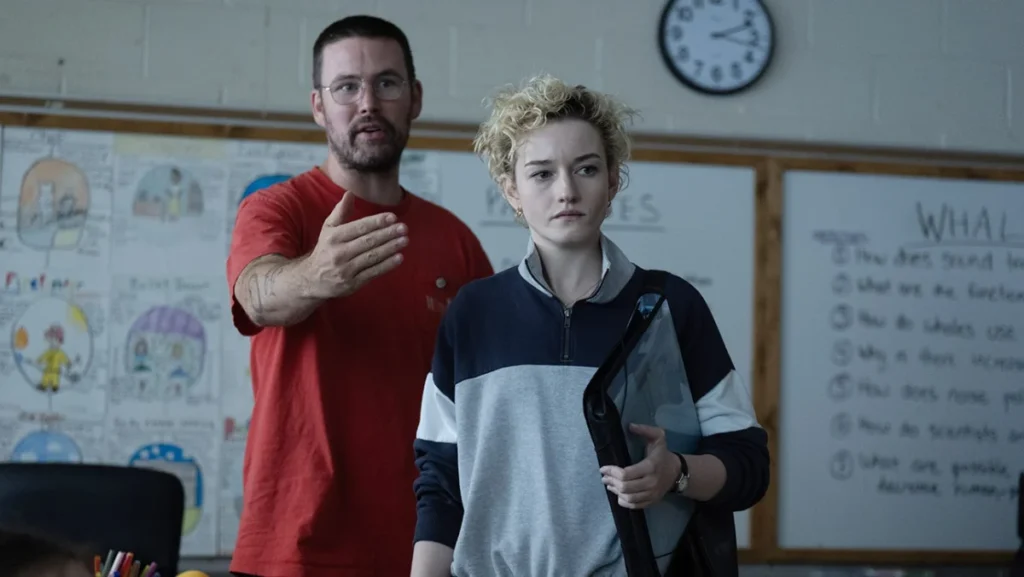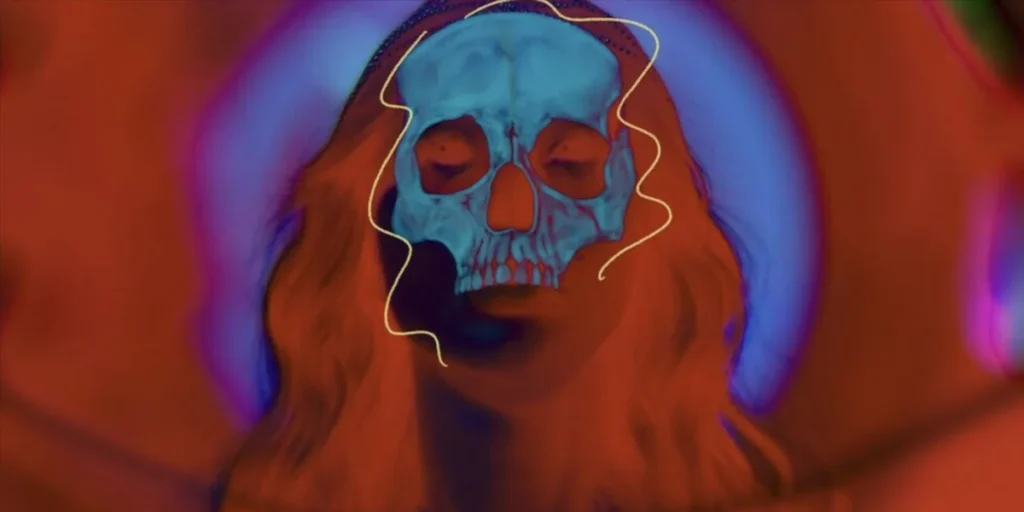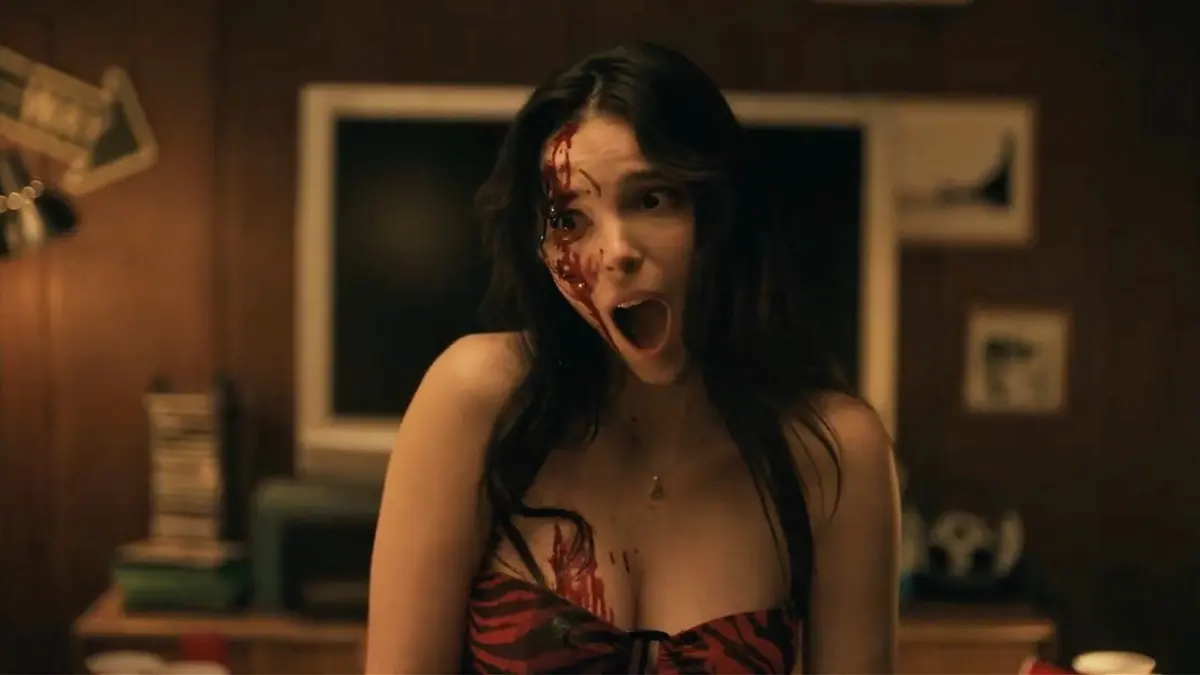
The landscape of modern cinema has been significantly impacted in 2026 by two distinct yet equally compelling works: Curry Barker’s horror breakout Obsession and Nathan Fielder’s dense, three-hour documentary on Elizabeth Holmes, You Can See Everything. During the recent Time100 Next Gala held at Pier59 Studios in New York City, the intersection of these two creative trajectories became a focal point of industry discourse. As both filmmakers continue to garner critical acclaim and box office momentum, the possibility of a creative partnership between them has moved from the realm of fan speculation to the subject of public inquiry.
The Rise of Two Distinct Cinematic Voices
Curry Barker, who rose to prominence through his sharp, unsettling approach to genre filmmaking, solidified his reputation this summer with the release of Obsession. Distributed by Focus Features, the film became the first horror project of the 2026 summer season to achieve significant box office traction, defying typical seasonal slumps often seen in the horror genre during the warmer months. Obsession is noted for its claustrophobic atmosphere and psychological intensity, signaling a departure from traditional jump-scare-heavy narratives.
Simultaneously, Nathan Fielder—known for his mastery of the "cringe-comedy" and deadpan social exploration in series such as Nathan for You and The Rehearsal—shifted his lens toward the high-stakes world of corporate fraud with You Can See Everything. The documentary, which provides a granular, exhaustive examination of the rise and fall of Theranos founder Elizabeth Holmes, has been praised for its rigorous investigative pacing and Fielder’s signature detached, observational style. With a runtime exceeding three hours, the documentary has challenged standard distribution models and audience attention spans, proving that long-form non-fiction can maintain a dominant cultural footprint.
Chronology of the Interaction
The dialogue regarding a potential collaboration began at the Time100 Next Gala, an event recognizing emerging leaders across various industries. While the primary purpose of the gala was the celebration of professional achievements, the proximity of Barker and Fielder allowed for an exchange regarding their respective works.
Barker, reflecting on the experience of viewing You Can See Everything, expressed high praise for Fielder’s methodology. "I thought it was freakin’ insane and awesome," Barker stated in a conversation with media representatives at the event. He noted that despite his lack of deep prior knowledge regarding the specific minutiae of the Elizabeth Holmes trial, the documentary provided a compelling narrative experience. Barker emphasized the rarity of a film that sustains engagement over a 180-minute duration, stating, "I feel like I missed certain tiny things, but it was three hours long and I wished it was longer. That’s rare, you know?"

When asked by journalists if this mutual appreciation could translate into a professional partnership, Barker confirmed he had initiated the conversation with Fielder. "I told him that. I said, ‘Hey!’… I just put it out in the water," Barker remarked, suggesting that while no formal project is currently in development, the invitation for collaboration has been extended.
Analytical Context: The Value of Genre-Crossing
Industry analysts suggest that a collaboration between Barker and Fielder would represent a significant convergence of styles. Barker’s expertise lies in the manifestation of visceral dread and the pacing of tension, while Fielder specializes in the deconstruction of human behavior and the blurring of lines between reality and artifice.
A project combining these elements could theoretically redefine the "psychological thriller" genre. In the current film market, audiences are increasingly showing a preference for "elevated" genre films that prioritize thematic depth over spectacle. The success of both films in 2026 demonstrates that viewers are willing to invest time in complex storytelling. According to recent box office reporting, mid-budget films that generate strong social media discourse—such as the two in question—have been the primary drivers of growth for theatrical attendance throughout the latter half of the year.
The Financial and Creative Stakes
The economic impact of these films serves as a case study for studio executives. Focus Features, in backing Obsession, demonstrated the commercial viability of director-driven horror. Meanwhile, the distribution success of You Can See Everything suggests that long-form documentary content, when helmed by a recognizable creative visionary, can command a significant premium in both streaming and theatrical markets.
Should Barker and Fielder pursue a joint venture, the project would likely generate substantial interest from independent production houses and major streamers alike. The combination of Barker’s horror sensibilities and Fielder’s penchant for surreal, reality-based inquiry could result in a film that functions simultaneously as an experimental documentary and a psychological horror piece.
Broader Industry Implications
The prospect of such a partnership highlights a growing trend in Hollywood: the cross-pollination of genres. Filmmakers who were previously siloed into specific categories—documentary, comedy, or horror—are increasingly utilizing the visual language of other formats to tell more nuanced stories.

The public nature of Barker’s comment—"I put it out in the water"—also reflects a shift in how creative deals are initiated in the modern era. Public endorsements and informal "pitching" at high-profile industry events have become a standard mechanism for gauging interest and generating buzz. This transparent approach to project development allows audiences to feel more connected to the creative process, often building anticipation well before a script or a formal production agreement is finalized.
Future Outlook and Conclusion
While there is no confirmation that a project is currently in pre-production, the intersection of these two creators remains one of the most intriguing "what-if" scenarios in current film discourse. The industry is currently awaiting further information from both parties. Given the schedules of both creators, any future collaboration would likely require significant logistical coordination, but the creative incentive is clear.
For the time being, fans of both filmmakers must remain patient. As Barker noted, the goal is to create something that resonates with the audience’s desire for novelty and depth. Whether this leads to a feature film, a limited series, or a smaller-scale artistic contribution remains to be seen. However, the willingness of both parties to openly discuss the possibility suggests that the door is not only open but that there is a genuine, mutual curiosity regarding what a shared creative vision might produce.
As the 2026 film season moves into its final quarter, the cultural impact of both Obsession and You Can See Everything continues to be felt. Their success has not only provided a template for future independent projects but has also fostered an environment where experimental partnerships—once considered improbable—are now viewed as viable pathways for innovation in an increasingly competitive marketplace. The "obsession" with seeing these two talents work together, as echoed by industry observers and fans alike, underscores the enduring power of collaborative storytelling in contemporary cinema.