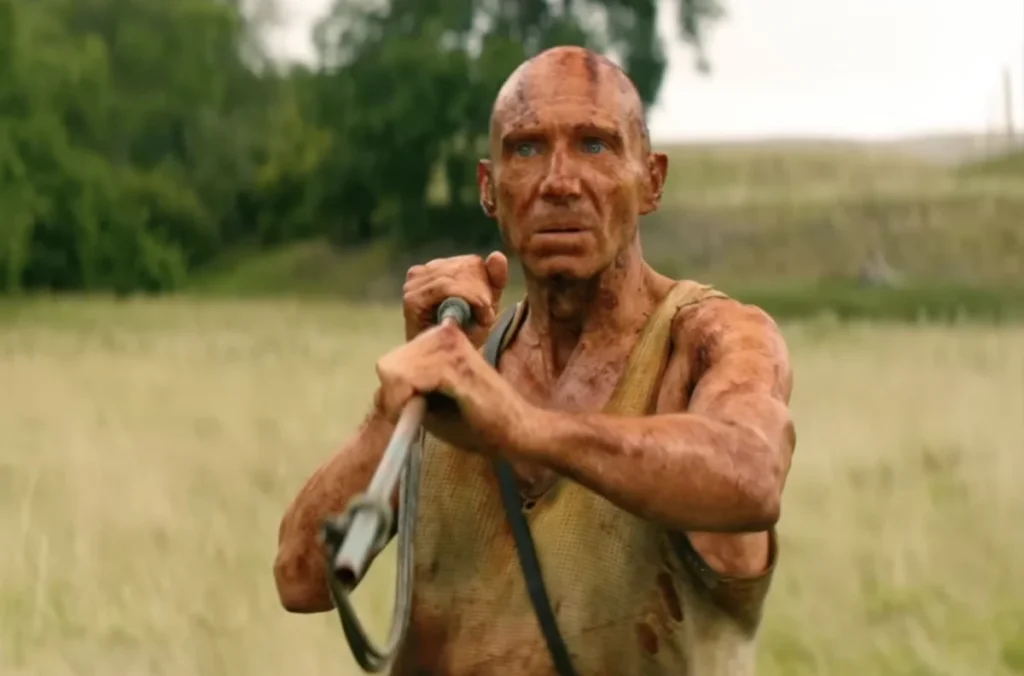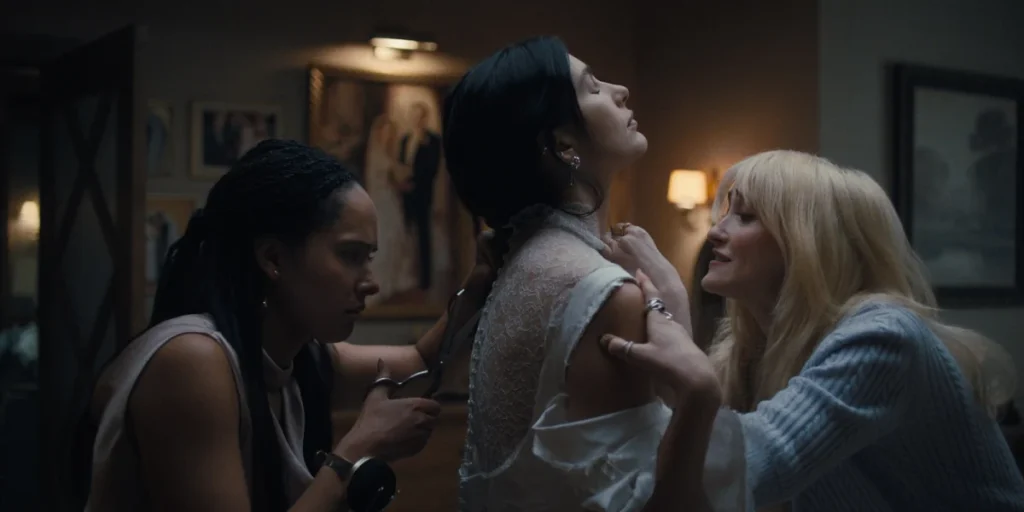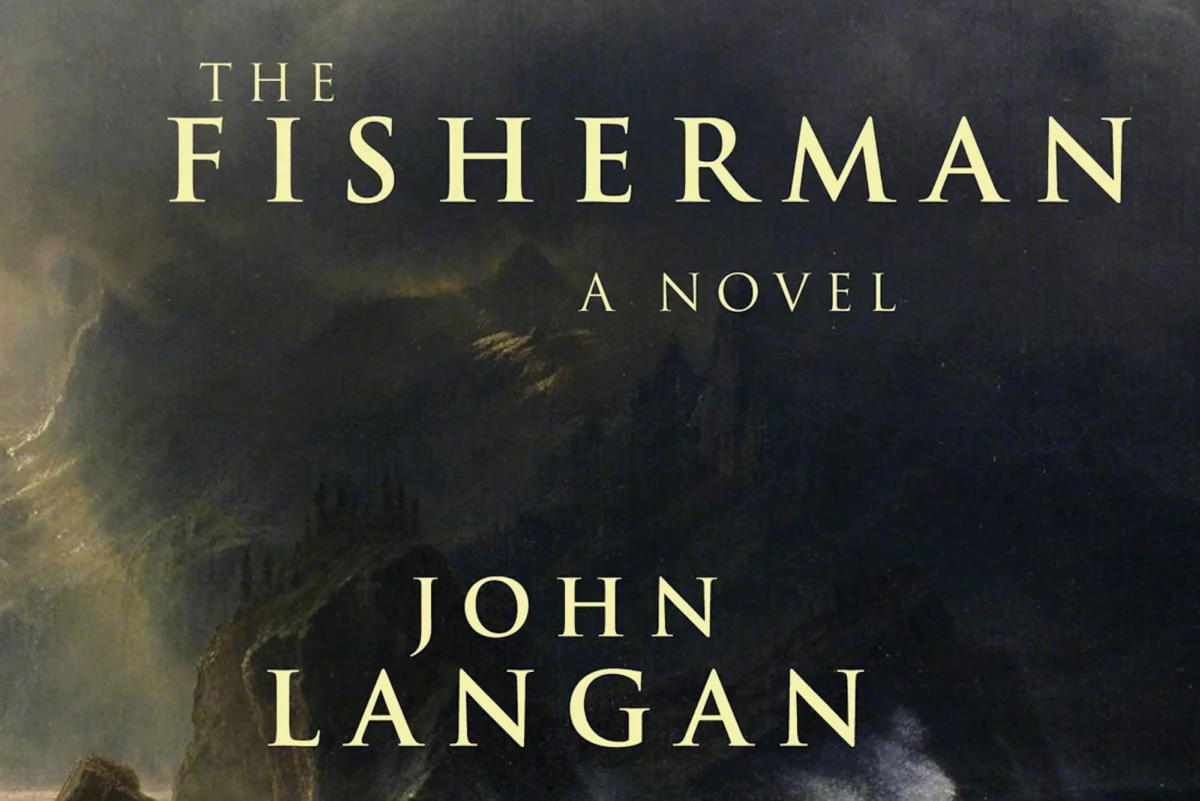
Acclaimed filmmaker David Lowery, known for his atmospheric and critically lauded works such as The Green Knight, Pete’s Dragon, and the recent Mother Mary, is set to direct an adaptation of John Langan’s chilling 2016 Bram Stoker Award-winning novel, The Fisherman. The project, which is in its nascent stages, marks a significant venture into the horror genre for Lowery, whose previous directorial efforts have often explored themes of mythology, folklore, and the human condition through a lens of melancholic fantasy and grounded realism.
The Fisherman, published by Word Horde in 2016, captivated readers and critics alike, earning it the prestigious Bram Stoker Award for Superior Achievement in a Novel, a testament to its profound impact on the horror literature landscape. The novel has been widely praised for its intricate narrative structure, its deeply unsettling atmosphere, and its exploration of profound grief and the supernatural.
The Narrative Tapestry of "The Fisherman"
The novel’s premise, as described by Goodreads, centers on two widowers, Abe and Dan, who find solace in their shared grief and a mutual passion for fishing. Their lives take a turn when they hear whispers of Dutchman’s Creek in upstate New York, a place rumored to hold not just exceptional fishing but also something far more extraordinary, a possibility that defies rational explanation. Dismissing these tales as mere "fish stories," the men soon find themselves drawn into a narrative as vast and ancient as the Ashokan Reservoir from which the creek flows.
Langan’s story unfolds to reveal a tale steeped in dark pacts, buried secrets, and the legend of a mysterious figure known only as "Der Fisher," or the Fisherman. The narrative masterfully intertwines the personal journeys of Abe and Dan with this ancient folklore, forcing them to confront not only their profound losses but also the terrifying price they may have to pay to reclaim what they have lost. The novel is renowned for its intricate "story-within-a-story" structure, a technique that allows Langan to build layers of dread and expand the mythos of the Fisherman, drawing readers deeper into its unsettling embrace. This narrative complexity, combined with its profound thematic resonance concerning grief, memory, and the uncanny, has made The Fisherman a highly sought-after property for adaptation.
A Collaborative Effort in Bringing the Tale to Screen
The news of Lowery’s involvement and the planned adaptation was first reported by The Hollywood Reporter. The project is being brought to life through a collaborative effort involving established figures in the film industry known for their work in the genre. Platinum Dunes, the production company founded by Michael Bay, Brad Fuller, and Alex Ginno, is backing the film. Platinum Dunes has a significant track record in producing successful horror films, including the Purge franchise, A Quiet Place, and various remakes of horror classics. Their involvement suggests a commitment to a high-production value adaptation that could resonate with a broad audience within the horror community.
Adding to the creative team is Gary Dauberman, a writer whose name is synonymous with modern horror, having penned scripts for It and the Annabelle film series. Dauberman’s expertise in crafting suspenseful narratives and his understanding of what makes audiences tremble will undoubtedly be invaluable in translating Langan’s complex story to the screen. Mia Maniscalco from Coin Operated is also attached to the project, further rounding out the producing team.
Early Stages and Potential Implications
As the project is still in its very early stages, details regarding casting, production timelines, and potential release dates remain scarce. This initial phase is critical for establishing the foundational elements of the film, including script development and conceptualization. Lowery’s distinct directorial style, which often favors a deliberate pace, immersive world-building, and profound thematic exploration, suggests that this adaptation might diverge from more conventional jump-scare-heavy horror films. Instead, audiences might anticipate a more atmospheric, character-driven, and philosophically resonant take on Langan’s unsettling source material.
The choice of David Lowery is particularly intriguing. His previous works, while not strictly horror, have often touched upon darker, more primal themes. The Green Knight, for example, delved into Arthurian legend with a visceral and morally ambiguous portrayal of heroism and consequence. Pete’s Dragon, while a family film, possessed a quiet, melancholic beauty and a sense of wonder that could translate into a unique approach to the supernatural elements of The Fisherman. His recent film, Mother Mary, an exploration of fame and faith, further showcases his ability to craft deeply emotional and visually striking narratives. This diverse directorial background suggests that Lowery might bring a fresh perspective to the horror genre, potentially elevating The Fisherman beyond typical genre fare and into a more arthouse-inflected territory.
The Significance of "The Fisherman" in Contemporary Horror
John Langan’s The Fisherman has been lauded for its sophisticated approach to horror, often praised for its literary quality and its ability to evoke a sense of cosmic dread and profound emotional weight. Unlike many contemporary horror novels that rely on gore or cheap thrills, The Fisherman builds its terror through atmosphere, psychological unease, and a deep dive into the human experience of loss and longing. The novel’s success in winning the Bram Stoker Award underscores its critical acclaim and its impact on the genre, solidifying its position as a modern classic.
The award itself, established by the Horror Writers Association, is one of the most respected accolades in the horror literature community. Winning it signifies that The Fisherman not only achieved commercial success but also resonated deeply with industry peers and critics who recognize excellence in the genre. This recognition amplifies the anticipation for its cinematic adaptation, as it suggests a narrative with inherent depth and quality that can withstand the transition to a visual medium.
The Role of Platinum Dunes and Gary Dauberman
The involvement of Platinum Dunes and Gary Dauberman is a significant indicator of the film’s potential direction. Platinum Dunes has consistently produced films that, while sometimes divisive, have achieved considerable commercial success and have become staples of the horror genre. Their experience in navigating the commercial aspects of horror filmmaking, coupled with their understanding of audience expectations, could be crucial in translating Langan’s complex narrative into a commercially viable film.
Gary Dauberman’s contributions are particularly noteworthy. His work on It demonstrated his ability to adapt Stephen King’s expansive narratives for the screen, capturing both the horror and the heart of the story. His experience with the Annabelle franchise has honed his skills in crafting suspenseful and terrifying supernatural tales. His involvement suggests that the film will likely maintain a strong sense of dread and a focus on the unsettling nature of the Fisherman’s legend. However, his collaboration with Lowery, whose style is more character-focused and atmospheric, could lead to a more nuanced and less formulaic horror film than some of Platinum Dunes’ previous projects.
Broader Impact and Future Prospects
The announcement of The Fisherman‘s adaptation highlights a continuing trend of literary horror novels being translated into film. This trend often brings a richer narrative depth and thematic complexity to the screen, appealing to audiences who seek more than just superficial scares. The success of films like It, The Babadook, and Hereditary, all based on or inspired by literary horror, demonstrates a growing market for sophisticated genre filmmaking.
For fans of John Langan’s novel, the prospect of seeing Der Fisher and the haunting landscapes of Dutchman’s Creek brought to life by David Lowery is immensely exciting. Lowery’s established talent for creating immersive and evocative cinematic worlds suggests that the adaptation could be a visually stunning and emotionally resonant experience. The collaboration with seasoned horror producers like Platinum Dunes and writer Gary Dauberman indicates a strong potential for a well-crafted and impactful film that honors the spirit of the original novel.
As the project progresses, it will be fascinating to observe how Lowery’s distinctive directorial vision melds with the chilling narrative of The Fisherman. The inherent dread, the exploration of profound grief, and the unsettling folklore at the heart of Langan’s novel offer a fertile ground for cinematic storytelling, and with Lowery at the helm, this adaptation promises to be one of the most anticipated horror films in the coming years. The early stages of development mean that the true scope and impact of this adaptation remain to be seen, but the convergence of talent and source material suggests a powerful cinematic experience is on the horizon.