The landscape of modern horror has long been fascinated by the intersection of obsolete technology and the supernatural. This subgenre, which explores the anxieties surrounding discarded media, finds its latest and most inventive iteration in the newly released feature film, Dead Media. Directed by Joseph Scrimshaw and bolstered by the production expertise of genre veteran Joe Lynch—known for his contributions to visceral cinema like Suitable Flesh and Mayhem—the film explores the dangerous consequences of unearthing a long-lost nineties horror curiosity. The film, which recently debuted on major Video-on-Demand (VOD) platforms including Prime Video, offers a meta-narrative experience that plays on the nostalgia for physical media while introducing a lethal, otherworldly threat.
The Premise and Narrative Arc
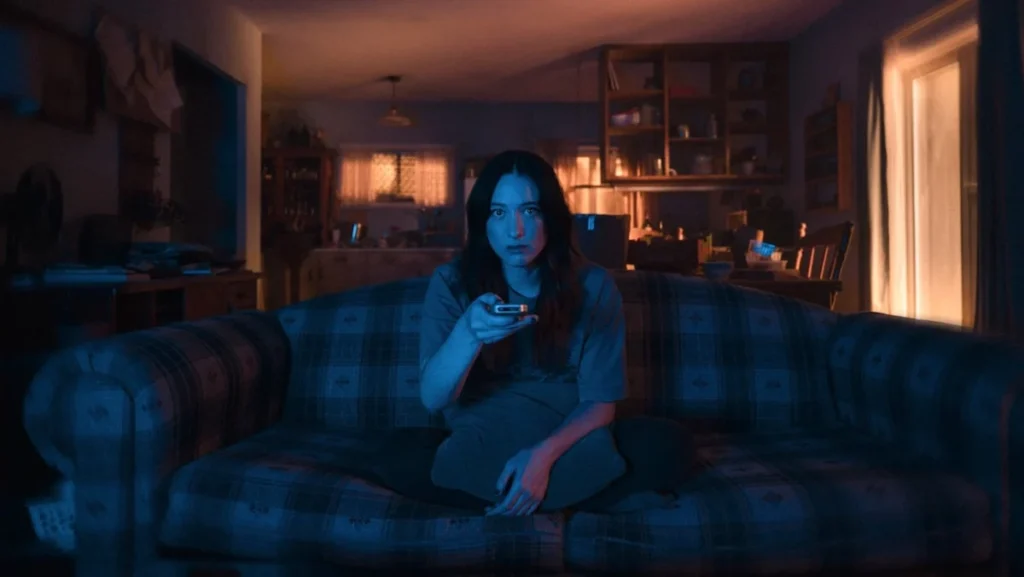
The central plot of Dead Media revolves around a group of friends led by the character Maggie. The narrative begins in a contemporary setting where the protagonists attempt to stream a forgotten, cult-classic nineties slasher flick titled Night of the Lurchers. The situation escalates when Maggie’s uncle, an obsessive collector of horror memorabilia, intervenes. He insists that a digital stream is an inferior way to experience the film, bringing over a physical DVD copy to ensure the group experiences the full, unfiltered version of the movie, complete with its original bonus features.
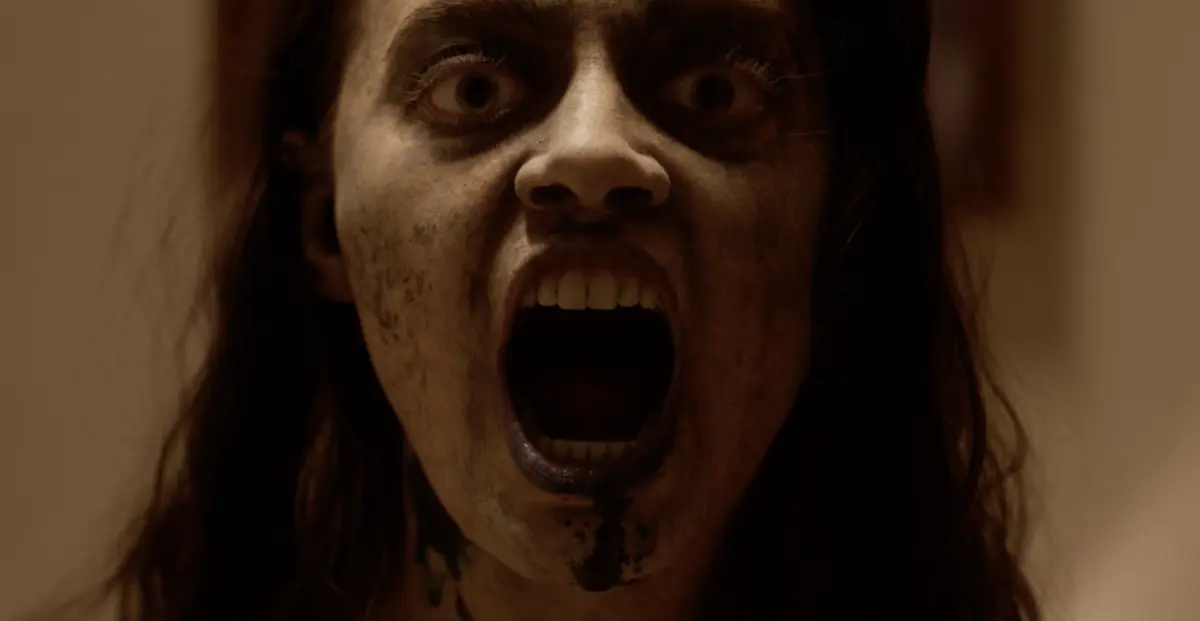
This act of technological regression serves as the catalyst for the horror. Once the disc begins to play, the boundaries between the celluloid reality of the nineties film and the protagonists’ living room begin to dissolve. The creatures from Night of the Lurchers manifest physically, trapping the characters in a lethal game of survival. The film masterfully utilizes the "cursed object" trope, updating it for an era where physical media has largely been replaced by intangible streaming services.
Cast and Production Pedigree
Dead Media features a dedicated ensemble cast tasked with grounding the high-concept premise in relatable human terror. The production includes performances from Sammi-Jack Martincak, Sam Landman, James Urbaniak, Jessica Fenton, and Anna Sundberg. James Urbaniak, widely recognized for his voice work in the cult animated series The Venture Bros., brings a layer of seasoned gravitas to the production.

The involvement of Joe Lynch as an executive producer is particularly notable for horror enthusiasts. Lynch has established a reputation for balancing technical filmmaking prowess with an appreciation for the practical effects and tone that defined the horror boom of the late twentieth century. His presence behind the camera, alongside the directorial vision of Joseph Scrimshaw, ensures that the film respects the tropes it deconstructs while providing fresh, kinetic scares.
The "Dead Media" Phenomenon in Contemporary Cinema
The title of the film itself refers to the concept of "dead media"—a term coined by Bruce Sterling to describe obsolete technology that has been rendered useless by progress. In the context of the film, this refers specifically to the DVD format, which has seen a precipitous decline in popularity following the rise of high-definition streaming platforms.
According to data from the Digital Entertainment Group (DEG), physical media sales have been in a state of consistent decline for over a decade. By 2026, the year of this release, the DVD format is largely viewed as an artifact, often relegated to thrift stores or the collections of die-hard cinephiles. Dead Media taps into this cultural transition, suggesting that the act of reviving "dead" technology might come with unforeseen, occult consequences. This thematic choice resonates with a broader audience currently experiencing a resurgence in analog appreciation, from the return of vinyl records to the popularity of retro-gaming.
Chronology of the Project
The development of Dead Media followed a strategic rollout designed to maximize its impact within the horror community:
- Pre-Production and Principal Photography: The production utilized a mix of practical effects and digital integration to simulate the visual aesthetic of nineties low-budget horror, creating a stark contrast between the "film-within-a-film" and the contemporary setting.
- The Roadshow Phase: Before its wide digital release, the film was screened at a series of select theatrical roadshow events. This strategy, common in the independent horror circuit, allowed for word-of-mouth growth and community engagement.
- VOD Launch: Following the positive reception of the roadshow tour, the film was officially released on major digital platforms, including Prime Video, on November 6, 2026.
- Exclusive Promotion: The release has been supported by a series of exclusive clips, including a sequence depicting the protagonists being stalked by a spectral entity, which highlights the film’s tension-building mechanics.
Critical Implications and Genre Analysis
The release of Dead Media arrives at a time when the horror genre is experiencing a period of significant experimentation with "meta-horror." Films that deconstruct the nature of viewing—such as The Ring or more recently, Skinamarink—have paved the way for stories that interrogate how media consumption affects our perception of reality.

Analysts suggest that Dead Media is a commentary on the "sanitized" nature of modern streaming. By forcing the characters to interact with a physical object—a DVD—the film suggests that there is a tangible, perhaps dangerous, weight to the past that the current digital-first culture ignores. The "bonus features" mentioned in the film’s marketing are not just narrative plot points; they represent the hidden, potentially corrupting layers of media that are often stripped away in modern digital distribution.
Industry Reception and Audience Engagement
Early reactions to the film have been focused on its unique blend of nineties nostalgia and modern creature-feature tropes. Critics have noted that the film succeeds in its pacing, moving quickly from the setup of the "haunted DVD" to the realization of the threat. The creature design, intended to mimic the low-budget, gritty aesthetic of nineties slashers, has been cited as a standout element that distinguishes the film from more CGI-heavy horror releases.
While the film is aimed at a niche audience of horror enthusiasts, its availability on mass-market platforms like Prime Video suggests a broader strategy to reach casual viewers who are attracted to the "creature feature" premise. The decision to lean into the "haunted media" subgenre aligns with current market trends that favor high-concept, self-contained horror stories over sprawling franchises.
Looking Ahead
The successful release of Dead Media serves as a testament to the viability of independent horror productions that utilize specific, relatable anxieties to drive their narrative. As the distribution landscape continues to evolve, films like this will likely remain the primary testing ground for innovative storytelling. Whether the film spawns a larger franchise or remains a standalone cult classic remains to be seen; however, its arrival underscores a permanent truth in the horror genre: the past is never truly dead—especially when it is stored on a disc.
As of November 2026, the film remains available for purchase and rental on all major digital platforms. For fans of practical effects, nineties cinema, and the "haunted object" subgenre, Dead Media offers a compelling look at the dangers of letting the past catch up to the present. The industry will be watching closely to see if the film’s unique premise leads to further explorations of "dead media" in the future of genre cinema.