The Chronology of a Mega-Merger
The path to this acquisition was characterized by rapid consolidation and strategic maneuvering within the C-suite of both organizations. The narrative began in earnest last autumn, when Roku founder Anthony Wood signaled to his board of directors that he was contemplating a transition away from the day-to-day rigors of running the company he founded two decades ago. What initially began as discussions regarding succession planning quickly evolved into a structured sale process as Fox Corp emerged as the primary suitor.
By the time the deal was publicly announced, the momentum was palpable. Despite the inherent complexities of a 22 billion dollar transaction, the regulatory path proved surprisingly efficient. In September, the United States Department of Justice confirmed it had initiated an antitrust review of the proposed acquisition, casting a brief shadow of uncertainty over the timeline. However, the regulatory authorities ultimately cleared the path, allowing the deal to close in just under five months—an exceptionally brisk pace for a transaction of this scale and complexity in the current economic climate.
Strategic Integration and Leadership Shifts
The integration of Roku into the Fox corporate architecture will be centered under the newly established Fox Digital Platforms division. This strategic business unit now acts as the umbrella for a robust portfolio that includes the Roku ecosystem, the free ad-supported streaming television (FAST) service Tubi, the premium Fox One service, and the venture-focused Red Seat Ventures.
Anthony Wood, the visionary behind Roku’s hardware-centric growth strategy, is not exiting the industry. Instead, he will assume a seat on the Fox Corp board of directors and take on the role of co-chair of Fox Digital Platforms. This move is designed to ensure continuity and to leverage Wood’s deep technical expertise as Fox attempts to synthesize its broadcast heritage with the software-centric world of Roku.
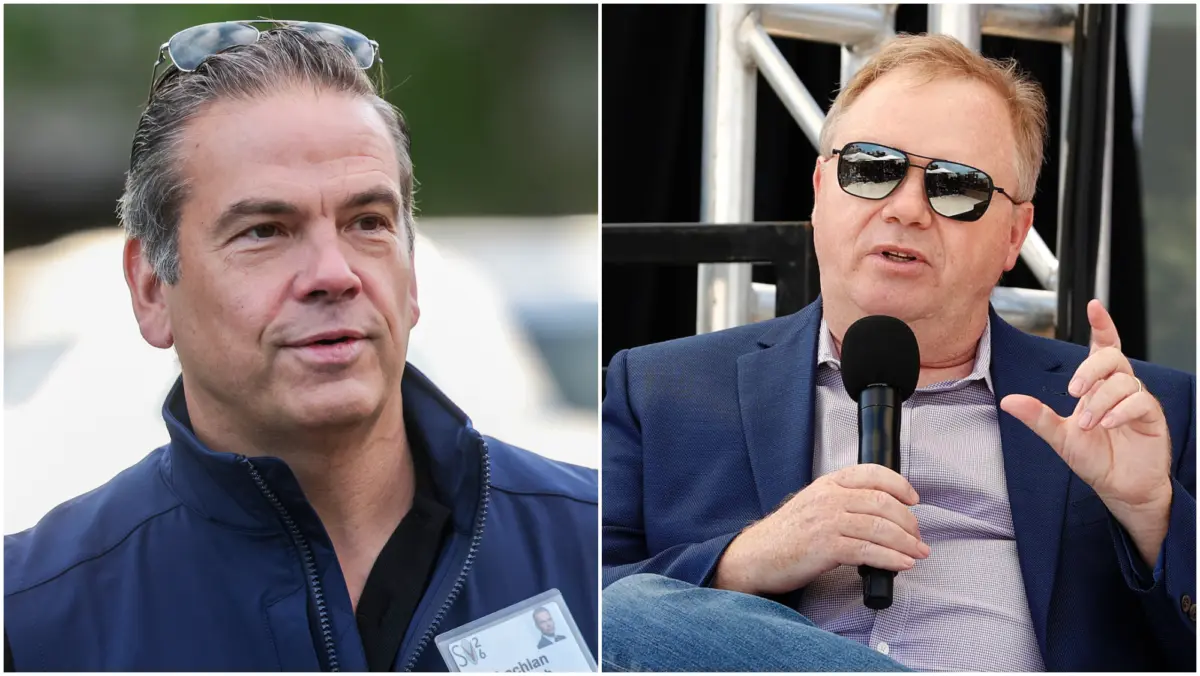
"The closing of this acquisition advances the long-term strategy of Fox," stated Fox CEO Lachlan Murdoch in an official press release. "Beginning today, our top priority for the combined company is to continue to relentlessly serve audiences and partners, while reinforcing the openness and choice that is the essence of the Roku platform. Our shared entrepreneurial passion and clear conviction toward building the future together with our new Roku colleagues gives us great confidence in the opportunities ahead of us."
Wood echoed these sentiments, emphasizing that while the ownership has shifted, the mission remains consistent with his original vision. "We started Roku more than two decades ago to give people a better way to watch TV, and that mission doesn’t change today. What does change is our reach and resources. Fox has a deep respect for Roku’s culture and wholly shares our commitment to staying open to every content partner."
Data-Driven Impact: The 100 Million Household Gatekeeper
The sheer scale of this acquisition is best quantified by the data surrounding Roku’s market penetration. By acquiring Roku, Fox inherits an install base of more than 100 million active households globally. In the United States, Roku has functioned as the primary "gateway to TV" for years, serving as the central hub through which consumers navigate a fragmented landscape of competitors including Netflix, YouTube, Disney+, and Amazon Prime Video.
This "gateway" status is not merely a figure of speech. Roku’s operating system acts as the intermediary between the consumer and the content provider. Through its account system, Roku facilitates streaming bundles and provides a centralized billing platform for premium subscription services. For Fox, the acquisition provides a proprietary data pipeline. By controlling the interface, Fox gains visibility into viewer behavior, content preferences, and ad-targeting metrics on a scale that few other media companies can claim.
Furthermore, the addition of Roku to the existing Tubi platform gives Fox two of the most robust, high-traffic FAST services currently in operation. In an era where cord-cutting is accelerating, the ability to capture viewers who have moved away from traditional cable subscriptions is critical. Fox is effectively betting that the future of television revenue lies in the synergy between proprietary hardware interfaces and ad-supported content consumption.
Implications for the Streaming Ecosystem
The implications of this deal are far-reaching for the broader media industry. Analysts have long speculated about the vulnerability of streaming platforms that lack their own content libraries. By bringing Roku under the Fox umbrella, Fox has solved the "distribution vs. content" dilemma by owning both ends of the chain.
One of the most significant areas of focus for the combined entity will be the monetization of advertising. Fox intends to leverage its sophisticated advertising capabilities across the Roku ecosystem, optimizing the delivery of targeted ads to a massive, segmented audience. Because Roku allows users to subscribe to third-party services through their platform, Fox now finds itself in a unique position where it can theoretically influence, or at least gain insight into, the subscriptions of its direct competitors.
Industry observers note that the "open" nature of the Roku platform—a key point of pride for Anthony Wood—will be put to the test. Critics and competitors will be watching closely to see if Fox maintains the platform’s neutrality or if it begins to prioritize its own Fox One and Tubi content through algorithmic placement or user interface updates. Given the public statements from both Murdoch and Wood, the current strategy is to maintain the status quo, but the long-term potential for preferential integration remains a significant talking point among media analysts.
Future Outlook: Navigating a Competitive Landscape
As the digital television market matures, the consolidation of Roku and Fox represents a defensive and offensive move against the encroaching dominance of tech giants like Amazon, Apple, and Google, all of whom have their own hardware and streaming ambitions. By scaling up, Fox has essentially fortified its position against these tech-first competitors.
For the employees and the engineering teams at both companies, the immediate future involves a period of integration. Wood has expressed confidence in his team’s ability to continue innovating, now bolstered by the financial support and cross-promotional capabilities of a major media conglomerate like Fox.
The successful closing of this deal serves as a bellwether for the media sector. It suggests that despite macroeconomic headwinds and the volatility of streaming subscriber growth, the value of the platform—the literal screen and software that sits in the living room—has never been higher. With the regulatory hurdle cleared and the leadership transition in motion, the combined entity of Fox and Roku is now positioned to define the next phase of the television viewing experience, balancing the legacy of broadcast excellence with the technological imperative of the streaming age.
In the coming quarters, the market will look for signs of synergy, particularly in how Fox integrates its high-value sports and news content with the ease-of-use that defines the Roku experience. If successful, the $22 billion price tag may eventually be viewed as a calculated, essential investment in securing the future of the company in a world where the remote control has been replaced by an operating system.