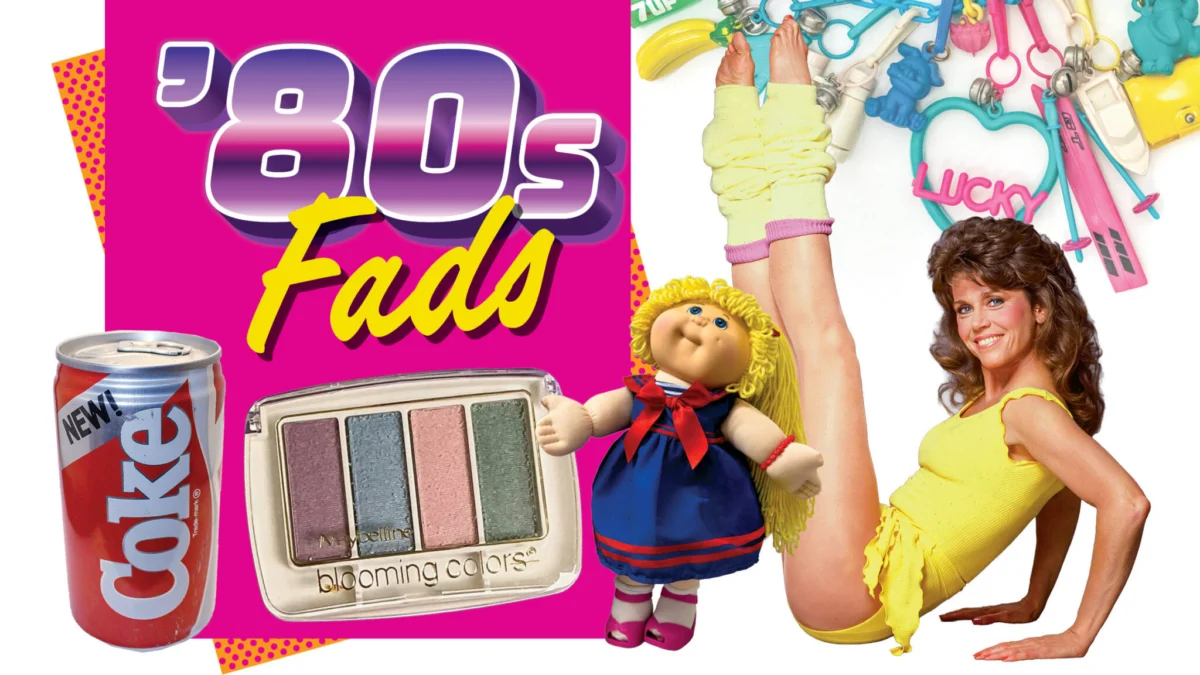
The decade of the 1980s represents one of the most transformative periods in modern history, characterized by a unique intersection of rapid technological advancement, seismic geopolitical shifts, and a consumer culture defined by flamboyant fads and mass-marketed aesthetics. While often viewed through a lens of nostalgia, the era served as a critical pivot point for the global economy and the digital age. From the introduction of the personal computer to the rise of globalized media through MTV, the 1980s established the frameworks for the interconnected, high-speed world of the 21st century.
The Convergence of Technology and Daily Life
The 1980s marked the transition from an analog world to a digital one. In 1981, the release of the IBM Personal Computer (Model 5150) fundamentally altered the professional and domestic landscape. Before this era, computing was largely the domain of large corporations and government entities. By the mid-1980s, the "home computer" became a household aspiration, fueled by the 1984 launch of the Apple Macintosh, which introduced the graphical user interface (GUI) to the masses.
Parallel to the computing revolution was the evolution of portable technology. The Sony Walkman, though introduced in late 1979, reached its cultural zenith in the early 1980s. It revolutionized how individuals consumed media, shifting the experience from a shared, stationary activity to a private, mobile one. This era also saw the birth of the video game industry’s second wave. Following the 1983 video game crash, the 1985 North American release of the Nintendo Entertainment System (NES) revitalized the market, establishing a multi-billion-dollar industry that continues to dominate global entertainment today.
Chronology of Key Cultural and Geopolitical Milestones
To understand the 1980s, one must examine the chronological progression of events that shaped the decade’s identity:
- 1980: The Rubik’s Cube is launched internationally, becoming a global phenomenon and selling over 100 million units within two years.
- 1981: MTV (Music Television) premieres on August 1, forever changing the music industry by making visual aesthetics as important as auditory quality.
- 1983: The Cabbage Patch Kids craze hits its peak, leading to "riots" in department stores—a precursor to modern Black Friday consumer behavior.
- 1984: The Summer Olympics in Los Angeles showcase a new era of commercialized sports, while Apple’s "1984" Super Bowl commercial signals the dawn of the personal computing age.
- 1985: The Live Aid concert takes place simultaneously in London and Philadelphia, demonstrating the power of global satellite broadcasting for humanitarian causes.
- 1986: The Challenger Space Shuttle disaster occurs, marking a tragic pause in the American space program and a moment of national mourning.
- 1987: "Black Monday" sees a massive global stock market crash, highlighting the volatility of the decade’s deregulation and financial expansion.
- 1989: The Fall of the Berlin Wall signifies the beginning of the end for the Cold War, reshaping the geopolitical map of Europe and the world.
The Economic Engine of Consumer Fads
The 1980s were defined by a robust, often aggressive, consumerism. This was fueled in part by "Reaganomics" in the United States and "Thatcherism" in the United Kingdom, policies centered on deregulation and supply-side economics. The resulting increase in disposable income for the middle and upper classes led to the rise of the "Yuppie" (Young Urban Professional), a demographic that prioritized status symbols and brand-name goods.
Fads were not merely social trends but significant economic drivers. The Rubik’s Cube, for instance, created a massive secondary market for solution guides and competitive "speedcubing." Similarly, the fitness craze, spearheaded by Jane Fonda’s workout videos, transformed the apparel industry. Leg warmers, spandex, and headbands moved from the gym to the high street, creating a fitness-industrial complex that remains a staple of modern retail.
Data from the era indicates that toy sales reached unprecedented heights. In 1983 alone, Cabbage Patch Kids generated over $600 million in retail sales, a figure that adjusted for inflation would exceed $1.8 billion today. This era taught corporations the power of "must-have" items, utilizing television advertising to target children and collectors directly.
Socio-Political Climate and Official Responses
While the surface of the 1980s was often bright and neon, the underlying socio-political climate was fraught with tension. The Cold War remained the dominant backdrop of the decade. Official responses from the era, such as President Ronald Reagan’s "Evil Empire" speech in 1983 and his later 1987 challenge to "Tear down this wall," defined the rhetoric of the time.
Domestically, the 1980s saw the emergence of the HIV/AIDS crisis. For the first half of the decade, official government responses were criticized for being slow and inadequate. It was not until 1986 that Surgeon General C. Everett Koop issued a landmark report calling for comprehensive sex education and the use of condoms, a move that was controversial at the time but proved essential for public health. This period saw a significant rise in grassroots activism, most notably through organizations like ACT UP, which demanded faster drug approval processes and social recognition for those suffering from the disease.
The Media Revolution and the "MTV Generation"
The launch of MTV in 1981 cannot be overstated in its influence on 1980s culture. It created a visual language that permeated film, advertising, and fashion. Artists like Michael Jackson and Madonna used the medium to craft carefully curated personas, turning music into a multi-sensory brand. Jackson’s "Thriller" (1983) remains the best-selling album of all time, largely bolstered by its cinematic 13-minute music video which redefined what the medium could achieve.
This "MTV Generation" was the first to be raised on a 24-hour cycle of visual stimulation. This had broader implications for the film industry, leading to the "high-concept" blockbuster. Films like Top Gun (1986) and Back to the Future (1985) utilized fast-paced editing and pop-heavy soundtracks, mirroring the aesthetic of music videos. The decade also saw the rise of the "Brat Pack," a group of young actors whose films addressed the anxieties and aspirations of American teenagers, further cementing the youth market as a primary economic force.
Health, Science, and Environmental Awareness
The 1980s also witnessed significant milestones in science and environmentalism. In 1982, the first permanent artificial heart, the Jarvik-7, was implanted in Barney Clark, signaling a new frontier in medical technology. On the environmental front, the 1985 discovery of the hole in the ozone layer over Antarctica led to the 1987 Montreal Protocol. This international treaty, designed to phase out the production of substances responsible for ozone depletion, remains one of the most successful examples of global environmental cooperation.
However, the decade was also marked by industrial disasters that reshaped safety regulations and corporate accountability. The 1984 Bhopal gas tragedy in India and the 1986 Chernobyl nuclear disaster in the Soviet Union highlighted the catastrophic risks of industrial and nuclear expansion. These events led to a global shift in how the public perceived industrial safety and the environmental impact of large-scale technology.
Broader Impact and Modern Implications
The legacy of the 1980s is visible in almost every aspect of contemporary life. The decade’s focus on individualism and personal success set the stage for the modern entrepreneurial spirit. The technological foundations laid by early personal computers and the nascent internet (the Domain Name System was established in 1985) evolved into the digital infrastructure that governs the modern world.
Furthermore, the 1980s established the template for the "global village." Through events like Live Aid and the worldwide broadcasting of the wedding of Prince Charles and Lady Diana Spencer (1981), the decade proved that the world could be united—or at least simultaneously engaged—by a single media event. This interconnectedness was a precursor to the social media age.
In conclusion, the 1980s were far more than a collection of eccentric fashion choices and fleeting toy crazes. It was a decade of intense contradiction: an era of profound economic growth alongside the emergence of devastating health crises; a time of heightened Cold War fears followed by the sudden collapse of the Iron Curtain; and a period where the individual’s experience was increasingly mediated through a screen. By examining the fads and milestones of the 1980s, we gain a clearer understanding of the forces that continue to shape the cultural and political landscape of the 21st century.