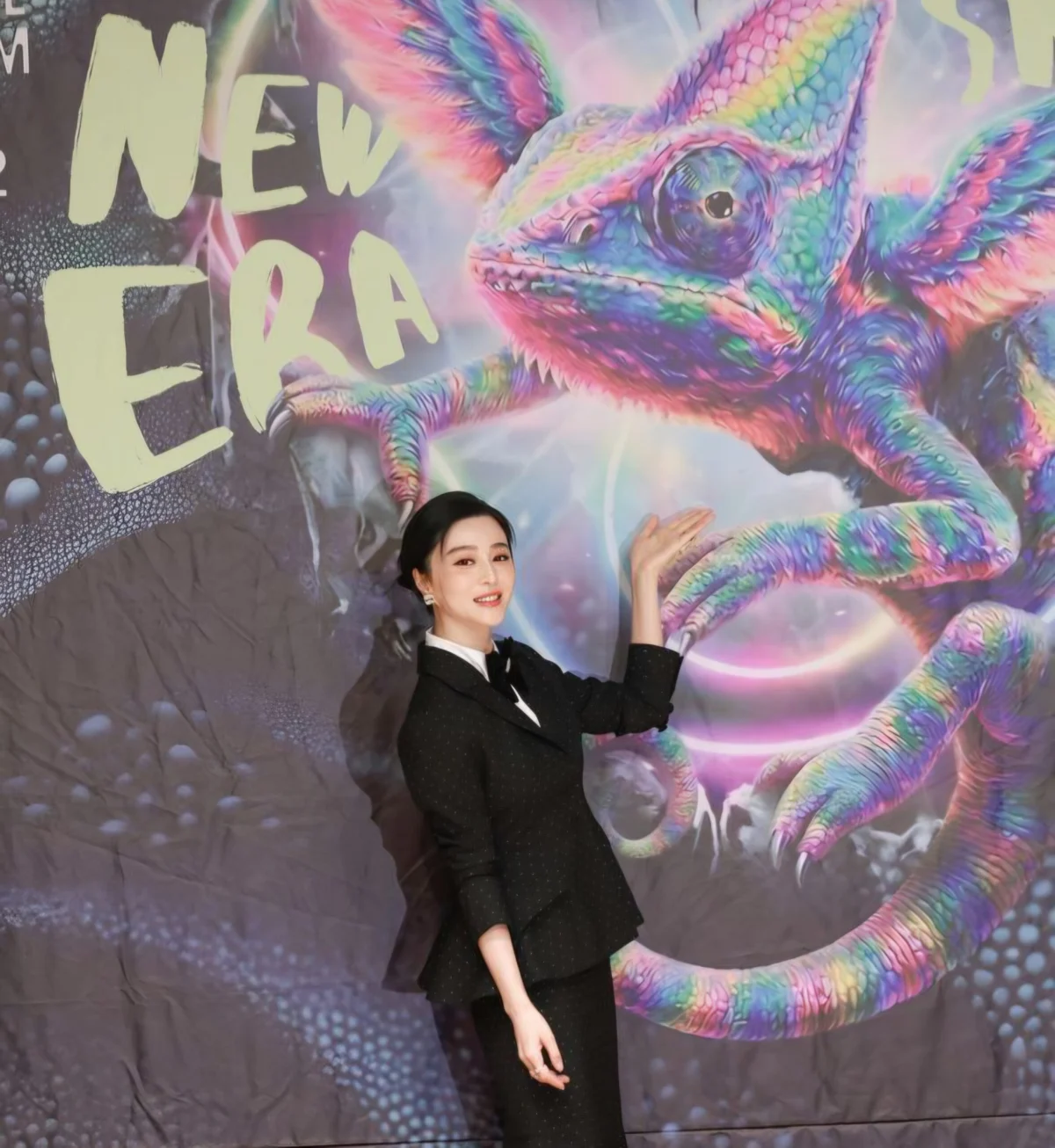
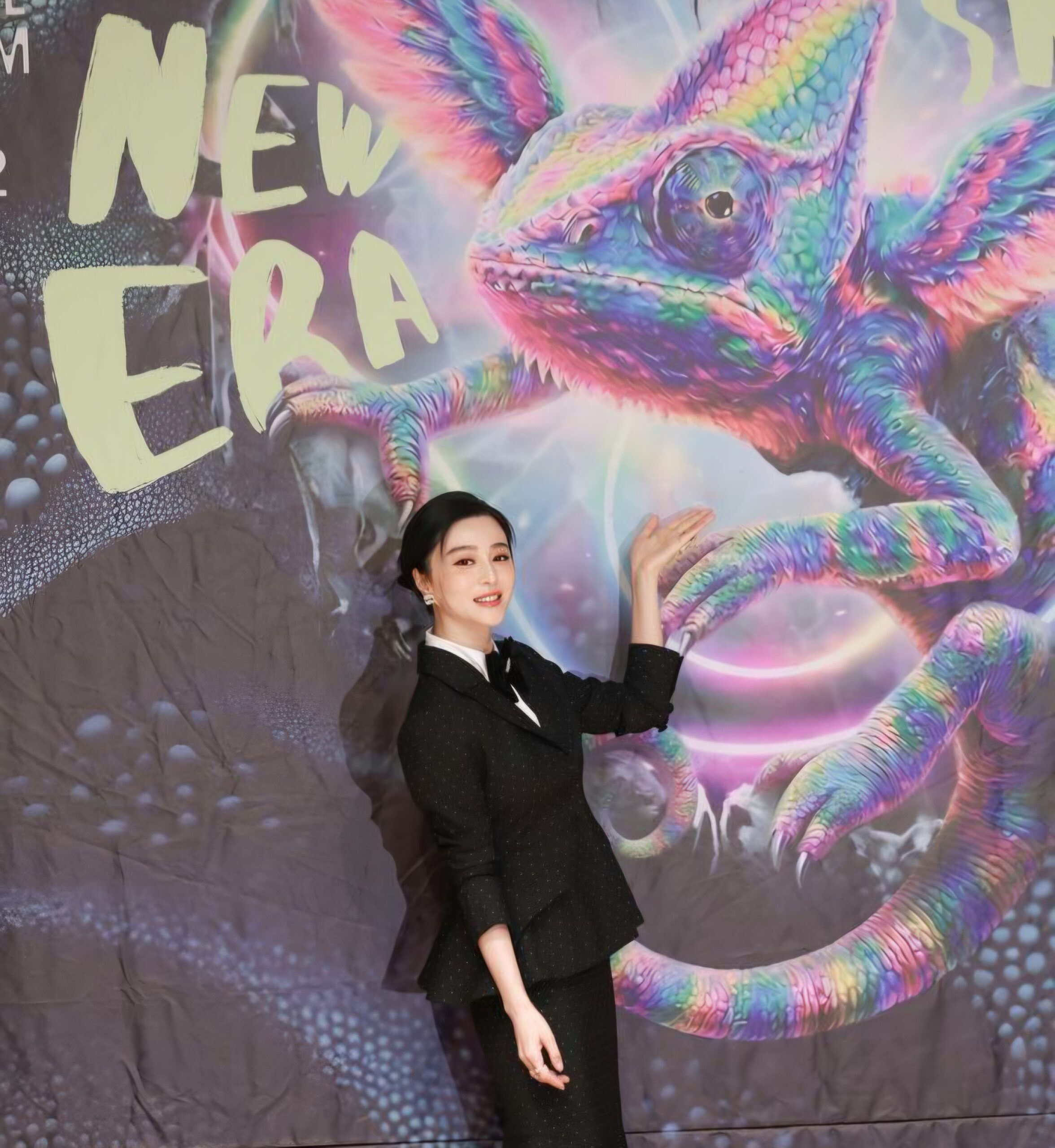
Bucheon, South Korea – Global icon Fan Bingbing made a profound appearance at the 30th Bucheon International Fantastic Film Festival (BIFAN) on July 3, transcending her established persona as a superstar to engage in a candid reflection on artistic transformation, personal resilience, and the evolving landscape of screen performance. Her visit underscored not only her enduring star power but also her strategic pivot towards more challenging, character-driven roles, exemplified by her latest feature, "Mother Bhumi," and her considered views on the impact of artificial intelligence on the craft of acting.
The festival, a cornerstone of Asian genre cinema, is celebrating its landmark 30th edition this year. BIFAN, established in 1997, has consistently championed fantastic cinema, embracing horror, science fiction, thrillers, and fantasy from around the globe, fostering a unique platform for emerging talents and seasoned filmmakers alike. Its three-decade journey mirrors the significant shifts within the international film industry, making it a particularly poignant stage for Fan Bingbing, whose own career now spans an impressive 30 years. "BIFAN and I are the same age," Fan remarked at a press conference, finding a beautiful connection in this shared milestone, which she described as offering "great encouragement and comfort." The previous evening, she had been honored with BIFAN’s prestigious Global Icon Award at the opening ceremony, a testament to her indelible mark on world cinema and her unwavering influence. This award, historically recognizing figures who have left an extraordinary global impact, positions Fan among an elite group of cinematic trailblazers, acknowledging her contribution not just as an actress but as a cultural phenomenon.
A Redefined International Screen Identity: From Glamour to Gritty Realism
Fan Bingbing’s presence at BIFAN carries particular weight given her recent career trajectory. Once synonymous with high-profile Chinese blockbusters and a constant fixture on the most glamorous international red carpets, her professional path has undergone a significant re-evaluation and reshaping in recent years. Known for her roles in commercial successes like "Cell Phone" (2003), "Flash Point" (2007), and "Sacrifice" (2010), and her forays into Hollywood productions such as "X-Men: Days of Future Past" (2014), Fan cultivated an image of an ethereal, sophisticated beauty. She frequently graced the covers of fashion magazines and represented numerous luxury brands, solidifying her status as one of China’s most recognizable and highest-earning celebrities.
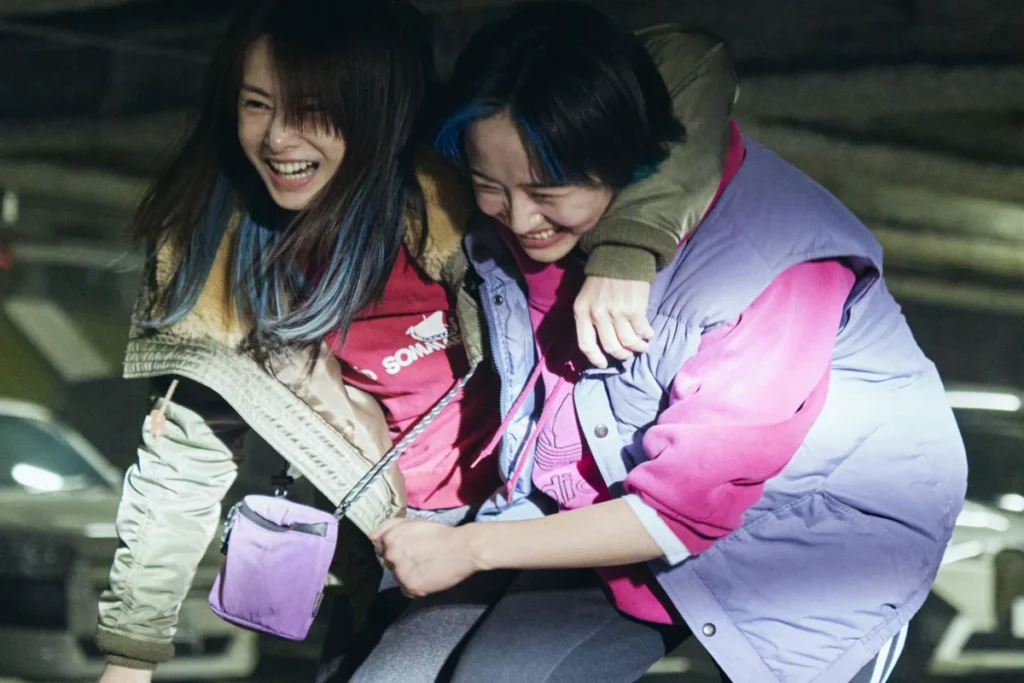
However, a period of public challenges and introspection around 2018 prompted a strategic shift. Her return to the global stage has been marked by a deliberate move away from conventional glamour, towards more physically demanding, culturally specific, and festival-oriented projects. This evolution signals a mature artist seeking depth and authenticity over mere visibility. Her performance in the Korea-set "Green Night" (2023), a gritty thriller that premiered at the Berlin International Film Festival, served as a potent precursor to this new chapter, demonstrating her willingness to inhabit complex, non-glamorous characters. "Mother Bhumi" continues this process of profound reinvention, positioning her as an actress committed to challenging herself and expanding her artistic range.
"Mother Bhumi": A Deep Immersion into a Forgotten World
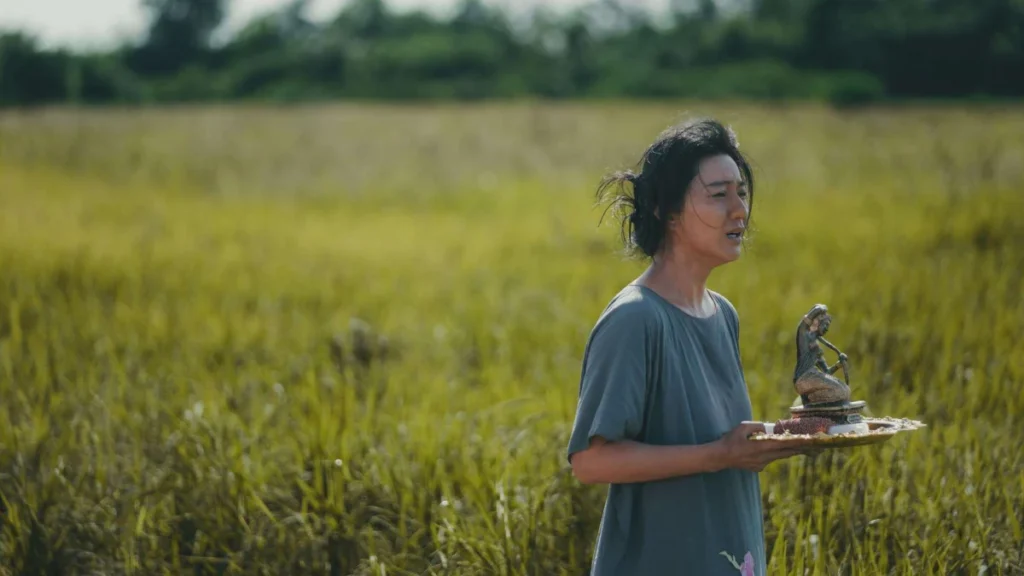
At the heart of Fan’s BIFAN discussion was "Mother Bhumi," a film that represents one of her most striking transformations to date. Directed by acclaimed Malaysian filmmaker Chong Keat Aun, the movie plunges audiences into a multi-ethnic rice-farming village near the Malaysia-Thailand border in the late 1990s. The narrative is a rich tapestry woven from rural realism, ancient folklore, simmering political tensions surrounding land disputes, and deep-seated supernatural beliefs.
Fan portrays Hong Im, a widowed farmer navigating the arduous task of raising her children amidst the demanding rhythm of agricultural life. Beyond her familial responsibilities, Hong Im serves her community as a revered ritual healer and exorcist. By day, she confronts the tangible threats to her village – the struggle for land, the harshness of nature, the complexities of human conflict. By night, she descends into a different realm, communing with spirits, battling black magic, and untangling unresolved histories that haunt the land and its people. This dual existence demands a performance that is both grounded in the mundane and elevated by the mystical, a delicate balance that Fan Bingbing masterfully embodies. The film, in its essence, becomes a profound exploration of grief, resilience, and the inseparable bond between humanity and the land it inhabits.
Navigating Uncharted Territory: Linguistic Hurdles and Physical Rigors
Fan described "Mother Bhumi" as a monumental challenge, particularly due to its linguistic demands. As a Chinese actress portraying a Malaysian local and a shamanic figure, she was required to speak five different languages and dialects, including Malay, Yunnanese, and various Chinese dialects, in addition to memorizing intricate ritual incantations. "Language was the biggest difficulty," she confessed at the press conference, revealing that she dedicated an intensive four months to preparation, meticulously studying and practicing to achieve authenticity. This level of linguistic immersion is a testament to her commitment to the role, pushing her far beyond the comfort zone of her native Mandarin.
The casting process itself presented an initial hurdle. Director Chong Keat Aun, aiming for unvarnished realism, had initially considered casting a local non-professional farmer for the role of Hong Im. However, Fan Bingbing was deeply captivated by the script’s raw power and the complexity of the character, expressing a profound desire to take on the part. Chong admitted to wondering if "an actress like Fan Bingbing" could truly embody such a grounded, non-glamorous character. Yet, her unwavering determination and evident passion ultimately won him over. Fan recalled the director’s eventual trust, which she believes allowed her to tap into a previously unseen facet of her acting capabilities. She even quipped that many viewers might not recognize her during the film’s initial 15 minutes, highlighting the extent of her physical and character transformation.
The production was also physically arduous. Fan recounted the beautiful yet demanding rural Malaysian setting, noting with a laugh that she was bitten by mosquitoes more than 50 times while working in the rice fields. Despite these hardships, she deemed the experience profoundly worthwhile, emphasizing how it allowed her to deeply engage with a new culture and contribute to something meaningful. This dedication reflects a paradigm shift from her earlier career, where high-stakes productions often prioritized comfort and controlled environments. Adding a layer of authenticity to the film’s mystical elements, Fan revealed that director Chong Keat Aun’s own father, who hailed from Kedah, Malaysia, had been a well-known shaman. This personal connection undoubtedly enriched the film’s portrayal of ritual and supernatural belief, grounding it in lived experience.
A Resurgent Connection to Korean Cinema
Fan Bingbing’s appearance at BIFAN also served as an opportunity to reflect on her enduring ties with Korean cinema. She recalled her collaboration with acclaimed Korean actor Jang Dong-gun in the 2011 war epic "My Way," a significant pan-Asian co-production that brought her closer to the Korean film industry. More recently, her experience shooting "Green Night" in Korea during the challenging COVID-19 pandemic further deepened this connection. She shared anecdotes about diligently studying Korean, as approximately half of her dialogue in "Green Night" was in the language, jokingly lamenting that she has since forgotten much of it. These experiences underscore her versatility and willingness to work across cultural and linguistic boundaries, making her a truly pan-Asian figure.
The Human Heart of Performance in an AI World
Perhaps one of the most salient points of Fan’s press conference was her thoughtful commentary on the escalating influence of artificial intelligence in the film industry. Her position was balanced, acknowledging the potential benefits while firmly delineating its limitations concerning human artistry. She conceded that AI could prove invaluable in reducing production costs and empowering younger directors to realize ambitious, imaginative visions, particularly for scenes involving large-scale spectacle such as warfare, crowd scenes, or intricate digital environments. This pragmatic view aligns with ongoing industry discussions about AI’s role in pre-production, visual effects, and post-production workflows.
However, Fan drew a clear and emphatic boundary around the core act of performance. "Acting is ultimately done by human beings," she asserted, articulating a sentiment shared by many in the creative community globally. "AI cannot replace the expression of complex emotions and feelings." This statement resonates profoundly with the recent industrial actions in Hollywood, where concerns over AI’s potential to replicate or replace actors, and the implications for intellectual property and fair compensation, were central to the SAG-AFTRA strike. Fan’s perspective underscores the irreplaceable value of human empathy, intuition, and lived experience in crafting nuanced emotional portrayals—qualities that AI, despite its advancements, struggles to authentically replicate.
Her remarks gain particular significance when viewed through the lens of "Mother Bhumi." The film is, in many ways, a powerful counter-narrative to the disembodied nature of AI-generated content. Fan’s performance in "Mother Bhumi" is deeply physical, grounded in the tangible world: farming, sweating, walking through mud, enduring insect bites, and mastering unfamiliar languages. It demands an actor’s full bodily and emotional immersion in a specific, lived-in world, a stark contrast to the abstract, algorithmic processes of AI. This film, therefore, champions the very essence of human performance that Fan argues is beyond AI’s grasp.
A Philosophy of Sustained Excellence and Independence
When questioned about the driving force behind her sustained success at the pinnacle of her profession for three decades, Fan Bingbing offered a deeply personal and empowering insight. "I believe a woman must have work that she loves and can hold independently," she stated, emphasizing the importance of autonomy and passion in one’s career. "For me, that is acting." This declaration speaks to her resilience and her unwavering dedication to her craft, particularly in an industry that can be notoriously fickle and challenging for women. She further added that witnessing mature actresses continue to shine on screen provides her with immense strength and inspiration as she progresses in her own career, highlighting a desire for longevity and meaningful contributions beyond fleeting youth and fame.
At its 30th edition, BIFAN is celebrating Fan Bingbing as a global icon, yet her recent work, especially "Mother Bhumi," reveals a depth that transcends mere celebrity. Her current significance lies not solely in her red-carpet visibility or her historical impact, but in her courageous willingness to transform, to embrace artistic risks, and to rigorously test the essential, irreplaceable elements of acting in a rapidly changing cinematic landscape. Her journey embodies the very spirit of BIFAN itself: a festival that celebrates the fantastic, the boundary-pushing, and the enduring power of human creativity. Her performance in "Mother Bhumi" and her thoughtful discourse on AI confirm her status not just as a star, but as a dedicated artist grappling with the fundamental questions of cinema’s future.