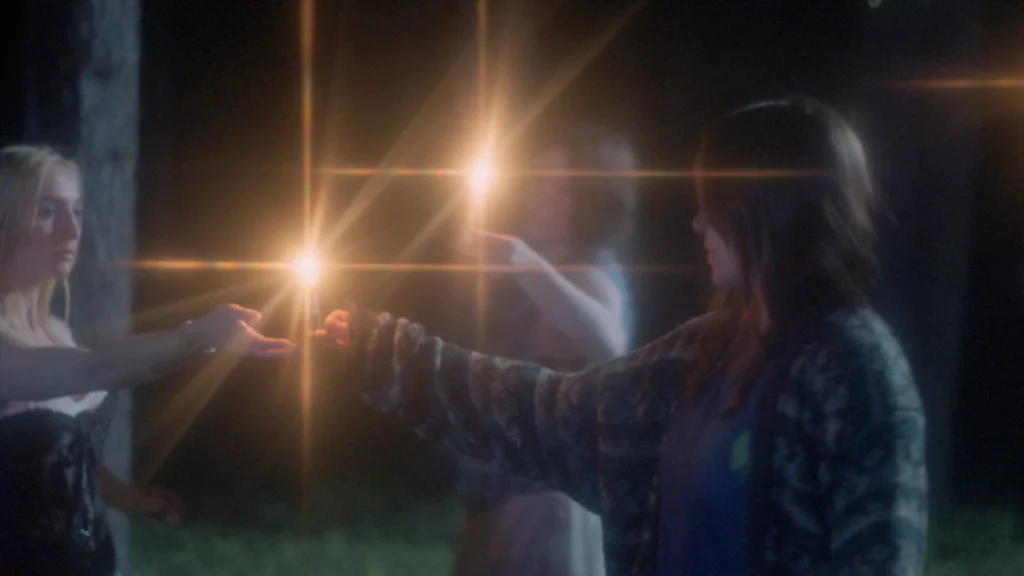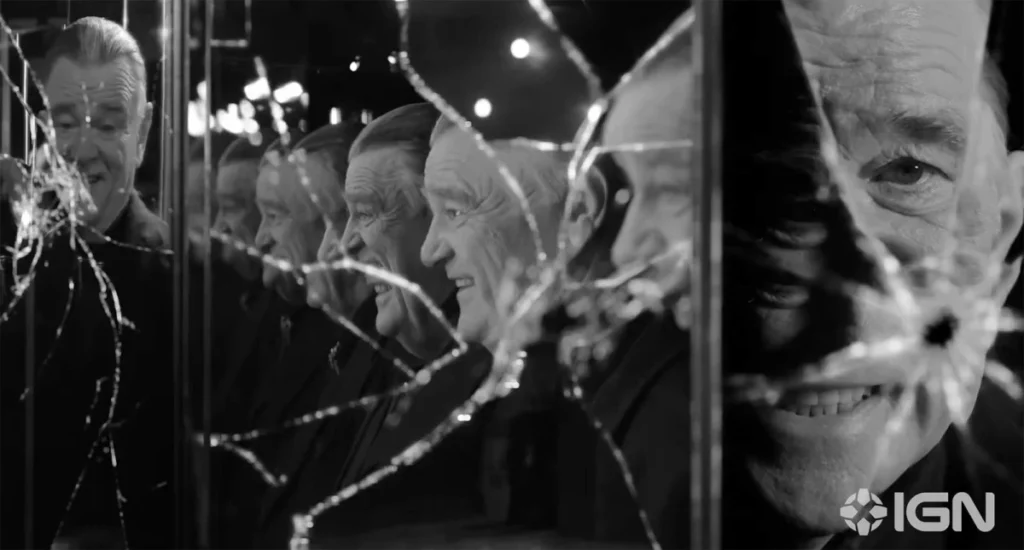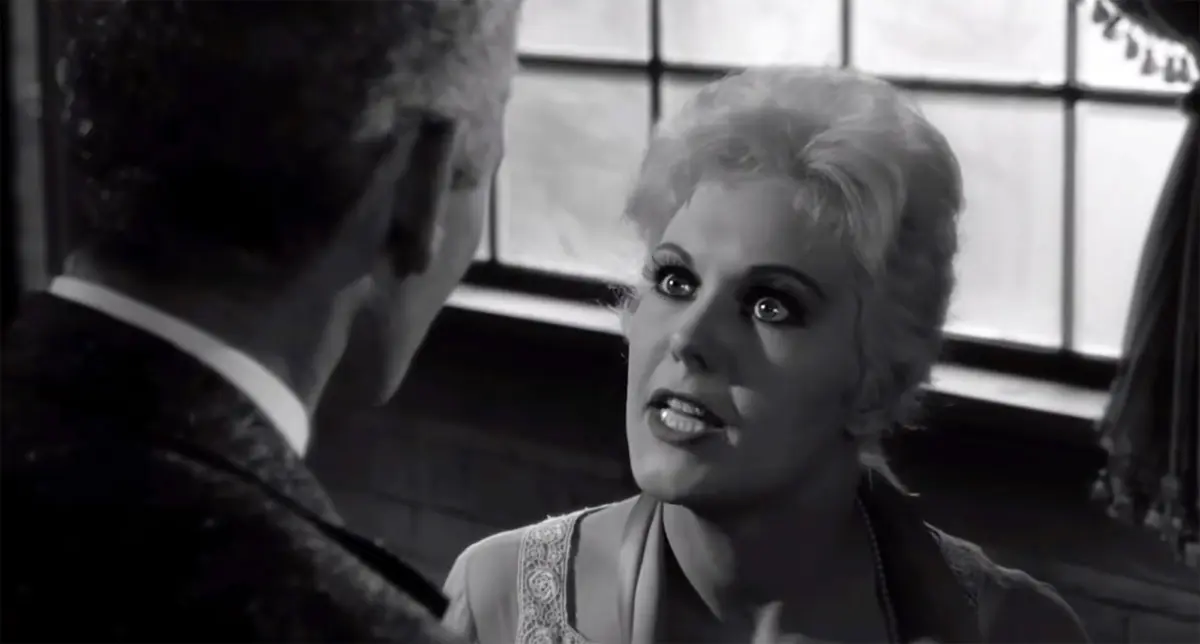
Kino Lorber has announced the official release of Kim Novak s Vertigo, a deeply intimate documentary directed by acclaimed cinema historian and filmmaker Alexandre O. Philippe. Following its critically acclaimed world premiere at the 2025 Venice Film Festival, the feature-length documentary is scheduled to make its home entertainment debut this October. Eschewing a traditional theatrical run, the distributor will release the film directly to Video-on-Demand (VOD) and DVD formats, offering cinephiles and film historians nationwide unprecedented access to the inner life, career, and enduring legacy of one of Hollywood’s most enigmatic golden-age stars.
The documentary focuses primarily on the life, artistic journey, and personal truths of Marilyn Pauline Novak, professionally known as Kim Novak, alongside a granular examination of her role in Alfred Hitchcock’s 1958 psychological masterpiece Vertigo. In Philippe’s signature style of exhaustive, analytical cinema documentaries, the project transcends a standard retrospective. Instead, it serves as an unvarnished exploration of identity, artistic autonomy, and the psychological toll exacted by the mid-20th-century Hollywood studio system.
Main Facts and Distribution Details
Kim Novak s Vertigo is slated for release on October 13, 2026, courtesy of distributor Kino Lorber. The documentary represents the latest collaboration and directorial effort from Alexandre O. Philippe, a Swiss filmmaker renowned for his deep dives into cinematic history, pop culture iconography, and the anatomy of classic filmmaking. Produced by Terri Piñon, the project brings together archival exploration and direct testimony from Novak herself, who reflects on her trajectory from a fiercely independent young actress to an artist who deliberately walked away from the epicenter of global fame.
Rather than pursuing a conventional cinematic rollout across multiplexes, Kino Lorber has positioned the documentary for direct home viewing, targeting collectors, academic film programs, and dedicated movie enthusiasts. The release strategy aligns with the intimate nature of the film, which relies heavily on close-up reflections, personal artifacts, and unfiltered commentary from Novak regarding her complex relationship with the industry that made her a global icon.

Chronology of Production and Festival Circuit
The genesis of Kim Novak s Vertigo dates back several years, building on Alexandre O. Philippe’s sustained examination of cinematic touchstones. Philippe, whose extensive filmography includes 78/52: Hitchcock’s Shower Scene (2017), Memory: Origins of Alien (2019), and Lynch/Oz (2022), has steadily carved out a niche as a cinematic archaeologist. However, where many of his previous works focused on dissecting specific scenes or the collaborative mechanics of auteur-driven projects, his recent slate has shifted toward biographical and personal portraits of industry legends, such as his work on William Friedkin, William Shatner, and Texas Chain Saw Massacre history.
The project reached its first major milestone in late summer 2025, when it was selected for the official lineup of the Venice Film Festival. Its premiere on the Lido generated significant buzz among international critics, who lauded the film for subverting standard Hollywood biographical tropes. Reviewers highlighted the documentary’s rare achievement in granting Novak full agency over her own narrative, allowing her to challenge decades-old myths perpetuated by studio publicists and film historians alike. Following its festival run, the film secured distribution with Kino Lorber, leading to the official trailer release and the upcoming October 2026 home media debut.
Supporting Data and Filmmographic Context
To understand the weight of Alexandre O. Philippe’s latest work, one must contextualize the prolific output of the director and the historical significance of its subject. Philippe has established a distinct methodology in cinematic documentation, frequently combining granular textual analysis with rare archival footage and philosophical discourse from cultural critics and filmmakers.
Selected Filmography of Alexandre O. Philippe
- The People vs. George Lucas (2010)
- Doc of the Dead (2014)
- 78/52: Hitchcock’s Shower Scene (2017)
- Memory: Origins of Alien (2019)
- Leap of Faith: William Friedkin on the Exorcist (2019)
- Lynch/Oz (2022)
- The Taking (2023)
- You Can Call Me Bill (2024)
- Chain Reactions (2025)
- Kim Novak s Vertigo (2025/2026)
Kim Novak’s career itself remains a monumental chapter in cinematic history. Born in Chicago in 1933, she was signed by Columbia Pictures in the mid-1950s and quickly ascended to become one of the studio system’s top box-office draws, starring in classics such as Picnic (1955), The Man with the Golden Arm (1955), Pal Joey (1957), and Bell, Book and Candle (1958). Her collaboration with Alfred Hitchcock on Vertigo, in which she played the dual roles of Madeleine Elster and Judy Barton, produced what many critics regard as one of the most haunting and mesmerizing performances in the history of motion pictures. Yet, disillusioned by the rigid constraints, lack of creative control, and intense public scrutiny imposed by Hollywood, Novak largely retired from major screen acting by the mid-1960s, retreating to the Pacific Northwest to focus on painting and raising horses.
Official Statements and Director’s Vision
In promotional materials and interviews surrounding the release, Philippe has been vocal about the unique atmosphere of trust required to bring the documentary to fruition. Describing the collaborative process, the director emphasized that working with Novak demanded an abandonment of standard documentary detachment in favor of absolute transparency.

"Working with Kim meant stepping into a space of radical honesty," Philippe stated in production notes provided by Kino Lorber. "Her voice—unfiltered, wise, funny, defiant—guides us through the attic of her life: old costumes, fire-scarred scripts, early traumas, and enduring Hollywood ghosts. What I discovered, and what I hope audiences will realise, is that Kim is so much more than a movie star."
The newly released trailer echoes this sentiment, featuring striking archival imagery juxtaposed with contemporary audio of Novak reflecting on her time in the spotlight. The trailer opens with the poignant admission, "You start to lose who you are," immediately setting a tone of psychological introspection. The visual accompaniment includes glimpses of Novak’s personal archives—ranging from physical remnants of her studio days to her life as a visual artist—reinforcing the narrative that her identity was forged independently of the celluloid ghosts created by the studio machine.
Broader Impact and Implications for Film Preservation
The arrival of Kim Novak s Vertigo arrives at a pivotal moment in film historiography, wherein modern audiences and scholars are increasingly demanding a re-evaluation of classic Hollywood narratives through the perspectives of the women who lived them. For decades, the dominant discourse surrounding Kim Novak was filtered through the lens of male directors, studio executives, and contemporary male critics who often conflated the actress with the haunted characters she portrayed on screen—most notably the illusory Madeleine in Vertigo.
By centering Novak’s own voice, the documentary serves as a corrective to historical oversights, offering a case study in artistic survival and personal reinvention. Industry analysts note that direct-to-VOD releases for specialized non-fiction cinema have become a vital lifeline for projects that prioritize deep thematic engagement over mass-market commercial box office metrics. Through Kino Lorber’s distribution, the film is poised to reach academic institutions, film studies departments, and cinephile communities globally, ensuring that Novak’s contributions to the medium are understood not merely as a passive muse for Alfred Hitchcock, but as an active, fiercely independent artist who chose personal authenticity over the gilded cage of Hollywood stardom.