The transition of comedy content from digital platforms to traditional television and major streaming subscription services has evolved significantly over the past decade. During the 2010s, critically acclaimed independent web series such as Broad City and Insecure successfully made the leap from independent internet distribution to major cable and streaming networks, establishing a blueprint for digital-first creators. However, in the contemporary streaming monolith era, such cross-platform migrations have become increasingly rare. Major media conglomerates have tightened development budgets, and live-action indie creators frequently face prolonged development cycles before securing major distribution deals.
It is within this cautious media environment that the workplace comedy series Minimum Wage arrived on Netflix. Produced by American High—a production company specializing in teen and young adult content—the series originated as a collection of viral short-form sketches distributed across TikTok and YouTube, where they amassed millions of views. The television adaptation attempts to capture the frenetic, energetic tone of its source material, though the transition has introduced creative growing pains typical of digital-to-television adaptations.
Production Background and Creative Origins
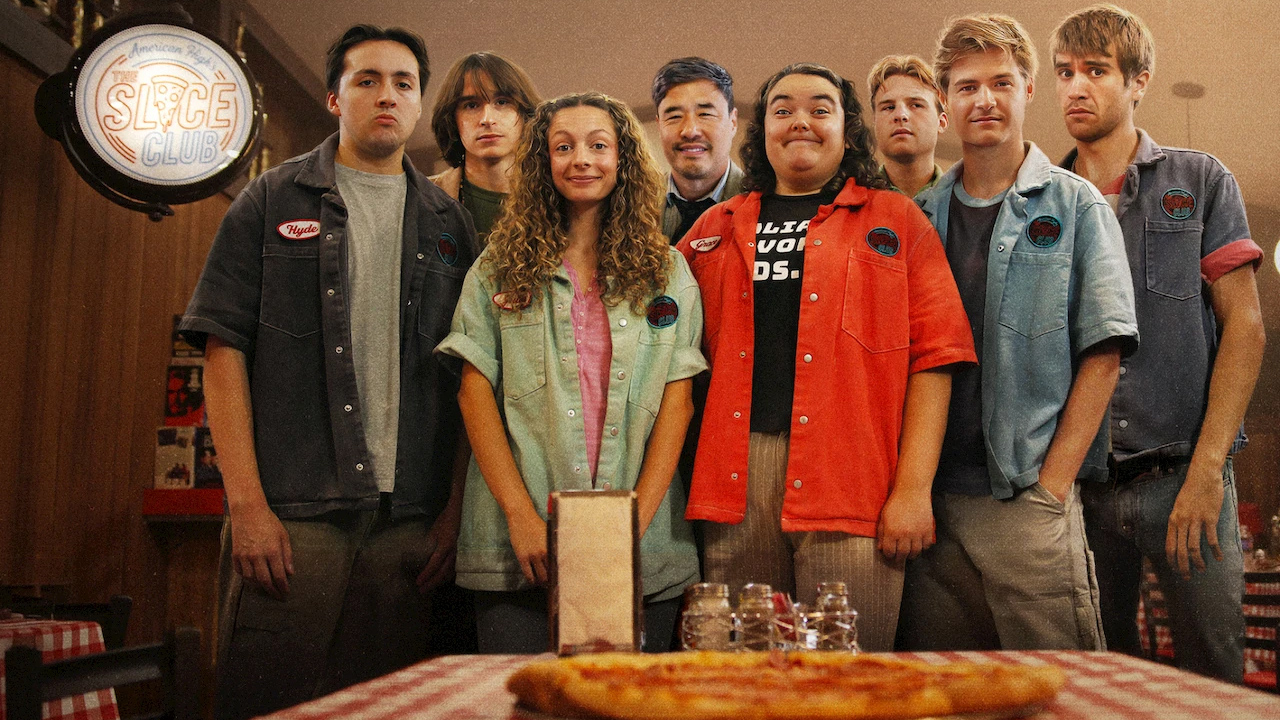
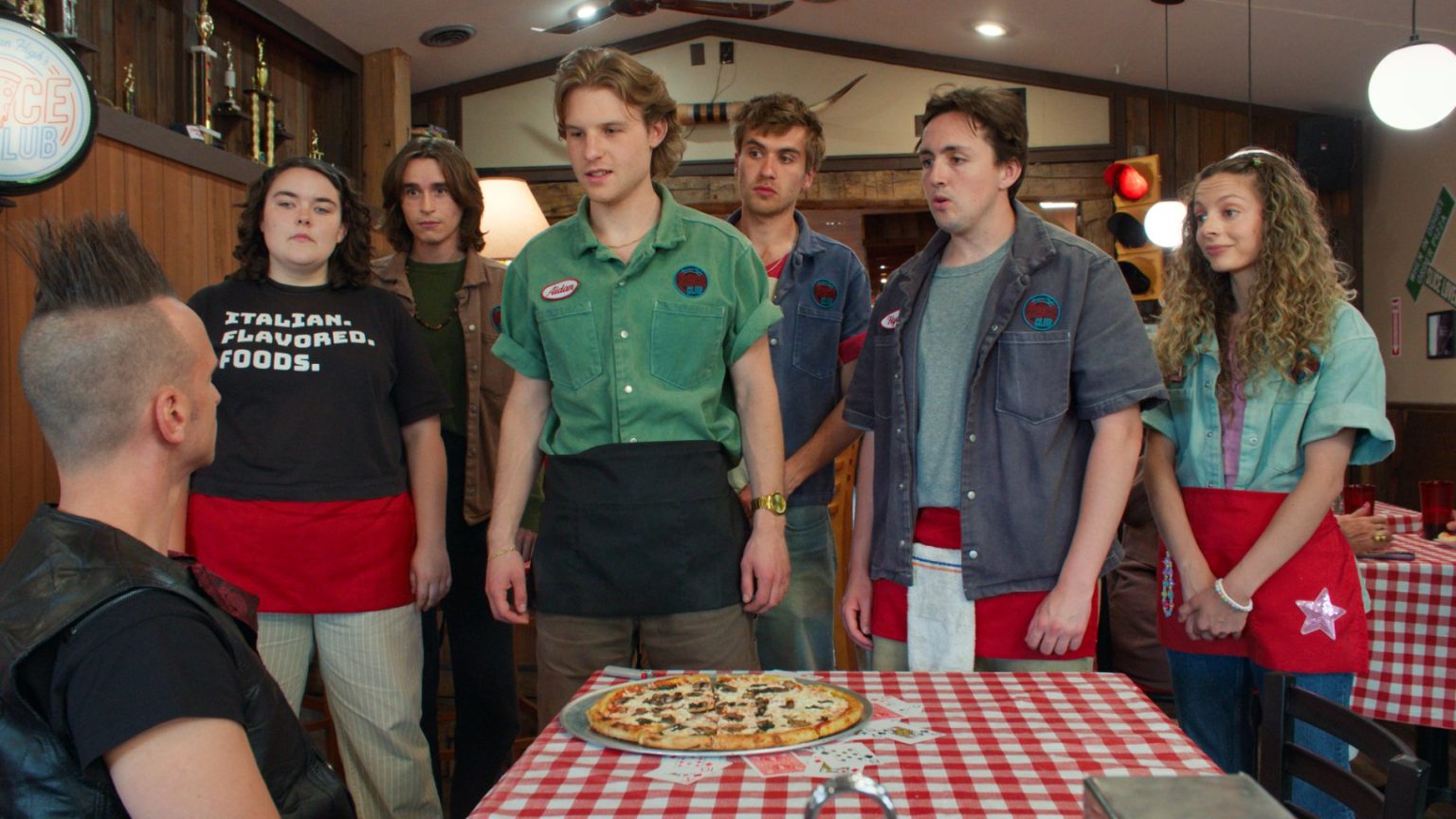
Minimum Wage is showrun by Jeremy Garelick and Will Phelps, and it adopts a workplace mockumentary format reminiscent of foundational comedies like The Office, while incorporating the single-set food service dynamics of Party Down and the small-town eccentricities of Welcome to Flatch. The narrative centers on Slice Club, described as the lowest-performing franchise within a reasonably successful upstate New York pizza chain.
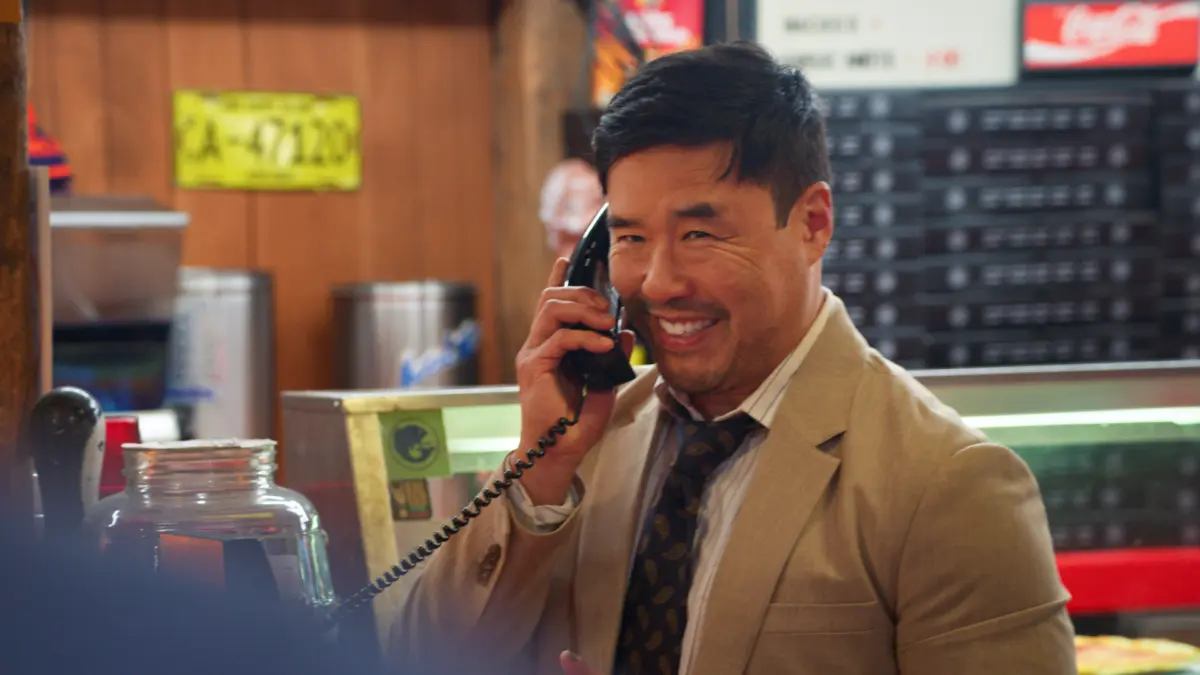
The ensemble cast features Aidan Micho, Hyde Healy, Julia Dicesare, Luke Burke, Ryan Micho, Tommy Armstrong, and Grace Reiter, a recent featured addition to the cast of Saturday Night Live. In a unique production structure, members of the cast also share writing and directing duties for character-driven episodes, rotating responsibilities in pairs. The series also features established comedic actor Randall Park as Terry Sylvester, the downtrodden franchise founder who relocates to the restaurant’s basement following a costly divorce.
The narrative premise establishes high stakes immediately: Terry informs the staff that Slice Club is his only remaining profitable asset after losing his other locations, issuing an ultimatum that the employees must significantly improve their job performance or face permanent closure of the store. Episodes explore the daily operations—or lack thereof—of a largely inexperienced staff of teenagers and young adults, combining workplace absurdity with low-stakes managerial threats.
Chronology and Industry Context for Digital Creators
The pathway from digital short-form content to long-form streaming television has historically served as a vital incubator for emerging comedic talent. Throughout the late 2000s and 2010s, platforms like YouTube and Vimeo allowed creators to bypass traditional gatekeepers, build dedicated audiences organically, and retain creative control.
However, the consolidation of the streaming industry in the 2020s has shifted the economic calculus for platforms and production houses. With streaming services prioritizing subscriber retention and globally recognizable intellectual property over untested indie concepts, greenlighting digital creators has grown infrequent. American High’s partnership with Netflix to adapt Minimum Wage represents a calculated risk, leveraging pre-existing social media engagement to drive initial viewership while testing whether short-form viral aesthetics can sustain a 14-episode, 16-minute-per-episode seasonal structure.
Industry analysts note that while short-form content thrives on immediate visual gags, rapid pacing, and algorithmic appeal, translating these metrics into long-form narrative cohesion presents distinct challenges. For Minimum Wage, the series debuted on Netflix with a total of 14 episodes, each maintaining a concise runtime averaging approximately 16 minutes, aligning closely with the viewing habits of younger Gen Z and Generation Alpha audiences who heavily consume bite-sized digital media.
Character Dynamics and Ensemble Execution
The ensemble cast of Minimum Wage portrays a collection of disaffected, frequently incompetent employees whose responsibilities at Slice Club are secondary to their personal eccentricities. The character lineup consists of seven main staff members: Aidan, whose workplace activities include bizarre attempts at personal growth; Hyde, whose behavior leans into juvenile sexism; Ryan, a perfectionist consumed by the need for validation; Grace, the mentally disengaged manager; Julia, a homeschooled employee with social and educational stunting; Tommy, who utilizes unconventional methods for pizza preparation; and Luke, a 20-year-old delivery driver who functions as the eldest and most experienced member of the staff.
Critical evaluation of the character writing reveals a tension between comedic extremity and narrative consistency. Because the cast members rotated writing and directing responsibilities for individual episodes, critics have observed instances where character traits shift dynamically to serve specific comedic setups rather than maintaining stable psychological profiles. While certain traits—such as Ryan’s persistent need for external validation and Luke’s role as the target of age-related humor—remain consistent, other ensemble members blend together, occasionally rendering their narrative arcs secondary to the episodic gags.
Furthermore, the demographic composition of the cast—consisting predominantly of white actors—has drawn scrutiny regarding the lack of diverse representation within a contemporary workplace setting. While the production justifies this geographically through its upstate New York setting, media critics have pointed out that the homogenous ensemble reflects broader systemic patterns reminiscent of traditional alt-comedy circuits, limiting the broader cultural resonance of the series.
Technical Execution and Stylistic Choices
A significant element of Minimum Wage is its reliance on the mockumentary format, a storytelling device popularized by series such as The Office, Parks and Recreation, and What We Do in the Shadows. However, the execution of this style within Minimum Wage has been a focal point of critical discussion.
In traditional mockumentaries, the presence of the documentary crew is acknowledged either through direct interviews, glances at the camera, or explicit in-universe acknowledgement of the filmmaking process. In Minimum Wage, the mockumentary camera functions largely as an omnipresent narrative observer without formal justification, leading to rapid editing cuts that occasionally misalign with physical slapstick or comedic timing. The frequency of cuts during physical comedy sequences can disrupt the natural rhythm of the physical performance, highlighting the technical growing pains of an otherwise enthusiastic cast and crew.
Despite these technical inconsistencies, reviewers have noted genuine chemistry among the ensemble members. Naturalistic banter and spontaneous comedic interactions—such as recurring comedic bits involving physical affection and workplace frustration—demonstrate the underlying potential of the cast’s interpersonal dynamics.
Industry Implications and Future Outlook
The release of Minimum Wage on Netflix highlights the ongoing experimentation by major streamers to capture younger demographic cohorts who consume entertainment primarily through digital platforms. With traditional television networks offering fewer opportunities for emerging creators, independent production houses like American High serve as critical bridges between internet culture and mainstream media.
Comparisons have been drawn to other freshman comedy series, such as the first season of Adults, which similarly navigated early structural and character-based hurdles before refining its creative vision in subsequent seasons. Observers suggest that the long-term viability of Minimum Wage will depend on whether a potential second season can deepen its character development, diversify its ensemble, and smooth out the technical execution of its mockumentary format.
Ultimately, Minimum Wage occupies a unique space in the current television landscape. By bridging the gap between viral TikTok sketches and traditional streaming infrastructure, the series illustrates both the opportunities and the pitfalls facing the next generation of comedic creators attempting to scale their digital success into television longevity.