The production team behind the voice comic adaptation of the seminal manga series Getbackers, created by Yuya Aoki and Rando Ayamine, has issued a formal apology to the public following a surge of confusion sparked by a recent promotional video. The staff, operating under the Getbackers voice comic initiative, confirmed that while generative AI was utilized in the creation of a recent teaser trailer, the technology plays no role in the production of the voice comic itself. This clarification comes after fans expressed significant alarm, fearing that the long-running series might be undergoing a transition toward AI-driven animation or a reimagined television production, neither of which aligns with the project’s established format.
The Anatomy of a Misunderstanding
The controversy stems from a promotional video released last week by the project’s management. The video was intended to signal the return of the voice comic—an audio-visual adaptation that overlays voice acting and sound effects onto static panels from the original manga—following a ten-month hiatus. However, the promotional material utilized generative AI to create motion-based imagery. Because the production team failed to disclose the specific use of this technology, viewers interpreted the high-fidelity movement as an indication that a new, perhaps AI-generated, television anime series was in development.
The resulting backlash was swift. Fans of the classic series, which originally ran from 1999 to 2007, expressed apprehension regarding the quality and artistic integrity of the franchise. In the current media climate, where the implementation of generative AI in creative industries remains a contentious topic, the lack of transparency fueled speculation that the manga’s legacy was being compromised by automated content production.
Clarifying the Production Scope
In an official statement released via their X (formerly Twitter) account, the voice comic staff addressed the confusion directly. They reiterated that the voice comic project is strictly limited to an "audio-track" format, which enhances the reading experience by providing voice performances for the dialogue and curated sound effects for the action sequences found in the original manga panels.
The staff emphasized two critical points: first, that no generative AI is used in the processing of the source material or the production of the voice comic’s episodes; and second, that they have no intention of using such technology for animation purposes. By drawing a firm line between the promotional trailer and the actual content being distributed to fans, the team hopes to restore trust and refocus attention on the December 1 resumption of the project.
Chronology of the Getbackers Project
The Getbackers franchise has a storied history that spans over two decades, making its fanbase particularly protective of its legacy.
- March 1999: Yuya Aoki and Rando Ayamine debut Getbackers in Kodansha’s Weekly Shonen Magazine.
- 2002: The manga is adapted into a 49-episode television anime series.
- 2004: ADV Films secures the North American distribution rights, bringing the series to a Western audience.
- February 2007: The original manga concludes after a successful eight-year run, spanning 39 volumes.
- 2009: Tokyopop, which had previously held the rights to the manga, loses its licensing agreement with Kodansha.
- 2012: Sentai Filmworks acquires the rights to the 2002 anime series.
- Early 2024: The voice comic project initiates, providing a modern way to revisit the classic narrative.
- November 2024: A 10-month hiatus concludes with a promotional video that inadvertently triggers a public relations crisis due to the use of generative AI.
Responsibility and Institutional Oversight
A notable element of the staff’s apology is the clear attribution of responsibility. The team explicitly stated that the management of the voice comic project was solely responsible for the decision to use generative AI in the promotional video. Furthermore, they clarified that Kodansha, the original publisher of the Getbackers manga, had no involvement in the creation of the video or the decision to employ AI technology.

By distancing the publisher from the incident, the staff aims to protect the integrity of the professional relationship between the creators and the parent company. Moving forward, the team has pledged to implement a more rigorous vetting process for all promotional content. This includes a self-imposed ban on using generative AI in any future teasers or advertisements, specifically to prevent similar misunderstandings from occurring again.
The Broader Implications of AI in Manga Promotion
The incident highlights a growing tension within the Japanese entertainment industry as studios grapple with the integration of AI. While AI tools are often lauded for their ability to reduce costs and shorten production times for promotional assets, the public perception of these tools remains deeply skeptical. For legacy franchises like Getbackers—which command a loyal, long-term audience—the perceived "sanctity" of the source material is paramount.
Industry analysts note that as AI-generated content becomes more prevalent, the burden of transparency falls increasingly on production committees. Failure to label AI-assisted content clearly is no longer just a technical oversight; it is a reputational risk that can alienate the core demographic of a property. The Getbackers voice comic staff’s pivot—choosing to abandon AI in promotional materials—reflects a broader industry trend toward "human-first" marketing, where the value of a brand is tied to the transparency of its creative process.
Understanding the Getbackers Narrative
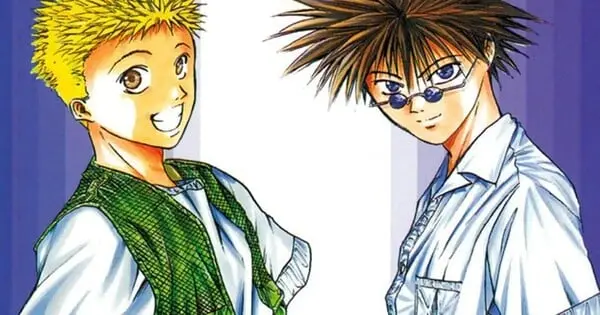
The Getbackers series remains a foundational work of the shonen genre. It follows the story of Ban Mido and Ginji Amano, two individuals with supernatural abilities who operate a recovery service known as the "GetBackers." The premise is deceptively simple: they accept jobs to retrieve lost or stolen items for their clients. However, the series quickly expands into complex character-driven narratives involving the mysteries of their own pasts and the volatile, often dangerous environment of Shinjuku.
The enduring popularity of the manga, which sold millions of copies worldwide, is a testament to the partnership between Aoki and Ayamine. As the voice comic project prepares to resume on December 1, the focus will return to the narrative chemistry between Ban and Ginji. The producers have made it clear that their priority is to deliver an authentic experience that respects the original artwork and the vocal performances that bring it to life.
Conclusion: A Path Forward
The situation serves as a cautionary tale for production teams managing classic intellectual properties. The intersection of emerging technology and established media requires a delicate balance of innovation and respect for tradition. By responding with a transparent apology and concrete policy changes, the Getbackers voice comic team has attempted to de-escalate the situation and reassure fans that the core of the project remains unchanged.
As the industry continues to evolve, the distinction between "AI-assisted promotion" and "AI-generated content" will remain a focal point of public scrutiny. For now, the Getbackers project remains committed to its original mission: the preservation and celebration of an iconic manga series through a medium that bridges the gap between static print and the modern desire for immersive, voice-led storytelling. Fans can expect the project to proceed with renewed oversight, ensuring that the final output aligns with the standards expected of such a cherished series.