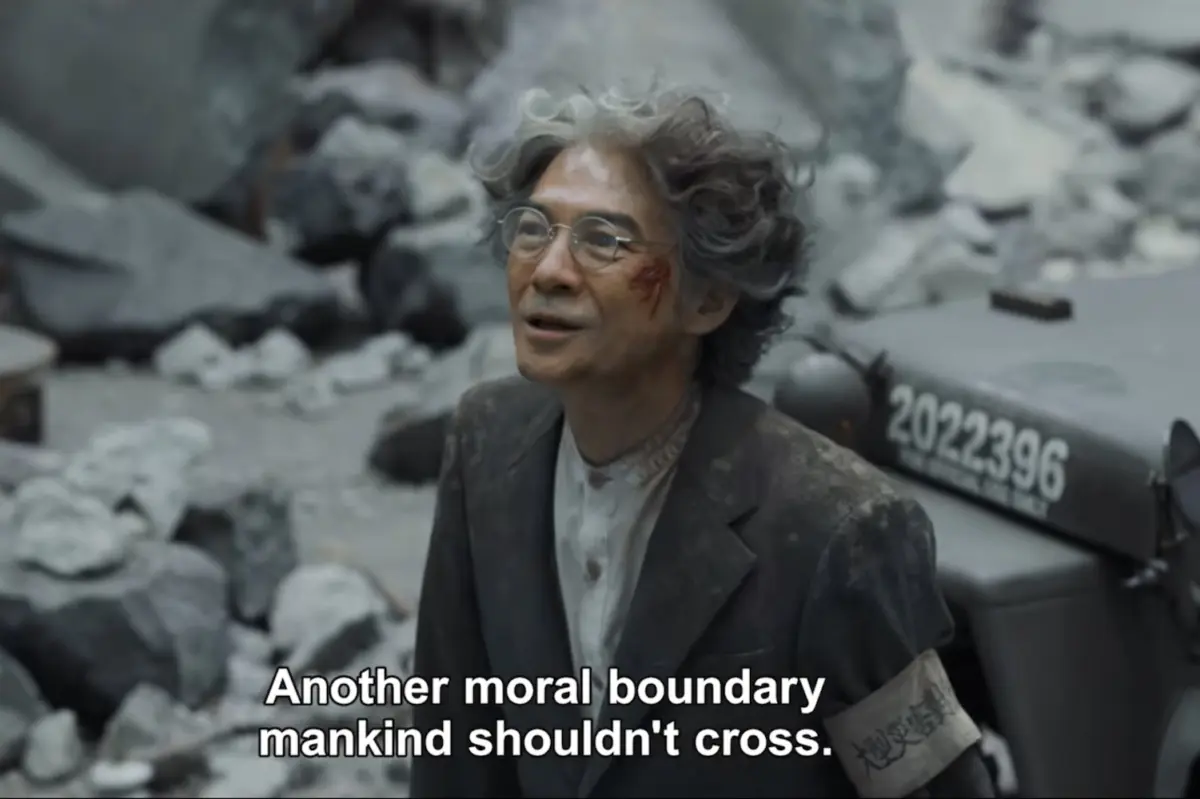
The U.S. premiere of Godzilla Minus Zero at the prestigious New York Film Festival marked a significant milestone for international cinema, introducing North American audiences to the first Japanese-produced feature film specifically formatted for IMAX theaters. Directed, written, and visually supervised by Takashi Yamazaki, the feature arrives on the heels of the historic success of 2023’s Godzilla Minus One, a project that earned international critical acclaim and an Academy Award for Best Visual Effects. Industry observers and critics attending the festival screenings noted that the new installment not only maintains the high dramatic stakes of its predecessor but attempts to broaden the socio-political and historical framework that has defined the Toho-produced franchise for decades. The premiere event underscored the enduring global appeal of the radioactive behemoth, bridging the gap between classical monster spectacles and contemporary, character-driven trauma narratives.
Historical Context and Background of the Franchise
Since its inception in 1954 by director Ishirō Honda, the Godzilla franchise has served as a cultural proxy for real-world anxieties, most notably the atomic bombings of Hiroshima and Nagasaki and the post-war nuclear age. While many Hollywood adaptations have leaned heavily into blockbuster spectacle and monster-brawling escapism, Toho’s domestic productions have periodically returned to the thematic roots of the kaiju as a literal manifestation of collective devastation.
Godzilla Minus One shifted the timeline back to the immediate aftermath of World War II, presenting a Japan utterly defeated, stripped of its military infrastructure, and abandoned by its political leadership. The narrative focused on demobilized soldiers, orphaned children, and ordinary citizens grappling with survivor’s guilt in a landscape reduced to rubble. Godzilla Minus Zero inherits this meticulous historical framework, advancing the chronology slightly while deepening the psychological scars left by the conflict. By framing the monster’s resurgence against a backdrop of societal reconstruction, the filmmakers anchor the science fiction premise in genuine historical trauma, offering an alternative perspective to Western cinematic treatments of the era, such as Christopher Nolan’s Oppenheimer.
Chronology and Narrative Expansion
The production timeline for Godzilla Minus Zero reflects Toho’s accelerated commitment to high-quality, prestige-tier kaiju filmmaking following the unprecedented global box office performance of Minus One, which grossed over $115 million worldwide. Principal photography and extensive visual effects work, overseen by Yamazaki alongside VFX Director Kiyoko Shibuya, Takayuki Ueki, and Eishin Okubo, moved rapidly to capitalize on the creative momentum established by the previous film.

The narrative picks up as the primary ensemble from the first film attempts to forge a fragile normalcy. Returning cast members Ryunosuke Kamiki, Minami Hamabe, and Sae Nagatani reprise their roles as Shikishima, Noriko, and the young child Akiko, navigating the lingering physical and psychological repercussions of their encounters with the creature. However, this domestic tranquility is short-lived. The introduction of a catastrophic new threat—unveiled in the film’s opening sequences—compels the characters back into active resistance.
To manage this emerging crisis, the narrative expands its institutional scope. The fan-favorite character Kenji Noda, portrayed by Hidetaka Yoshioka, is elevated to a leadership role within the newly established "Large-Scale Disaster Response Bureau." This bureaucratic and scientific task force introduces key new figures, including a biologist played by Min Tanaka, a weather forecasting prodigy portrayed by Masami Nagasawa, and a physician brought to life by Jun Kunimura. This expanded roster allows the screenplay to explore institutional responses to disaster, contrasting the improvised heroism of individual citizens with the calculated pragmatism of scientific analysis.
Production Design and Technical Achievements
As the first Japanese film officially engineered for IMAX presentation, Godzilla Minus Zero represents a technical watershed for Toho Studios. The collaboration between Yamazaki’s directorial vision and the digital effects team resulted in sound mixing and visual compositing designed specifically to test the limits of large-format cinema. According to early reports from the New York Film Festival, the auditory experience is characterized by a thunderous, immersive soundscape that amplifies the psychological disorientation experienced by the characters on screen.
Visually, the film employs meticulous digital effects to depict large-scale destruction without sacrificing the tactile realism of post-war Tokyo and its surrounding regions. The integration of historical archive-style aesthetics with state-of-the-art kaiju modeling ensures that the monster remains a terrifying force of nature rather than a mere digital abstraction. Critics have highlighted the seamless blend of practical set design and computer-generated imagery, noting that the production values rival or exceed those of major Hollywood studio releases while operating on a comparatively restrained budget.
Thematic Analysis: Morality, Geopolitics, and Trauma
At the core of Godzilla Minus Zero is an uncompromising examination of moral compromise and historical accountability. The narrative places its central characters in situations where survival frequently demands ethical concessions. This is acutely demonstrated through the film’s depiction of international diplomacy, specifically regarding the fraught relationship between Japan’s newly formed disaster response agencies and American geopolitical interests. While the United States possesses the financial resources and military hardware potentially required to neutralize the new threat, accepting foreign assistance carries heavy political and moral costs that the characters must weigh against the total destruction of their homeland.

Furthermore, the screenplay continues to interrogate the legacy of the atomic bomb. Through the integration of characters who survived the bombings of Hiroshima and Nagasaki, the film confronts the generational weight of radiation sickness and profound loss. Yamazaki’s script deliberately resists using these historical atrocities merely for shock value; instead, the flashbacks and lingering physical injuries are treated with somber reverence. This thematic commitment elevates the film from a standard creature feature into a meditation on resilience, forcing audiences to witness not just collapsing infrastructure, but the painful, ongoing process of human healing.
Industry Implications and Cultural Reception
The enthusiastic reception of Godzilla Minus Zero at the New York Film Festival signals a broader shift in how international genre cinema is evaluated by mainstream North American critics and festival programmers. By securing a high-profile U.S. premiere, Toho Studios has cemented Godzilla’s status not just as a nostalgic pop-culture icon, but as a vehicle for serious dramatic storytelling and sociopolitical commentary.
Box office analysts suggest that the strategic expansion into IMAX formats will likely bolster international ticket sales, appealing both to franchise loyalists and cinephiles drawn to high-end technical craftsmanship. The ability of the franchise to sustain emotional resonance across multiple installments proves that the character’s thematic flexibility remains inexhaustible. As contemporary audiences continue to navigate an era defined by global uncertainty, environmental anxiety, and institutional distrust, the narrative of ordinary people choosing hope over despair in the face of annihilation resonates with urgent, modern relevance.