The production landscape of the highly anticipated DC Studios tentpole The Batman Part II has shifted significantly as filmmaker Matt Reeves steps away from active set direction to attend to a sensitive, private family matter. In a rare and high-profile industry collaboration, acclaimed director Steven Soderbergh has been tapped to oversee the final weeks of principal photography. This unprecedented move ensures that production remains on schedule for its slated February 18, 2028, theatrical debut while allowing Reeves to maintain creative oversight from a distance.
The decision, which has been handled with internal sensitivity at Warner Bros., highlights a growing trend in Hollywood: the prioritize of human continuity and creative preservation over rigid traditional hierarchies. By bringing in a filmmaker of Soderbergh’s caliber—a director known for his technical precision and efficiency—the studio aims to safeguard the artistic integrity of the franchise that Reeves successfully revitalized with the 2022 original, which grossed over $770 million worldwide.
A Strategic Partnership for Continuity
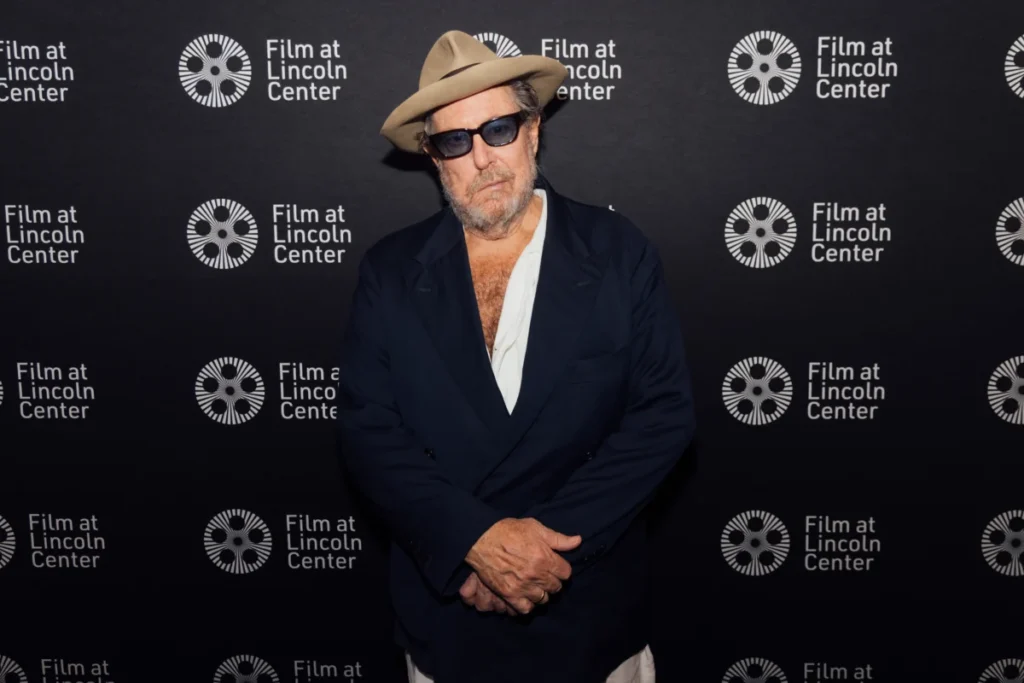
The arrangement is not a typical "replacement" scenario. Sources close to the production indicate that the partnership was initiated by Soderbergh himself. Known for his versatility and ability to helm massive ensemble projects, such as the Ocean’s Eleven trilogy, Soderbergh reportedly approached Reeves with the offer to step in as a surrogate on the soundstage.
In an official statement regarding his involvement, Soderbergh expressed his deep admiration for the foundation laid by his colleague. "I thought Matt Reeves’ work on The Batman was stunning; it was intentional, specific, and rigorously coherent," Soderbergh stated. "The goal here is to work with Matt and his team to generate footage that will integrate seamlessly with what’s already been shot so Matt can properly finish his film."
This synergy is intended to minimize the "auteur friction" that often plagues director transitions. Because Reeves has spent years developing the visual language, color palette, and character arcs for this iteration of Gotham, Soderbergh’s mandate is strictly to facilitate the execution of that pre-established vision.
Historical Context and Industry Precedent
The history of DC-branded films is punctuated by moments of extreme director turnover, though rarely under such collaborative circumstances. The most infamous case occurred in 2017 during the production of Justice League. Following a devastating personal tragedy, Zack Snyder departed the project, leading to the hiring of Joss Whedon. That transition resulted in significant creative clashes and a tonal departure that many fans and critics felt diluted the film’s narrative cohesion.
Even further back, the Superman franchise—the bedrock of DC cinema—experienced its own turmoil. In 1980, director Richard Donner was removed from Superman II after having filmed a substantial portion of the project simultaneously with the first film. He was replaced by Richard Lester, who re-shot sequences to pivot the film toward a more comedic tone.
The current situation with The Batman Part II differs markedly from these historical precedents. Unlike the adversarial or mandate-driven replacements of the past, the Reeves-Soderbergh arrangement is framed as a support structure. Warner Bros. and DC Studios have signaled that they are fully committed to the long-term creative partnership with Reeves, who remains a central figure in their broader strategic vision, including his work as a producer on the acclaimed spin-off series The Penguin and the upcoming Clayface project.
The Production Timeline and Stakes
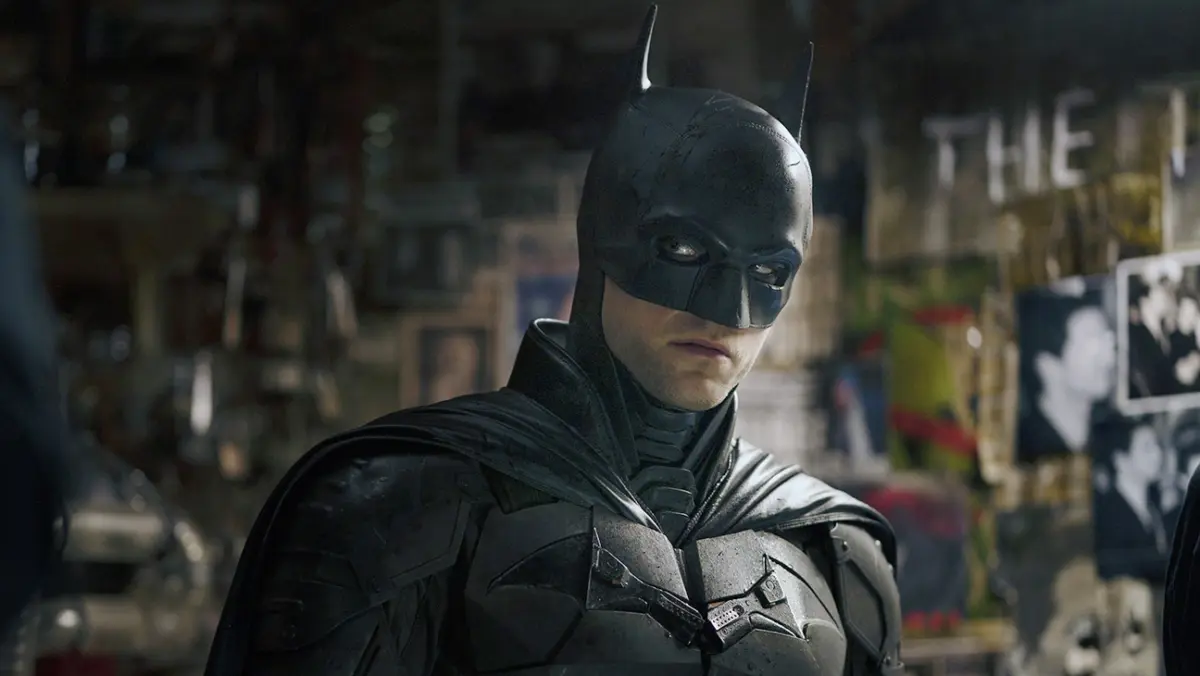
The Batman Part II represents a critical pillar in the DC cinematic slate. With Robert Pattinson returning as the caped crusader, the film is expected to expand the scope of the "Bat-verse." The addition of high-profile talent, including Scarlett Johansson and Sebastian Stan, has amplified public interest and heightened the pressure to deliver a product that meets the critical acclaim of the 2022 predecessor.
Principal photography was nearing its final phase when the decision was made. The logistics of finishing the film involve complex action sequences and intricate character-driven scenes that require a steady hand. By mid-2026, the production had already navigated a significant portion of its schedule. The decision to bring in outside help at this juncture is a calculated move to prevent the "post-production scramble" that often occurs when a director is forced to divide their focus.
Analysis: The Evolution of Studio Management
Industry analysts observe that this move marks a maturation in how major studios handle internal crises. In the past, the "show must go on" mentality often led to rushed, suboptimal results when a key creative lead was incapacitated. The modern approach, as seen here, prioritizes the "film-first" philosophy.
By selecting a director like Soderbergh—who is famous for his "guerrilla" filmmaking style and his ability to work under tight constraints—Warner Bros. is effectively insulating the project from the potential risks of a traditional shutdown. A production halt would cost millions in daily overhead, jeopardize the release window, and potentially lead to the loss of key crew members. By keeping the momentum alive, the studio preserves the investment of all stakeholders.
Broader Implications for DC Studios
For DC Studios, currently navigating a period of restructuring under the leadership of James Gunn and Peter Safran, the stability of the Batman franchise is paramount. While The Batman Part II exists somewhat outside the main "DC Universe" (DCU) continuity, it remains the studio’s most reliable brand asset.
The studio’s willingness to allow Reeves to step back without fear of being replaced permanently suggests a high level of trust. This professional courtesy reinforces the image of Warner Bros. as a "director-friendly" studio, a reputation that is vital for attracting and retaining top-tier talent in an increasingly competitive streaming and theatrical market.
Looking Ahead
As production enters its final weeks, the industry will be watching closely to see how the visual language of the film holds up under this dual-leadership dynamic. However, given the mutual respect between the two directors and the existing technical blueprint established by Reeves, the transition is expected to be as seamless as the final product on screen.
For audiences, the message from the studio remains clear: the film is on track. The focus remains on the February 2028 release, a date that represents not just the return of a beloved character, but the endurance of a creative vision that has become a touchstone for modern superhero cinema. Whether this becomes a new blueprint for handling production emergencies remains to be seen, but for now, it stands as a testament to the collaborative spirit of contemporary Hollywood.
As the cameras continue to roll in the coming weeks, the team behind The Batman Part II remains focused on the singular goal of delivering a film that honors the legacy of the character while navigating the complexities of modern filmmaking with grace, professional agility, and an unwavering commitment to the final cut.