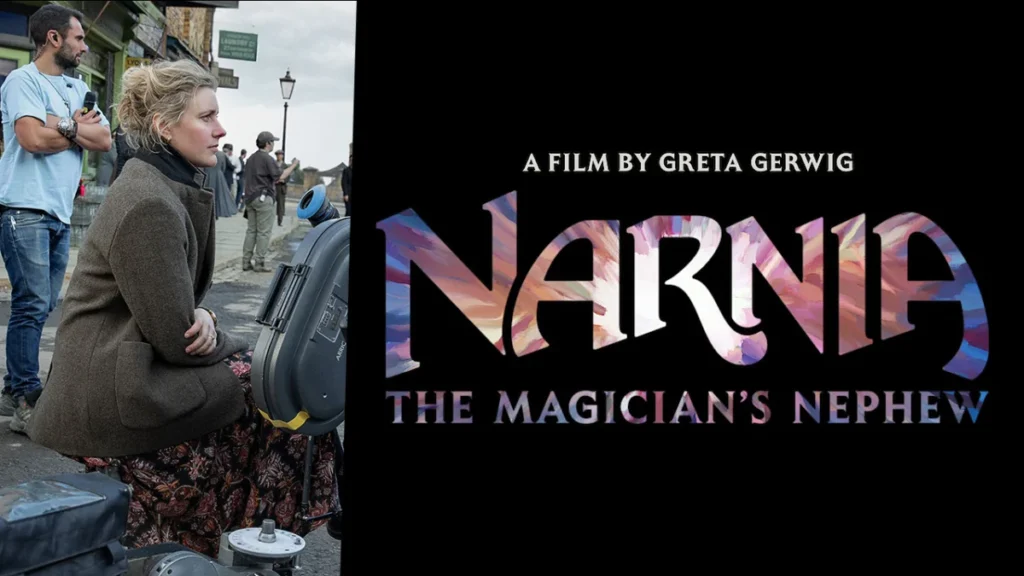
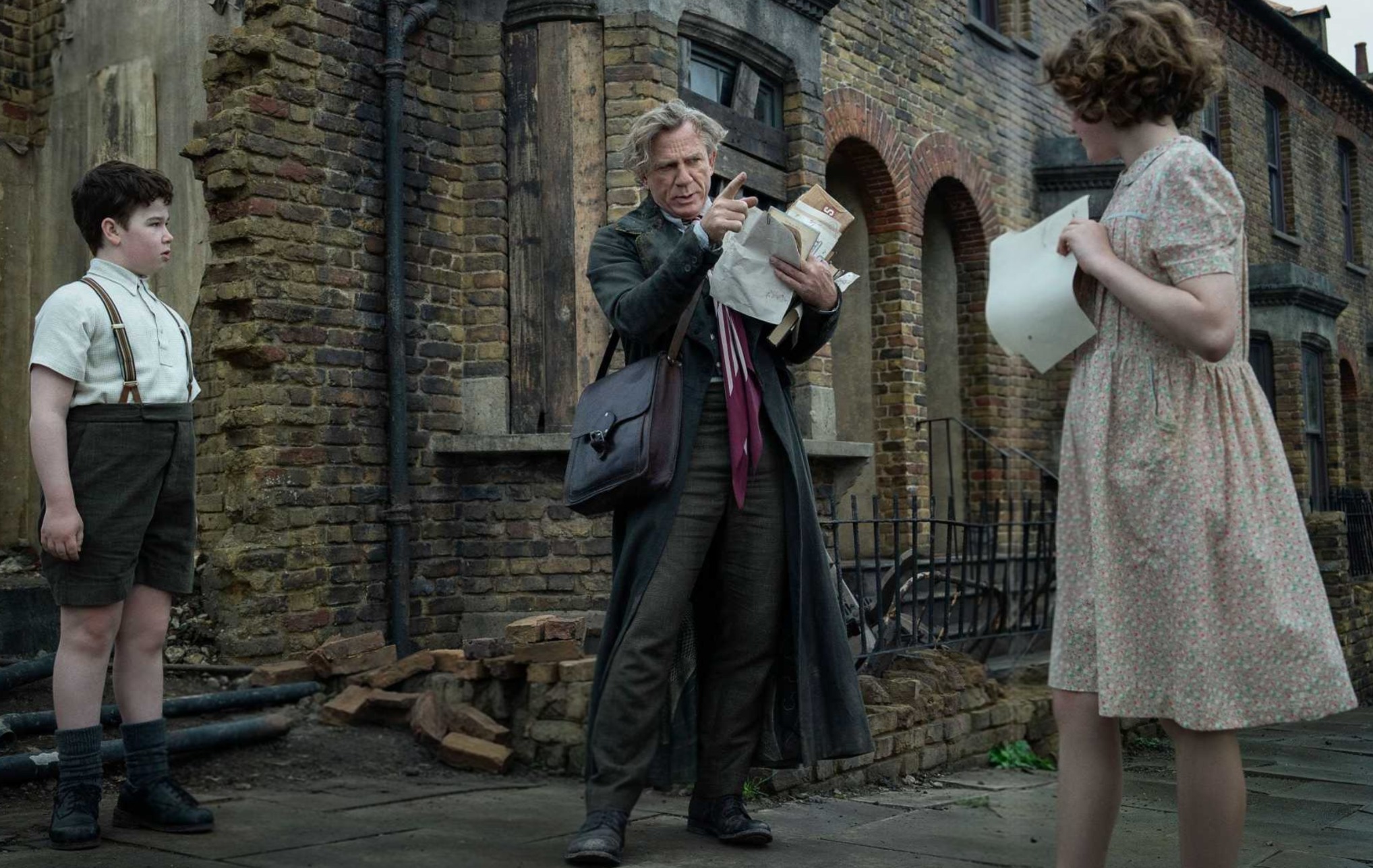
The veil of secrecy surrounding Academy Award-winning filmmaker Greta Gerwig’s cinematic interpretation of C.S. Lewis’s literary fantasy series has finally lifted, offering a comprehensive look into one of Netflix’s most ambitious and expensive undertakings to date. Detailed extensively in the latest issue of Empire Magazine, the forthcoming adaptation breaks away from traditional sequential expectations by beginning with The Magician’s Nephew. This foundational text serves as the chronological genesis of the Narnian universe, setting the stage for a theatrical release on February 12, 2027, followed by a global streaming debut on Netflix on April 2, 2027.
The Evolution of Narnian Screen Adaptations
C.S. Lewis’s seven-book fantasy chronicle, published between 1950 and 1956, has occupied a central space in children’s literature for more than half a century. Over the decades, the literary property has transitioned to the screen through various mediums and technological eras. Early attempts included a 1967 ITV live-action series and a 1979 animated feature, which largely predated modern fantasy blockbuster formatting. The franchise achieved its most enduring pre-digital cultural footprint with the BBC’s three-part television serial adaptation that aired from 1988 to 1990, a production remembered fondly by a generation of television viewers for its faithful adherence to the source material.
The modern cinematic era of Narnia began in the wake of Peter Jackson’s monumental success with The Lord of the Rings trilogy. In 2005, Walden Media and Walt Disney Pictures released The Chronicles of Narnia: The Lion, the Witch and the Wardrobe, which grossed over $745 million worldwide. This was followed by two sequels: Prince Caspian in 2008 and The Voyage of the Dawn Treader in 2010. While the first film was a commercial triumph, subsequent box office returns diminished, and plans to adapt the remaining novels quietly stalled, leaving the cinematic rights in limbo for years.
The Netflix Acquisition and Greta Gerwig’s Appointment
The trajectory of the franchise shifted permanently in 2018 when Netflix secured the multi-year film and television rights to the entire Narnian catalogue in a landmark deal widely reported to be worth a nine-figure sum. The agreement represented the first time a single entity held the adaptation rights to all seven books simultaneously.
By 2023, Netflix formally attached Greta Gerwig to write and direct the initial films in the series. Gerwig’s hiring followed her unprecedented global success with Warner Bros.’ Barbie, which crossed the $1.4 billion threshold at the worldwide box office and cemented her status as a commercially viable auteur capable of balancing high-concept IP with distinct creative authorship. According to production notes, Gerwig’s involvement began in earnest around 2020 when she discovered Netflix held the rights and initiated persistent discussions with Netflix Film Chairman Scott Stuber, pitching a chronological restructure that would begin with the universe’s creation rather than its most famous entry.
Restructuring the Narrative Timeline
Gerwig’s decision to adapt The Magician’s Nephew first marks a significant departure from previous screen iterations. Published sixth in the chronological sequence of the books, The Magician’s Nephew acts as a prequel that explains the origins of the wardrobe, the lamp-post, the White Witch, and the creation of Narnia by the lion Aslan.
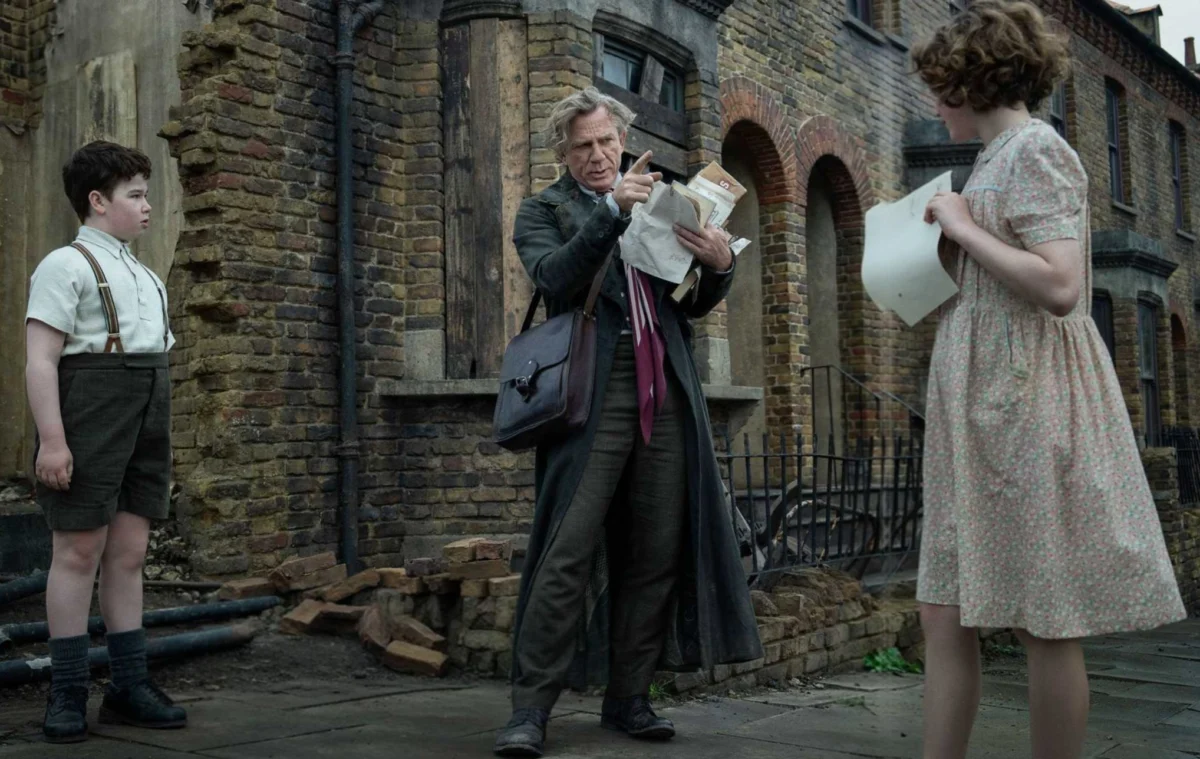
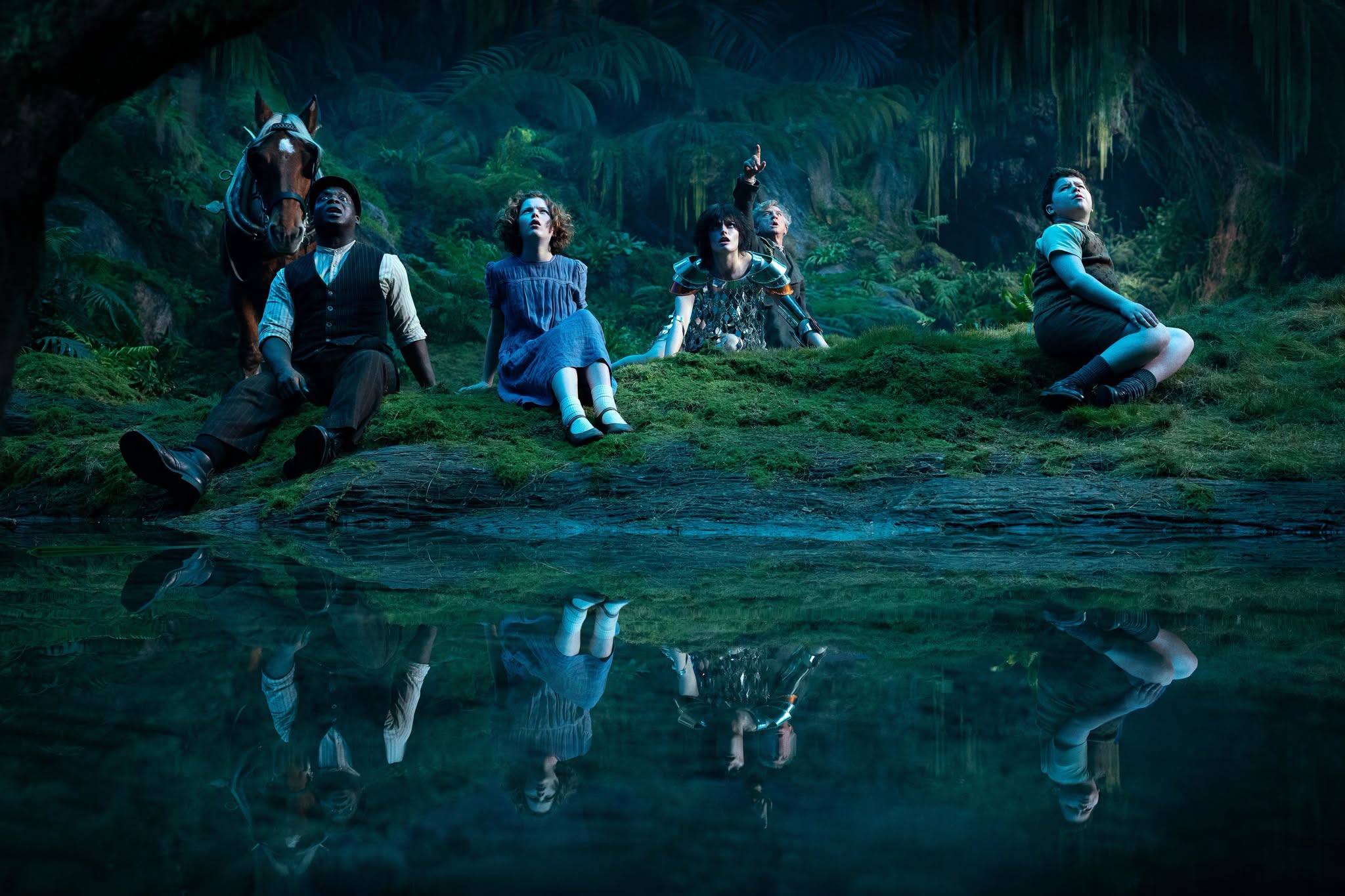
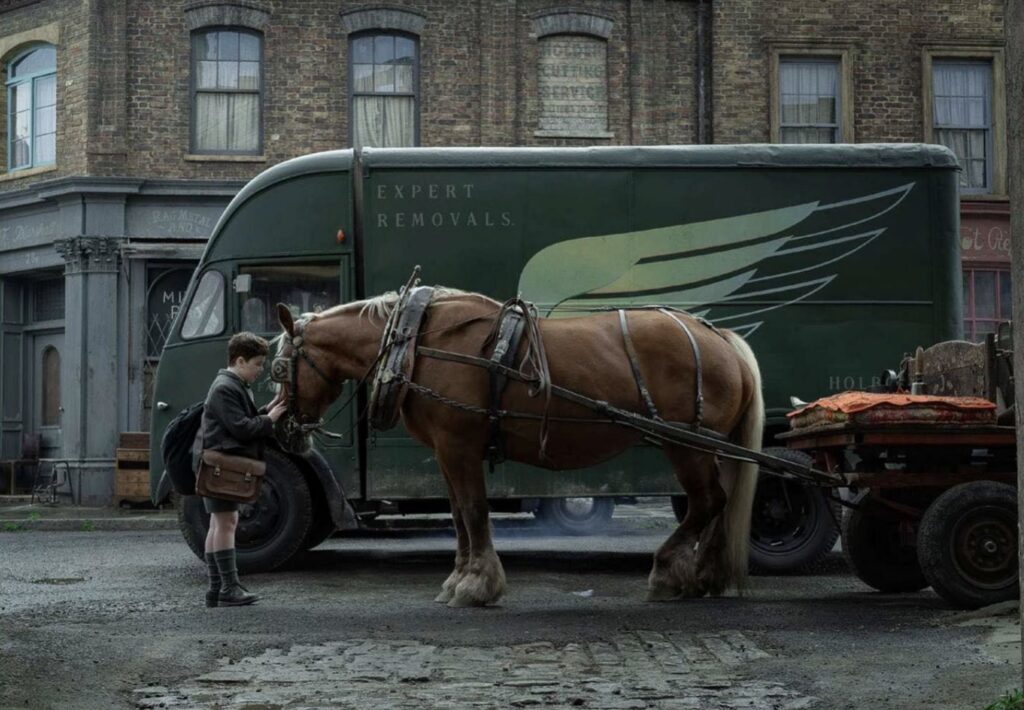
By initiating the narrative here, Gerwig frames the overarching story as the lifecycle of a universe. However, this structural choice necessitated temporal shifts in the human segments of the story. The narrative has been shifted from its original Edwardian setting to 1950s Britain—coincidentally the decade in which C.S. Lewis was actively writing and publishing the series. This shift allows the production to incorporate mid-century British culture while introducing an aesthetic and sonic palette heavily influenced by 1970s glam-rock and classic rock acts such as David Bowie, The Who, and Led Zeppelin. Gerwig has stated her intention to construct a cinematic experience akin to a rock opera, utilizing music on set to establish the tonal energy for the cast and crew.
Cast and Production Design Innovations
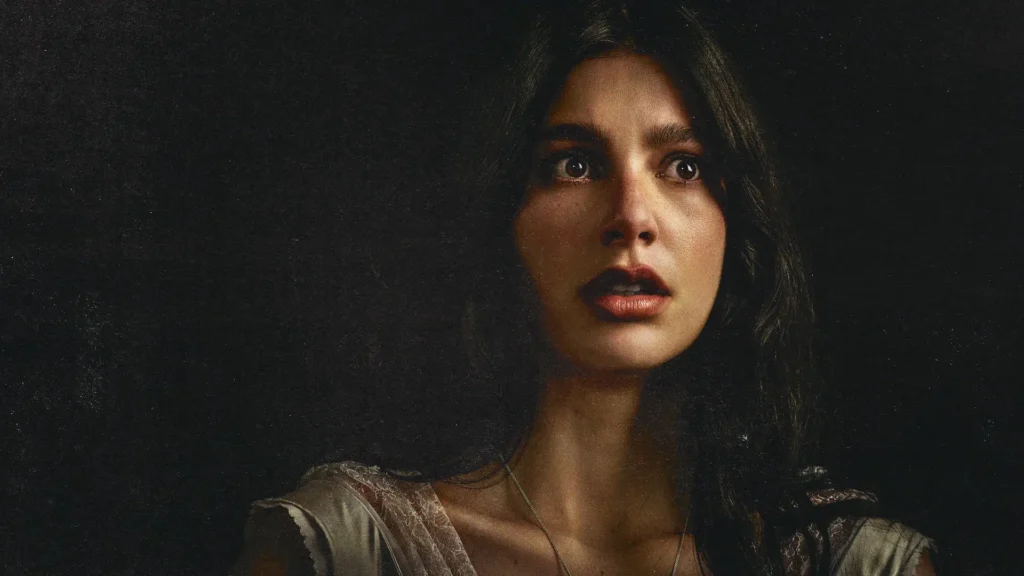
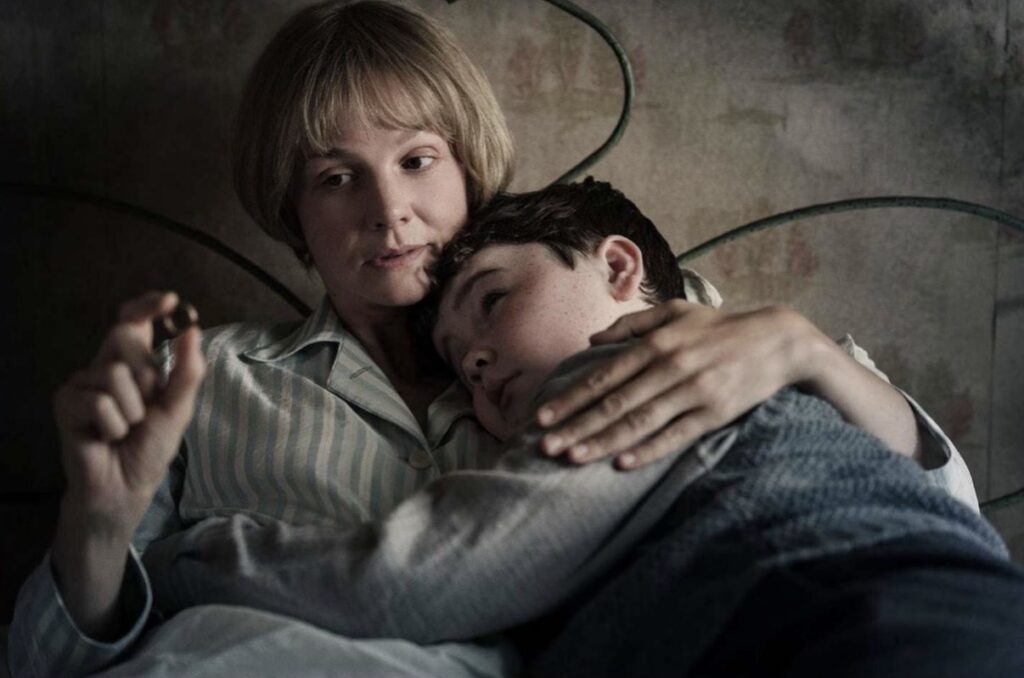
The production features a high-profile ensemble cast. The central children, Digory Kirke and Polly Plummer, are portrayed by newcomers David McKenna and Beatrice Campbell, respectively. They are joined by Daniel Craig as the eccentric and morally ambiguous Uncle Andrew, and Carey Mulligan as Digory’s ailing mother, whose name has been changed from Mabel in the novel to Flora as a direct tribute to C.S. Lewis’s own mother, Florence "Flora" Lewis, who died of cancer during the author’s childhood.
Perhaps the most monumental casting choice is Academy Award-winner Meryl Streep, who has been cast to provide the voice of Aslan. Gerwig revealed that the casting came to her in a dream, noting that she sought an actor who possessed gravitas without solemnity, wisdom born of experience, and a childlike capacity for wonder.
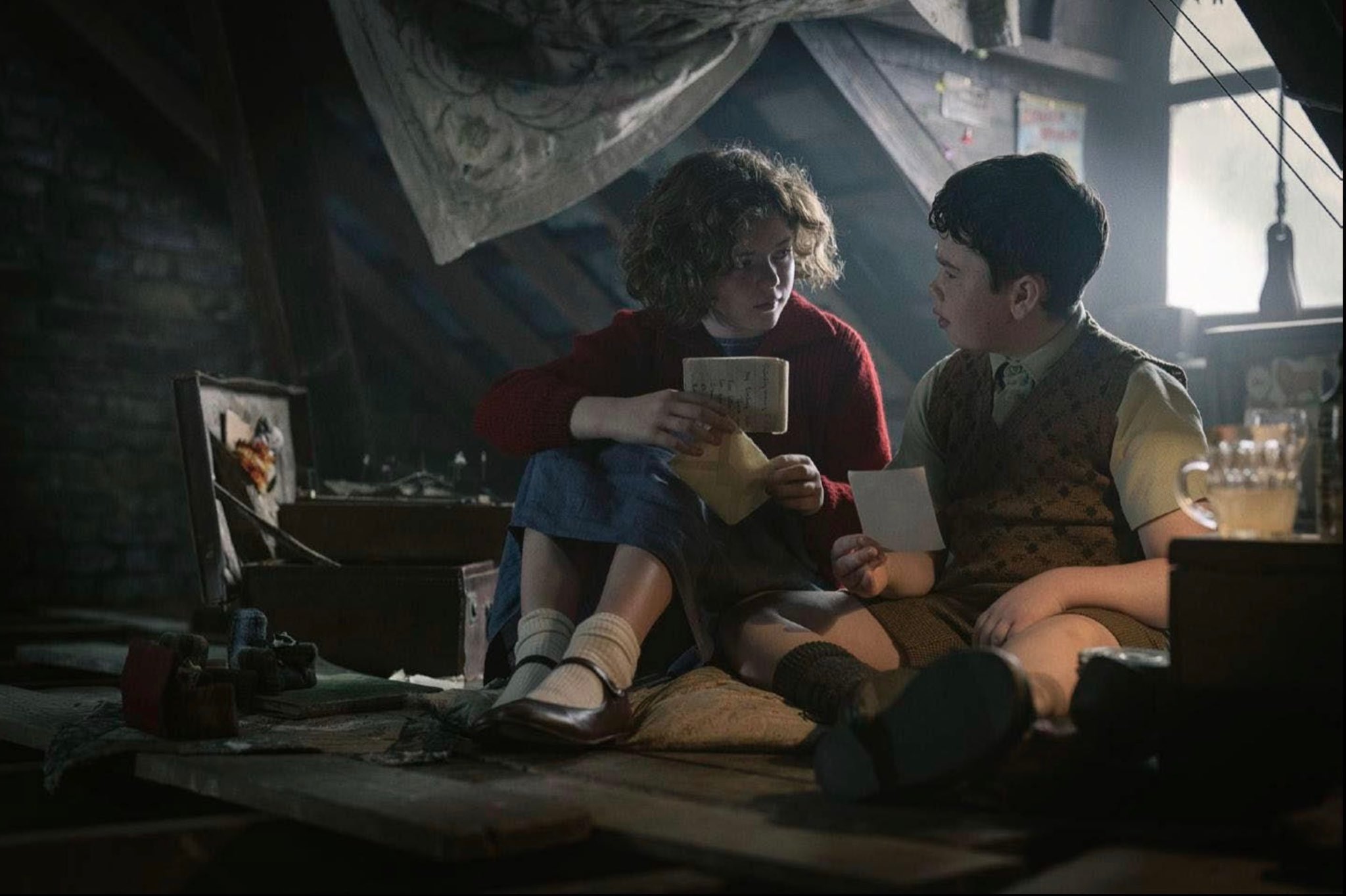
Visually, the film introduces unprecedented interpretations of Lewis’s fictional locations. The dying, desolate world of Charn—visited by the characters prior to the creation of Narnia—has been reimagined by production designers away from the traditional reddish haze of the novels. Instead, Charn is depicted as a technologically advanced, hyper-stylized realm resembling an exploded pinball machine filled with flashing lights and massive chrome structures. Furthermore, the character of Jadis (played by Emma Mackey), who eventually becomes the White Witch, departs significantly from traditional illustrations by sporting disco-inspired, glam-rock attire, challenging conventional cinematic tropes of villainy.
Industry Implications and Fan Reception
The scale of Netflix’s investment in Greta Gerwig’s Narnia project highlights the streaming platform’s ongoing strategy to secure tentpole intellectual property capable of competing with traditional theatrical franchises. By entrusting a multi-film fantasy epic to an acclaimed auteur known for character-driven dramas and comedies, Netflix is signaling a departure from standard, formulaic studio adaptations in favor of distinct directorial vision.
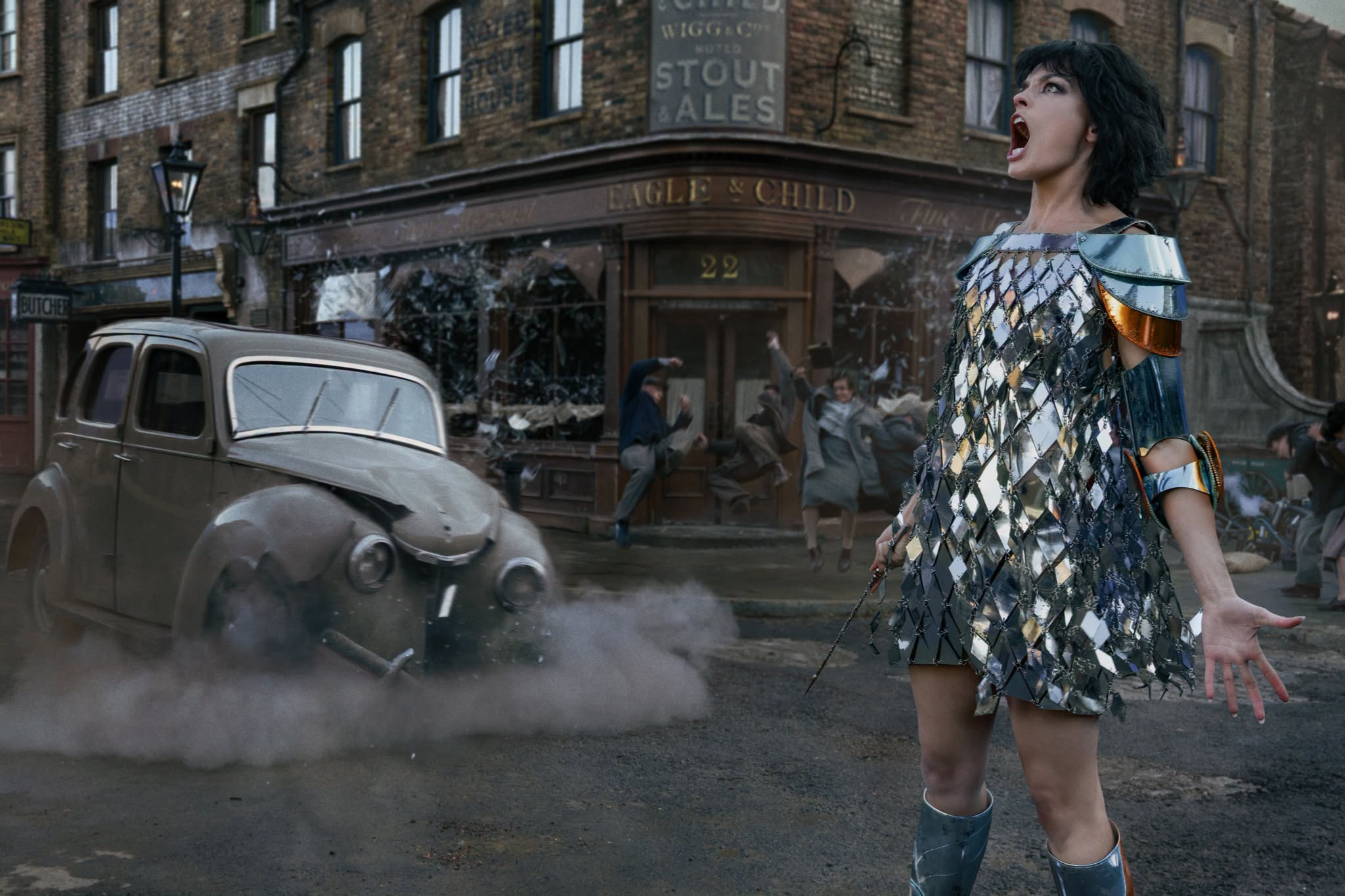
Nevertheless, the stylistic deviations—ranging from rock-and-roll sonic landscapes to avant-garde costume and set design—have already sparked debate among legacy fans of C.S. Lewis’s work. Industry analysts note that such polarization is common when beloved literary properties undergo radical reinterpretations. As previous screen adaptations remain widely accessible, Gerwig’s project is positioned not as a replacement for past versions, but as an independent artistic reinterpretation designed to engage a contemporary audience.
Principal photography and post-production milestones continue to unfold ahead of the dual release schedule. With the cinematic premiere locked for February 2027 and the Netflix rollout scheduled for April 2027, the industry will soon observe whether this high-risk, high-reward creative gamble successfully revitalizes one of fantasy literature’s cornerstone properties for a new generation.