The intersection of Hollywood and the global technology sector has officially crossed from corporate financial integration into open cultural scrutiny. As major studios increasingly rely on tech-backed capital, streaming infrastructure, and artificial intelligence, the entertainment industry is simultaneously turning its creative lens toward the very figures who command the digital landscape. A trio of high-profile cinematic projects—focusing on tech executives Mark Zuckerberg, Elon Musk, and Sam Altman—arrives at a critical juncture, highlighting a paradox at the heart of modern media: an industry financed by technological titans is actively producing films that interrogate their power, motives, and societal impact.
This cinematic wave reflects a broader evolution in the corporate structure of entertainment. The historical boundaries that once separated traditional Hollywood studios from Silicon Valley venture capital have dissolved entirely. Netflix’s early disruption of the theatrical and television markets paved the way for sweeping industry consolidation. Amazon’s acquisition of Metro-Goldwyn-Mayer (MGM) under Jeff Bezos integrated a legendary studio directly into a tech conglomerate. Similarly, David Ellison’s takeover of Paramount and subsequent merger initiatives with Warner Bros. have relied heavily on substantial tech-industry backing, while Apple TV+ has increasingly functioned as a prestige patron for auteur-driven cinema. Even boutique, critically acclaimed production houses like A24 find themselves navigating a financial ecosystem deeply entangled with artificial intelligence investments and digital distribution models.
A Cinematic Trio Interrogating Tech’s Elite
The cultural timing of these releases is striking. While technology companies command trillions of dollars in market capitalization, wield significant political influence, and aggressively market algorithmic and artificial intelligence products, public skepticism regarding their influence has grown. This rising tide of scrutiny has materialized in three distinct, major motion pictures that challenge the narrative of the benevolent tech visionary.
Aaron Sorkin’s The Social Reckoning serves as a spiritual sequel to his 2010 film The Social Network. Starring Jeremy Strong as Mark Zuckerberg and Mikey Madison as Facebook whistleblower Frances Haugen, the film explores the internal mechanics of social media algorithms that critics argue radicalized political fringes and negatively impacted adolescent mental health.

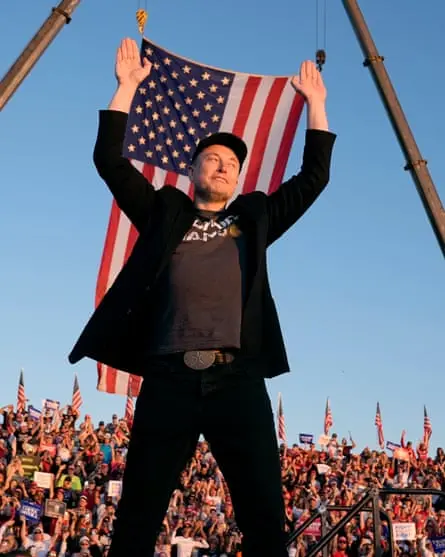
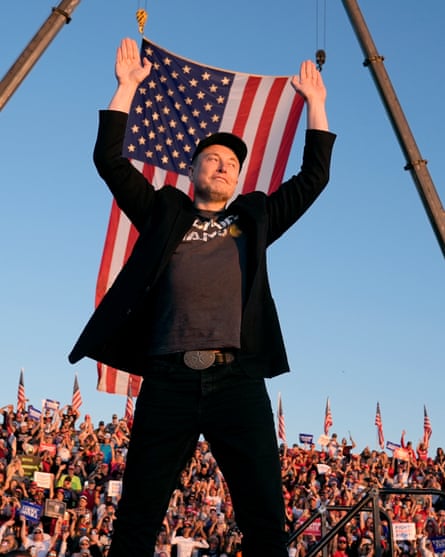
Concurrently, the BFI London Film Festival has hosted the UK premieres of two other major examinations of contemporary tech leadership. Alex Gibney’s four-hour documentary, Musk, offers an exhaustive study of the SpaceX and Tesla CEO. Gibney, renowned for his investigative deep-dives into corporate corruption scandals such as the Enron bankruptcy and Elizabeth Holmes’s Theranos fraud, presents an unvarnished look at one of the world’s wealthiest figures.
Rounding out the trio is Luca Guadagnino’s Artificial, which stars Andrew Garfield as OpenAI co-founder Sam Altman. The narrative focuses on the turbulent period surrounding Altman’s brief ouster and subsequent rehiring by his own board of directors following the rapid commercialization of ChatGPT.
Behind-the-Scenes Friction and Distribution Hurdles
The production and distribution of these films have not occurred without industry friction, highlighting the delicate dance studios perform when challenging corporate power. The contentious nature of these projects is underscored by real-world friction: Amazon notably opted not to distribute Artificial following the announcement of a multi-billion-dollar strategic partnership between Amazon and OpenAI. In Hollywood, the old adage about biting the hand that feeds you remains a potent operational hazard.
Further compounding the sense of high-stakes controversy are the rigorous vetting processes and promotional hurdles surrounding the releases. Sony Pictures reportedly retained an outside law firm to thoroughly fact-check every detail of The Social Reckoning to mitigate potential legal exposure. Meanwhile, promotional campaigns have faced digital resistance; platforms such as TikTok and X have blocked or restricted trailer advertisements for Gibney’s documentary on Musk. While these promotional anecdotes feed audience appetites for expose-style cinema, industry analysts note they also serve as highly effective marketing tools during awards season, potentially overshadowing genuine systemic critique with sensationalism.
Shifting Public Sentiment and Generational Divides
The commercial viability of these films relies on an accelerating shift in public perception, particularly among younger demographics. Recent demographic surveys indicate a significant erosion of trust in major tech executives among adults aged 18 to 34. Rather than single-handedly establishing a counter-narrative, these films are arriving at a moment when public disillusionment with tech monopolies, data privacy breaches, and unfulfilled artificial intelligence promises is already reaching a boiling point.
This cultural pushback coincides with a broader devaluing of traditional cinematic art by corporate entities. In an era dominated by short-form video content, algorithmically curated feeds, and infinite scroll dynamics on platforms like Instagram, TikTok, and YouTube, the traditional two-hour theatrical narrative faces structural competition. Ironically, the very platforms targeted by these films are poised to monetize them through engagement farming, breaking down complex cinematic critiques into bite-sized clips for digital consumption.
The Copyright Battleground and Artificial Intelligence
Beyond narrative critique, the relationship between Hollywood and Silicon Valley is being tested by existential questions surrounding intellectual property and generative artificial intelligence. Major tech firms—including Meta, OpenAI, and xAI—have aggressively scraped books, scripts, and media libraries without authorization to train large language models and video-generation tools.
This friction boiled over into formal legal action in 2025, when legacy studios Disney and Universal filed a landmark lawsuit against AI firm Midjourney, alleging widespread copyright infringement. Midjourney has maintained that its operations fall under transformative fair use. However, the legal front is complicated by corporate pragmatism: Disney subsequently invested heavily in OpenAI’s video generation technology, underscoring the industry’s dual impulse to litigate against tech trespass while simultaneously buying into its commercial potential.
Historical Parallels and Future Implications
The tension between creative artists and powerful corporate figures is a foundational element of entertainment history. When media tycoon William Randolph Hearst discovered that Orson Welles’s 1941 masterpiece Citizen Kane was a thinly veiled critique of his life and empire, he mobilized his vast media network to sabotage the film’s release and discredit its director.
More than eight decades later, the modern equivalents of Hearst—protected by expansive cults of personality and immense digital infrastructure—exhibit the same hypersensitivity to unauthorized narratives. Whether these films will permanently damage the credibility of figures like Zuckerberg, Musk, and Altman remains to be seen. What is clear, however, is that as Hollywood deepens its financial dependence on the tech sector, cinematic critiques of digital supremacy represent a rare and increasingly fragile arena where art and commerce openly collide.