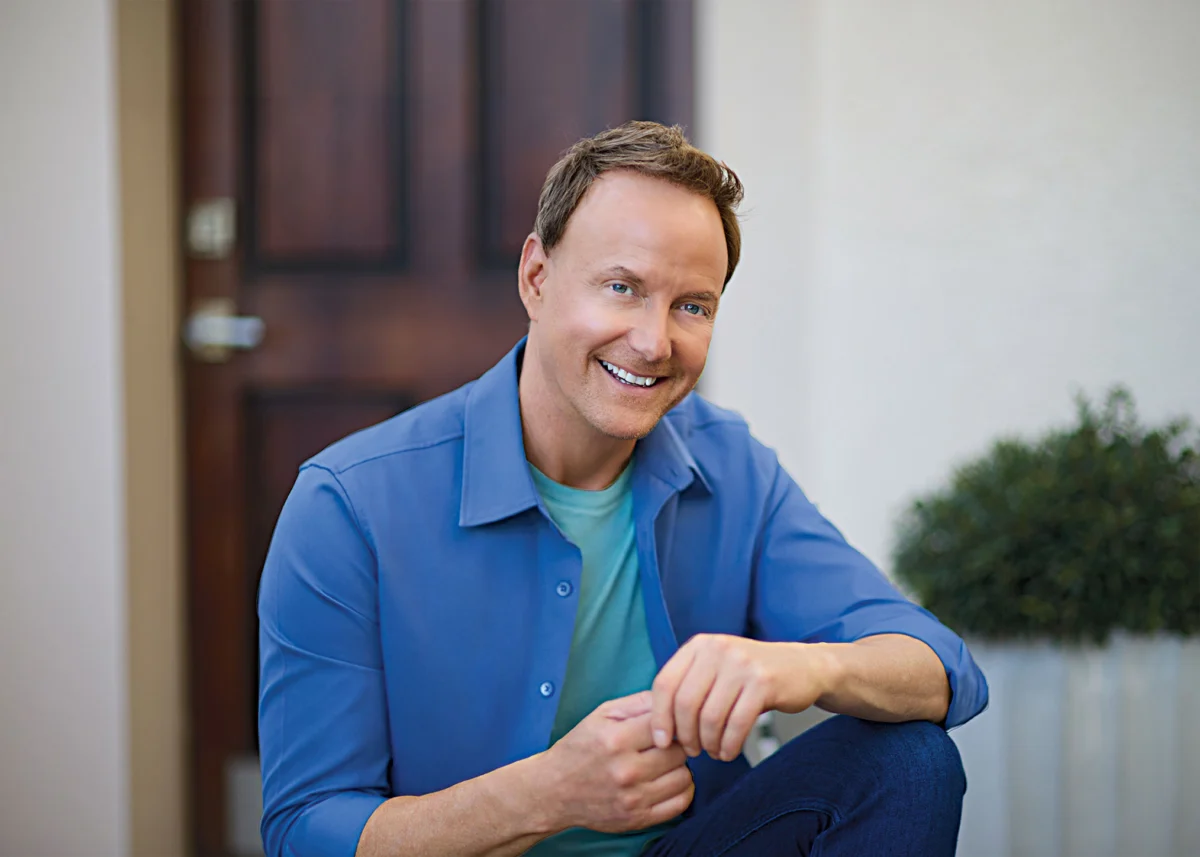
The landscape of altruistic reality television has expanded with the debut of Home for Good, a new series that centers on honoring the nation’s most dedicated public servants through comprehensive home renovations. Hosted by Art Edmonds, a veteran television personality recognized for his long-standing role on Military Makeover With Montel, the program represents a strategic addition to ABC’s Weekend Adventure block. While many home improvement shows focus primarily on aesthetic upgrades or property value increases, Home for Good differentiates itself by targeting a specific demographic: military veterans, first responders, firefighters, police officers, and animal rescuers who have demonstrated extraordinary commitment to their communities.
The series, produced by Hearst Media Production Group (HMPG), aims to provide more than just a visual overhaul of living spaces. By integrating educational components regarding home safety and fire prevention, the production seeks to transform residences into "safe sanctuaries." This dual mission of gratitude and education serves as the foundation for the program, which premiered on May 20 and continues to profile high-impact stories of resilience and service across the United States.
A New Production Paradigm: Speed, Service, and Storytelling
Art Edmonds brings a wealth of experience in the "renovation-with-a-heart" subgenre. However, Home for Good introduces a significantly accelerated production schedule compared to his previous ventures. According to Edmonds, the production team operates on a rigorous timeline, completing major renovations in approximately seven to eight days. This "sprint" model requires meticulous logistical planning and a high degree of coordination between construction crews, design teams, and local contractors.
The narrative structure of each episode follows a specific chronology. Upon meeting a deserving family, the production team spends time documenting their daily lives and professional contributions. To allow the construction phase to proceed without interference, the families are often sent on a "little adventure," providing them with a period of respite while their homes are transformed. This structure not only builds anticipation for the "big reveal" but also allows the show to highlight the specific challenges faced by the recipients, ranging from physical disabilities resulting from service to the financial strain often associated with long-term public service roles.
The Critical Role of Home Safety Education
A distinctive feature of Home for Good is its emphasis on life-saving home technology. Rather than relegating safety features to the background, the show actively educates viewers on the placement and importance of fire, smoke, and carbon monoxide detectors. This educational mandate aligns with the broader goals of the ABC Weekend Adventure block, which focuses on E/I (Educational and Informational) programming.
According to data from the National Fire Protection Association (NFPA), almost three out of every five home fire deaths occur in properties with no smoke alarms or non-working smoke alarms. Furthermore, carbon monoxide is often referred to as a "silent killer" because it is colorless and odorless, leading to hundreds of accidental deaths in the U.S. annually. By showcasing the installation of modern, interconnected safety systems, Edmonds and his team provide a practical service to the viewing audience, potentially reducing domestic tragedies through increased awareness and proactive home maintenance.
Case Study in Service: The Jeffrey Perry Renovation
The impact of the series is perhaps best illustrated by the installment scheduled for Saturday, June 20, which focuses on the life and home of Jeffrey Perry in Austell, Georgia. Perry’s biography is one of profound public service: he served 11 years in the United States Army followed by 31 years as a police officer. His career was marked by significant distinction, including the receipt of the Medal of Valor, one of the highest honors bestowed upon public safety officers for extraordinary acts of bravery.
However, Perry’s later years have been defined by a grueling battle with an autoimmune disease that necessitated a medical retirement. His condition requires constant medical intervention, including daily dialysis and the use of supplemental oxygen. Edmonds noted that Perry’s mobility is severely restricted, and his daily routine involves managing dozens of oxygen tanks.
The renovation focused on Perry’s backyard, an area of the home that had become inaccessible and hazardous. The existing deck was described as "literally falling apart," creating a significant safety risk for a man with compromised health and mobility. For Perry, an avid gardener who finds solace in watching his dogs, the backyard represented his primary connection to the outdoors.

The Home for Good team executed a total transformation of the space, including the installation of a custom-built deck equipped with a ramp designed to meet accessibility standards. This modification was not merely cosmetic; it was a functional necessity that restored Perry’s autonomy and allowed him to enjoy his property safely. The project serves as a prime example of how targeted home modifications can improve the quality of life for veterans and retired first responders facing chronic illness.
The Broader Impact of Professional Home Modifications for Veterans
The story of Jeffrey Perry reflects a broader national challenge regarding the housing needs of aging or disabled veterans and first responders. According to the Department of Veterans Affairs (VA), thousands of veterans require Specially Adapted Housing (SAH) grants to modify their homes to accommodate service-connected disabilities. However, the demand for such modifications often outstrips available public funding, and the process of securing these grants can be lengthy.
Private initiatives and media-driven projects like Home for Good fill a critical gap by providing immediate relief and high-quality craftsmanship to those who might otherwise struggle to navigate the bureaucratic or financial hurdles of home renovation. Professional modifications, such as the installation of ramps, widened doorways, and accessible outdoor spaces, have been shown to have a positive psychological impact on individuals with chronic illnesses, reducing feelings of isolation and increasing overall life satisfaction.
Hearst Media Production Group and the Evolution of Lifestyle Programming
The production of Home for Good by Hearst Media Production Group (HMPG) underscores a shift in the television industry toward content that blends entertainment with social responsibility. HMPG, which manages a vast portfolio of original programming, has increasingly leaned into "purpose-driven" content. By placing Home for Good in the ABC Weekend Adventure block, the network ensures that the program reaches a diverse audience, including younger viewers who can learn about the value of community service and the technical aspects of home safety.
Industry analysts suggest that the success of these programs lies in their ability to provide "feel-good" narratives that are grounded in real-world utility. In an era of fragmented media consumption, shows that offer both emotional resonance and practical home-care advice maintain a steady appeal for both viewers and advertisers.
Implications for Community Engagement and Future Outlook
As Home for Good continues its inaugural season, the series highlights a growing movement toward "community-centric" renovation. By featuring not only military veterans but also police officers, firefighters, and animal rescuers, the show acknowledges the interconnected web of individuals who maintain the safety and well-being of local neighborhoods.
The inclusion of animal rescuers is a particularly unique pivot for the genre. It recognizes that service to the community takes many forms and that those who dedicate their lives to the welfare of animals often do so with limited resources and at great personal sacrifice. This broadened definition of a "hero" allows the show to explore a wider variety of renovation challenges and human-interest stories.
The long-term implications of the series extend beyond the individual families featured in each episode. By normalizing the discussion of home safety and showcasing the tangible benefits of supporting local heroes, Home for Good encourages a culture of volunteerism and mutual aid. Art Edmonds’ transition to this new platform reinforces his status as a leading voice in service-oriented media, utilizing the power of television to facilitate meaningful change in the lives of those who have spent their careers protecting others.
In the words of Edmonds regarding the Jeffrey Perry project, "He has spent a lifetime serving others, so we thought it was a great opportunity to serve him." This sentiment encapsulates the ethos of the series: a reciprocal exchange of gratitude that honors the past while building a safer, more accessible future for America’s community pillars. As the show progresses, it is expected to continue highlighting the intersection of architectural innovation and humanitarian effort, solidifying its place as a cornerstone of ABC’s weekend lineup.