In the spring of 2025, New York City’s independent film community witnessed an unprecedented theatrical phenomenon when a long-forgotten, black-and-white 16mm feature from 1986 quietly entered repertory circulation and proceeded to shatter attendance records. Directed by downtown restaurateur and cinephile Phil Hartman, No Picnic—a noir-infused punk comedy capturing the gritty, pre-gentrification Lower East Side—embarked on a theatrical run at Manhattan’s Film Forum that stunned industry veterans and cultural commentators alike. What was initially slated as a modest, two-screening-per-day engagement blossomed into a twelve-week sensation, grossing over $123,000 and outperforming legendary repertory heavyweights from international cinema history.
The surprising resurgence of No Picnic offers a fascinating case study in film archiving, urban nostalgia, and the enduring economic anxieties shared by successive generations of creative workers in America’s largest metropolis. Through a fortuitous chain of archival preservation, savvy independent distribution, and an uncanny thematic relevance to contemporary urban struggles, a film buried for nearly forty years captured the cultural zeitgeist of modern New York.
From Cajun Kitchens to the Silver Screen: The Genesis of No Picnic
The story of No Picnic is inextricably linked to the bohemian micro-economy of downtown Manhattan during the mid-1980s. Phil Hartman, a central figure in the local arts and culinary scene, co-founded the Cajun-inspired NoHo establishment Great Jones Cafe in 1983. Utilizing profits generated from the successful bar, Hartman set out to direct his first narrative feature film in 1985.
To bring his vision to life, Hartman collaborated with experimental filmmaker and cinematographer Peter Hutton. Shot on lustrous black-and-white 16mm stock, the production adopted an episodic, ethnographic approach to documenting the shifting geography of the Lower East Side—a neighborhood experiencing the early, aggressive waves of real estate rebranding and corporate displacement. Production financing was further bolstered by Hartman’s subsequent entrepreneurial venture, Two Boots Pizza, alongside vital completion support from Gray City Films, the New York-based production outfit helmed by legendary German auteur Wim Wenders.
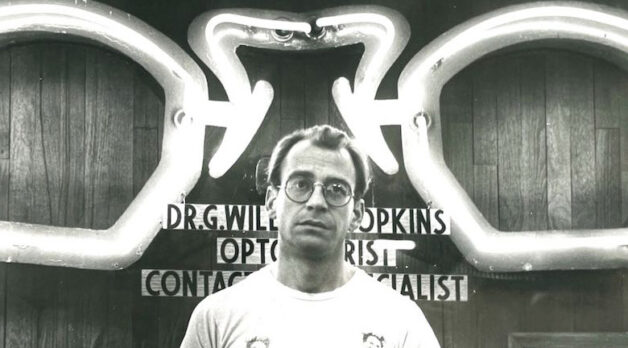
The resulting film functioned as a fictionalized documentary of a vanishing ecosystem. Its protagonist, Mac—portrayed with wistful self-awareness by David Brisbin—is a former thirty-something musician scraping together a living by servicing jukeboxes and cigarette machines across the neighborhood. Mac navigates an increasingly unfamiliar urban terrain, chasing romantic obsessions while dodging the pressures of a changing city.
The production’s supporting cast reads as a historical time capsule of the downtown avant-garde. It featured early appearances and cameo performances by actors Luis Guzmán and Steve Buscemi, filmmaker Lewis Klahr, and iconic musician Richard Hell. More importantly, the film preserved physical landmarks destined for demolition, racing against time to capture Adam Purple’s legendary Lower East Side communal garden, Bleecker Bob’s Records, and the Atlas Barber Shop before urban renewal erased them permanently.
A Chronology of Suppression and Rediscovery
Following its completion, No Picnic secured a prestigious premiere at the 1985 Sundance Film Festival, where Peter Hutton was honored with the Cinematography Award. Initial plans by Gray City Films to purchase the floundering St. Mark’s Cinema and premiere the picture locally were derailed when Wenders’s production company folded. The film’s theatrical debut was ultimately salvaged by Jonas Mekas, who arranged for a run at Anthology Film Archives on Second Avenue in the summer of 1990.
The run at Anthology was catalyzed by a rave review penned by critic Manohla Dargis for The Village Voice. Dargis, who grew up in the neighborhood, championed No Picnic as an authentic elegy for a "languishing New York tribe." Powered by her endorsement, the film established an Anthology record with a successful six-week engagement.
However, following this initial exposure, No Picnic slipped into relative obscurity. For the subsequent 35 years, Hartman was consumed by the expansion and management of the Two Boots empire, which notably housed the Pioneer Theater—a 99-seat repertory cinema operating from 2000 until rising commercial rents forced its closure in 2008. During this period, No Picnic was virtually inaccessible outside of deteriorating VHS tapes and DVDs distributed locally through Two Boots Video.
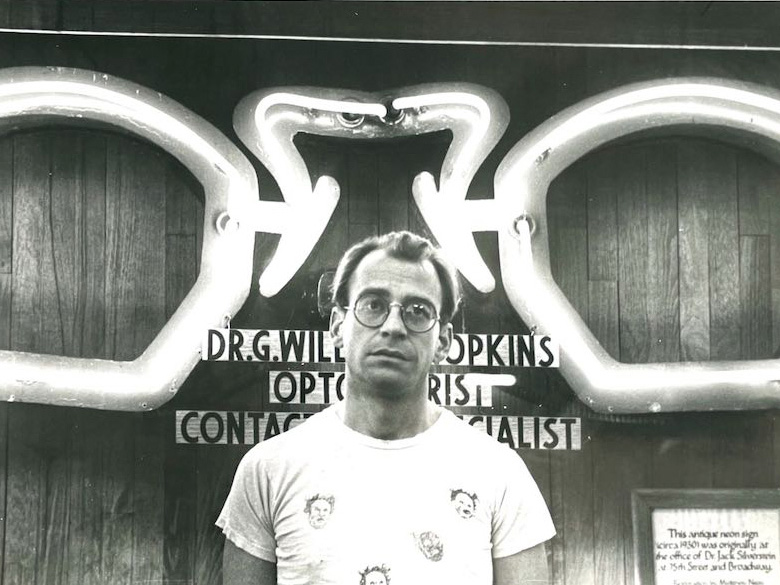
The film’s improbable resurrection began in 2025, sparked by a network of connections foundational to New York independent cinema. Mary Engel—archivist, daughter of Little Fugitive co-director Morris Engel, and co-director Ruth Orkin—introduced Hartman to Jake Perlin, head of independent film distribution company The Film Desk. Perlin, coincidentally a former student of Peter Hutton at Bard College and an alumnus of the Pioneer Theater, recognized the cultural significance of the neglected work.
Perlin spearheaded a meticulous photochemical restoration of No Picnic. The restored print premiered in January at the Museum of Modern Art (MoMA) as part of the institution’s renowned "To Save and Project" preservation series. Joshua Siegel, MoMA film curator, lauded the picture as a "priceless artifact of New York’s pre-gentrification East Village."
The Theatrical Triumph at Film Forum
Buoyant after a sold-out MoMA screening that defied a severe winter storm, Perlin approached Bruce Goldstein, repertory director at Film Forum, seeking a theatrical run. Initially hesitant to commit valuable screen time to an obscure 1980s title, Goldstein was eventually swayed by the advocacy of repertory programming manager Stephanie Gross. No Picnic opened on Friday, April 17, allotted just two daily screenings during a crowded weekend that also featured the Bronx-set indie drama Mad Bills to Pay.
The results defied all conventional expectations for repertory distribution:
- Week One: Nearly every screening sold out, generating over $28,000 to become the theater’s top-grossing film.
- Week Two: Held over by popular demand, the film added another $16,000 to maintain its position at the box office summit.
- Final Tally: By the conclusion of its twelve-week run, No Picnic accumulated a domestic box office gross of $123,000.
This financial performance placed No Picnic among the most successful repertory runs at Film Forum for the decade. It surpassed the lifetime grosses of established cinematic masterpieces such as Federico Fellini’s 8½ ($120,000) and Akira Kurosawa’s Seven Samurai ($103,000), while nearly matching Satyajit Ray’s Days and Nights in the Forest ($127,000).
Marketing Strategy and Audience Reception
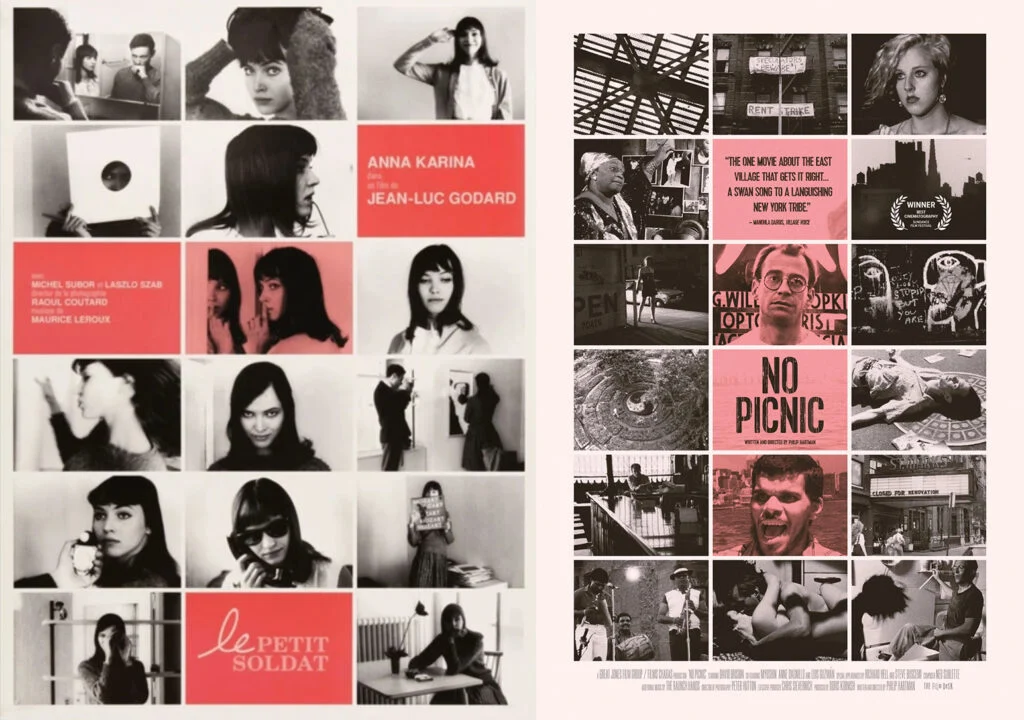
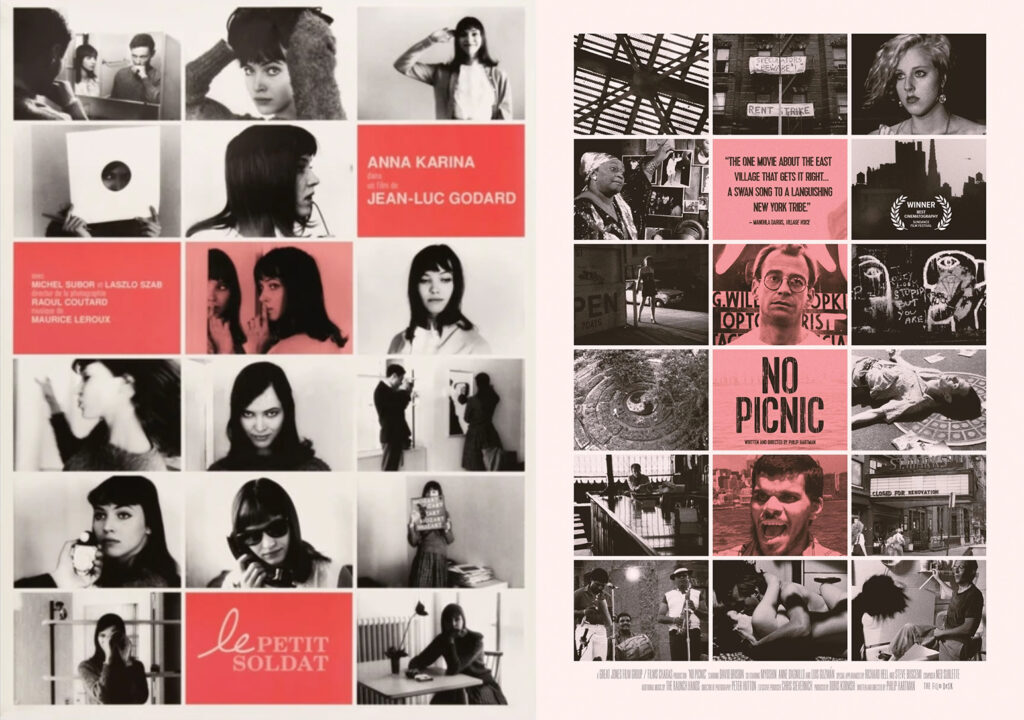
The triumph of No Picnic at the box office cannot be attributed solely to historical novelty. The Film Desk engineered a targeted promotional campaign featuring a dynamic theatrical trailer highlighting Hutton’s striking cinematography. The trailer played continuously for a month preceding the release, paired with promotional posters modeled after Jean-Luc Godard’s 1963 classic The Little Soldier.
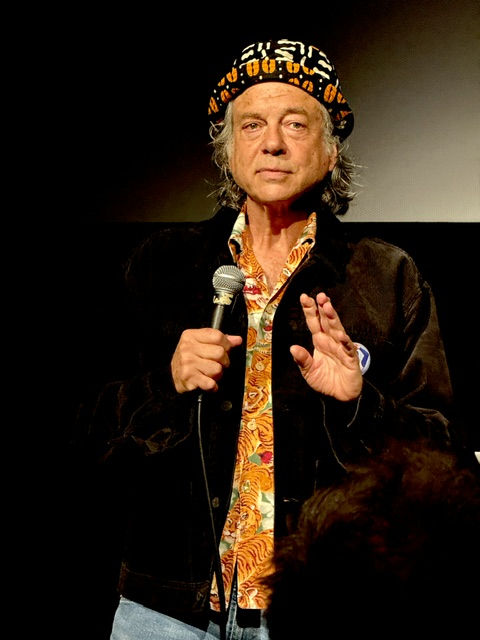
Phil Hartman amplified the campaign through personal engagement, hosting frequent post-screening Q&A sessions and incentivizing ticket buyers with complimentary slices of Two Boots pizza. Yet, industry observers noted that the core driver of the film’s longevity was its unexpected resonance with contemporary audiences, particularly younger generations of New Yorkers.
Data tracking audience demographics revealed an evolutionary shift over the twelve-week run. Initially populated by older cinephiles seeking nostalgia for their youth, the auditoriums quickly transitioned into gathering spaces for Gen Z and millennial urbanites. For younger artists and filmmakers inhabiting modern-day artistic enclaves like Ridgewood, Queens—the present-day spiritual successor to the 1980s Lower East Side—No Picnic served as both a history lesson and an authentic cultural document.
Economic Realities and Broader Implications
Cultural critics and industry figures point to economic continuity as the primary catalyst for the film’s cross-generational appeal. Despite the decades separating the production of No Picnic from its 2025 rediscovery, the central theme of urban survival remains evergreen.
Reflecting on the film’s renewed relevance, Manohla Dargis noted that the picture addresses the perpetual crisis of metropolitan affordability—a struggle familiar to every wave of young creative professionals migrating to New York City. This sentiment was echoed by producer Christine Vachon, who worked uncredited on the original production: "It just manages to be sort of a perfect time capsule that in a funny way has folded back onto this time."
Ultimately, No Picnic transcends simple retro fetishism. By capturing an era defined by physical grit, community resilience, and economic precarity, Hartman and Hutton produced a work that speaks directly to contemporary anxieties. As David Brisbin observed of the modern viewer’s fascination, younger audiences recognize the loss of a physical urban culture while simultaneously grappling with the exact same fundamental battles to carve out a meaningful, creative life in an increasingly expensive city.