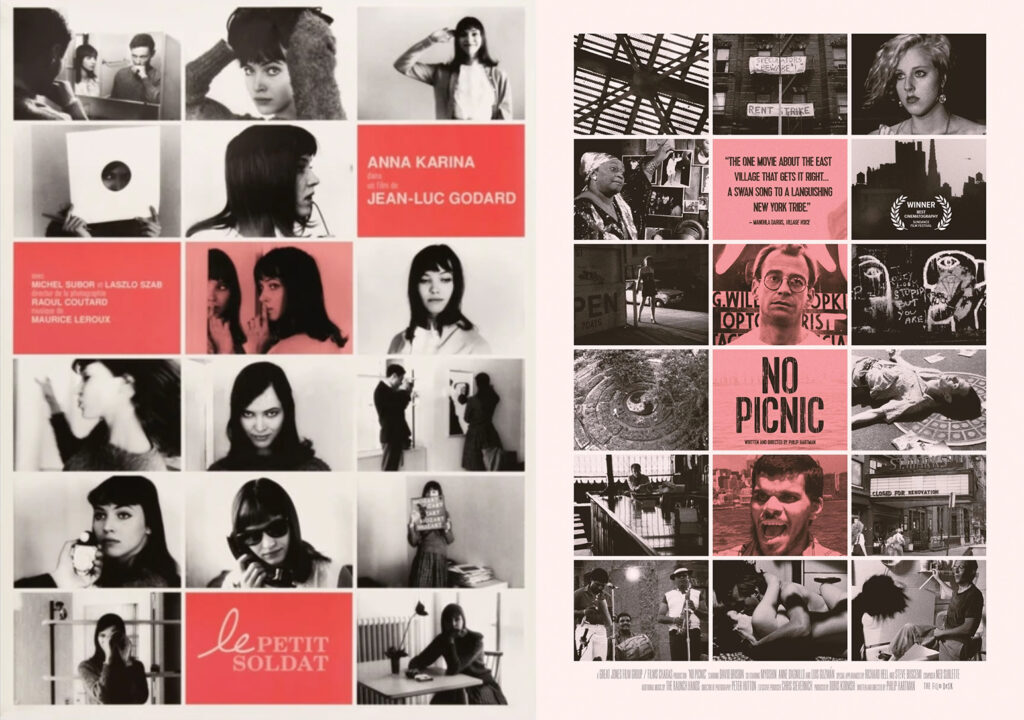
The unexpected theatrical resurgence of Phil Hartman’s 1986 feature film No Picnic stands as one of the most remarkable repertory cinema success stories of the decade. Produced on a modest budget funded by downtown New York culinary ventures, the black-and-white 16mm punk comedy captures a gritty, pre-gentrification Lower East Side and East Village that largely vanished by the turn of the 21st century. Following a meticulous restoration overseen by Jake Perlin of The Film Desk, the film secured a theatrical run at Manhattan’s Film Forum in the spring. What began as a cautious two-screening-per-day booking quickly mutated into a surprise commercial phenomenon, grossing more than $123,000 over a 12-week span. In doing so, it outperformed celebrated repertory runs of major international classics, generated widespread critical acclaim, and sparked a cross-generational dialogue about urban displacement, economic survival, and the enduring mythos of bohemian New York.
Chronology of Production and Distribution
The trajectory of No Picnic spans four decades, defined by shifting alliances within the independent film community, financial pivots from hospitality to art, and prolonged periods of dormancy.
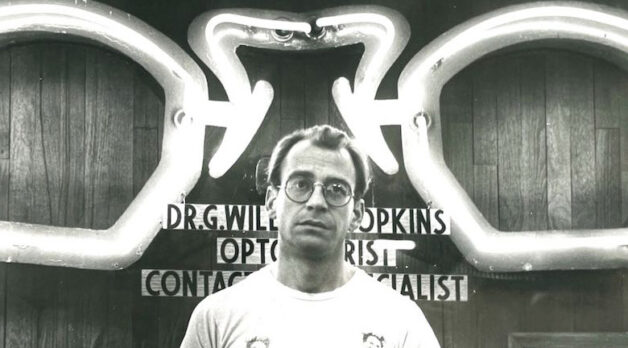
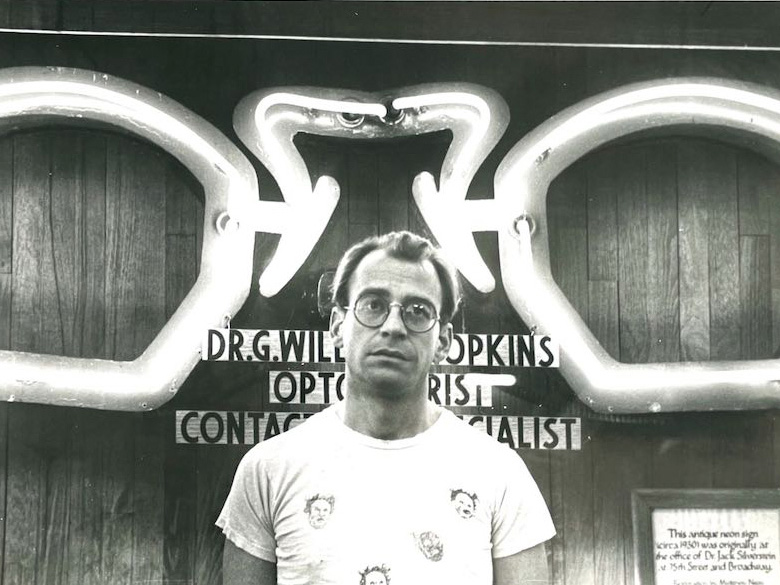
In 1985, downtown cinephile and entrepreneur Phil Hartman utilized profits generated from the Great Jones Cafe—a Cajun-inspired NoHo bar he co-founded two years prior—to direct his first and only completed feature film. Collaborating with acclaimed experimental cinematographer Peter Hutton, Hartman aimed to capture the ethnographic texture of a changing Lower East Side. Production wrapped in 1987, sustained by financial backing from Wim Wenders’ New York-based production outfit, Gray City Films, and capital secured from Hartman’s subsequent business launch, Two Boots Pizza.
The picture premiered at the Sundance Film Festival in 1987, where it received the cinematography award. Initial distribution plans hit a significant roadblock when Gray City Films folded before it could acquire and reopen the struggling St. Mark’s Cinema, a location featured briefly within the movie. The project found a temporary home when Jonas Mekas arranged for a theatrical premiere at Anthology Film Archives on Second Avenue and Second Street.
In the summer of 1990, a rave review by critic Manohla Dargis in The Village Voice propelled No Picnic into a record-setting six-week run at Anthology. However, as Hartman became consumed by the expanding operations of the Two Boots empire—which eventually housed the Pioneer Theater repertory cinema from 2000 until its closure in 2008—the film largely slipped out of public circulation. For the subsequent 35 years, it remained a subterranean artifact, accessible primarily through VHS and DVD copies housed in the Two Boots Video Store.
The revival materialized in 2025 through archival networks. Morris Engel, co-director of the 1953 neorealist milestone The Little Fugitive, had been a close friend of Hartman through producer Doris Kornish. Morris Engel’s daughter, archivist Mary Engel, introduced Hartman to programmer Jake Perlin, founder of The Film Desk, who coincidentally had studied under Hutton at Bard College. Perlin spearheaded the restoration, leading to a debut in January at the Museum of Modern Art’s "To Save and Project" series.
Prompted by a packed MoMA screening, Film Forum repertory director Bruce Goldstein integrated the title into the theater’s spring schedule. Opening on April 17 alongside the Bronx-set indie feature Mad Bills to Pay, No Picnic surpassed all initial box office projections.
Supporting Data and Box Office Performance
Commercial metrics for the theatrical run of No Picnic demonstrate an uncommonly steep upward trajectory for a previously obscure archival title.
Opening Week: Despite limited screenings of twice daily during a congested April release weekend, the film sold out nearly all available seats, grossing over $28,000 to become Film Forum’s top-performing film for the week.
Second Week: Buoyed by strong word-of-mouth, the run was extended, adding $16,000 to the cumulative gross.
Milestone Reached: By the third week, cumulative earnings exceeded $50,000, signaling sustained audience demand.
Final Box Office: Over a 12-week theatrical engagement, the film grossed a total of $123,000.
Comparative Standings: The final gross placed No Picnic ahead of high-profile repertory runs for Federico Fellini’s 8½ ($120,000) and Akira Kurosawa’s Seven Samurai ($103,000), while nearly matching Satyajit Ray’s Days and Nights in the Forest ($127,000).
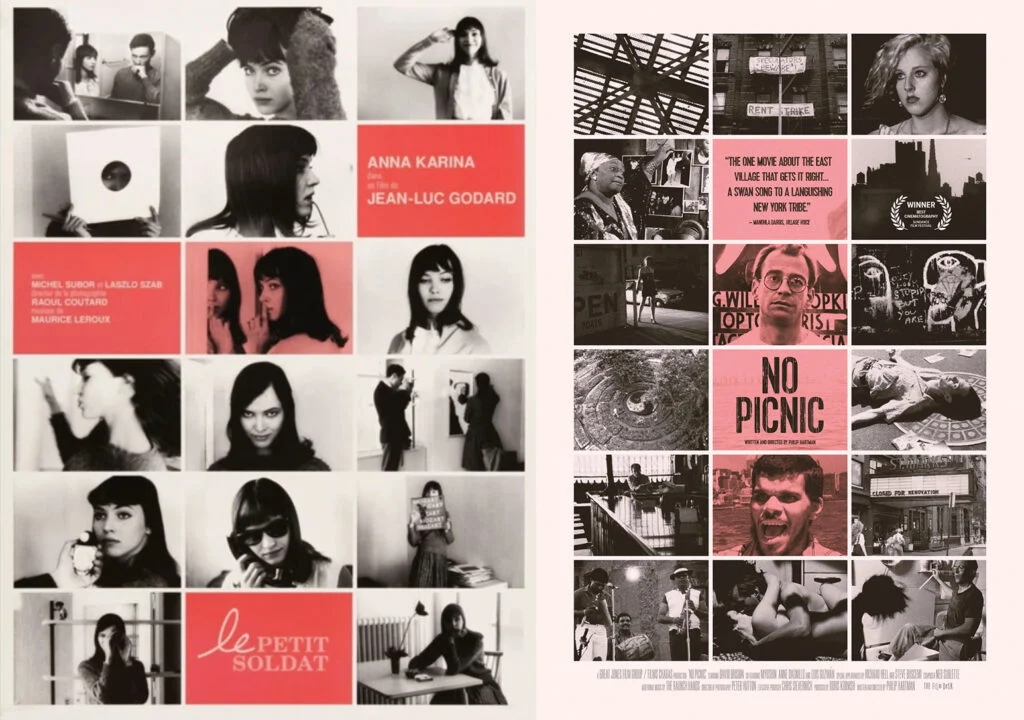
Marketing initiatives executed by The Film Desk contributed heavily to these figures. A dynamic trailer spotlighting Hutton’s cinematography played continuously for a month during Film Forum’s tenement-themed screening series. Promotional materials also featured a custom poster directly inspired by Jean-Luc Godard’s 1963 film The Little Soldier. Furthermore, Hartman maintained active engagement through frequent post-screening Q&A sessions and promotional tie-ins offering free Two Boots pizza slices to ticket holders.
Statements and Reactions from Related Parties
The film’s unexpected cultural resonance prompted reflections from participants, critics, and contemporary filmmakers regarding its dual identity as both a period piece and a mirror for modern anxieties.
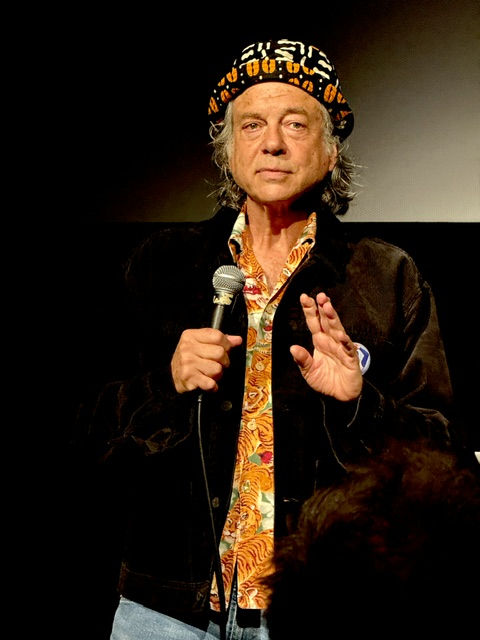
Phil Hartman emphasized the organic growth of the audience demographics over the course of the run:
"It started building and building. It began with people our age coming, and within a few weeks, it was people bringing their kids. And then it was just the kids coming and bringing their friends."
Reflecting on the film’s distinctive aesthetic and temporal weight, Hartman observed:
"You talk about terroir for a wine… I feel like there’s a terroir to No Picnic. Like you can feel the earthiness of the East Village and the rubble, the empty lots, the abandoned buildings. I think there’s something really appealing about that. It had time to ferment. It’s marketing genius to create something and then keep it a secret for 40 years."
Manohla Dargis, whose 1990 review catalyzed the film’s initial theatrical life, analyzed its enduring relevance in the contemporary economic climate:
"The film speaks to the familiar, relatable (evergreen!) issue of affordability."
She recalled that even during the era depicted in the film, remaining in the neighborhood required navigating informal housing arrangements such as illegal sublets.
Producer Christine Vachon, who worked as an uncredited assistant sound editor on the production in exchange for meals at Great Jones Cafe, noted the uncanny timing of the re-release:
"I think it has this mix of being relevant to today because it’s about being able to afford a place, but it also is a world that’s sort of past… It just manages to be sort of a perfect time capsule that in a funny way has folded back onto this time."
David Brisbin, who stars as the jukebox-servicing protagonist Mac, offered perspective on the psychological drivers bringing modern audiences to the theater:
"Young people in the East Village now have a sense they missed something and want to know what that time was like. Old folks like me like to remember their youth. Phil and Peter showed us the end of an era, but not in a nostalgic or dystopian way. Things change, but some things stay the same."
Broader Impact and Implications
The success of No Picnic at Film Forum highlights broader structural shifts within modern urban centers and independent film distribution. For contemporary metropolitan residents, particularly younger demographics relocating to working-class outer-borough neighborhoods that mirror the 1980s Lower East Side, the film serves as an unofficial historical document. Meg Aubry, a filmmaker based in Ridgewood, Queens, noted the educational value of the work for newer arrivals lacking institutional memory of the city’s artistic enclaves.
From an economic perspective, the film’s narrative core—centered on the protracted, grinding struggle to meet basic living expenses while maintaining a creative existence—remains as universally urgent in the contemporary housing crisis as it was during the mid-1980s real estate shifts. The financial viability demonstrated by No Picnic challenges prevailing assumptions regarding the commercial viability of deep-catalog archival restorations, proving that rigorous independent cinema from distinct regional eras can achieve broad contemporary crossover appeal when paired with targeted, community-driven distribution models.