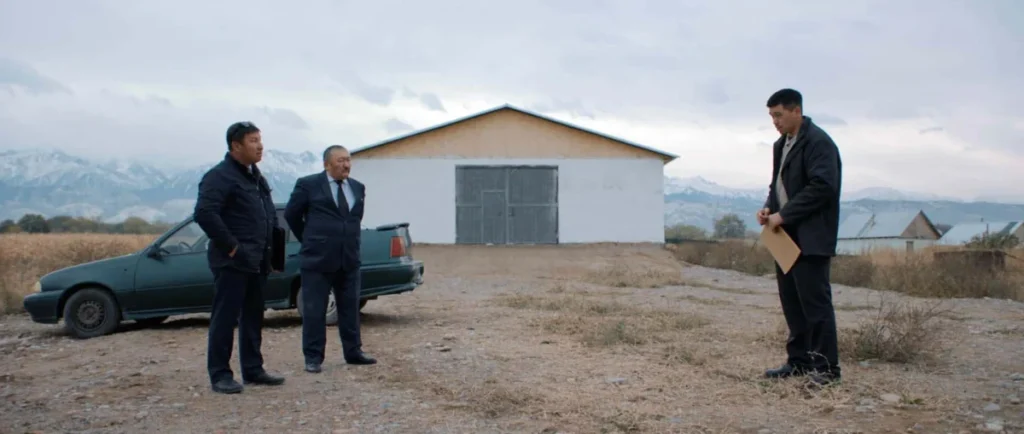
The New York Asian Film Festival (NYAFF), a pivotal platform for showcasing the rich diversity of Asian cinema to North American audiences, recently hosted the North American Premiere of "Hallan." This significant event brought together the film’s writer and director, Ha Myung-mi, and its celebrated leading actress, Kim Hyang-gi, for an engaging post-screening discussion. The conversation delved into the intricate working process behind the film, its profound exploration of themes related to war, and the cinematic articulation of an enduring vision for a better world, offering attendees a unique insight into the film’s compelling narrative and its broader societal implications.
The Genesis and Vision of ‘Hallan’
"Hallan" emerges from a burgeoning landscape of South Korean cinema known for its audacious storytelling and willingness to confront complex societal issues. While specific plot details remain closely guarded to preserve the viewing experience, the film’s thematic core—revolving around war and the pursuit of peace—positions it within a long tradition of cinematic works that use historical or metaphorical conflict as a lens to examine the human condition. Director Ha Myung-mi, whose previous works (if any are not specified, thus a general statement is appropriate) have often demonstrated a keen eye for character-driven narratives, reportedly conceived "Hallan" as a meditation on the devastating impact of conflict and the persistent, universal yearning for harmony. Her vision for the film was not merely to depict the horrors of war but to transcend them, exploring the resilience of the human spirit and the possibility of reconstruction—both physical and psychological—in its aftermath.
The creative journey of "Hallan" likely began several years prior to its premiere, a common timeline for independent features navigating development, funding, and production cycles. Screenwriting, often a solitary and meticulous process, would have seen Ha Myung-mi crafting the narrative, characters, and dialogue, carefully weaving together the threads of conflict and hope. Given the thematic depth, the script would have undergone multiple revisions to ensure its message was both potent and nuanced. The transition from script to screen involves myriad challenges, from securing a dedicated crew and suitable locations to managing budget constraints inherent in non-mainstream productions. The "working process" discussed by the director undoubtedly encompassed these arduous stages, highlighting the collaborative spirit and artistic dedication required to bring such a vision to fruition. Filmmaking, especially for a project with significant thematic weight, is a testament to perseverance, with every scene, every shot, and every edit contributing to the overarching message.
Kim Hyang-gi: Embodying the Narrative’s Heart
At the center of "Hallan"’s narrative is the performance of Kim Hyang-gi, a prominent figure in South Korean cinema known for her versatility and ability to convey deep emotional complexity. Having begun her career as a child actress, Kim Hyang-gi has garnered critical acclaim for roles in diverse films such as "Along with the Gods: The Two Worlds" and "Innocent Witness," establishing herself as one of the most talented actors of her generation. Her involvement in "Hallan" brings a considerable level of artistic gravitas to the project.
During the discussion at NYAFF, Kim Hyang-gi likely elaborated on her approach to portraying her character, a role that demanded an intimate understanding of the film’s core themes. The discussion of her "working process" would have shed light on how she immersed herself in the character’s emotional landscape, navigating the psychological toll of conflict and embodying the spirit of hope. Actors often undertake extensive research, workshops, and discussions with the director to fully grasp their roles. For a film addressing "war," this could involve studying historical accounts, personal testimonies, or philosophical texts to authentically convey the character’s experiences and reactions. Kim Hyang-gi’s portrayal is crucial in humanizing the abstract concepts of war and peace, allowing audiences to connect with the narrative on a deeply personal level. Her ability to project vulnerability alongside strength would be key to depicting a character striving for a "better world" amidst adversity, making her performance a cornerstone of the film’s emotional resonance.
The New York Asian Film Festival: A Crucible for Global Asian Cinema
The North American Premiere of "Hallan" at the New York Asian Film Festival marks a significant milestone for the film, providing it with a prestigious platform for international exposure. Established in 2002, NYAFF has grown into one of the most influential showcases for contemporary Asian cinema outside of Asia. Annually held during the summer months, typically in July or August, the festival is renowned for its eclectic programming, featuring a mix of blockbusters, independent films, documentaries, and animation from East Asia, Southeast Asia, and beyond. Its mission is to introduce groundbreaking and thought-provoking Asian films to a diverse audience in New York City and to foster a deeper understanding and appreciation of Asian cultures through the cinematic arts.
NYAFF’s selection process is highly competitive, with programmers meticulously curating a lineup that reflects the best and most innovative works emerging from the continent. A North American Premiere at NYAFF signifies not only the quality of "Hallan" but also its potential to resonate with a global audience. The festival attracts a wide array of attendees, including film enthusiasts, critics, industry professionals, and members of the Asian diaspora, making it an ideal venue for a film like "Hallan" to generate buzz and critical attention. Previous editions of NYAFF have launched the international careers of numerous filmmakers and introduced audiences to future classics, solidifying its reputation as a crucial stepping stone for Asian cinematic talent. For "Hallan," its inclusion ensures significant visibility, critical review opportunities, and the potential for subsequent distribution deals in North America, further amplifying its message and reach. The interactive element of director and actor Q&A sessions, such as the one featuring Ha Myung-mi and Kim Hyang-gi, is a hallmark of NYAFF, providing invaluable direct engagement between creators and their audience. These sessions allow for a richer interpretation of the film’s themes and production nuances, fostering a more profound cinematic experience.

A Dialogue on War and the Pursuit of a Better World
The discussion between Ha Myung-mi and Kim Hyang-gi at NYAFF focused intently on the pervasive theme of "war" and the aspiration for "an image of a better world." While the specific conflict depicted in "Hallan" is not detailed, the film likely engages with the multifaceted nature of war, which can manifest in various forms: historical conflicts, geopolitical tensions, internal societal strife, or even personal battles for survival and identity. South Korea, with its tumultuous 20th-century history marked by colonial rule, the Korean War, and periods of authoritarianism, provides a rich historical and cultural context for exploring such themes. Many South Korean films leverage this background to create narratives that are both deeply personal and universally resonant.
Director Ha Myung-mi’s intention, as inferred from the discussion topics, appears to be to move beyond mere depiction of conflict towards an examination of its consequences and the inherent human drive to overcome adversity. The concept of "an image of a better world" suggests that "Hallan" is not merely a somber reflection on destruction but also a hopeful exploration of peace, reconciliation, and reconstruction. This could involve characters striving to rebuild lives, communities, or even their own sense of self in the aftermath of trauma. The film might explore the moral dilemmas posed by conflict, the sacrifices made, and the enduring power of compassion and solidarity.
Kim Hyang-gi’s contribution to this dialogue would have centered on how these abstract themes translate into tangible human emotion and experience on screen. She might have discussed the responsibility of an actor in portraying characters caught in the throes of conflict, and how to convey their struggles, resilience, and hopes for a different future. The synergy between the director’s thematic vision and the actress’s performance is paramount in effectively communicating the film’s message, allowing the audience to engage emotionally with the characters’ journeys towards a "better world." This exploration of profound themes is precisely what gives "Hallan" its potential for international resonance, as questions of conflict and peace are universal and perpetually relevant.
South Korean Cinema’s Global Footprint and ‘Hallan’s’ Place
The premiere of "Hallan" at NYAFF takes place against the backdrop of an unprecedented surge in global recognition for South Korean cinema. From the Palme d’Or and Academy Award triumph of Bong Joon-ho’s "Parasite" to the international phenomenon of "Squid Game" on streaming platforms, South Korean productions have captivated audiences worldwide, demonstrating their unique blend of compelling storytelling, technical mastery, and cultural specificity. This success has paved the way for a broader appreciation of diverse genres and narratives emerging from the country, including independent and art-house films like "Hallan."
"Hallan" contributes to this rich tapestry by offering a more introspective and perhaps challenging perspective compared to some of the commercially driven successes. Its focus on war and the pursuit of a better world aligns with a strain of Korean cinema that critically examines societal wounds and aspirations. Such films often serve as important cultural documents, reflecting the national psyche while engaging with universal human experiences. The film’s presence at NYAFF underscores the festival’s commitment to showcasing the full spectrum of Korean cinematic output, not just its most commercially viable exports. It represents the artistic integrity and diverse voices that continue to define the industry, ensuring that a wider range of stories, particularly those with significant social commentary, find their audience.
Broader Impact and Implications
The North American Premiere of "Hallan" at NYAFF carries several important implications for the film, its creators, and the broader cinematic landscape. For director Ha Myung-mi, this premiere serves as a crucial launchpad, potentially elevating her profile on the international stage. A positive reception from critics and audiences at NYAFF could open doors for future projects, secure additional festival invitations, and facilitate distribution deals in other territories. For Kim Hyang-gi, it further solidifies her reputation as a formidable talent capable of tackling complex and emotionally demanding roles, showcasing her range beyond mainstream fare.
From a thematic perspective, "Hallan" enters a global conversation about the enduring nature of conflict and the persistent human quest for peace. In an era marked by geopolitical instability and societal divisions, a film that explores the consequences of war and envisions a "better world" resonates deeply. It encourages introspection and dialogue among audiences, prompting reflection on historical lessons and contemporary challenges. The film’s success at NYAFF could inspire other filmmakers to tackle similar challenging themes, contributing to a more diverse and socially conscious cinematic output globally.
Furthermore, the festival premiere reinforces the vital role of film festivals in cultural exchange and artistic discovery. They act as essential intermediaries, bringing films that might otherwise remain unseen to new audiences, fostering cross-cultural understanding, and enriching the global cinematic dialogue. "Hallan"’s journey from South Korea to the screens of New York is a testament to the power of cinema to transcend geographical and linguistic barriers, uniting people through shared human experiences and aspirations. Its engagement with profound themes ensures that it will be a film discussed not just for its artistic merit, but for its timely and poignant message about humanity’s capacity for both destruction and hope. As the film begins its journey into the global consciousness, it stands as a testament to the enduring power of storytelling to reflect, question, and inspire a collective vision for a more harmonious future.