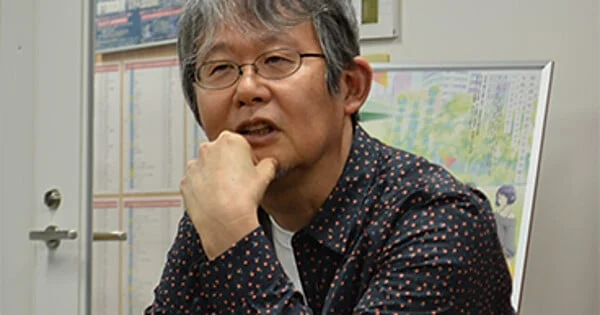
Animator and acclaimed character designer Kunihiko Hamada confirmed on Sunday, his 57th birthday, that he has officially concluded his tenure at the renowned animation studio Madhouse. His departure, effective at the end of March, marks the end of a significant chapter in his career, spanning 35 years with the company, over two decades of which he served as a full-time staff member. Hamada disclosed that he has since begun employment with a different animation entity, signaling a new professional direction.
A particularly striking aspect of Hamada’s announcement is his claim that he did not receive any severance pay following his departure from Madhouse. This assertion, if substantiated, raises questions about the studio’s employment practices and the treatment of long-serving employees. Severance pay is a common practice in many industries, often provided to employees who are laid off or whose contracts are terminated, serving as a financial cushion during the transition to new employment. The absence of such a payment for an individual with Hamada’s extensive history at Madhouse is notable.
A Legacy of Iconic Character Designs and Animation Direction
Kunihiko Hamada’s career at Madhouse is marked by his significant contributions to a multitude of highly successful and critically acclaimed anime productions. His work as chief animation director has shaped the visual identity of several beloved series. Among these are the intense psychological thriller Monster, the stylish and emotionally charged drama NANA, the high-stakes gambling narrative of Kaiji -Ultimate Survivor-, the competitive sports anime Chihayafuru, and the heartwarming romance My Love Story!!. His directorial touch has been instrumental in bringing these diverse stories to life, imbuing them with a distinct visual flair and dynamic character expression.
Beyond his role as chief animation director, Hamada has also left an indelible mark as a character designer. His designs for NANA, Chihayafuru, and My Love Story!! have resonated deeply with audiences, becoming instantly recognizable and contributing significantly to the appeal of these franchises. More recently, his character design work for Cardcaptor Sakura: Clear Card and the latest installment in the My Love Story!! universe, My Love Story With Yamada-kun at Lv999, demonstrate his continued relevance and ability to adapt his distinctive style to new projects and evolving animation trends. His most recent credited work for Madhouse, the character designs for A Hundred Scenes of AWAJIMA, premiered in April, showcasing his ongoing creative output even as his formal employment with the studio concluded.
Hamada’s animation expertise extends to his work on individual sequences and projects that have garnered international attention. He has contributed to the animation of films such as the critically lauded Summer Wars, a masterpiece of animated storytelling from Mamoru Hosoda, and the vibrant and imaginative No Game, No Life. These projects highlight his versatility and his capacity to contribute to both character-driven narratives and visually spectacular cinematic experiences.
A Three-Decade Journey at Madhouse
Hamada’s association with Madhouse began in 1990, a period when the studio was solidifying its reputation for producing high-quality, innovative animation. His inaugural project with the studio was the seminal cyberpunk OVA series Cyber City Oedo 808. This early work established a precedent for the caliber of productions he would be involved with throughout his career. Over the subsequent 35 years, Hamada has been a consistent presence, contributing his skills and vision to the studio’s diverse portfolio. His long tenure underscores a deep commitment to Madhouse and the craft of anime production.
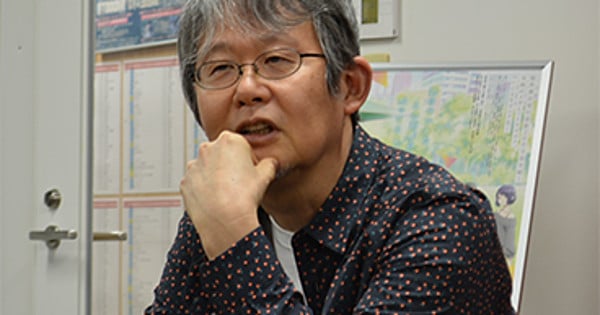
The timeline of his involvement can be broadly understood as follows:
- 1990: Joins Madhouse, beginning with Cyber City Oedo 808.
- 1990s – Early 2000s: Contributes to a range of projects, honing his skills as an animator and gradually taking on more significant directorial and design roles. This period likely saw his involvement in projects that would later define Madhouse’s output.
- Mid-2000s: Emergence as Chief Animation Director for highly visible and successful series such as Monster and NANA, cementing his reputation.
- Late 2000s – 2010s: Continues to lead animation direction and character design for prominent titles like Kaiji, Chihayafuru, and My Love Story!!. His work becomes a key selling point for these productions.
- Late 2010s – Early 2020s: Remains active with character design for new iterations and sequels, including Cardcaptor Sakura: Clear Card and My Love Story With Yamada-kun at Lv999.
- March 2026: Concludes his employment at Madhouse.
- April 2026: A Hundred Scenes of AWAJIMA, featuring his character designs, premieres.
- May 31, 2026: Confirms his departure and the circumstances surrounding it.
The Significance of Severance Pay in the Animation Industry
The claim of receiving no severance pay from Madhouse, particularly for an employee with Hamada’s 35-year track record, prompts a broader discussion about employment standards within the Japanese animation industry. While freelance contracts are common, long-term staff positions often come with expectations of accrued benefits and support upon departure. Severance packages can vary significantly, but their absence for a seasoned professional like Hamada raises concerns about industry practices and the security of long-term employees.
The animation industry, both in Japan and globally, is known for its demanding schedules and often challenging working conditions. While passion drives many creators, financial stability and fair compensation are crucial for sustaining careers and ensuring the industry’s long-term health. A lack of severance pay could potentially disincentivize long-term commitment to studios, pushing experienced animators towards more project-based or freelance work, which may offer greater flexibility but less job security.
Potential Ramifications and Industry Reactions
Hamada’s public statement, made via his X (formerly Twitter) account, is likely to draw attention from industry professionals, fans, and labor advocates. While Madhouse has not yet issued a formal statement regarding Hamada’s departure or his claims about severance pay, the studio’s response, or lack thereof, will be closely watched.
The implications of this situation could extend beyond Hamada’s personal circumstances. It may prompt a re-evaluation of employment contracts and benefits for staff animators at Madhouse and potentially influence discussions about labor practices across the wider anime production landscape. The studio, a venerable institution responsible for classics like Perfect Blue, Paprika, and Death Note, faces the challenge of maintaining its esteemed reputation while addressing concerns about employee welfare.
For fans of Hamada’s work, his departure signifies the end of an era at Madhouse. However, his immediate transition to a new company suggests that his creative output will continue to enrich the anime world. The precise nature of his new role and the studio he has joined remain undisclosed, adding an element of anticipation for his future projects.
This development underscores the complex realities of the animation industry, where artistic brilliance often coexists with the practicalities of employment and career progression. Kunihiko Hamada’s decision to speak publicly about his departure and the lack of severance pay highlights the importance of transparency and fair treatment for all individuals who contribute to the creation of beloved animated works. The industry will undoubtedly be observing how this situation unfolds and what impact it may have on future employment standards.