The National Association of Broadcasters (NAB) Show 2026 in Las Vegas marked a pivotal moment for the media and entertainment industry, underscoring a pronounced shift from the cinema-dominant narrative of recent years back to its core broadcast and live production roots. This reorientation was evident across the convention floor, in vendor strategies, and within the overarching programming, signaling a realignment of the industry’s priorities toward more stable and rapidly expanding sectors.

The Evolving Landscape of NAB: A Return to Broadcast Foundations
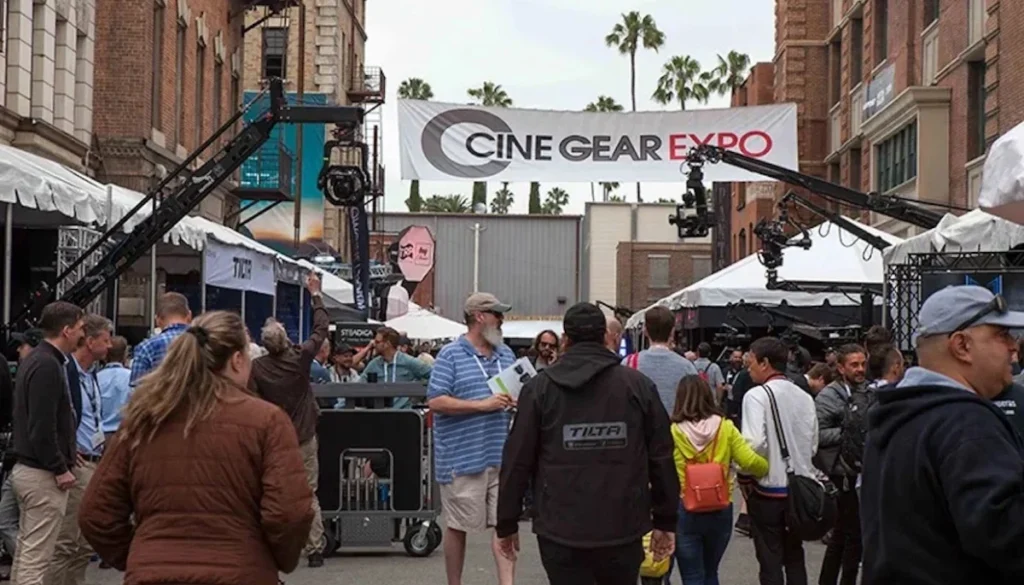
For many attendees and exhibitors, the atmosphere at NAB 2026 felt distinctly different. Paul Hawxhurst, Senior Technical Specialist at Canon USA, articulated this sentiment clearly: "NAB has always been the broadcast show. For a little while there, it was cinema, cinema, cinema. Right now, it’s going back to broadcast, broadcast, broadcast." This observation resonated with many vendors, who reported a quieter year for cinema-focused engagements. Some companies opted for reduced footprints or entirely eschewed traditional booths, instead integrating smaller presences as sponsors within NAB’s dedicated Cine Central program.

Nestled within the vast Central Hall of the Las Vegas Convention Center, the cinema presence felt less like the epicenter and more like a specialized corner. The broader show floor buzzed with innovations catering to stronger growth areas such as live production, sports broadcasting, diverse content creation, and even the burgeoning live worship sector, reflecting a more diversified and robust industry ecosystem. This strategic pivot by NAB and its exhibitors highlights a responsiveness to market demands, where the immediacy and wide reach of broadcast and live content are currently experiencing significant investment and technological advancement.
This trajectory was further reinforced by significant industry announcements in the weeks surrounding the conference. Days before NAB, German broadcast technology powerhouse Riedel Communications finalized its acquisition of ARRI, a legendary name synonymous with cinematic cameras and lighting. A week after the show, Quixote Studios, a prominent soundstage and equipment rental company, announced the closure of its Atlanta and New Mexico operations and a scaling back in Los Angeles and New York, resulting in approximately 70 layoffs. These events collectively paint a picture of industry consolidation and a strategic realignment towards markets perceived as more stable and aligned with broadcast and integrated media production.
NAB’s own programming reflected this emphasis. Traditional filmmaking was sparsely mentioned during the annual press conference. One notable exception was the acknowledgment of Mark Fischbach, widely known as YouTuber Markiplier, who self-financed his feature debut Iron Lung. This inclusion served as a telling example of how the definition of a "filmmaker" is broadening, embracing independent creators leveraging digital platforms and diverse funding models, blurring the lines between traditional cinema and online content creation. Despite these broader shifts, the Central Hall maintained an undeniable energy, with cinematographers, directors, camera operators, and film students eagerly engaging with product designers and filling seminars, demonstrating a resilient and adaptable film community.
Innovations in Camera Technology: Accessibility Meets High Performance
Amidst the overarching industry shifts, NAB 2026 showcased a robust array of camera innovations, many of which emphasized performance, affordability, and adaptability for a wider range of production needs.
Portland-based cinematographer Sean Conley, a long-time admirer of ARRI’s color science, highlighted the appeal of more accessible alternatives. After discovering Kinefinity at NAB 2018, he was impressed by how closely their cameras matched ARRI’s color science at a significantly lower price point. Conley now owns several Kinefinity cameras. This year, Kinefinity unveiled its Vista model, a 6K full-frame camera that won a "Best of Show" award. Conley praised its "small and light" body, ideal for use as a "personal cinema camera that you can walk around with and not draw as much attention to yourselves." The camera’s large, four-inch OLED touchscreen boasting 800 nits brightness also minimizes the need for external monitors, streamlining rig setups. This trend towards compact, high-performance cameras at competitive prices directly supports the expanding definition of filmmaking, enabling more independent creators to achieve professional-grade results.
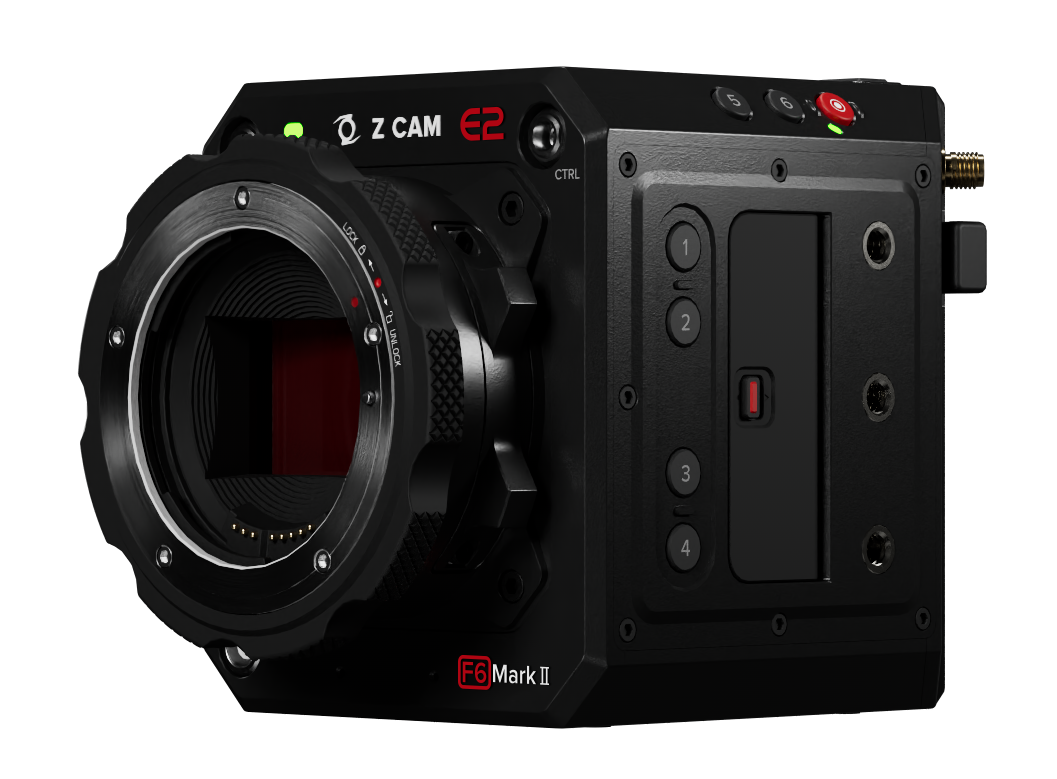
Z CAM, founded in 2013, gained significant visibility following DP Fraser Taggart’s use of multiple Z CAMs for the challenging biplane sequence in Mission: Impossible – The Final Reckoning. The 6K full-frame camera used in that film saw an update last year with the release of the E2-F6 Mark II. This iteration introduces SDI and Genlock for precise frame-by-frame synchronization in multi-cam shoots, and shifts to industry-standard CFexpress Type B media cards. Like Kinefinity, Z CAM offers a cost-effective alternative to premium camera models, with a color science capable of seamlessly integrating with footage from more expensive A-Cams. Neil Matsumoto of Panasonic noted a diminishing emphasis on "colorimetry" discussions, as the widespread ability of modern cameras to shoot log footage at ultra-high resolutions provides extensive flexibility for color correction in post-production. "We’re all shooting log now. We’re all super good," Matsumoto affirmed, indicating a maturation in digital cinema sensor technology.
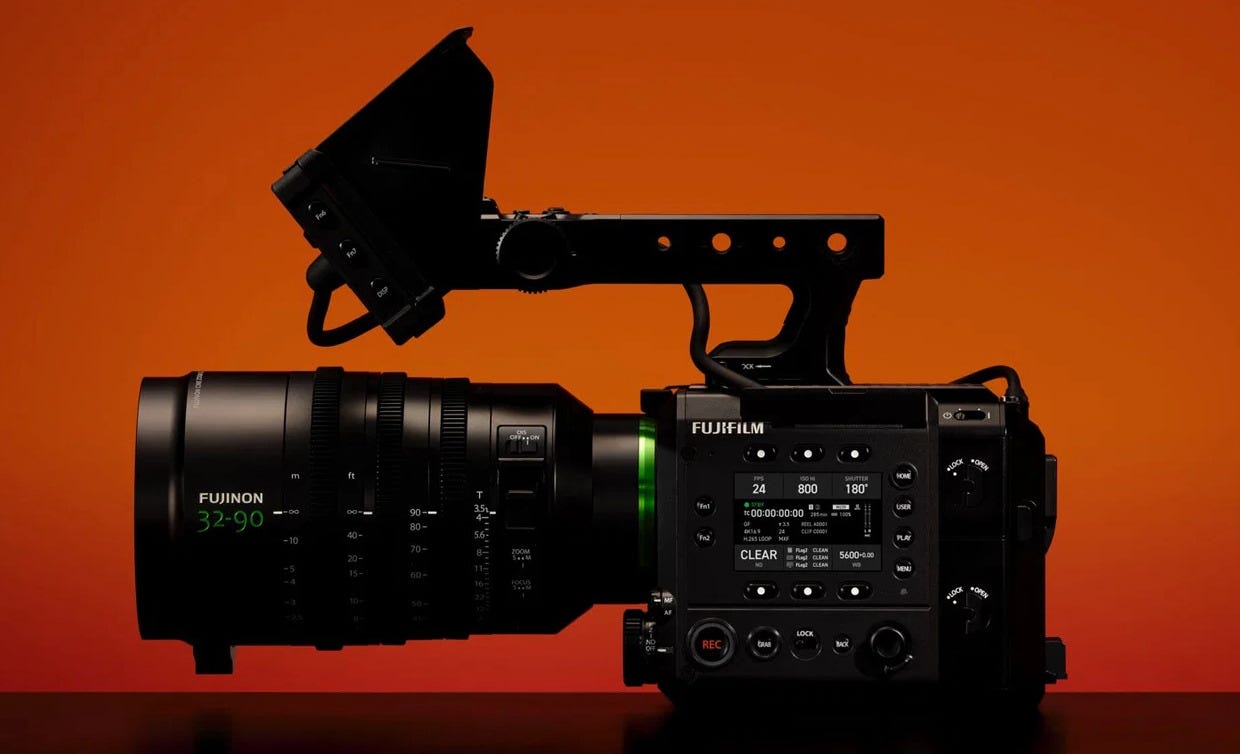
Fujifilm’s large format GFX ETERNA 55 cinema camera, released late last year, continued to garner interest. While adoption of new camera systems naturally takes time in an industry that prioritizes risk minimization, the Eterna’s large-format sensor (1.7 times larger than standard full-frame), competitive price point, and coveted IMAX-approval suggest that its widespread adoption by cinematographers is "when," not "if." Its capabilities promise to open new creative avenues for large-format storytelling.
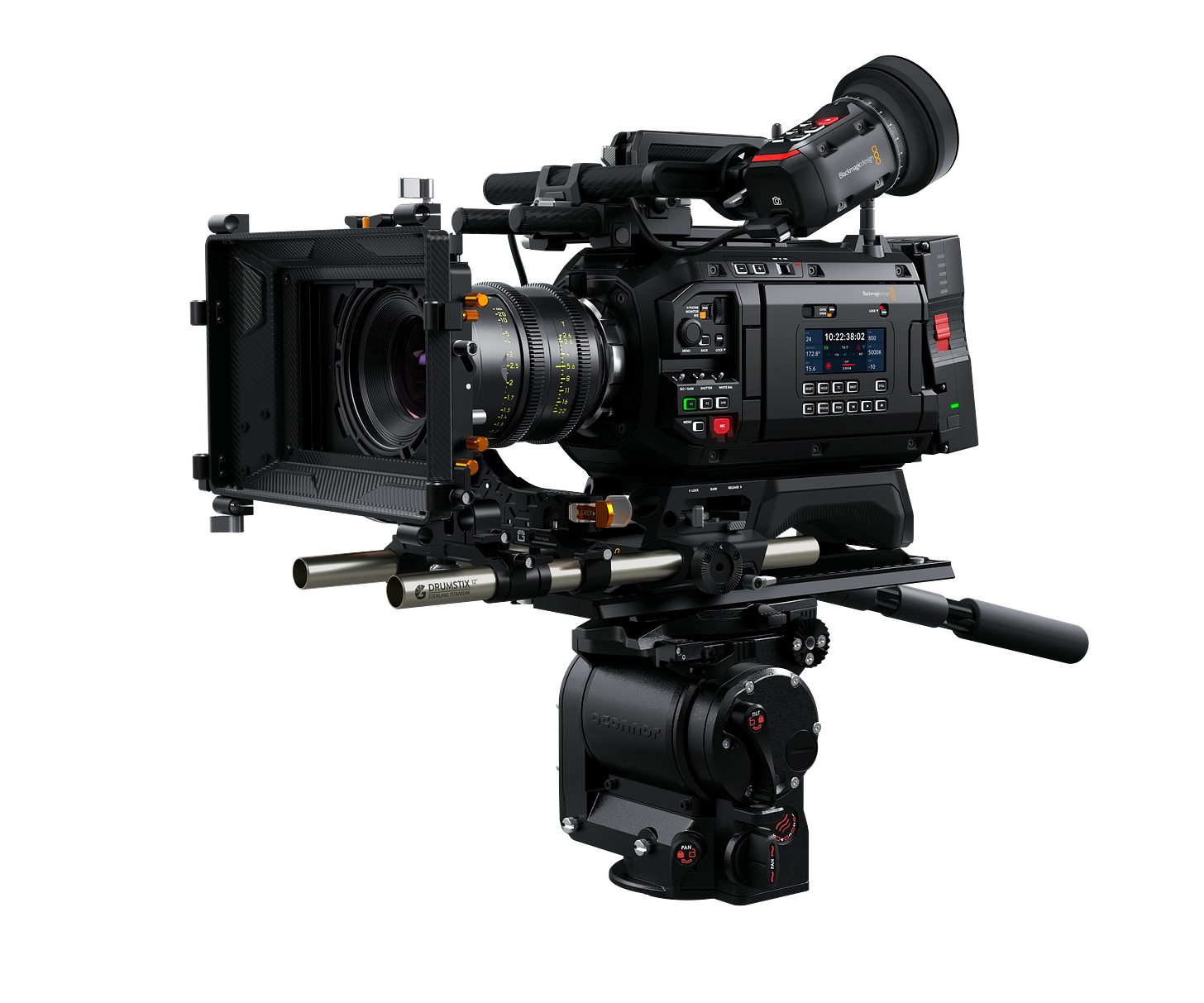
Cinematographer Blake McClure took a significant "leap of faith" when he shot the HBO series Rooster on the then-unreleased Blackmagic URSA Cine 17K 65. His primary concerns revolved around the camera’s durability and performance under demanding conditions. After consulting with industry luminaries like Greig Fraser (The Batman), who had pre-release testing experience, McClure received enthusiastic endorsements. His interest wasn’t solely in the camera’s formidable resolution but in how its large format sensor enabled him to achieve "a longer focal length lens, but still have a wider field of view." This, he explained, fundamentally alters camera placement and, consequently, storytelling, highlighting the artistic and practical advantages of advanced sensor technology.
Advancements in Post-Production and Workflow: Streamlining the Creative Process
Beyond cameras, NAB 2026 showcased significant strides in post-production software and hardware, emphasizing efficiency and streamlined workflows.
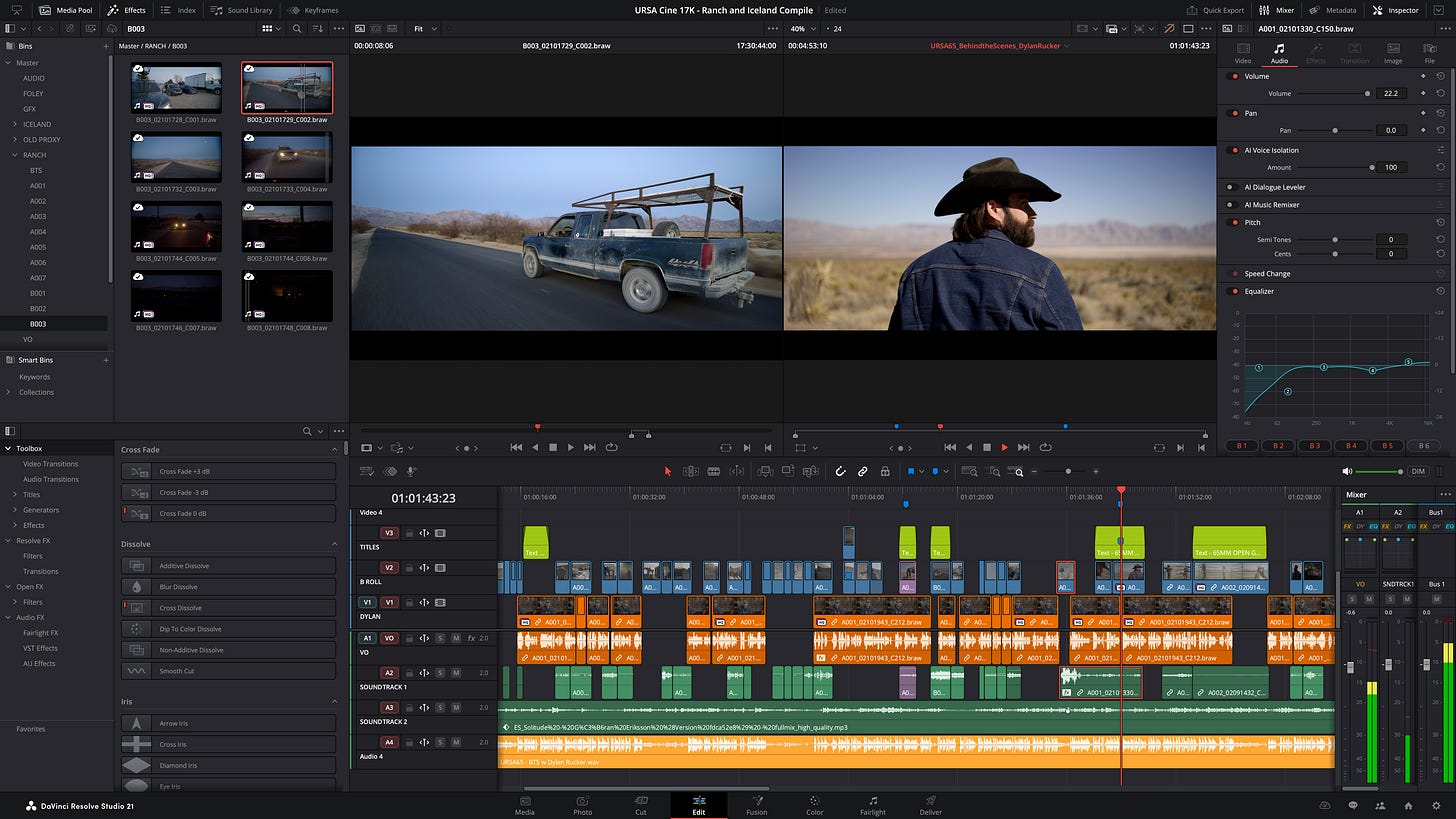
Blackmagic Design promoted its annual update to its acclaimed coloring and editing software, DaVinci Resolve 21. This iteration integrates a suite of helpful AI tools designed to simplify the tasks of editors and colorists. One such tool can automatically scan footage for all slate appearances, making sound and footage synchronization effortless. Sarah Jones, Senior Technical Solution Specialist at Blackmagic Design, highlighted the practical benefits: "15-20 years ago, you probably had an assistant editor going through and doing all of your slates, organizing your media. But these days, it’s almost a privilege to have that assistant. If we can take care of those tedious tasks and you get to the actual creativity of the job, people really appreciate that." This underscores a broader industry trend of leveraging AI to automate mundane tasks, freeing up creative professionals for more impactful work.
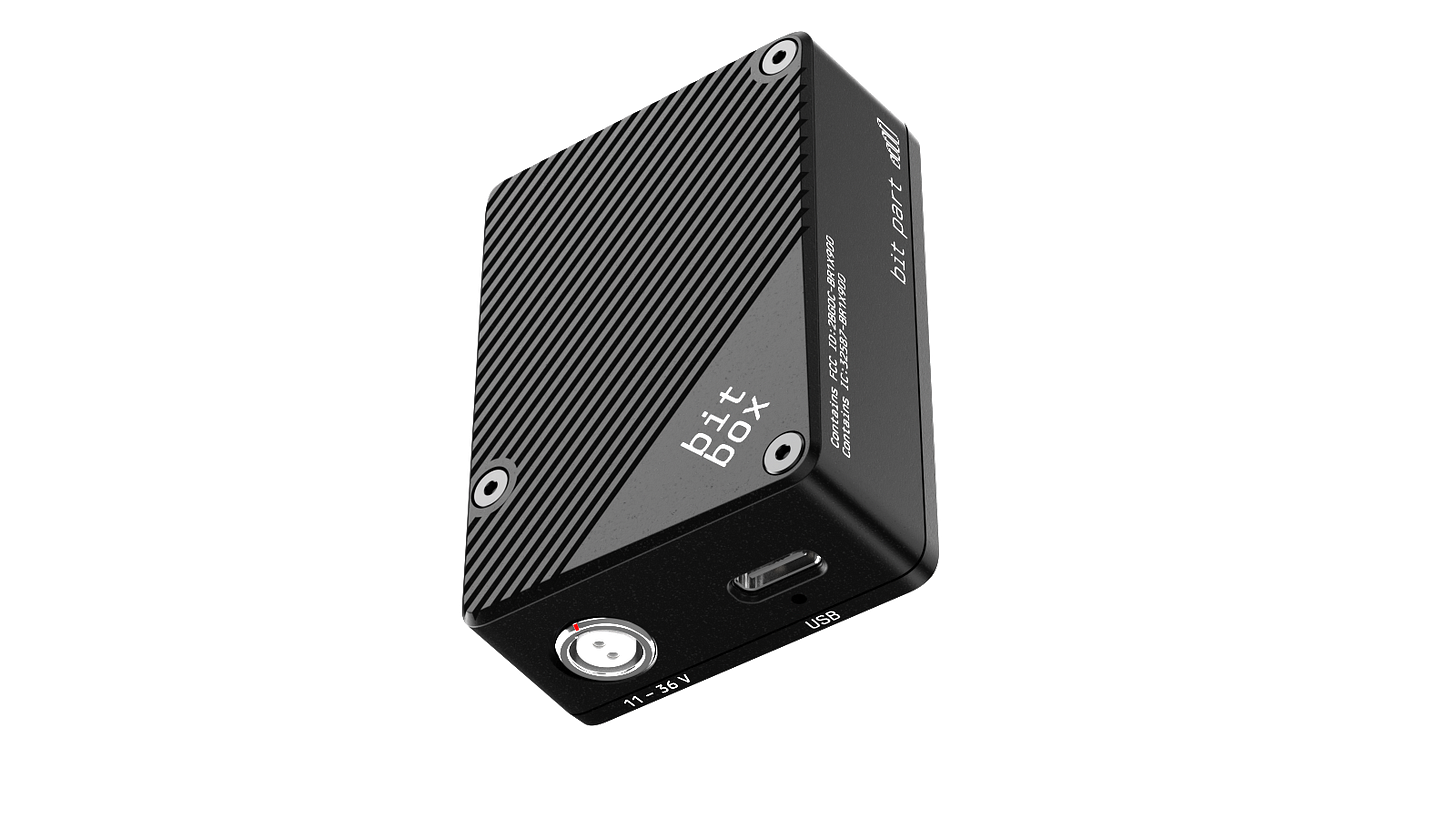
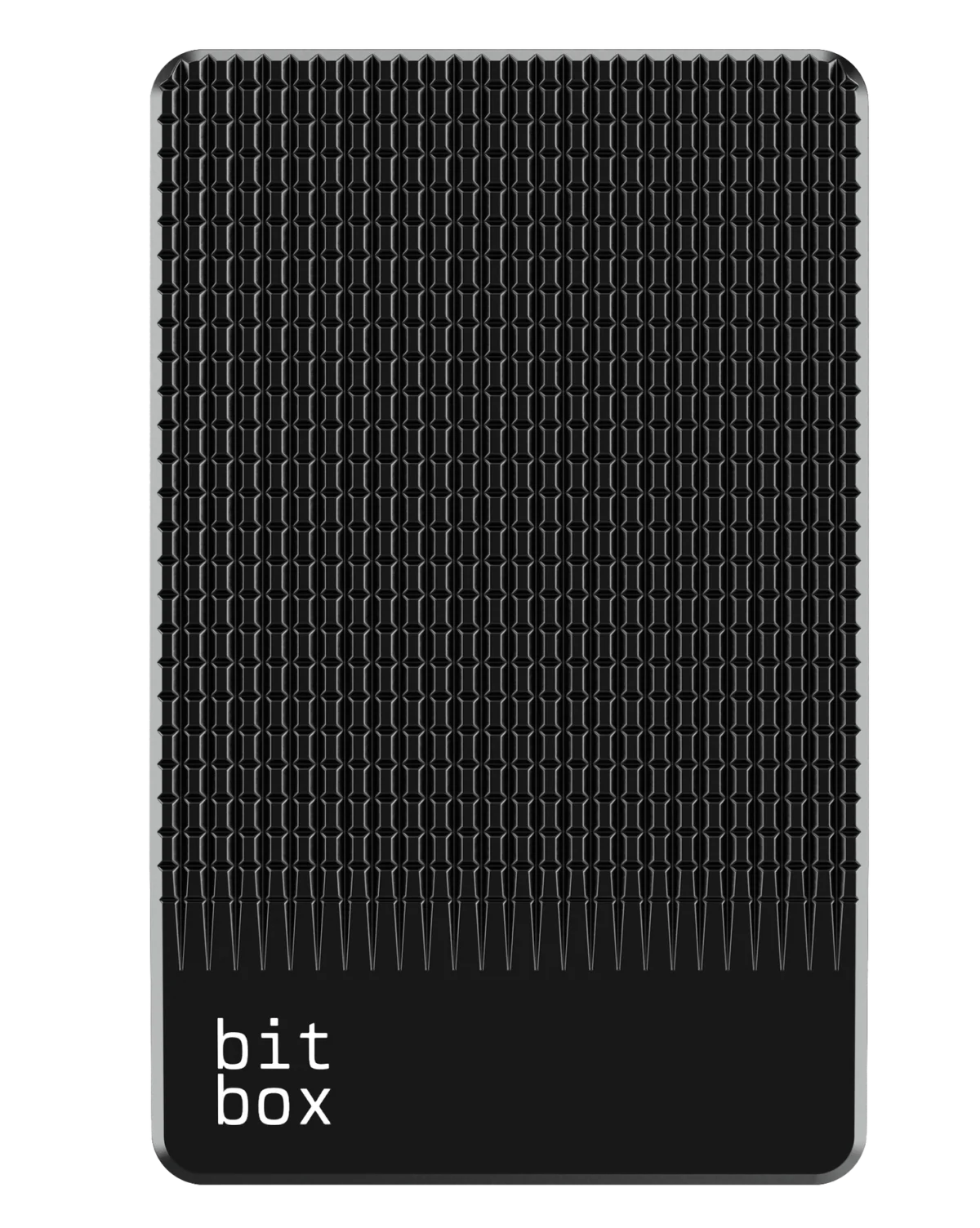
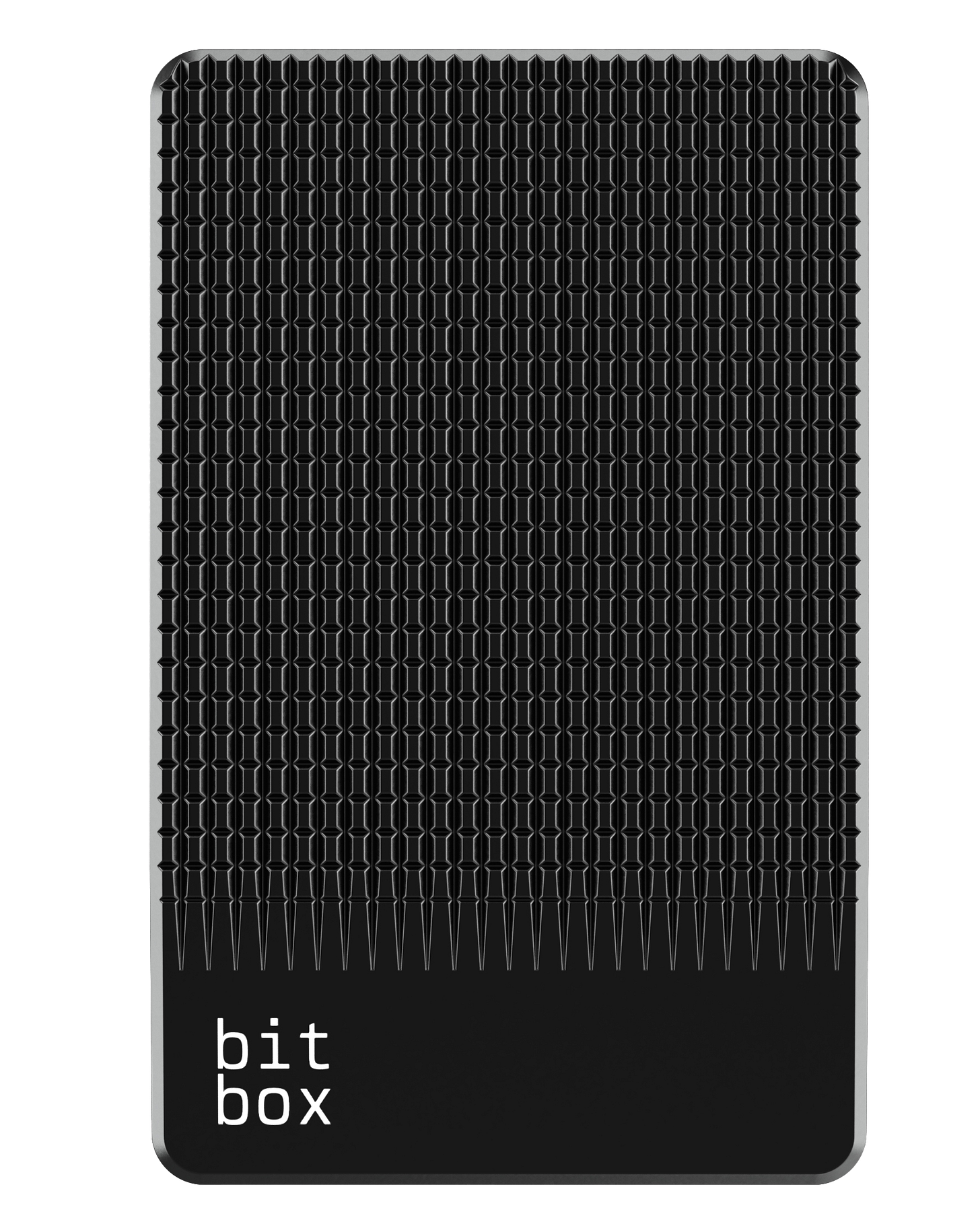
From the realm of camera control, Bit Part, a company profiled at Cine Gear Expo 2024 for its hardware that eliminates radio interference on film sets, debuted the Bitbox Max. Co-founder Ian Edwards explained that the Max was developed "from the ground up, fully in-house with better filtering and electronics," offering four times the range of previous Bit Box products. This extended range proves invaluable in extreme filming situations, such as controlling a camera positioned on the far side of a mountain. Interestingly, while designed for digital imaging technicians (DITs), Bit Part discovered that "ACs love the device." Responding to this demand, the company introduced the Bitbox Mini-C, specifically "designed for 1st ACs who want a small, two camera package and are already using a Bitbox." The Mini-C supports "any camera that has USB-C," including Sony, RED, Canon, or Blackmagic, functioning as a base station that powers an iPad or iPhone, simplifying connectivity with a single cord.
The escalating cost of flash storage presented a significant industry challenge, as explained by Ichiro Ogawa, Senior Manager for the imaging department at Nextorage. "The cause is quite simple. It’s the AI server demand. Not enough is being shared for the consumer market." Ogawa offered a realistic but hopeful timeline for price stabilization, estimating "Mid-2027 is the best case scenario." Despite these market pressures, storage innovation continued.

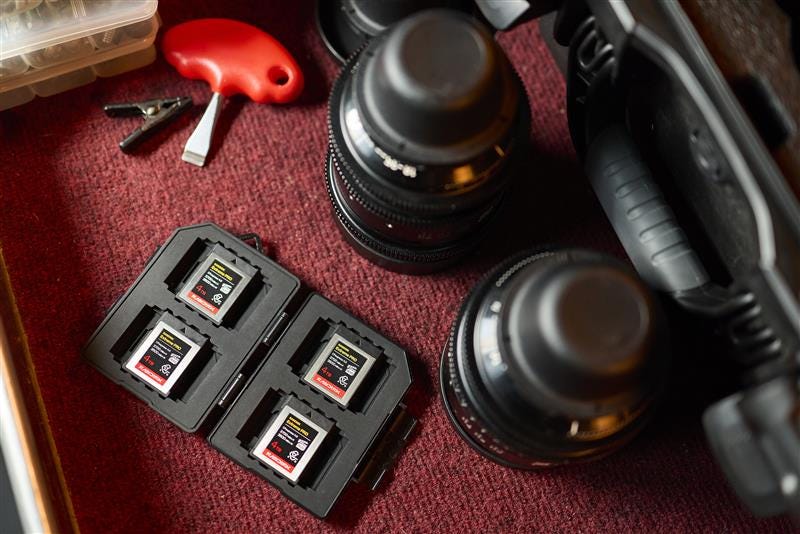
Nextorage introduced their state-of-the-art dual compatible NX-B2PRO+ media cards, offering read options at VPG (Video Performance Guarantee) 416 or 1600. While most cameras currently record at VPG 400, these new cards are "future-proof," capable of writing at three times that standard. Currently available in Japan, they are soon to be released in the US market, anticipating the demands of higher resolution workflows. Similarly, SanDisk unveiled their Extreme PRO CFexpress 4.0 Type B media cards. Brand manager Nathan Brown stated these cards "are geared towards enabling people who are shooting cinema quality work," boasting impressive 3700MB/s read and 3500MB/s write speeds – twice as fast as SanDisk’s Gen 3 cards. Certified at VPG 1600, these cards will "help enable 12K as a key shooting format," aligning with Nextorage’s "future-proofing" vision, even if widespread 12K shooting is still emerging.
Lexar showcased its new 700 Portable SSD drive, part of its ARMOR series, engineered "for the creators that are rough on their gear and need extra ruggedness and durability." Recognizing the industry’s need for higher capacity, this drive comes in a massive 8TB option, reducing the number of drives required on location. Also on display was Lexar’s Workflow Go Docking Station, a versatile hub whose six bays can be customized with various ports (CFexpress, SSD, SD card slots), enabling simultaneous media dumps through a single connection to a DIT workstation. These innovations in storage and data management highlight the industry’s commitment to efficient and robust post-production workflows.
Cutting-Edge Audio and Optics: Precision and Versatility
Audio and optics also saw significant advancements, blending high-end performance with greater accessibility.
In the sound space, Rode advanced from 2.4 GHz digital sound to UHF (ultra-high frequency) 32-bit float onboard recording technology with the RØDELink II professional UHF wireless microphone system. This upgrade was facilitated by Rode’s acquisition of high-end audio company Lectrosonics last May. At $1,499 for a two-channel device, it offers a competitive price point, upholding Rode’s ethos of affordability for independent filmmakers while delivering professional-grade audio quality.
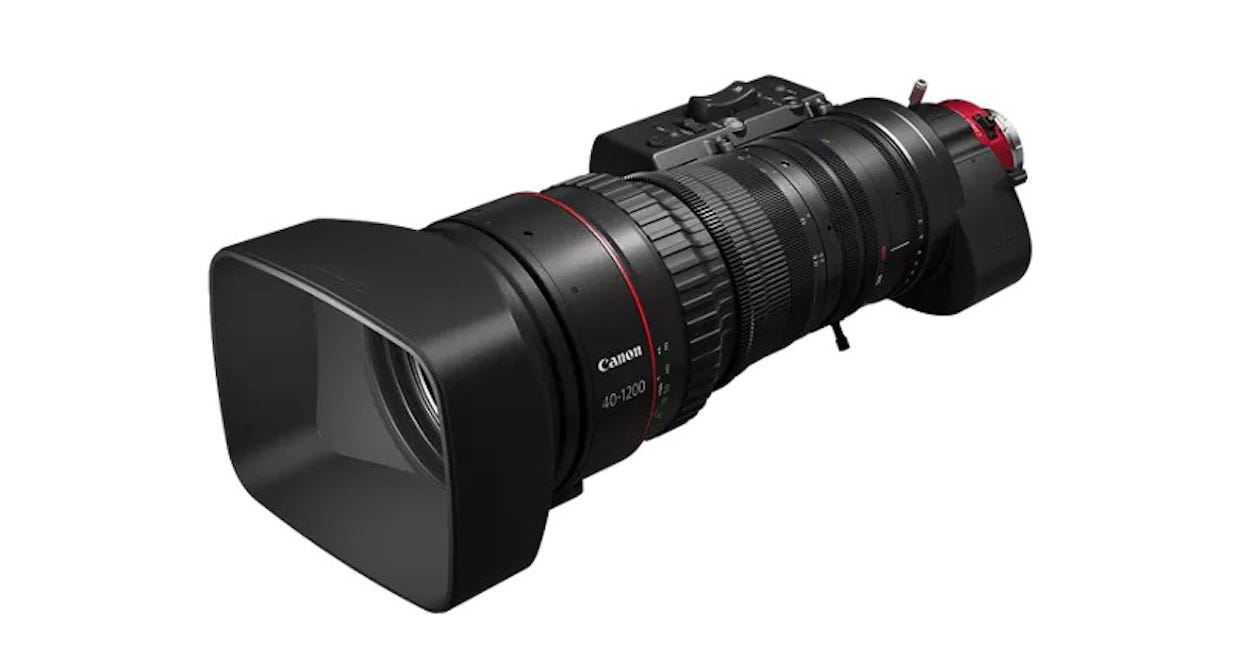
Canon unveiled the CINE-SERVO 40-1200mm T5.0-10.8 lens, a successor to the widely used CINE-SERVO 50-1000mm. This new lens expands the focal range, providing a broader field of view at 40mm compared to 50mm, a direct result of feedback from diverse users, including those in nature documentaries and live church streams. Hawxhurst highlighted the collaborative development, noting, "One of the major feedback points about making it wider and telephoto came from them." This demonstrates a commitment to versatile optics that serve a wide array of content creation needs.
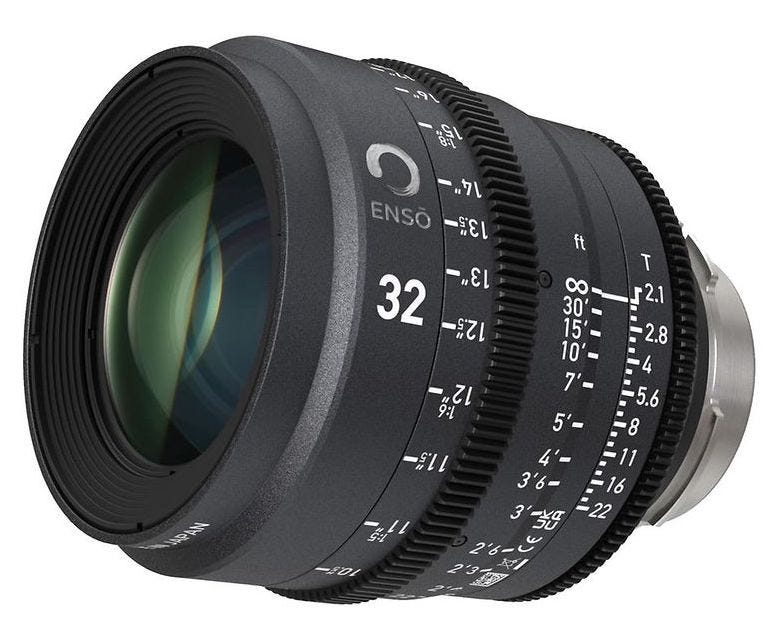
ARRI completed the rollout of their Ensø Prime lens line with the release of 10.5mm, 14mm, and 250mm lenses. A unique "vintage kit" of three different strength diopters can attach to the back of the lenses, allowing users to "detune the lenses, for lack of a better term, really quickly," as explained by Stephan Ukas-Bradley, ARRI Vice President of Product Strategy and Marketing. He added, "You can make them look like a Canon K35 for instance, with the strongest positive filter," offering cinematographers unprecedented creative control over the aesthetic. Looking ahead, Ukas-Bradley acknowledged the burgeoning lens market in Asia and its hyper-competitive pricing. "We obviously see that, particularly with all the other glass coming out of Asia, price is a concern, so we might look into lower-cost glass. And with that you always have to compromise, so that’s something we’re going to be looking very carefully into." He also hinted at future "creative options to detune them" through collaborations with filter manufacturers.
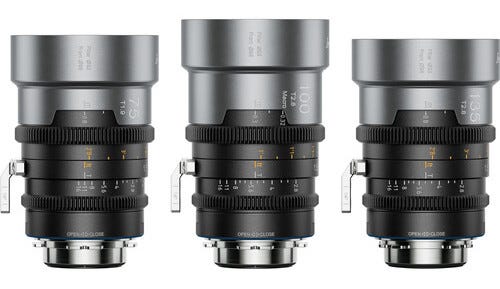
China-based SIRUI, a company that began 25 years ago making tripods, has successfully transitioned into producing ultra-fast anamorphic glass at affordable prices. At NAB, they introduced three new 1.5x full-frame anamorphic lenses in their IronStar Series (75mm, 100mm, 135mm). SIRUI also received an award for their ultra-fast Vision Prime Full Frame Cine Lens series, with 15mm T1.6, 75mm T1.4, and 150mm T4 lenses, priced at an accessible $600 each and available this month. This trend of high-quality, affordable lenses from Asian manufacturers continues to democratize access to sophisticated cinematic looks.
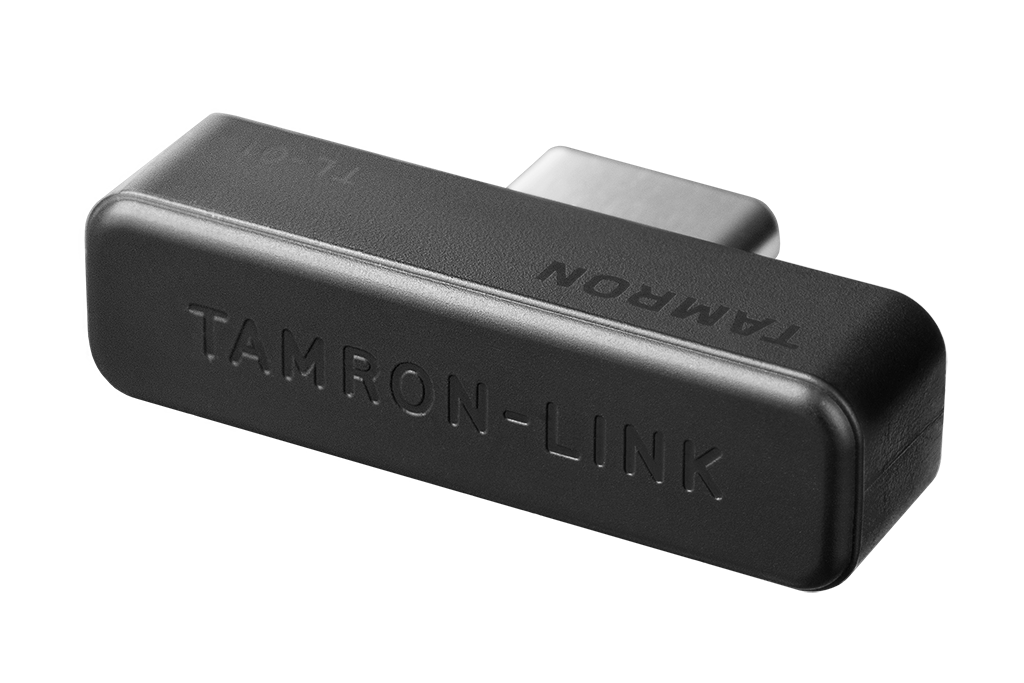
Japanese lens company Tamron unveiled the TAMRON-LINK, a small, $50 Bluetooth-powered device that plugs into the base of their lenses, enabling remote lens control via an iOS app. This cost-effective solution enhances operational flexibility for filmmakers.
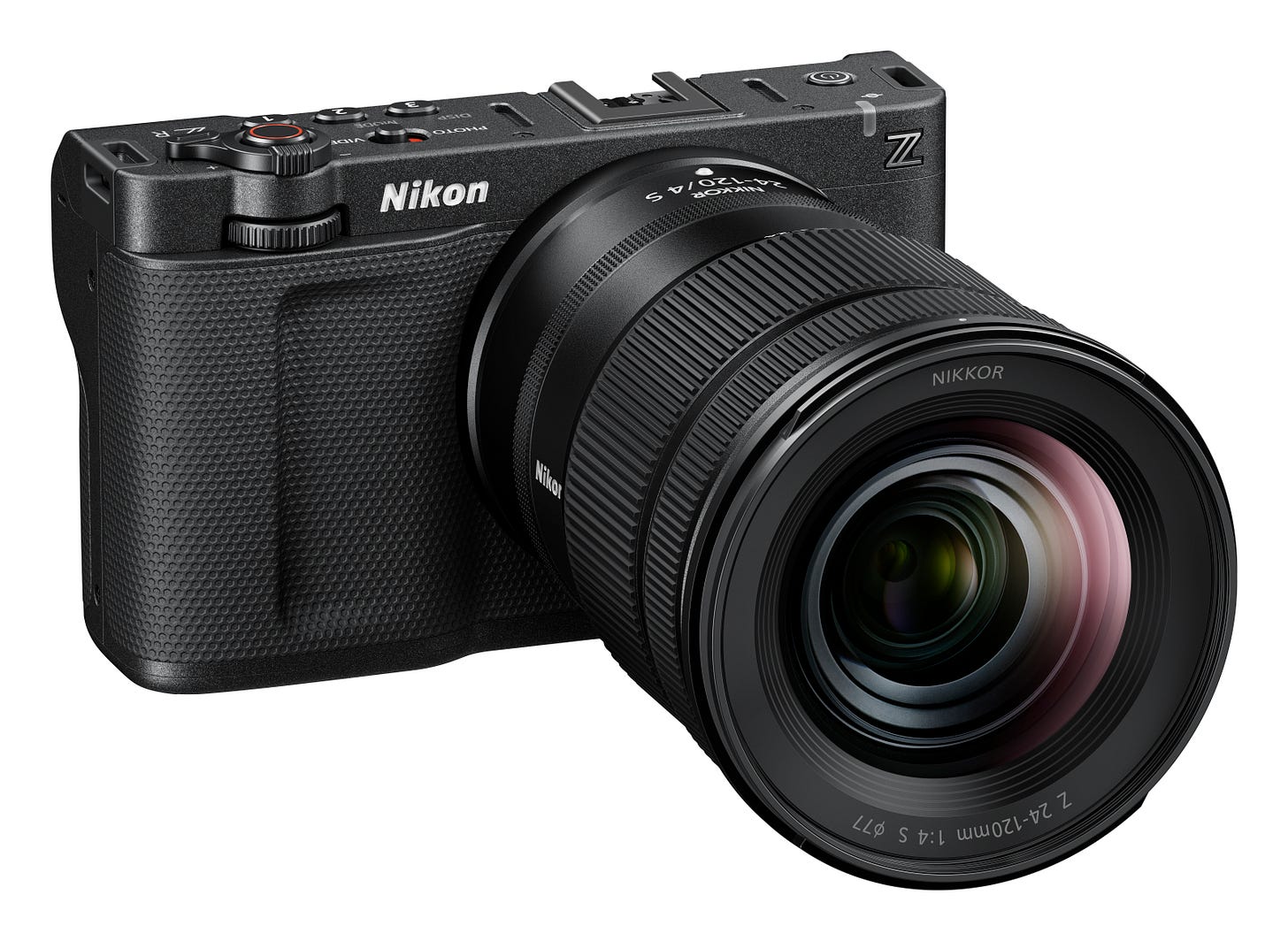
The acquisition of RED Digital Cinema by Nikon in 2024 proved fruitful, with their first collaboration, the Nikon ZR cinema camera, being a clear success. On the eve of this year’s NAB, Nikon teased the launch of their first-ever cinema lenses, signaling a deeper foray into professional cinema, leveraging their extensive expertise in Nikkor photography and videography lenses for cinematic applications.
Lighting Innovations for Diverse Productions: Precision, Power, and Portability
Lighting technology at NAB 2026 demonstrated a focus on versatility, color accuracy, and rugged design for a multitude of production environments.
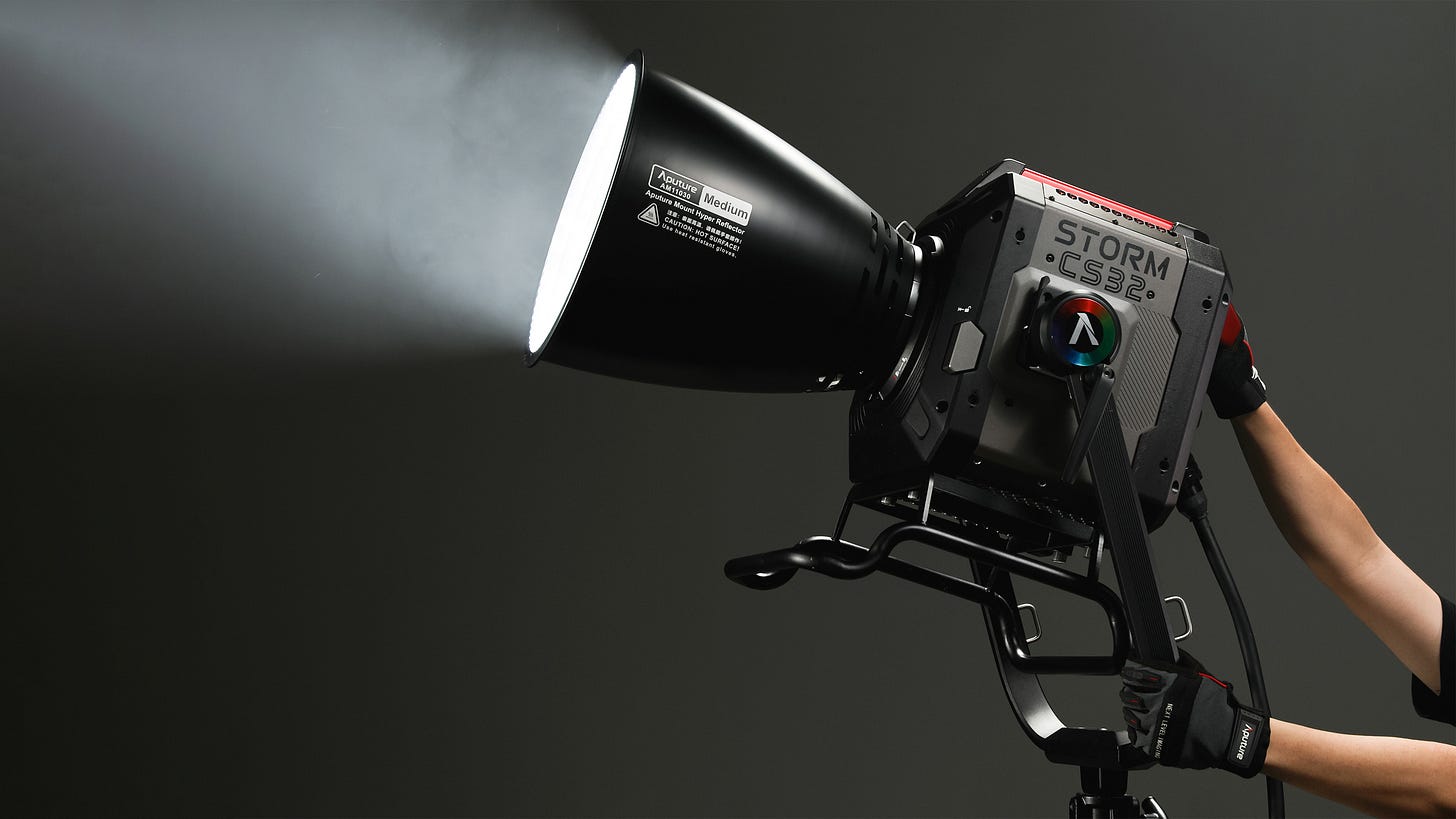
Aputure offered a sneak peek at their new STORM CS32 light, aligning with their "high output, full spectrum, small size" philosophy. Brandon Le, Product Development Team Lead, described it as "the brightest full-color, point-source fixture we have in our ecosystem, as well as on the market." The light utilizes Aputure’s expanded Blair CG (blue, lime, amber, indigo, red, cyan, green) lighting technology, representing the full color spectrum. Le highlighted the indigo emitters’ ability to "produce a natural fluorescence that you get from natural daylight" and updated red emitters that allow "a bit more saturated red, which allows us to bring out these really vibrant skin tones, because it is more similar to the near infrared light that you would get in tungsten." This new technology is "built for perfect color," promising exceptional fidelity. While a true sneak peek, the STORM CS32 is expected later this year.
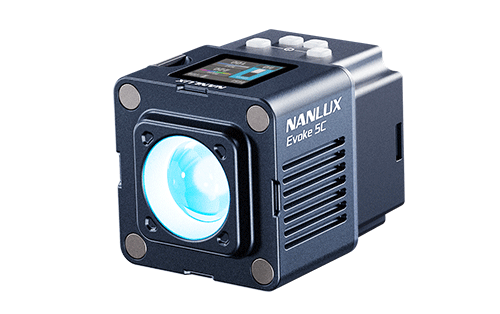
NANLITE/NANLUX debuted the Evoke 5C, addressing a market need for a powerful LED light that fits in the palm of one’s hand. Its compact size allows it to be discreetly hidden anywhere on set, and its stellar IP67 rating means it can even be fully submerged underwater. The light, released just before the show, will ship soon and is available in three kit options, with the full kit priced at $2,995, offering significant value and flexibility.
Astera’s QuikBeam introduced enhanced broadcast capabilities, including POE (Power over Ethernet) and swappable QuikBrick batteries, building on the brand’s reputation for reliability and support among gaffers. Ricardo Rodriguez of Inner Circle Distribution explained that the light’s engine, an "RGBMA (mint and amber) source that perfectly mixes to create the colors you’re looking for," achieves a remarkable 96-97 TLCI (Television Lighting Consistency Index) rating, delivering some of the most precise color rendering available on the market.
Finally, Litepanels updated its popular Astra range with the Astra IP range, offering three size options. These lights feature a rugged, simplistic design prioritizing reliability and rapid setup. Michael Herbert, Head of Product at Litepanels, emphasized their ease of use: "get out the case, put it on a stand, snap a battery onto the back, and get going." With an IP65 rating, the new Astra line is near-waterproof and was rigorously "tested in Connecticut winters and Dubai deserts—all the extremes of operation," ensuring robust performance in challenging environments.
Conclusion: A Dynamic Future for Media and Entertainment
NAB 2026 clearly articulated a dynamic and evolving media and entertainment landscape. While the allure of cinematic storytelling remains strong, the industry’s strategic pivot back towards broadcast, live production, and diversified content creation signifies a robust response to changing consumption patterns and technological opportunities. The innovations showcased, from versatile and affordable cameras and AI-powered post-production tools to advanced remote control systems, high-speed storage, and precision lighting, all point towards a future where production workflows are more efficient, accessible, and creatively empowering for a broader spectrum of creators. The ongoing challenges, such as the rising cost of flash storage, highlight the need for continued innovation and adaptation. Ultimately, NAB 2026 demonstrated an industry in flux, actively recalibrating and innovating to meet the demands of an increasingly complex and interconnected global media ecosystem.