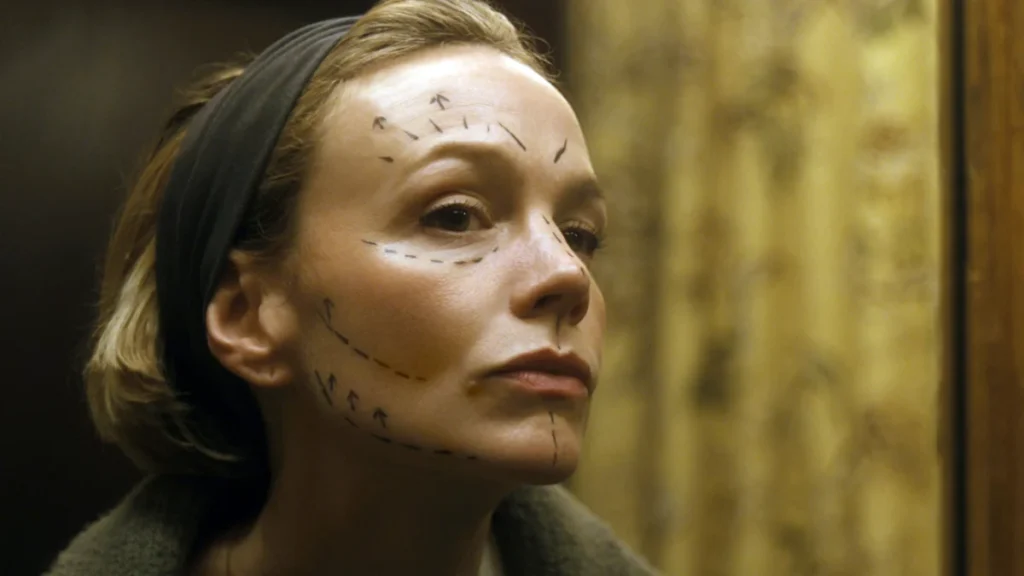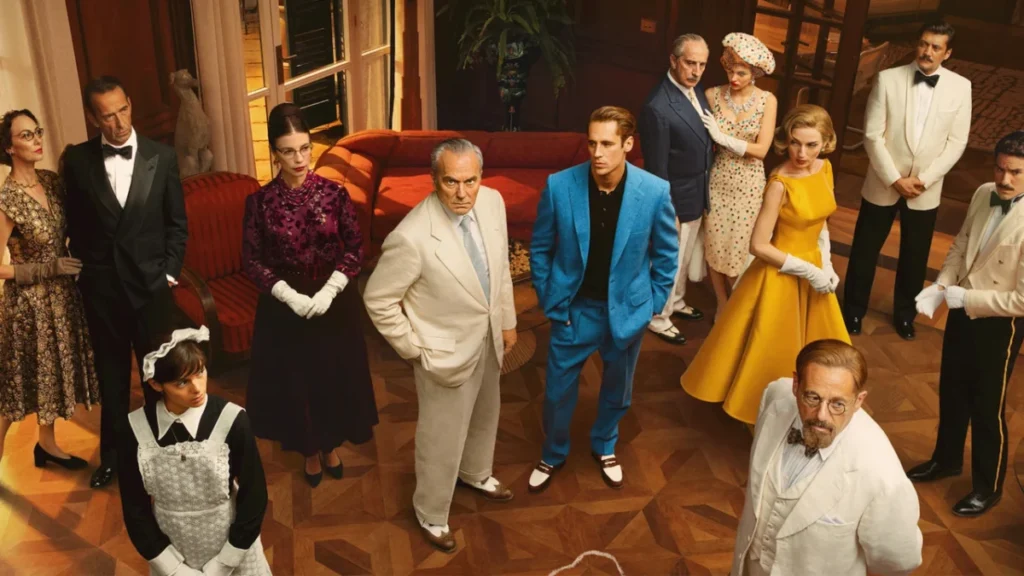
The release of a major cultural retrospective always sparks intense public debate, critical evaluation, and social media discourse. Recently, The New York Times published its comprehensive ranking of the 100 Best TV Shows of the 21st Century, a sweeping editorial project designed to capture the television landscape of an era defined by the rise of prestige cable and subscription streaming platforms. While legacy networks and premium cable channels like HBO have historically dominated critical consensus lists, the streaming giant Netflix successfully captured a substantial portion of the prestigious roster. This performance highlights the platform’s evolution from a mail-order DVD rental service and digital aggregator into a powerhouse creator of culturally transformative, critically acclaimed television.
An analysis of the complete New York Times index reveals how Netflix performed across various categories, including proprietary homegrown originals, international co-productions, platform-branded revivals, and third-party licensed acquisitions available to domestic subscribers. Historically, networks such as HBO and Max have claimed the lion’s share of high-end critical recognition. However, the inclusion of numerous Netflix-associated titles demonstrates that the streaming pioneer has permanently altered the critical landscape, successfully bridging the gap between massive global viewership and high artistic achievement.
Main Facts and Composition of the List
The New York Times retrospective encompasses two decades of unprecedented television production, often referred to by critics as the Golden Age of Television. Within this expansive 100-entry inventory, Netflix-affiliated programming commands roughly 16 percent of the total slots when combining proprietary commissions, international distribution partnerships, and licensed acquisitions.
For subscribers seeking to conquer this definitive critical reading list, the platform offers remarkable accessibility. The titles securing spots on the index span diverse genres, ranging from historical docudramas and animated existential comedies to gritty crime thrillers and surrealist science fiction. Prominent true originals—shows commissioned, financed, and controlled entirely by Netflix from their inception—anchor the platform’s critical success. These include foundational early prestige dramas that proved the service could launch high-end original content, massive global blockbusters that dominated international pop culture, and boundary-pushing animated series that redefined the medium’s emotional and narrative potential.
Beyond proprietary creations, the platform’s catalog features several prominent acquisitions, revivals, and co-productions. Because global streaming rights involve complex multi-territory licensing agreements, various series wear the prominent red N branding in the United States despite originating on traditional broadcast networks or international channels. Furthermore, the inclusion of globally acclaimed licensed titles—such as Breaking Bad, Better Call Saul, Scandal, and Homeland—reinforces the platform’s role as a primary aggregator for some of the greatest television achievements of the modern era.
Chronology of the Streaming Revolution and Prestige Television
To understand how Netflix secured its position on this modern critical retrospective, it is necessary to examine the chronological evolution of the platform’s content strategy. When the company launched its streaming service in 2007, its catalog relied almost exclusively on licensed content from traditional Hollywood studios and television networks. For the first several years of the streaming era, the industry operated under a traditional symbiotic relationship: networks produced content, and streaming platforms distributed it after the initial broadcast window closed.
The paradigm shifted fundamentally in February 2013 with the simultaneous release of all thirteen episodes of the political drama House of Cards. Directed by David Fincher and starring Kevin Spacey, the series was not merely a high-profile drama; it was a watershed moment that introduced the binge-watching model to mainstream audiences and established Netflix as a serious contender in original prestige production. Later that same year, the platform debuted Orange Is the New Black, further cementing its commitment to serialized, creator-driven narrative television that addressed complex social themes.
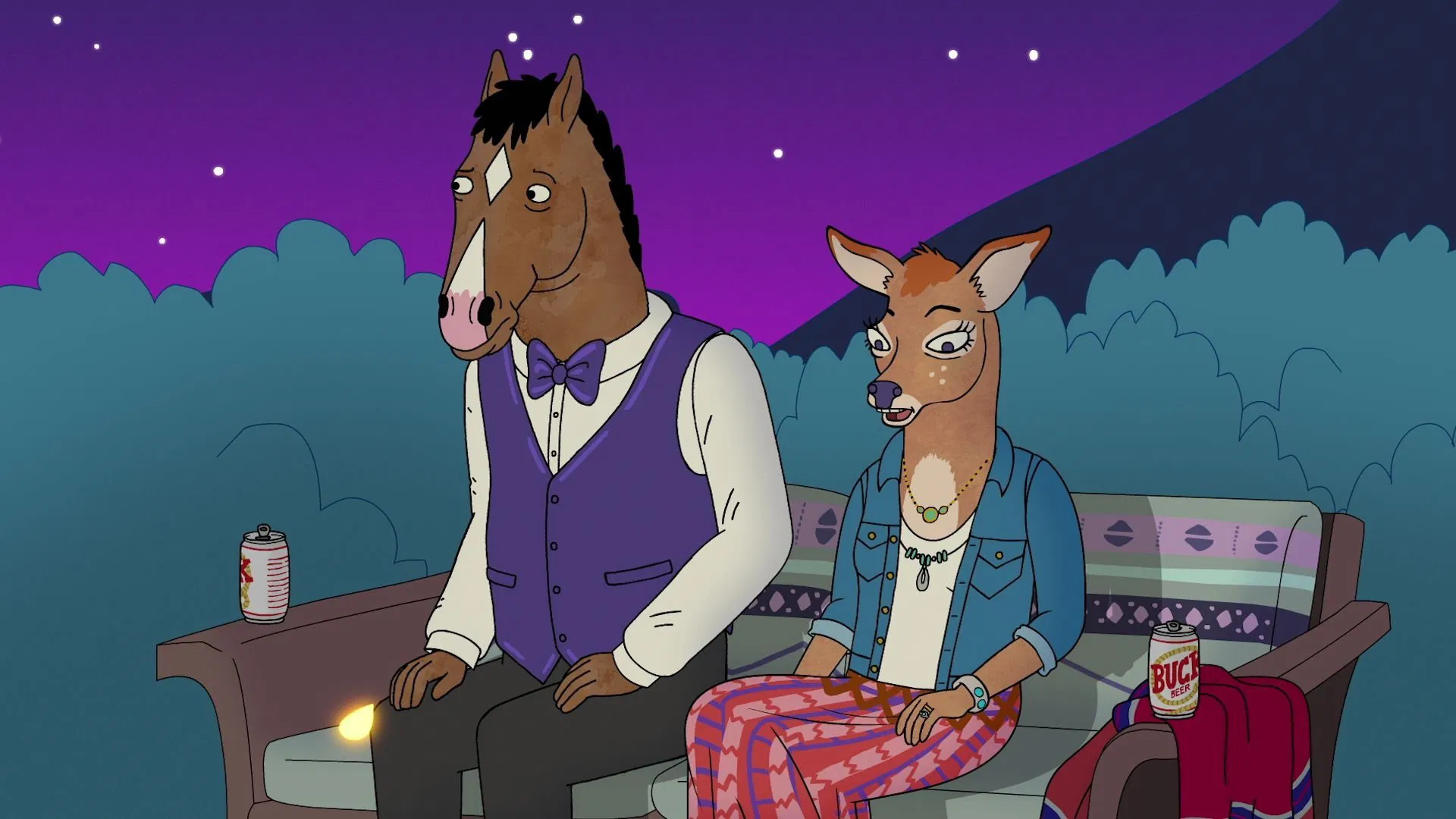
Throughout the mid-2010s, the platform accelerated its original content expenditures, expanding into diverse genres. In 2014, the critically acclaimed animated tragicomedy BoJack Horseman debuted, gradually evolving from a satirical industry insider comedy into one of the most poignant explorations of depression and human frailty in television history. By 2016, the supernatural thriller Stranger Things became a global cultural phenomenon, proving that streaming platforms could manufacture blockbuster intellectual property that rivaled traditional summer tentpole films.
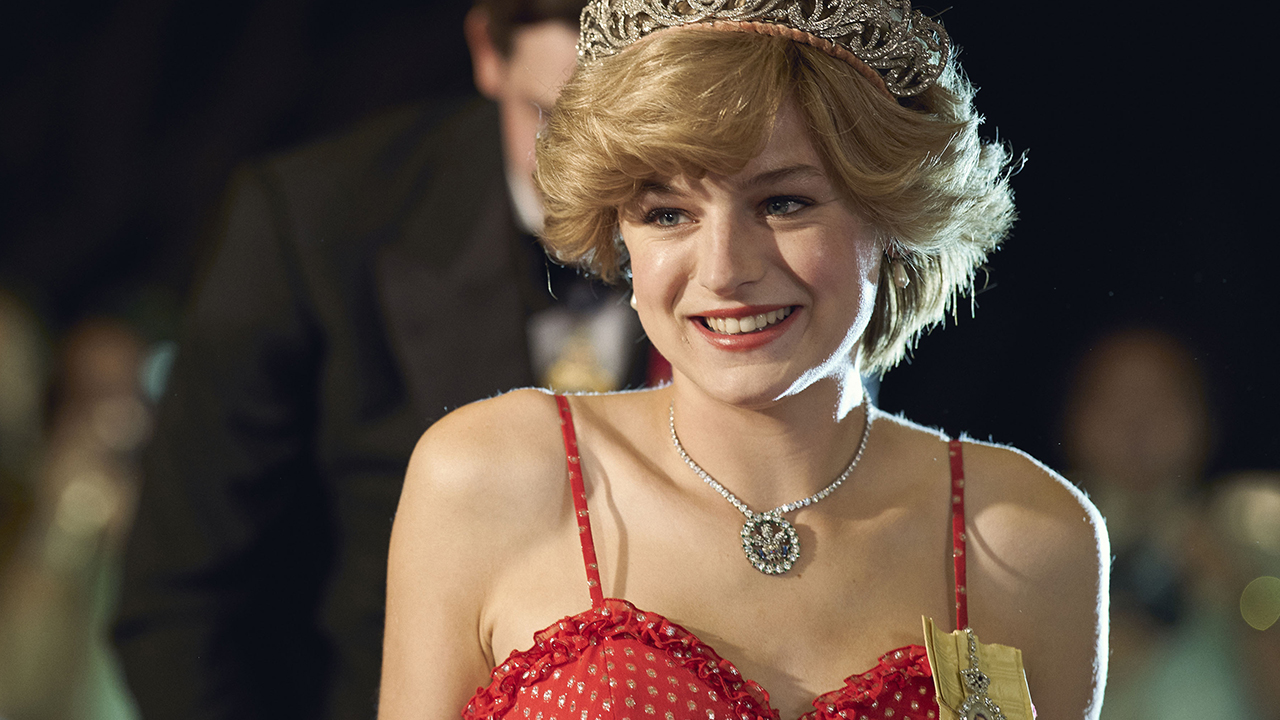
Concurrently, international expansion led to ambitious co-productions and localized originals. Shows like The Crown, which premiered in late 2016, demonstrated that the platform was willing to invest unprecedented budgets into meticulously crafted historical epics that could compete directly with historical prestige dramas from traditional broadcasters like the BBC or HBO. By the close of the decade, the platform had transitioned from a digital video store into a dominant global studio system, culminating in historic milestones such as Squid Game becoming the most-watched series in the platform’s history and earning widespread mainstream critical acclaim.
Supporting Data and Comparative Analysis
When evaluated against traditional prestige competitors, Netflix’s performance on the New York Times index reflects a distinct operational strategy. While premium cable networks have traditionally favored a curated, lower-volume output of high-budget auteur-driven projects, Netflix pioneered a high-volume, genre-diverse production model designed to appeal to fragmented global demographics.
Despite this high-volume approach, the inclusion of proprietary series on a top 100 critics’ list demonstrates that the platform’s prestige filter has successfully yielded enduring works of art. The titles securing spots on the list cover a wide artistic spectrum, reflecting the platform’s willingness to take creative risks on unconventional premises. For instance, serialized psychological thrillers, intricate science fiction mysteries, and lavish biographical dramas have all found critical validation alongside traditional prestige formats.
Moreover, the platform’s strategic licensing acquisitions play a vital role in its overall catalog value. By securing domestic or global streaming rights to monumental critical darlings that originally aired on linear networks—most notably AMC’s Breaking Bad and its prequel Better Call Saul—the service has curated a library that serves as a comprehensive archive of 21st-century television excellence. Industry analysts note that this dual approach—combining original hits with premier licensed content—creates an unmatched consumer value proposition, making the service practically indispensable for television enthusiasts attempting to navigate contemporary media consumption.
Official Responses and Industry Implications
While Netflix management has not issued a formal corporate statement specifically addressing the New York Times ranking, industry observers and media analysts have widely discussed the implications of such retrospectives for the streaming ecosystem. For years, skeptics argued that the algorithm-driven, volume-heavy release model prioritized subscriber acquisition and engagement metrics over artistic integrity and long-term cultural legacy.
The inclusion of multiple proprietary series on this definitive critical list challenges that perception, suggesting that high-volume production and critical prestige are not mutually exclusive. Media economists point out that these accolades validate the massive capital expenditures undertaken by the company during the streaming wars of the late 2010s and early 2020s. By proving that its proprietary library can stand shoulder-to-shoulder with decades of curated television history from legacy networks, the platform solidifies its brand equity in an increasingly competitive marketplace.
Furthermore, the publication of such lists frequently triggers renewed viewership surges for catalog titles. Streaming data historically demonstrates that critical retrospectives, anniversary milestones, and award nominations drive significant traffic to older or completed series, introducing foundational streaming hits to younger demographics and encouraging subscription retention.
Broader Impact and Critical Discourse
The release of the New York Times ranking has also catalyzed intense conversations among television critics and passionate fan communities regarding notable omissions and unexpected inclusions. In the wake of the list’s publication, social media platforms became arenas for lively debate over which modern masterpieces deserved recognition and which were overlooked.
For the platform’s loyal viewership, the absence of certain beloved original series sparked considerable discussion. Many critics and fans noted the conspicuous omission of ambitious, critically revered genre works such as the mind-bending sci-fi mystery series The OA and the atmospheric, cerebral FBI profiling drama Mindhunter. Both series garnered intense critical praise during their respective runs and maintain passionate cultural footprints, illustrating the ongoing subjectivity inherent in defining television excellence across a rapidly changing medium.
Ultimately, the presence of Netflix productions on this prestigious 21st-century ranking underscores the fundamental transformation of how television is financed, produced, distributed, and consumed. As the television industry continues to adapt to economic pressures, consolidation, and changing consumer habits, retrospectives of this magnitude serve as a vital historical ledger. They document an era defined by disruption, proving that the digital streaming revolution has permanently reshaped the artistic boundaries, cultural impact, and global reach of modern television.