
The popular supernatural drama series Teen Wolf is scheduled to depart Netflix in the United States on December 1, 2026, marking the conclusion of a surprisingly brief second licensing stint for the MTV property. Subscribers in the U.S. have until November 30 to stream all six seasons and 100 episodes of the Beacon Hills saga before the title is removed from the platform’s active catalog.
The impending departure highlights the shifting economics of subscription video-on-demand services, where third-party content is increasingly subjected to short-term, rotating licensing agreements. For millions of loyal viewers who celebrated the show’s unexpected return late last year, the removal represents a frustrating reality of modern streaming fragmentation.
Chronology of Teen Wolf on Streaming Platforms
The trajectory of Teen Wolf across various digital distribution platforms reflects the complex nature of media rights management by major studios. Created by Jeff Davis and loosely adapted from the 1985 feature film starring Michael J. Fox, the series originally aired on MTV from June 2011 to September 2017. During its initial broadcast era, streaming rights were predominantly held by Amazon Prime Video and Hulu in various windows, while Netflix maintained the U.S. SVOD rights for a period before allowing them to lapse in 2015.
Following its exit from Netflix a decade ago, the series found alternative homes across competing subscription tiers, most notably on Hulu and Prime Video. Fans experienced a prolonged drought of centralized availability until December 1, 2025, when Netflix engineered a surprise revival of the license, bringing the entire 100-episode library back to the U.S. platform. However, because the agreement was structured as a standard 12-month window, the rights are set to expire precisely one year later, on December 1, 2026.
International availability has followed a similarly disjointed timeline. While the majority of global regions lost access to Teen Wolf during a sweeping wave of international expirations in June 2023, select Latin American territories—including Argentina, Brazil, Colombia, and Mexico—briefly re-licensed the series in March 2026. Industry analysts anticipate that these international regions will face similar expiration dates as their respective contracts lapse throughout the coming year.
Audience Metrics and Platform Performance
Despite the short-lived nature of its return, empirical data released via Netflix’s official bi-annual engagement reports indicates that Teen Wolf remained a powerhouse of audience retention and viewer demand. The series consistently outperformed many newer original productions, proving that 2010s-era teen drama continues to command significant cultural relevance.
Upon its return to Netflix U.S. in December 2025, the series immediately surged in popularity, generating 49.2 million hours viewed and 4.8 million views during its first month back. Momentum accelerated dramatically into the first half of 2026, bolstered by international expansions, with the platform recording 231.6 million hours viewed and 20.6 million views across those six months. Cumulatively, across the reporting cycles covering 2023, 2025, and 2026, Teen Wolf amassed an astounding 447.3 million hours watched on the service.
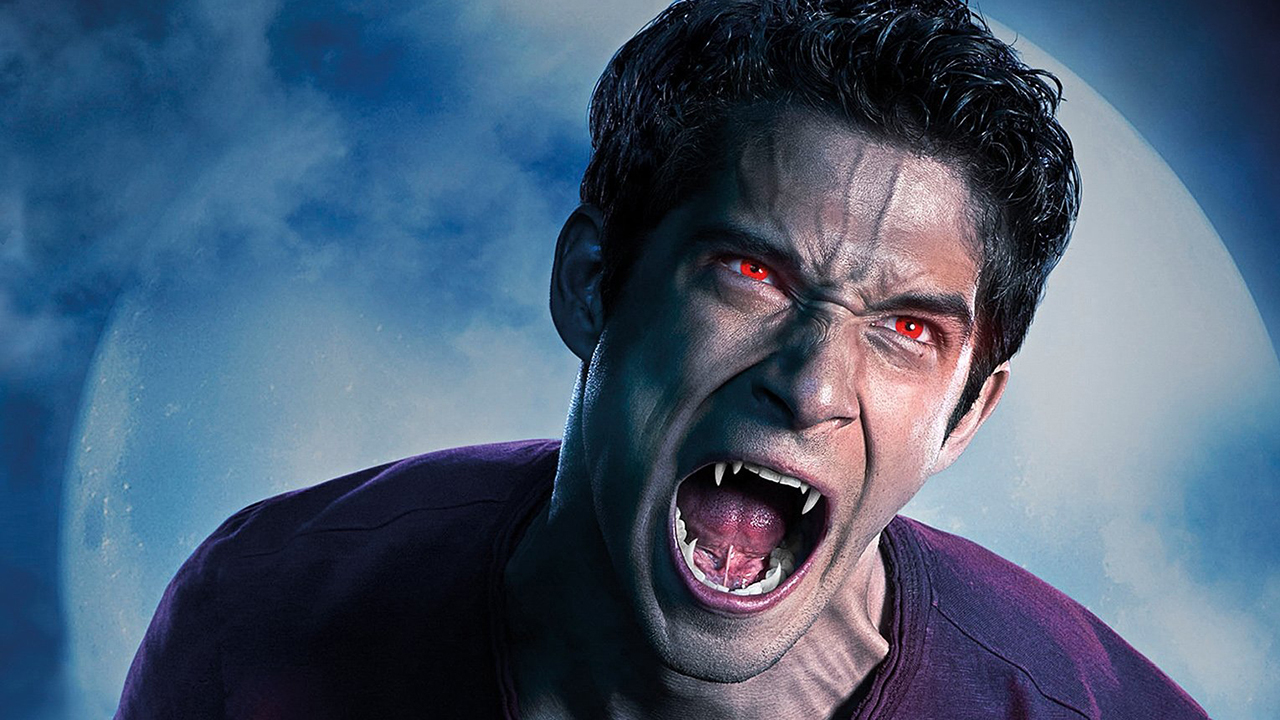
Granular viewership data reveals distinct behavioral patterns among the subscriber base. Season 1 consistently drew the highest engagement metrics, capturing 6.7 million views following the revival. Engagement demonstrated a gradual, expected downward slope across subsequent iterations, concluding with Season 6, which maintained a respectable 2.3 million views. These metrics underscore the enduring appeal of the show’s foundational mythology, which follows Scott McCall (portrayed by Tyler Posey), a high school student transformed into a werewolf, alongside his loyal friend Stiles Stilinski (Dylan O’Brien) and an ensemble cast featuring Crystal Reed, Holland Roden, Tyler Hoechlin, Colton Haynes, Shelley Hennig, and Arden Cho.
Industry Context and Licensing Dynamics
The rapid turnover of Teen Wolf is symptomatic of a broader structural shift within the entertainment industry. As legacy media conglomerates continue to prioritize their proprietary direct-to-consumer streaming ecosystems—such as Paramount+, which houses the broader ViacomCBS library—third-party licensing has transformed from a permanent utility into a strategic monetization tool.
When a platform like Netflix licenses a completed series for a fixed 12-month period, the transaction functions essentially as a high-value rental. Unless both parties negotiate a contract extension prior to expiration, the content must be sequestered or returned to the copyright holder. While last-minute reprieves and contract renewals do occasionally occur in the streaming sector, current industry indicators suggest that the December 2026 removal date for Teen Wolf will proceed as scheduled.
For viewers attempting to complete a full series marathon before the deadline, the time commitment is substantial. Binging all 100 episodes in the remaining window requires an average consumption rate of more than three episodes per day, turning what was intended for leisurely viewing into a race against the clock.
Broader Implications for the Streaming Market
The departure of high-performing catalog titles like Teen Wolf illustrates the ongoing fragility of digital media libraries. Consumers increasingly find that subscription fees do not guarantee permanent access to serialized storytelling, prompting a resurgence in digital purchases and physical media acquisition among dedicated fandoms.
Furthermore, the loss of major licensed acquisitions forces streaming platforms to continuously reallocate capital toward either retaining aging fan-favorite properties or investing heavily in unproven original content. For Netflix, the impressive engagement figures—pushing nearly half a billion hours viewed—prove that nostalgia-driven acquisitions are exceptionally effective at driving subscriber engagement. However, the transient nature of these contracts means platforms must constantly weigh the soaring licensing costs demanded by content owners against the long-term value added to their subscriber base.
As the December 1 deadline approaches, subscribers have a limited window to revisit the fictional town of Beacon Hills. While the exact future home of the series following its departure from Netflix remains unconfirmed, industry precedent suggests the property will likely migrate to another major subscription platform or become available for digital purchase on transactional video-on-demand storefronts, continuing its migratory path across the modern digital landscape.