The ongoing evolution of the modern streaming landscape has reached another significant milestone as The Walt Disney Company and Netflix have finalized a substantial multi-year licensing agreement. This comprehensive pact will bring a diverse array of Disney-owned content—spanning prominent franchise adaptations, animated features, and network television staples—to Netflix’s global subscriber base over the next two years. The agreement underscores a broader industry-wide shift away from the rigid platform exclusivity models that defined the height of the "streaming wars," signaling a pragmatic return to third-party content syndication as media conglomerates seek to maximize asset monetization and viewer reach.
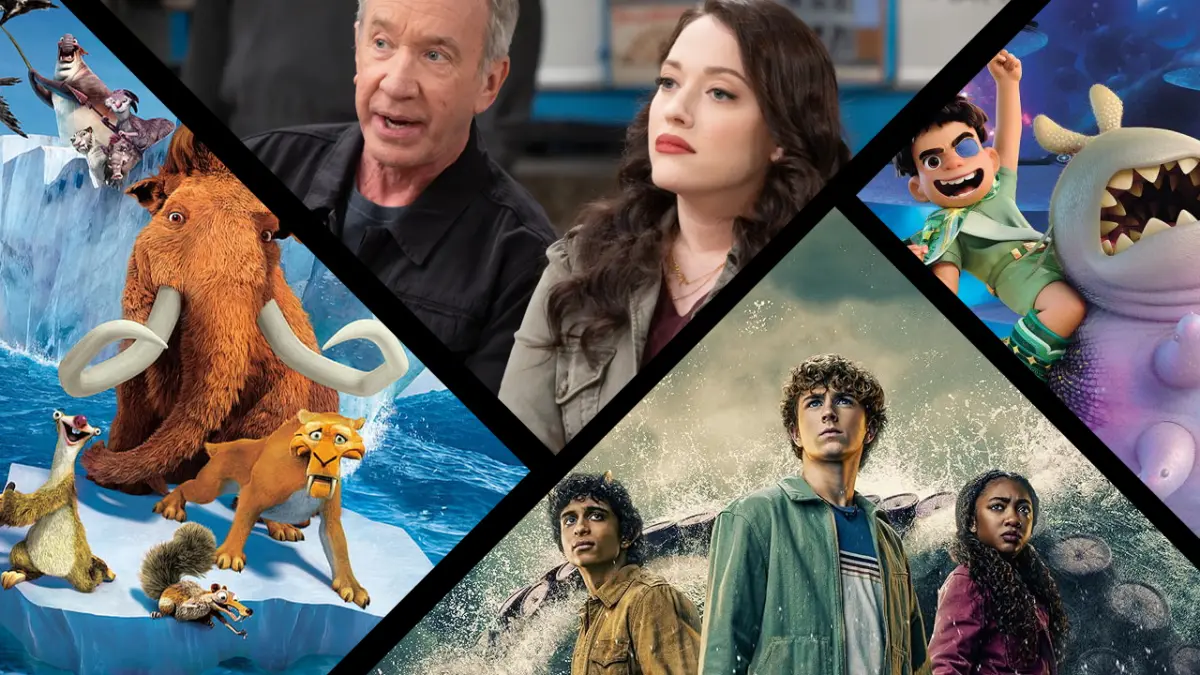
The newly announced partnership was first reported by industry trade publication Variety, outlining a roadmap that will introduce titles such as the fantasy series adaptation Percy Jackson and the Olympians, various blockbuster animated films from Pixar, and current network hits including the ABC police procedural Will Trent to Netflix’s platform. Crucially, this arrangement does not signal the departure of these titles from Disney’s proprietary services; rather, it establishes a shared-window licensing framework. Content will remain available on Disney+ and Hulu while concurrently expanding its footprint to leverage Netflix’s immense international distribution network.
Background Context and Historical Shifts
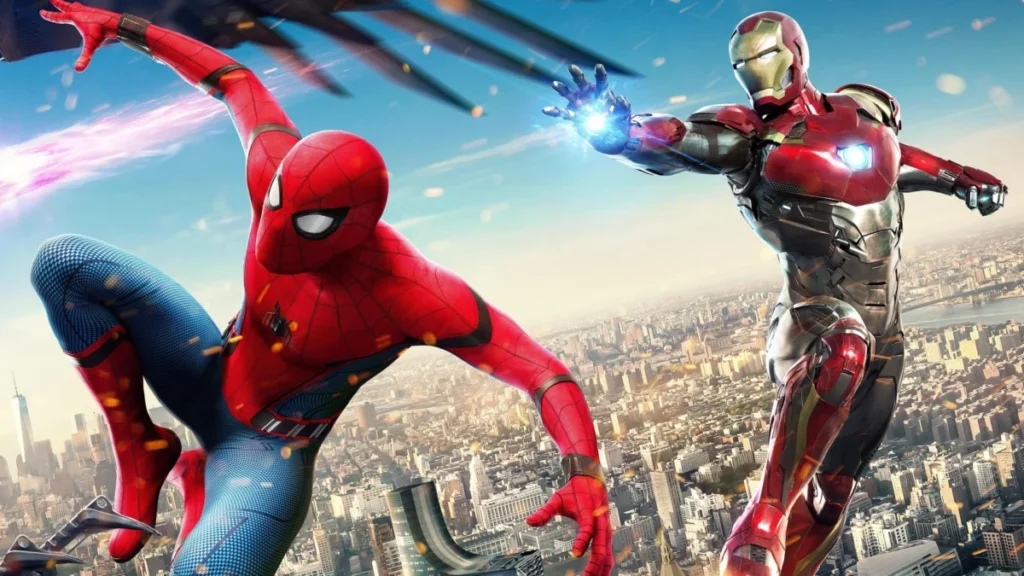
To understand the weight of this new agreement, it is necessary to examine the turbulent history between the two entertainment giants. During the mid-to-late 2010s, Netflix and Disney maintained a lucrative partnership. Netflix served as the exclusive subscription streaming home for first-window theatrical releases from Disney, Marvel Studios, Lucasfilm, and Pixar. This arrangement proved mutually beneficial, helping establish Netflix as a dominant subscription video-on-demand (SVOD) provider while offering Disney a reliable digital distribution pipeline.
However, as the commercial viability of direct-to-consumer streaming became apparent, Disney altered its strategic trajectory. Under the leadership of then-CEO Bob Iger, the conglomerate prepared for the November 2019 launch of Disney+. This pivot involved reclaiming intellectual property rights upon the expiration of existing contracts. The separation reached a poignant peak when Disney systematically recalled its proprietary Marvel television series—colloquially known as the "Defenders" universe, including Daredevil, Jessica Jones, Luke Cage, and The Punisher—from Netflix, relocating them to Disney+ alongside parental control upgrades.
During an investor conference call at the height of this strategic realignment, Disney executive leadership famously expressed skepticism toward licensing content to competitive services. Bob Iger drew a stark analogy, comparing the act of licensing proprietary entertainment assets to Netflix as akin to "selling nuclear weapons technology to a Third World country, and now they’re using it against us."
Yet, economic realities within the media sector have since prompted a reassessment. As Wall Street shifted its primary valuation metric from subscriber acquisition growth to sustained streaming profitability and free cash flow generation, traditional entertainment companies faced mounting pressure to optimize their expansive content libraries. Licensing non-exclusive rights to competitors emerged as a low-risk, high-margin revenue stream. This pragmatic pivot was foreshadowed in December 2023, when Disney licensed a curated selection of library titles—such as the ABC dramas Scandal and Black-ish—to Netflix for limited 18-month windows. While those specific titles have since cycled off the platform, long-standing syndication arrangements for legacy programs like ABC’s Grey’s Anatomy and 20th Century’s Arrested Development demonstrated that targeted third-party distribution could coexist harmoniously with proprietary platform growth.
Timeline and Chronology of the Agreement
The implementation of the current licensing pact is structured across multiple distinct phases, running from late 2026 through early 2027 and beyond.
- October 2026 Promotional Windows: Disney has devised a targeted marketing strategy utilizing short-term, three-month promotional windows on Netflix. Designed to generate public awareness and drive engagement, these windows are strategically timed to coincide with or precede upcoming theatrical and streaming franchise developments.
- Current-Season and Library Television Rollout: Ongoing scripted dramas and comedies produced by 20th Television will be integrated into Netflix’s catalog. This allows international audiences to catch up on preceding seasons before new installments air on traditional broadcast or cable networks.
- Early 2027 Global Animation Deployment: Beginning in the first quarter of 2027, a rotating selection of Walt Disney Animation Studios and Pixar feature films will roll out on Netflix on a global scale. Exact availability dates will vary depending on regional licensing nuances and pre-existing international distribution agreements.
Supporting Data and Economic Implications
The financial mechanics of modern content licensing rely heavily on amortization schedules, residual payments, and library valuation metrics. By opening its vault to Netflix, Disney effectively transforms dormant library assets into active revenue generators without incurring additional marketing overhead. For Netflix, the integration of globally recognized intellectual property helps mitigate churn, enhances user retention metrics, and provides valuable data insights into cross-platform viewing habits.
Industry analysts note that while Disney+ and Hulu remain the primary cornerstone ecosystems for Disney’s flagship brands, the sheer volume of production output generated by 20th Television, ABC, and FX often exceeds what can be effectively highlighted within a single proprietary app interface. Syndication prevents high-cost productions from sitting idle on corporate digital shelves, ensuring continuous amortization of production budgets. Furthermore, introducing serialized dramas and family-friendly animated features to Netflix acts as a powerful top-of-funnel marketing mechanism, occasionally converting baseline Netflix subscribers into dedicated Disney+ multi-service users.
Broader Industry Impact on the Streaming Ecosystem
The Disney-Netflix agreement is symptomatic of a larger macro-trend within the entertainment industry: the Great Rebundling. Following nearly a decade of fragmentation—where every major studio rushed to build an isolated, standalone subscription service—consumers faced subscription fatigue, rising cumulative costs, and complex navigation barriers. In response, media executives are increasingly embracing hybrid distribution models.
Competitors have similarly engaged in cross-platform licensing; Warner Bros. Discovery, Paramount Global, and Universal Pictures have all selectively licensed film and television libraries to rival platforms, including Netflix and Tubi, to optimize monetization. This collaborative friction suggests that the future of streaming will not be defined by absolute exclusivity, but rather by sophisticated windowing strategies that balance proprietary ecosystem retention with broad-market syndication revenue.
As the implementation dates for the newly licensed titles approach, industry observers will closely monitor regional availability metrics, viewership rankings on Netflix’s weekly Top 10 lists, and any measurable impact on Disney+ subscriber acquisition figures. Ultimately, this cooperative arrangement signals a mature phase in the streaming economy, where economic pragmatism supersedes the territorial hostility that characterized the early years of the digital transition.