A Director’s Journey: From Hollywood Horror to Japanese Dramas
Takumi Koyama’s directorial career is marked by a remarkable breadth of experience, underscoring his versatility and technical prowess. He commenced his professional journey in Los Angeles, a global hub for cinematic innovation, where he immersed himself in the fast-paced world of video production. His early work encompassed a variety of genres, including music videos, which often demand a keen eye for rhythm and visual storytelling; dance videos, requiring an understanding of movement and choreography; and surfing videos, which necessitate dynamic camerawork and an appreciation for natural environments. Beyond these artistic endeavors, Koyama also contributed significantly to Hollywood horror productions, working on behind-the-scenes material. This role, while perhaps less glamorous than directing, is crucial for understanding the intricate logistics of large-scale film sets and the technical demands of special effects and atmospheric creation, skills that are transferable across genres.
A pivotal phase in Koyama’s career saw him transition into the realm of video game development, joining the elite direction teams responsible for the cinematic sequences in two highly acclaimed titles: "Resident Evil 5" and "Resident Evil 6." The "Resident Evil" series, known for its intricate narratives, atmospheric horror, and high-fidelity graphics, relies heavily on compelling cinematics to advance the plot and immerse players. Working on such projects requires a sophisticated understanding of visual narrative, character animation, and the seamless integration of pre-rendered sequences with interactive gameplay. This experience would undoubtedly have honed Koyama’s ability to craft engaging, high-impact visual stories within a constrained timeframe, a valuable asset for short film production.
Upon his return to Japan, Koyama seamlessly pivoted back to live-action production, leveraging his accumulated expertise to direct commercials, music videos, television dramas, and documentaries. This phase of his career further cemented his reputation as a multifaceted director capable of adapting his style and technique to suit diverse formats and client requirements. Commercials demand concise storytelling and strong brand messaging; music videos require artistic interpretation of sound; dramas necessitate nuanced character development and emotional depth; and documentaries call for authenticity and journalistic integrity. This rich tapestry of experience culminates in "Ramen Maro: Where Our Paths Crossed," where elements of his commercial acumen, dramatic sensibility, and perhaps even his understanding of impactful short-form content from gaming cinematics, are subtly interwoven.
The Genesis and Recognition of "Ramen Maro"
The concept for "Ramen Maro: Where Our Paths Crossed" originated from producer Takumi Saitoh, a name increasingly recognized in the Japanese entertainment industry for his innovative approaches and keen eye for compelling narratives. Saitoh’s involvement often signals a project with a strong creative vision and commercial potential. The screenplay was meticulously crafted by Koji Hashimoto, ensuring a narrative that is both engaging and emotionally resonant, while Michiko Ogoh took on the crucial role of producer, overseeing the film’s execution and bringing the vision to fruition.
The film’s journey through the festival circuit underscores its quality and thematic relevance. Its official selection at the Hokkaido Foovie Festival 2025 highlights its connection to regional cultural events and its appeal within a context that often celebrates local narratives and culinary arts. The term "Foovie" itself, a portmanteau of "food" and "movie," signifies a festival dedicated to cinematic works exploring gastronomy, culture, and community through the lens of food. This initial recognition set the stage for its subsequent screening at the Short Shorts Film Festival & Asia (SSFF & Asia) 2026.
SSFF & Asia is one of the most prestigious short film festivals in the world, an Academy Awards® accredited festival and a vital platform for emerging and established filmmakers. Its "Culinary Program: Memories of Flavor" is a specialized category that celebrates films exploring the profound connections between food, memory, culture, and human relationships. Being selected for this program is a significant achievement, indicating that "Ramen Maro" resonated deeply with the festival’s curatorial vision, showcasing its ability to use food not merely as a prop, but as a central thematic element that binds characters and memories. This placement positioned the film before an international audience, further amplifying its reach and critical reception.
Narrative Unveiled: Friendship in a Pandemic Era
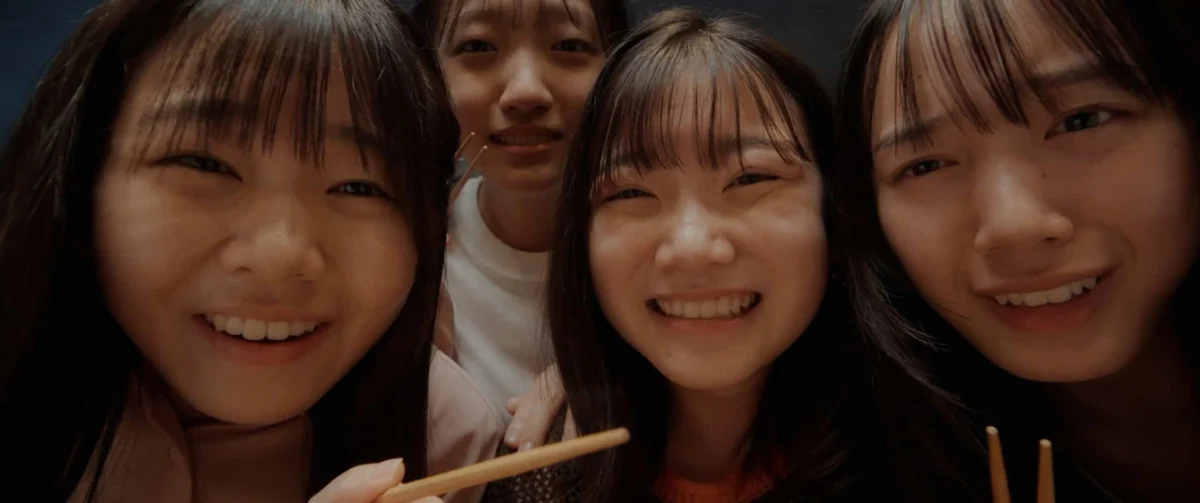
The core of "Ramen Maro: Where Our Paths Crossed" delves into the universal human need for connection, particularly starkly highlighted during the unprecedented global health crisis of the COVID-19 pandemic. The film transports viewers back to the junior high school years of Mai, Sakura, Mana, and Kikuno, a period defined by the pervasive restrictions and profound isolation brought about by the pandemic. In Japan, as in many parts of the world, schools implemented hybrid learning models, social distancing protocols, and restrictions on extracurricular activities, leading to a sense of disconnect among young people. The narrative skillfully captures the emotional landscape of this era, portraying the girls’ struggles with physical separation and the pervasive uncertainty that shrouded their academic and social lives.
Despite these formidable challenges, the film beautifully illustrates how the human spirit seeks and finds solace. The four girls, through shared experiences and moments of nascent joy, gradually forge a deep and enduring friendship. This bond, born out of adversity, becomes a testament to resilience and the power of human connection. The film then fast-forwards to their post-graduation years, culminating in a poignant reunion at a humble ramen shop in Shibuya. This gathering is not merely a chance encounter but the fulfillment of a promise made during those difficult, formative years, symbolizing the enduring strength of their friendship against the backdrop of a changed world.
The Modern Food Landscape: The Influencer’s Lens
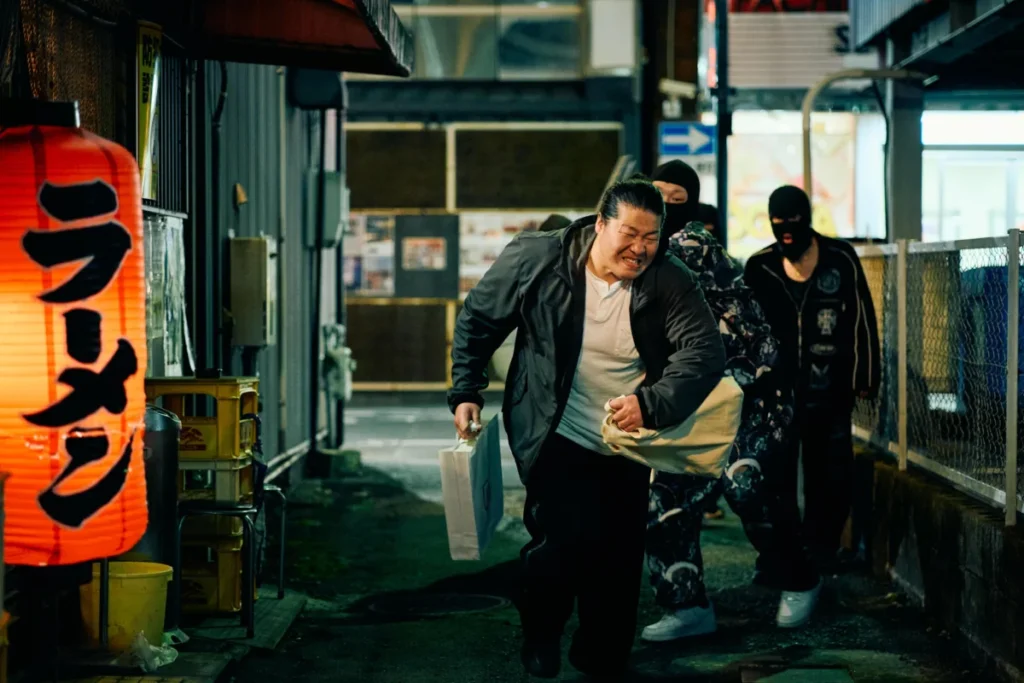
The film employs a clever narrative device to introduce the central location and thematic element: a rather boisterous livestreamer. The opening sequence follows this energetic personality as he navigates the bustling streets, engaging his online audience with a vivid monologue about his anticipated visit to a renowned ramen shop, Mendokoro Maro. Upon arrival, he immediately turns his camera on Hiroshi Asahina, the shop’s owner, documenting the ordering process for shio ramen and peppering him with questions about the establishment. Asahina, in a subtle reveal, mentions the shop’s dual function as a bar by night and discloses his own background as an actor, adding an unexpected layer to his character.
The influencer’s persona is crafted for comedic effect, as he continues to "clown around" and playfully teases another young patron. This initial portrayal might suggest a superficial engagement with the culinary experience. However, the film subverts this expectation with a pivotal moment: the influencer’s first bite of the shio ramen. His boisterous demeanor abruptly ceases, replaced by a visible expression of genuine awe and profound satisfaction, underscoring the exceptional quality of the dish. This scene effectively highlights the pervasive influence of social media on contemporary food culture, where a single, authentic reaction can resonate widely. It also serves as an accessible entry point for the audience, establishing the ramen’s allure before delving deeper into the story.
Mendokoro Maro: A Real-World Anchor
After establishing the ramen’s appeal through the influencer’s reaction and showcasing a montage of other satisfied patrons, the narrative shifts back to 2021, providing the chronological backdrop for the girls’ friendship. The story focuses on Mai’s transfer to an idyllic seaside town, where she gradually integrates into the existing trio of Sakura, Mana, and Kikuno. Their bond deepens through shared experiences, particularly discussions centered around food, often accompanied by the simple pleasure of eating ice cream. They develop a unique form of linguistic code, a private language that further solidifies their exclusive connection. Singing and dancing frequently punctuate their activities, emphasizing their youthful exuberance and the joy they find in each other’s company. However, as is often the case with transient friendships, Mai eventually returns to Tokyo, leading to a period of separation. The film’s narrative arc then brings them full circle, years later, for their promised reunion in the capital, specifically at Mendokoro Maro.
Mendokoro Maro is not merely a fictional backdrop; it is a genuine ramen restaurant located in Shibuya, Tokyo, renowned for its distinctive shellfish broth ramen. This real-world grounding imbues the film with an authentic sense of place and taste. The short film, while a work of fiction, subtly incorporates a significant promotional dimension, extending beyond the ramen itself to the very locations where the girls meet. Certain segments adopt a "tour guide" aesthetic, showcasing the Shibuya area with a keen eye, effectively blending narrative with local promotion. This integrated marketing approach is a testament to the evolving landscape of media production, where branded content can skillfully intertwine with compelling storytelling.
Crafting the Visuals and Soundscape
Despite its discernible promotional undertones, "Ramen Maro: Where Our Paths Crossed" distinguishes itself through exceptionally high production values. Cinematographer Rakuda’s work is particularly noteworthy, capturing both the serene beauty of the seaside town and the mouth-watering allure of the ramen with remarkable skill. Rakuda employs panoramic shots to emphasize the expansive tranquility of the coastal landscape, creating a stark contrast with the bustling urban environment of Shibuya. The ramen itself is shot with a captivating artistry, utilizing close-ups and dynamic angles that highlight its texture, steam, and vibrant colors, effectively making it a character in its own right and stimulating the viewer’s senses. This visual excellence ensures that the film remains aesthetically pleasing and engaging throughout.
The film’s narrative core is skillfully balanced between the comedic antics of the influencer, whose initial skepticism is overcome by the ramen’s quality, and the deeply affecting relationship among the four girls. Their friendship, characterized by their unique linguistic code, shared laughter, and a profound connection to food, forms the emotional backbone of the story. Ryosuke Fujimoto’s editing plays a crucial role in smoothly connecting these disparate elements—the influencer’s segments, the girls’ flashbacks, and the present-day reunion. The pacing is deliberate yet dynamic, allowing moments of introspection to coexist with bursts of youthful energy. Complementing the visuals and narrative is the film’s music, which adds a pervasive sense of dreaminess and nostalgia. This aural landscape enhances the emotional resonance of the girls’ journey, evoking bittersweet memories of childhood and the enduring power of friendship.
Performances Bringing Characters to Life
The ensemble cast delivers performances that are both vibrant and authentic, contributing significantly to the film’s overall appeal. Ririka, Ruri Hirano, Mito Ichimada, and Kaetsu Ono portray the four junior high school girls with palpable gusto. Their collective portrayal captures the essence of adolescent friendship—full of feistiness, innocent fun, and genuine camaraderie. They convincingly convey the girls’ evolving bond, from tentative acquaintances to inseparable friends, navigating the challenges of the pandemic with youthful optimism. Their chemistry is a driving force behind the film’s emotional impact, making their eventual reunion all the more poignant.
Buchigire Ujihara, as the eccentric livestreamer, provides much of the film’s comedic relief. His portrayal is amusing and energetic, effectively capturing the often exaggerated persona of online personalities. His transformation from a boisterous commentator to a genuinely impressed food critic adds a layer of unexpected depth to his character, demonstrating the power of a truly exceptional culinary experience. Meanwhile, Hiroshi Asahina, appearing as the owner of Mendokoro Maro, adds another attractive and memorable presence. His understated demeanor contrasts effectively with the influencer’s theatrics, and several characters’ comments on his "muscular build" add a touch of lighthearted humor, further humanizing the proprietor and the establishment.
Beyond Promotion: The Art of Blending Commerce and Narrative
"Ramen Maro: Where Our Paths Crossed" stands as an exemplary case study in the increasingly prevalent trend of "branded content" within the independent and short film circuits. While the film’s promotional premise for Mendokoro Maro is evident, its success lies in its ability to transcend mere advertising and emerge as a genuinely appealing piece of cinematic storytelling. The film avoids the pitfalls of overt, heavy-handed product placement by seamlessly integrating the ramen shop into the narrative as a central plot device and a symbol of enduring connection.
The film’s creative team skillfully balances the commercial imperative with artistic integrity. Instead of merely showcasing the ramen, the film builds a compelling emotional framework around it, making the reunion at Mendokoro Maro feel earned and meaningful. This approach suggests that high-quality production values, strong character development, and universal themes can elevate a promotional piece into a critically recognized work. The film’s dual appeal—its presentation of the culinary art of ramen, its captivating depiction of a scenic seaside town, and the engaging shenanigans of the girls—ensures that it remains entertaining from its opening frames to its poignant conclusion. It exemplifies how a carefully crafted narrative can not only entertain but also subtly promote, leaving audiences with a positive impression of both the story and the real-world product it features. This blending of commerce and art sets a precedent for how future short films can explore commercial partnerships without compromising their narrative or artistic merit, offering a valuable model for filmmakers seeking funding and broader exposure.