The Red Sea International Film Festival, a centerpiece of Saudi Arabia’s cultural transformation under Vision 2030, has officially confirmed the postponement of its sixth edition. Originally scheduled to take place in the port city of Jeddah from December 3 to December 12, the event will now be pushed back to the fourth quarter of 2027. This decision, announced by the festival’s Foundation on Monday, marks a significant recalibration for one of the most ambitious cultural projects in the Middle East, reflecting the profound impact that regional security concerns are having on major international gatherings.
A Strategic Pivot Amid Heightened Regional Tensions
The postponement comes as the Middle East grapples with intense military volatility. The ongoing conflict involving U.S., Israeli, and Iranian interests has created a climate of uncertainty that has affected logistics, travel, and public safety across the region. Saudi Arabia, while continuing its aggressive push toward economic and cultural diversification, has had to contend with the immediate threat of missile and drone strikes, including those launched by Iran-backed Houthi forces.
For the organizers of the Red Sea International Film Festival, the decision was not merely a matter of scheduling, but a necessary response to the logistical and security realities of hosting an event that draws thousands of international delegates, high-profile Hollywood stars, and industry leaders. Staging a global event of this magnitude requires a stable environment; the current geopolitical climate, characterized by active, targeted strikes in the broader region, has necessitated a pause to ensure that the festival can fulfill its promise of providing a safe, world-class experience.
Chronology of the Red Sea International Film Festival
Since its inception, the Red Sea International Film Festival has been a barometer for the rapid changes within the Kingdom of Saudi Arabia.
- 2019: The Saudi Film Council announces the formation of the Red Sea Film Festival, aiming to establish a hub for Arab cinema and foster international collaboration.
- 2020: The inaugural edition is planned but faces the universal hurdle of the COVID-19 pandemic, leading to a focus on virtual programming and the establishment of the Red Sea Fund.
- 2021: The festival holds its first physical, full-scale event in Jeddah, marking a historic moment for the Saudi public as cinema culture begins to flourish.
- 2022–2023: The festival solidifies its reputation as a global destination, attracting major industry figures including Spike Lee, Jackie Chan, and Oliver Stone. The event becomes a key platform for both regional Arab filmmakers and international co-productions.
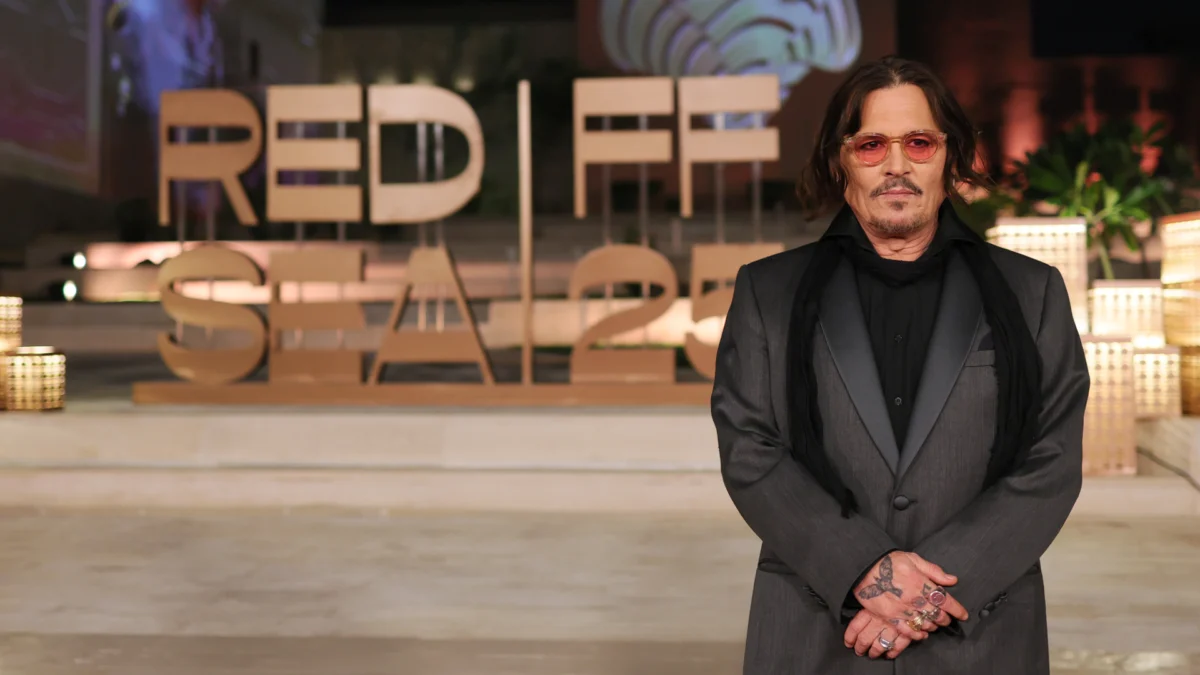
- 2024: The festival continues to grow, maintaining a high profile with attendees like Johnny Depp, Michael Caine, and Jessica Alba, while expanding its "Red Sea Labs" and investment programs.
- 2025: Plans for the sixth edition are halted, leading to the announcement of the 2027 deferral to allow for a comprehensive restructuring of the event’s operational model.
The Foundation’s Official Position and Future Vision
In a formal statement, the Foundation emphasized that the decision followed a "comprehensive review of a range of considerations relating to the timing of the next edition." The language used by the organizers highlights a desire to maintain the high standards that the festival has cultivated over its five-year lifespan. "It reflects the Foundation’s commitment to ensuring the Festival takes place at the right time and under the right conditions to deliver the experience for which the Red Sea International Film Festival has become known," the statement read.
Despite the gap in the festival calendar, the Foundation is not going dormant. It has announced the launch of "year-round programming" at Culture Square in Historic Jeddah, starting in November 2026. This move suggests a strategic shift from a singular, high-intensity annual event to a more sustainable, consistent cultural presence. By establishing a permanent venue for film screenings, industry workshops, and specialized programming, the Foundation intends to keep the momentum of the Saudi film movement alive without the pressure of the logistics involved in a large-scale international festival.
Economic and Industry Implications
The impact of the Red Sea International Film Festival extends far beyond the red carpet. The festival has served as the primary engine for the Red Sea Fund, which provides financial backing to independent filmmakers, particularly those from the Global South and the Arab world. With over 250 films supported by the Fund since its inception, the temporary cessation of the festival raises questions about the continuity of this financial pipeline.
Industry analysts note that while the postponement may be viewed as a setback, the "year-round ecosystem" promised by the Foundation could actually offer a more stable environment for filmmakers. The Red Sea Labs, which offer mentorship, development, and networking opportunities for emerging talent, are expected to continue operating during the interim. This ensures that the essential development of regional talent remains a priority even as the festival’s flagship event takes a hiatus.
For international studios and distributors, the Saudi market remains a critical point of interest. The Kingdom has invested heavily in modernizing its exhibition infrastructure, and the festival has served as the primary bridge between Hollywood and the nascent Saudi market. The delay, while potentially disrupting distribution timelines for films hoping to use the festival as a launchpad, is unlikely to dampen the long-term interest of global media conglomerates in the region’s growth.
Cultural and Geopolitical Context
The postponement highlights the vulnerability of high-profile cultural diplomacy to geopolitical volatility. Saudi Arabia’s Vision 2030, a sweeping plan to move the country away from its reliance on oil, relies heavily on the success of entertainment, tourism, and arts. The Red Sea International Film Festival is a cornerstone of this effort.
The decision to delay until 2027 is a pragmatic move, acknowledging that international attendance—the lifeblood of a globally oriented festival—is sensitive to the security climate. By waiting until late 2027, the organizers are creating a buffer period, hoping for a stabilization of regional affairs that would allow for a return to the scale and prestige of previous years. This approach reflects a broader trend among major international events held in volatile regions: prioritizing the safety of participants and the integrity of the event over the urgency of an annual calendar.
Looking Toward 2027
As the Foundation looks toward 2027, the focus has shifted to a "renewed vision." Organizers have vowed to return with a program that continues to celebrate Saudi, regional, and international cinema. The two-year gap provides an opportunity for the Foundation to refine its operational strategies, potentially integrating new technologies or expanding its support for digital media and streaming platforms, which have become increasingly vital to the regional entertainment industry.
The challenge for the Foundation in the coming months will be to sustain its influence within the global film community without the presence of the flagship festival. Maintaining visibility for the Red Sea Fund and the Red Sea Labs will be crucial in ensuring that Saudi Arabia remains on the map for international filmmakers.
In conclusion, the postponement of the Red Sea International Film Festival is a complex decision rooted in the intersection of security, logistics, and long-term strategic planning. While the absence of the festival in 2025 and 2026 will be felt by the global film industry, the transition to year-round programming in Historic Jeddah signals a long-term commitment to the arts. As the Foundation prepares for its 2027 return, the film industry will be watching closely to see how this "renewed vision" shapes the future of cinema in the Middle East, and whether this period of pause can ultimately lead to a more resilient and integrated cultural institution.