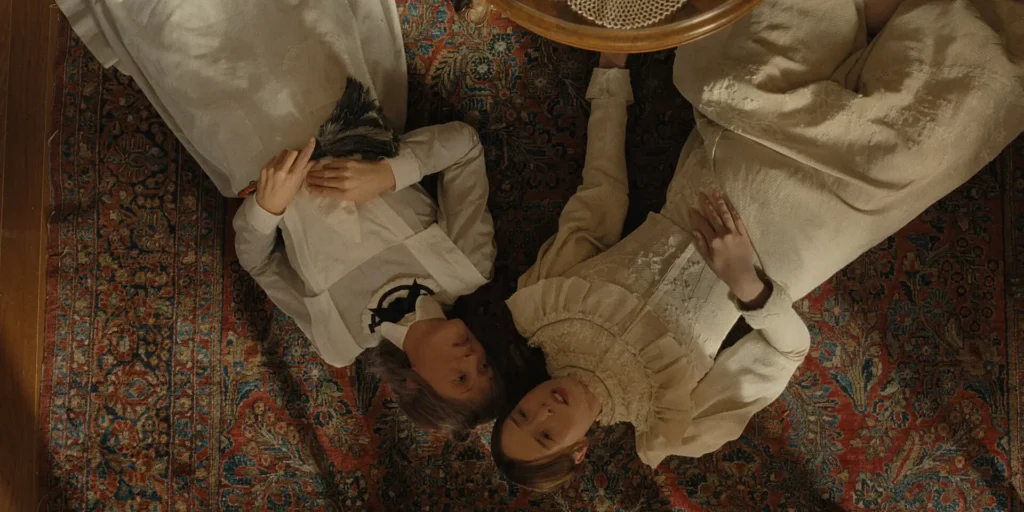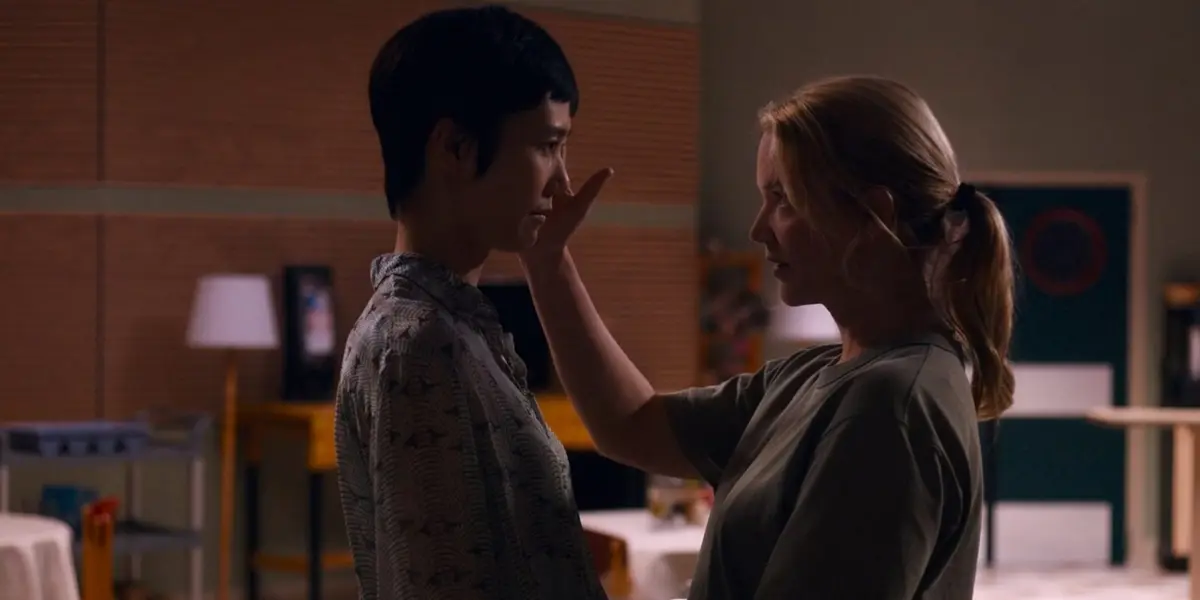
The cinematic landscape of 2026 has been profoundly shaped by international collaborations, none more anticipated or critically lauded than All Of A Sudden, the French-language directorial debut of Academy Award-winning filmmaker Ryusuke Hamaguchi. Co-written by Hamaguchi and Léa Le Dimna, the poignant drama is loosely inspired by the 2019 nonfiction book When Life Suddenly Takes a Turn, authored by Makiko Miyano and Maho Isono. The narrative centers on the director of a suburban Parisian nursing home whose attempts to implement a more compassionate, patient-centric caregiving framework are met with institutional and staff resistance. Her worldview is subsequently upended following a transformative encounter with a terminally ill Japanese playwright. Featuring a stellar international cast led by César Award-winning actress Virginie Efira and acclaimed actress-model Tao Okamoto, the feature film has emerged as a powerhouse on the global film festival circuit, culminating in widespread critical acclaim, a historic shared acting prize at the Cannes Film Festival, and official selection as Japan’s contender for Best International Feature Film at the 99th Academy Awards.
Production Genesis and Adaptation Background
The origins of All Of A Sudden trace back to the intellectual and emotional resonance of Makiko Miyano and Maho Isono’s 2019 nonfiction text, which explores the complexities of terminal illness, human connection, and the philosophical implications of mortality. Ryusuke Hamaguchi, renowned worldwide for his intricately paced, emotionally resonant character studies such as Drive My Car and Wheel of Fortune and Fantasy, found himself deeply moved by the source material. Seeking to expand his cinematic horizons beyond Japanese-language productions, Hamaguchi partnered with co-writer Léa Le Dimna to adapt the themes of the book into a distinctly European socio-cultural setting.
The decision to set the film in the Parisian suburbs allowed Hamaguchi to examine universal themes of bureaucratic fatigue, healthcare systemic challenges, and existential awakening through a fresh lens. Production commenced with a meticulous casting process, securing Virginie Efira to anchor the film as the idealistic nursing home director. Efira, known for her formidable dramatic range in European cinema, brought a grounded realism to the role of a professional caught between administrative constraints and the ethical imperative of human empathy. Opposite Efira, Tao Okamoto assumed the pivotal role of the terminally ill Japanese playwright, creating a cross-cultural dynamic that serves as the emotional heartbeat of the narrative. The collaboration between Hamaguchi, a director celebrated for his exhaustive rehearsal processes and deep psychological excavations, and his lead actresses resulted in performances defined by subtlety, nuance, and emotional authenticity.
The Cannes Film Festival Premiere and Critical Reception
The trajectory of All Of A Sudden shifted dramatically upon its official selection in competition at the 2026 Cannes Film Festival. The world premiere on the prestigious Riviera stage generated immediate, fervent buzz among international critics, positioning the film as an early frontrunner for the festival’s highest honors. Reviewers praised Hamaguchi’s seamless transition into French-language filmmaking, noting that his signature directorial style—characterized by long, probing dialogue scenes, profound psychological depth, and an unwavering patience in storytelling—translated effortlessly across cultural and linguistic boundaries.
The critical consensus lauded the picture not only for its delicate handling of end-of-life care and institutional friction but also for the magnetic central performances delivered by Efira and Okamoto. In a historic and emotionally charged moment during the festival’s closing ceremony, the jury awarded the joint Best Actress prize to Virginie Efira and Tao Okamoto, underscoring the profound synergy of their on-screen relationship. This dual recognition signaled to the global film industry that All Of A Sudden was a transcendent work capable of bridging disparate cultural perspectives through universal human truths. Following its triumphant debut in France, the distribution rights were acquired by NEON, setting the stage for a targeted theatrical rollout designed to maximize the film’s awards season visibility.
Oscar Contention and Awards Season Implications
Building upon its momentum at Cannes, All Of A Sudden achieved a significant milestone when the Motion Picture Association of Japan officially selected the film as Japan’s submission for Best International Feature Film at the 99th Academy Awards. This selection carries unique historical and structural implications, as the film is directed by a Japanese filmmaker and based on Japanese source material, yet features a predominantly French setting, language, and cast. This cross-pollination of cinematic traditions challenges traditional boundaries of national cinema categories, a trend that has gained increasing acceptance within the Academy in recent years.
Industry analysts have noted that NEON’s strategic positioning of the film aligns with its proven track record of steering sophisticated international dramas—such as Anatomy of a Fall and Parasite—through the grueling Hollywood awards circuit. The dual-language nature of the production, combined with Hamaguchi’s established brand equity as an Oscar winner for Drive My Car, provides a distinct advantage in visibility among voting members of the Academy. Furthermore, the critical acclaim garnered by Efira and Okamoto positions both performers as serious contenders in lead and supporting acting categories, broadening the film’s multi-layered awards potential.
Exclusive Audio and Visual Interviews
To coincide with the theatrical release of All Of A Sudden by NEON, extensive behind-the-scenes discussions and promotional interviews have been made available to audiences and cinephiles worldwide. Ryusuke Hamaguchi and Virginie Efira participated in an in-depth audio interview, dissecting the logistical and emotional challenges of bridging Japanese storytelling sensibilities with French cinematic traditions. In their conversation, Hamaguchi elaborated on his collaborative writing process with Léa Le Dimna and how the thematic core of Miyano and Isono’s nonfiction book was preserved despite the geographical and cultural relocation of the narrative. Efira offered valuable insights into working under Hamaguchi’s directorial methodology, describing an environment of rigorous preparation and profound trust that allowed the complex emotional arcs of the characters to materialize organically on screen.
In a separate companion piece, Hamaguchi and co-star Tao Okamoto engaged in an on-camera conversation exploring the transformative experiences of making the film. Okamoto discussed the rigorous emotional preparation required to portray a terminally ill playwright navigating an unfamiliar cultural landscape in the Parisian suburbs. The dialogue provides cinephiles with a comprehensive look into the cross-cultural chemistry that defined the production, illuminating the collaborative spirit that ultimately translated into critical acclaim on the international stage.
Broader Impact and Cultural Significance
The release and subsequent reception of All Of A Sudden mark a watershed moment in contemporary international cinema. By fusing Japanese philosophical inquiries into mortality with the institutional realities of European eldercare, Ryusuke Hamaguchi has reinforced his status as one of the preeminent humanist filmmakers of the 21st century. The film transcends standard melodrama by offering a rigorous critique of modern healthcare systems that often prioritize operational efficiency over compassionate human interaction.
As the film continues its theatrical rollout through NEON and navigates the competitive waters of the 99th Academy Awards, its cultural footprint continues to expand. The success of All Of A Sudden serves as a testament to the viability of borderless storytelling, proving that specific local narratives—when handled with immense empathy and technical mastery—can resonate universally. Audiences and critics alike will undoubtedly continue to analyze the film’s formal achievements, thematic depth, and cultural bridges for years to come, cementing its place as a defining cinematic work of the decade.