The highly anticipated television anime adaptation of Nazuna Miki and Tsukasa Araki’s popular manga, So What’s Wrong with Getting Reborn as a Goblin? (known in Japan as Tensei Goblin dakedo Shitsumon Aru?), has further expanded its voice cast and revealed the artists behind its opening and ending theme songs. The production team announced on Wednesday that acclaimed music artist Sou will lend their voice to the anime’s opening theme, while the energetic four-piece band AHUB will be responsible for the ending theme. These additions mark a significant step forward in the anime’s production, building anticipation for its premiere.
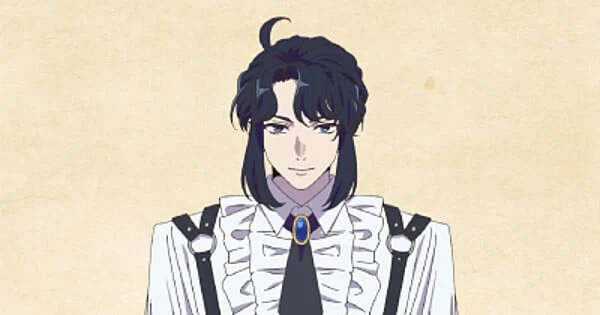
The newly unveiled cast members bring a wealth of talent and experience to the project, promising compelling performances for the characters they will embody. Leading the new additions is Natsuki Hanae, who will voice Albert, the third prince of the human empire. Albert is a pivotal character known for his strategic prowess, particularly his unique skill, "Eighth Time’s the Charm," which he employed to strategically corner the formidable Demon King. Hanae’s previous roles, which include notable performances in critically acclaimed series, suggest a nuanced portrayal of this complex royal figure.

Joining Hanae is Hiro Shimono, who is set to voice Izuiizu, a small dragon whose journey takes an unexpected turn when it crash-lands within the Goblin Forest. While the exact romanization of the character’s name is still pending confirmation, Shimono’s extensive career, marked by memorable roles in popular anime, indicates that Izuiizu will be a character to watch. The unique premise of a dragon finding itself amidst a goblin community hints at potential plot developments and character interactions that could define the series’ narrative arc.
The cast is further bolstered by the addition of Yukari Tamura as Tenchi Kaibyaku. This character’s name translates literally to "Creation of Heaven and Earth," hinting at a being of immense power or cosmic significance. Tenchi Kaibyaku is described as having an unknown identity and a ruthless disposition, harming both goblins and humans without hesitation. Tamura’s versatile acting range, having portrayed a wide array of characters from innocent to formidable, suggests she is well-suited to bring this enigmatic and dangerous entity to life.
The original manga, penned by Nazuna Miki and illustrated by Tsukasa Araki, has garnered a substantial following since its debut, making the anime adaptation a highly anticipated event for fans of the isekai and fantasy genres. Yen Press, a prominent publisher of manga in English, describes the story as follows: "Office worker Akira Yagami’s altruistic nature usually gets him the short end of the stick. When he dies after saving a kid from oncoming traffic…he reincarnates in another world as a goblin?! Normally, goblins only live for seven days, but Akira’s newfound powers let him defy the species’ normal life span…and are the key to his path to becoming the strongest goblin ever!" This premise, which subverts typical isekai tropes by centering on a goblin protagonist, has resonated with readers and offers a fresh perspective on the genre.

Production Team and Creative Vision
The creative team behind the So What’s Wrong with Getting Reborn as a Goblin? anime is poised to translate the manga’s unique charm and narrative into a visually engaging experience. Ryōta Kawahara, known for his directorial work on series such as The Summer Hikaru Died, Orange, 86, and as an episode director for Blend S, is at the helm of the anime as director. Kawahara’s experience in helming diverse projects indicates a capacity to adapt the source material with a keen artistic sensibility.
The series scripts are under the charge of Yōichirō Momose, whose previous work includes contributions to So I’m a Spider, So What? and Africa Salaryman. This experience in crafting narratives within the isekai and comedy-fantasy realms is expected to ensure a faithful yet engaging adaptation of the manga’s plot. Character design responsibilities fall to Hiroyuki Saita, whose credits include Cardfight!! Vanguard Divinez, Cardfight!! Vanguard overDress, and Revue Starlight. Saita’s expertise in character visualization is anticipated to bring the diverse cast of goblins, humans, and other fantastical creatures to life in a distinctive style.
Ensuring the auditory landscape of the anime is Hiroto Morishita, serving as the sound director. Morishita’s work on series like Kuma Kuma Kuma Bear (across two seasons) and Wistoria: Wand and Sword suggests a strong understanding of creating immersive soundscapes for fantasy worlds. The musical composition for the anime is being handled by Takenoko Boy, an artist noted for their work on the ending song arrangement, composition, and lyrics for The Dark History of the Reincarnated Villainess. This creative input will be produced under the banner of INCS Toenter, contributing to the overall artistic direction of the series.

Release Timeline and Manga’s Trajectory
The So What’s Wrong with Getting Reborn as a Goblin? anime is slated for its highly anticipated premiere in October. This autumn release window places it within a competitive season for new anime, yet the unique premise and established fanbase suggest it is well-positioned for success.
The manga itself has enjoyed a steady rise in popularity since its launch in 2020 on Shueisha’s Tonari no Young Jump website. This digital platform has become a fertile ground for new manga series, allowing them to reach a broad audience. Shueisha, a titan of manga publishing, has been diligently supporting the series with regular volume releases. As of March 18, the manga had reached its 14th compiled book volume, with the 15th volume scheduled for release on September 17. This consistent output indicates strong sales and ongoing reader engagement. Yen Press, in parallel, has been bringing the series to English-speaking audiences, with the 10th English volume released on May 26, further solidifying its international presence.
Broader Implications and Fan Reception
The announcement of additional cast members and theme song artists signals a crucial stage in the anime’s production, moving beyond initial planning and into the active realization of the series. The choice of Sou for the opening theme is particularly noteworthy. Sou is a highly recognized independent artist known for their emotive vocalizations and genre-bending musical style, often blending elements of pop, rock, and electronic music. Their involvement is likely to draw significant attention from their established fanbase, potentially introducing new viewers to the anime. Similarly, the selection of AHUB for the ending theme suggests a commitment to showcasing emerging talent or a specific sonic direction that complements the anime’s tone.

The casting of Natsuki Hanae, Hiro Shimono, and Yukari Tamura is a strategic move that leverages the popularity and proven capabilities of these well-respected voice actors. Hanae’s ability to portray heroic or complex characters, Shimono’s knack for dynamic and memorable roles, and Tamura’s versatility in handling a wide spectrum of personalities are all assets that will undoubtedly enrich the viewing experience. Their participation can be seen as an indicator of the production’s commitment to high-quality voice acting, a critical component of anime’s appeal.
The ongoing success of the manga, coupled with the meticulous assembly of the anime’s creative and voice talent, suggests a robust strategy to capitalize on the source material’s existing popularity while also aiming to attract a wider audience. The isekai genre, while often criticized for saturation, continues to thrive when it offers unique twists and compelling characters. So What’s Wrong with Getting Reborn as a Goblin? appears to fit this mold, with its unconventional protagonist and the promise of a fresh take on familiar fantasy tropes. The anime’s premiere in October will be a key moment to assess whether the production team can successfully translate the manga’s appeal to the screen and solidify its place within the competitive anime landscape. The synergy between the manga’s narrative strength, the established talent involved in the anime’s production, and the appeal of the chosen theme song artists creates a strong foundation for what is shaping up to be a notable addition to the fall anime season.