The much-anticipated return of Robert Pattinson’s brooding Caped Crusader in The Batman Part II has been significantly postponed, with Warner Bros. officially pushing the film’s theatrical release from its previously scheduled October 1, 2027, date to February 18, 2028. This strategic adjustment is part of a broader reshuffling of the studio’s release slate, a move that has rippled through its highly anticipated film projects.
The postponement is directly linked to Warner Bros.’ decision to shift J.J. Abrams’ upcoming film, The Great Beyond, into the original slot for The Batman Part II. This domino effect has ultimately propelled the Dark Knight’s next cinematic outing into the following year, extending the already considerable wait for fans since Pattinson’s debut as the Gotham vigilante in 2022. The original The Batman garnered significant critical and commercial success, grossing over $770 million worldwide, and establishing director Matt Reeves’ distinct vision for the character. The extended hiatus between installments is now set to be the longest gap between live-action Batman films since the franchise’s inception.
A Cascade of Release Date Changes
The intricate dance of release dates at Warner Bros. began with the reallocation of Abrams’ The Great Beyond. The studio’s internal recalibration, aiming to optimize the placement of its flagship titles, saw The Great Beyond absorbing the October 1, 2027, release window. This decision, while potentially beneficial for Abrams’ project, necessitated the subsequent adjustment for The Batman Part II, pushing it back to February 18, 2028. This particular date has historically seen strong performance for tentpole releases, though it presents its own set of competitive challenges.
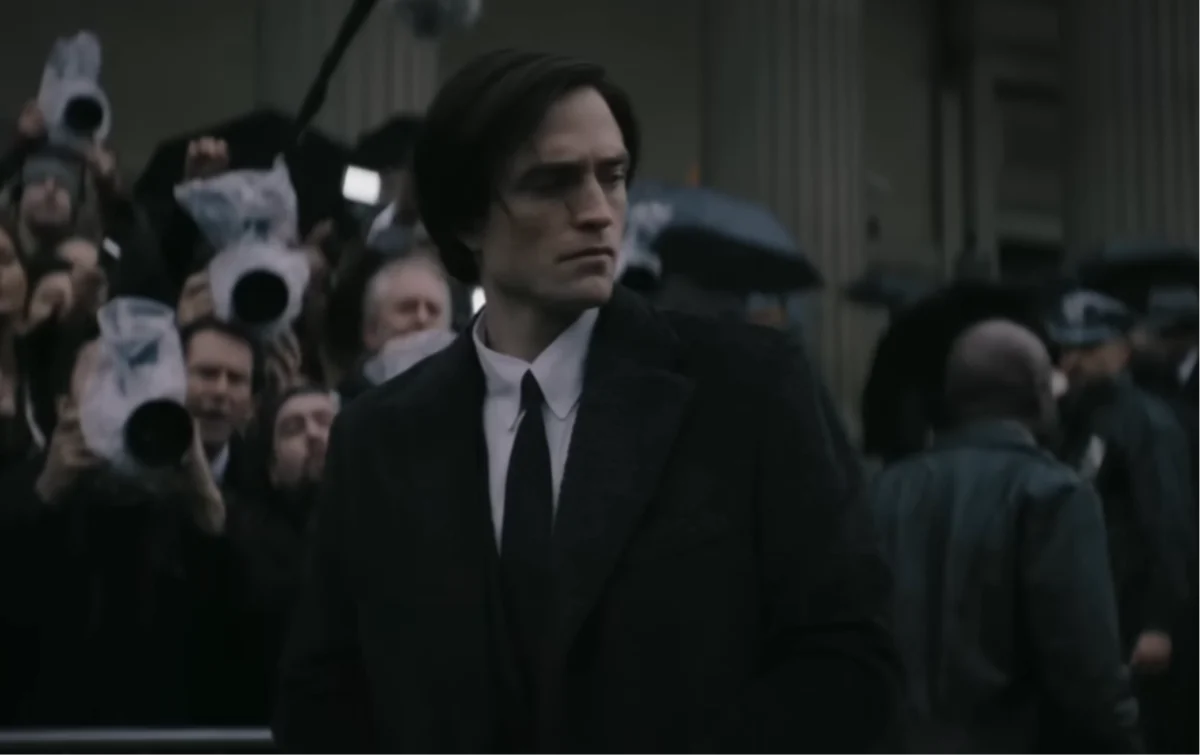
Director Matt Reeves acknowledged the schedule shift this morning via social media, sharing a brief, atmospheric video on Vimeo. Labeled simply as "camera test," the clip offered a glimpse of Pattinson’s Batman, his masked figure slowly turning to face the camera against a backdrop of dramatic, ominous music. The visual aesthetic, characterized by its dark and brooding tone, aligns with the established mood of the first film and suggests a continuation of Reeves’ signature style. While the video provided a small comfort to eager fans, it did little to alleviate the disappointment of the extended wait.
The Batman Part II: A Familiar Ensemble and New Faces
The Batman Part II is poised to bring back a significant portion of its critically acclaimed ensemble cast. Robert Pattinson is confirmed to reprise his role as Bruce Wayne/Batman, continuing his exploration of the character’s early years grappling with Gotham’s pervasive corruption. Key supporting characters will also return, including Colin Farrell as the transformed Oswald Cobblepot/The Penguin, who is set to star in his own HBO Max spin-off series; Jeffrey Wright as the steadfast Commissioner James Gordon; Andy Serkis as the loyal Alfred Pennyworth; and Barry Keoghan, whose unsettling portrayal of the Joker in a deleted scene from the first film generated considerable buzz and anticipation for his expanded role.
Adding to the star power, the sequel is expected to welcome new talent to the DC Extended Universe. Notably, Marvel Cinematic Universe stalwarts Scarlett Johansson and Sebastian Stan are reportedly joining the cast, though their specific roles have not yet been disclosed. Their inclusion suggests a potential expansion of the film’s narrative scope and character dynamics. Other reported additions include Jayme Lawson, Charles Dance, Gil Perez-Abraham, and Sebastian Koch, further bolstering the film’s ensemble and promising a rich tapestry of characters within Gotham’s increasingly complex underworld.
External Factors Influencing Release Strategies
The significant date change for The Batman Part II is not occurring in a vacuum. As reported by Deadline, this scheduling adjustment is happening amidst a complex and protracted period for Warner Bros. Discovery. The pending acquisition of the 103-year-old Warner Bros. studio by Paramount is currently stalled due to a multitude of antitrust lawsuits. These legal challenges, initiated by the attorneys general of California, New York, and ten other states, among others, are casting a shadow over the future ownership and operational stability of the iconic studio. Such significant corporate uncertainty can often lead to strategic reevaluations of film releases, marketing budgets, and overall production pipelines.
The financial and operational implications of these antitrust battles are substantial. Delaying major tentpole films like The Batman Part II can be a calculated risk, potentially allowing for more robust marketing campaigns, avoiding direct clashes with other major studio releases, and ensuring production schedules are not disrupted by ongoing corporate negotiations. However, it also means a longer period without a significant Batman film on the big screen, a valuable commodity for any studio.
A Competitive Release Landscape
When The Batman Part II finally arrives on February 18, 2028, it will enter a competitive cinematic landscape. The film is slated to go head-to-head with an untitled project from Disney, a powerhouse in the family and blockbuster film market. Additionally, it will face off against Grandgear, the latest offering from acclaimed Japanese director Takashi Yamazaki, known for his visually striking and imaginative works, including the Oscar-winning The Boy and the Heron. The specific nature of Disney’s untitled film and Yamazaki’s Grandgear will be crucial in determining the direct competitive threat, but the presence of two major, albeit different, contenders underscores the strategic importance of the chosen release date.
The February release window has proven to be a fertile ground for superhero films in the past. Black Panther (2018), another Marvel Studios production, opened to massive success in February, demonstrating the potential for a strong debut outside of the traditional summer blockbuster season. However, the presence of a Disney film and a Yamazaki project indicates a diverse range of audience interests that Warner Bros. will need to contend with.
The Reeves-Pattinson Batman Universe: Expanding Horizons
Matt Reeves has consistently expressed his ambition to build a larger cinematic universe around his take on Batman, separate from the existing DC Extended Universe continuity. This includes the aforementioned Penguin spin-off series for HBO Max, which is expected to delve deeper into the criminal underworld of Gotham. The success of The Batman and the anticipation for its sequel suggest a strong audience appetite for this grounded, noir-inspired interpretation of the Dark Knight.
The prolonged wait for The Batman Part II allows for meticulous development and production, potentially ensuring a high-quality cinematic experience that lives up to the promise of the first film. It also provides ample time for the universe to expand through planned television series and potentially other filmic endeavors, further solidifying Reeves’ vision for a distinct Batman saga. The studio’s commitment to this specific iteration of Batman, despite the broader corporate turbulence, signals confidence in Pattinson’s portrayal and Reeves’ directorial capabilities. Fans will undoubtedly be eager for any further updates as production on The Batman Part II progresses towards its new 2028 release.