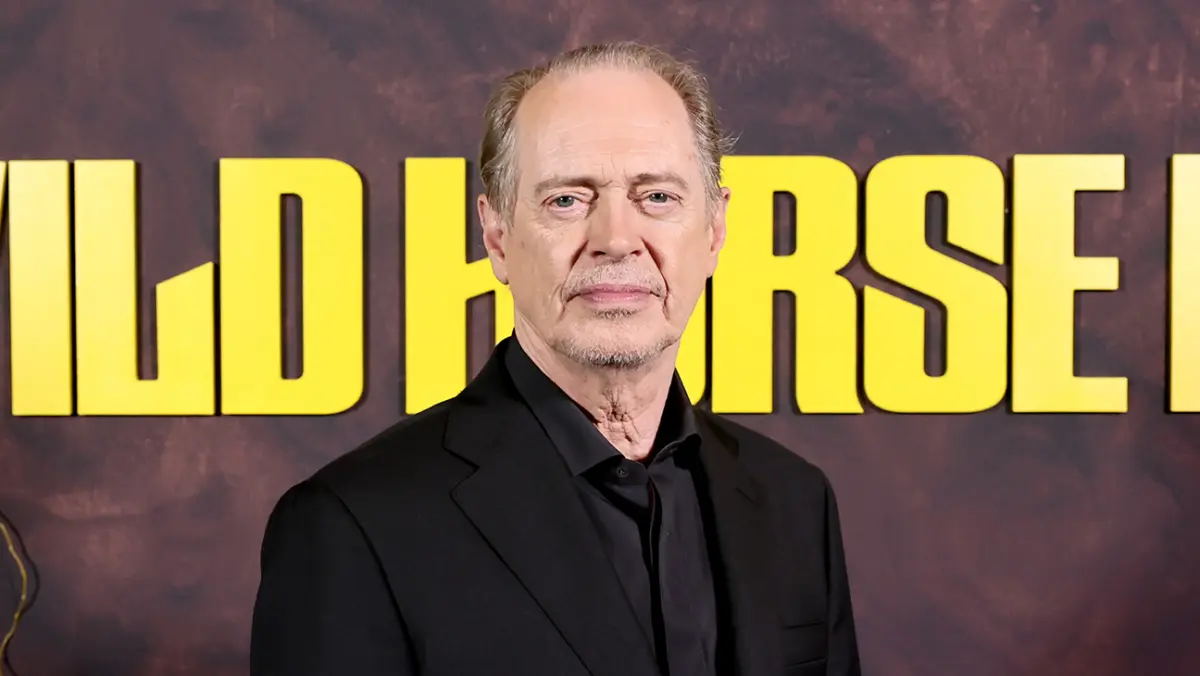
If there is one thing Hollywood veteran Steve Buscemi has made abundantly clear, it is that his upcoming press tours for films such as Wild Horse Nine and Klara and the Sun will not involve the consumption of increasingly spicy chicken wings. In a candid exchange during a recent episode of the Happy Sad Confused podcast, hosted by Josh Horowitz, the actor addressed the cultural phenomenon of First We Feast’s hit YouTube series, Hot Ones, with a firm, albeit humorous, refusal. While the show has become a staple of modern celebrity marketing, serving as a rite of passage for A-listers promoting blockbuster films and television projects, Buscemi remains an outlier who has no interest in participating in the culinary gauntlet.
The actor’s rejection of the show is rooted in a fundamental philosophical disagreement with the premise of the program. "I’m confused why people like spicy food, why they like their mouths hot," Buscemi remarked during the podcast. His commentary highlights a growing divide between the entertainment industry’s embrace of "stunt journalism" and the personal boundaries of performers who prefer to steer clear of manufactured physical distress. Buscemi went on to note that he had been made aware of the show’s intensity through his peers, specifically citing actors Sam Rockwell and Parker Posey. "Sam Rockwell told me that he and Parker Posey did Hot Ones — that’s something I would never do. I don’t care how much you paid me, how much they said, ‘But it would really support the film,’ no. It not only makes me confused, it makes me angry," Buscemi added with a laugh. "You’ll never get me, Hot Ones!"
The Rise of Hot Ones in Modern Celebrity Culture
Since its debut in 2015, Hot Ones has transformed the traditional celebrity interview format. Created by Sean Evans and Christopher Schonberger, the series effectively bridged the gap between niche internet subcultures and mainstream Hollywood publicity. The format is deceptively simple: Evans interviews a guest while both parties consume ten wings, each coated in a hot sauce that increases in Scoville heat units as the interview progresses.
What began as a low-budget web experiment quickly evolved into a powerful promotional tool. The show’s unique ability to lower a celebrity’s guard—often literally making them sweat, stutter, or struggle to maintain their composure—has made it one of the most sought-after platforms for stars looking to humanize their public image. By stripping away the sterile environment of the typical late-night talk show or press junket, Hot Ones provides a level of candid, unscripted engagement that studio publicists have found to be highly effective in driving social media buzz and box office interest.
A Chronology of the Viral Talk Show Phenomenon
The trajectory of Hot Ones from a YouTube curiosity to a cultural institution is marked by several key milestones. In its infancy, the show featured mostly niche internet personalities and professional chefs. However, as the production value increased and the interview questions grew more incisive, high-profile guests began to view the show as a "must-do" stop.
The year 2017 saw a significant shift in the show’s reach, as appearances by major stars like Kevin Hart and Charlize Theron signaled to the industry that the series was a legitimate destination for A-list talent. By 2019, the show was regularly pulling in millions of views per episode, with guest appearances ranging from Grammy-winning musicians like Billie Eilish to legendary comedic minds like Conan O’Brien.
The COVID-19 pandemic, which began in early 2020, paradoxically served as a catalyst for the show’s further growth. While traditional film sets and press tours were shuttered, Hot Ones adapted its production model to continue operating, providing a sense of normalcy and entertainment for a locked-down audience. During this period, the show cemented its status as the premier digital interview platform, with segments frequently being clipped, reshared, and turned into viral memes on platforms like TikTok and X (formerly Twitter).
Quantifying the Impact of the "Hot Ones Effect"
The impact of an appearance on Hot Ones is measurable in terms of audience reach and digital engagement. A typical episode of the show often generates millions of views within its first 48 hours. For film studios, this represents a cost-effective way to reach a highly engaged, younger demographic that may not consume traditional cable television.
Data from media analytics firms suggest that celebrities who participate in "high-intensity" promotional activities—such as game shows or viral challenges—often see a measurable uptick in social media sentiment. However, the physical toll on the guests remains a talking point. High-profile participants have frequently described the experience as a harrowing ordeal. Jennifer Lawrence, during her 2023 appearance, famously remarked, "I feel like I’m gonna die," capturing the visceral, often painful reality that differentiates the show from standard press junkets.
Despite the pain, the marketing ROI (Return on Investment) is substantial. Guests like Paul Rudd, who has appeared on the show twice, have utilized the platform to build a narrative of relatability and endurance. Sean Evans, the show’s host, has often defended the format, noting that the physical discomfort serves a narrative purpose. "I always say if you’re new to the show, check out the Conan O’Brien episode or the Gordon Ramsay episode," Evans said during a recent discussion with journalist Matt Belloni. "Jennifer Lawrence is another one or Maya Rudolph. Paul Rudd is a classic. Charlize Theron. I always say to start with those. If you like those episodes, you’ll probably like the show. If you don’t like those episodes, stop there. There’s nothing for you."
The Industry Shift Toward Unconventional Publicity
Buscemi’s refusal to participate in the Hot Ones challenge is representative of a broader conversation within the industry regarding the evolution of publicity. As the shelf life of a film’s marketing campaign has compressed, there is immense pressure on actors to engage in "stunt" publicity. This includes everything from appearing on podcasts and YouTube channels to participating in complex social media challenges.
For actors of Buscemi’s stature—who have built multi-decade careers on the strength of their performances rather than their social media engagement—the prospect of enduring physical discomfort for the sake of a promotional algorithm can seem incongruous. Buscemi’s comments on the Happy Sad Confused podcast serve as a reminder that even in an era of hyper-accessible, high-intensity marketing, talent still holds the power to define their own boundaries.
The implications for the industry are clear: while platforms like Hot Ones will continue to dominate the promotional landscape, they are not universally accepted. The "Hot Ones Effect" is predicated on the willingness of a guest to be vulnerable in a way that is inherently uncomfortable. When an actor like Buscemi rejects this, it does not necessarily hinder the film’s success, but it does highlight a divergence in how different generations of actors approach the intersection of celebrity and spectacle.
Conclusion: The Boundary Between Performance and Publicity
The refusal of Steve Buscemi to join the ranks of those who have faced "The Last Dab" is a refreshing reminder of the autonomy of the performer. While Hot Ones continues to be a gold standard for digital engagement, it remains a specific type of challenge that does not align with every star’s personality or professional values.
As the landscape of celebrity promotion continues to evolve, the industry will likely see a push-and-pull between the demand for viral content and the desire for more traditional, controlled modes of publicity. For now, fans of Steve Buscemi can look forward to his upcoming projects on their own terms, free from the spectacle of hot sauce-induced interviews. The actor’s firm stance serves as a definitive "no" to the trend, proving that even in a world obsessed with viral moments, some celebrities are content to let their work speak for itself without the need for a wing-fueled trial by fire.