The landscape of Sunday evening television on September 20, 2026, presents a robust slate of programming characterized by high-stakes dramatic narratives, nuanced character studies, and the conclusion of significant seasonal story arcs. As broadcast networks and streaming platforms consolidate their fall schedules, viewers are met with a diverse array of content ranging from the introspective comedy of midlife transitions to the geopolitical complexities of international espionage. This report details the key premieres and season finales dominating the weekend lineup, examining the production context and thematic depth of each major entry.
Youth: A Study in Midlife Transition
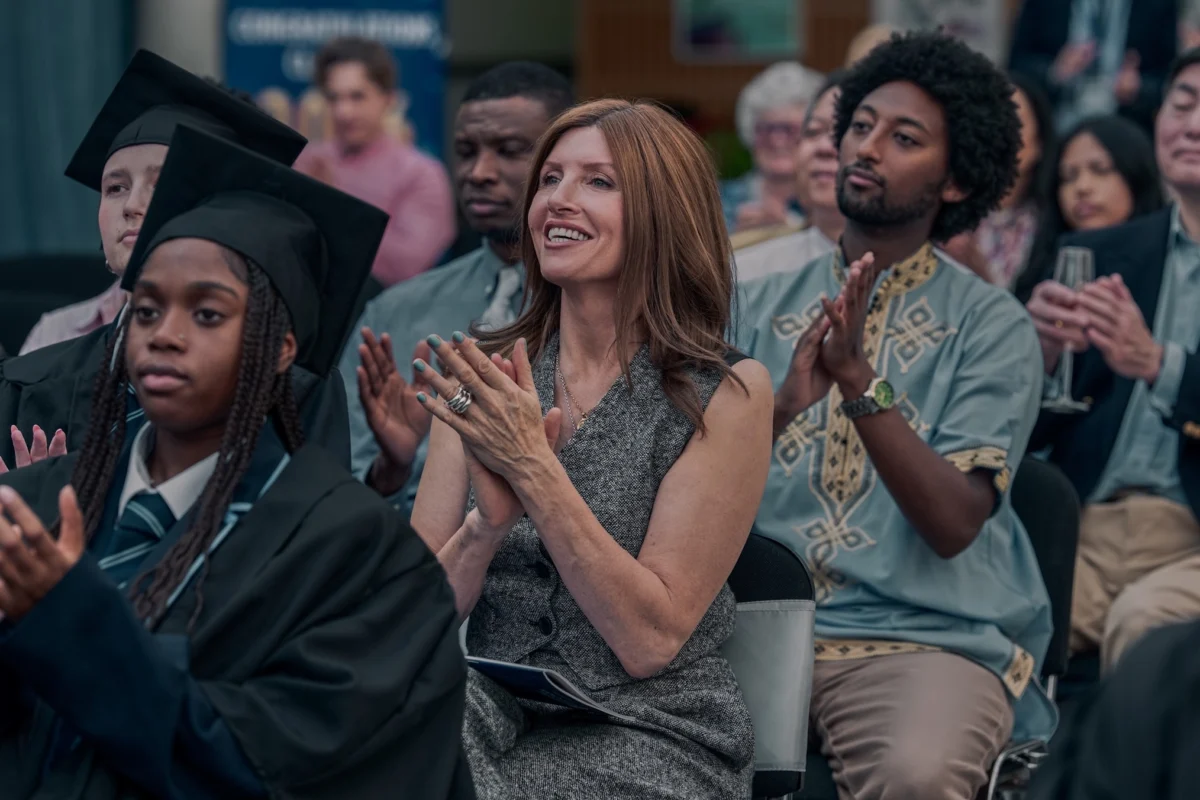
HBO’s latest comedy offering, Youth, marks a return to the thematic territory of midlife recalibration, a subject frequently explored by creator and star Sharon Horgan. Following the critical success of Catastrophe and Bad Sisters, Horgan’s new project centers on Alex, a divorced literary agent navigating the socio-economic and personal shifts inherent to the 50-to-60 age demographic.
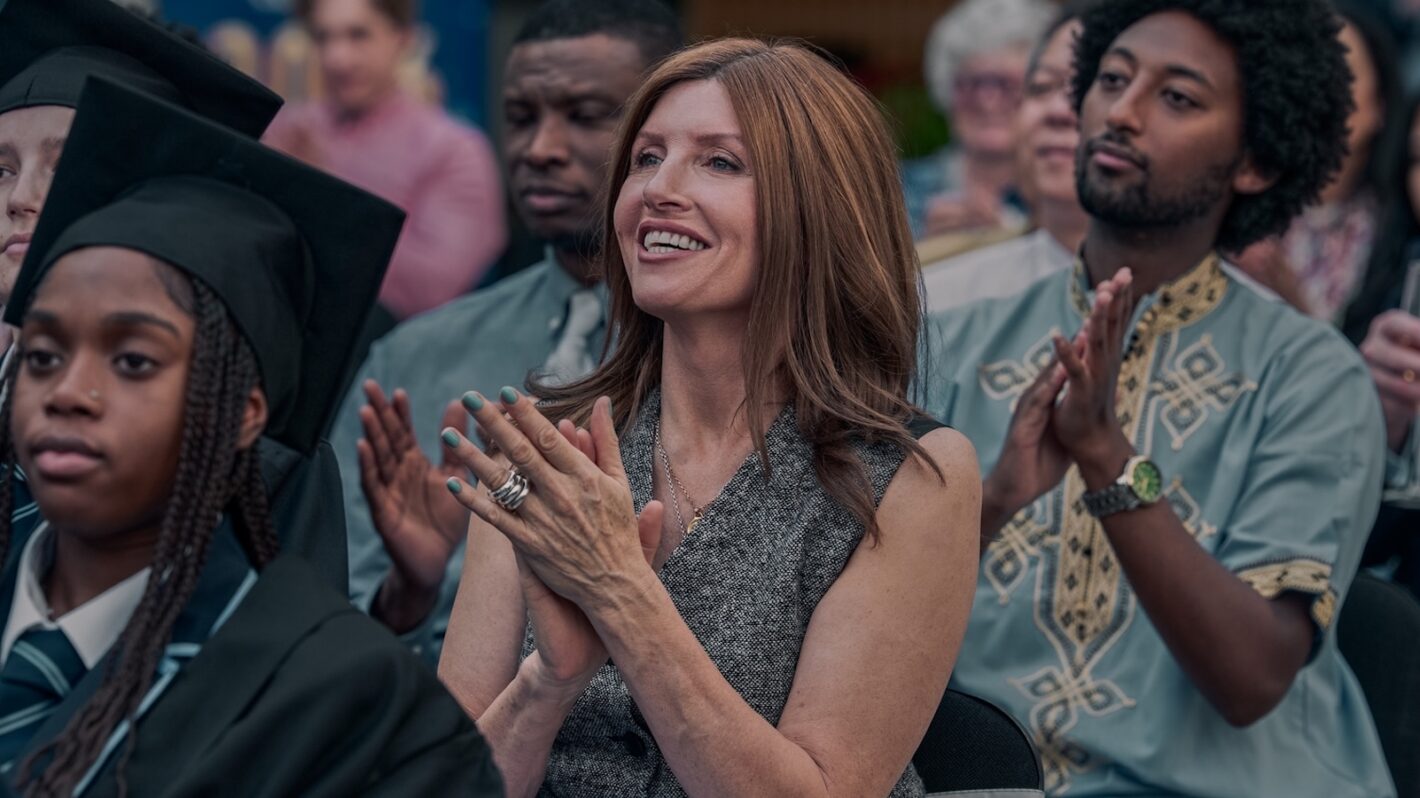
The narrative urgency of the series is established through the protagonist’s realization of the accelerated nature of this decade. From a production standpoint, the series leverages the "empty nest" trope, as Alex’s son departs for university, forcing her to confront her own evolving requirements regarding companionship and autonomy. The inclusion of Rupert Friend as Patrick, a prospective romantic interest, adds a layer of character-driven tension. Preliminary analysis suggests the series aims to address the societal pressures facing women in their fifth decade, contrasting the "ticking clock" of biological and career expectations against the backdrop of modern dating. By premiering with two episodes, HBO is positioning the show to capture immediate audience momentum.
American Hostage: The Intersection of Media and Crisis
The MGM+ docudrama American Hostage provides a historical lens on the 1977 Indianapolis hostage crisis, featuring Jon Hamm as radio anchor Fred Heckman. The series serves as a case study in the ethical dilemmas faced by journalists when they become conduits for criminal demands.
The timeline of the event centers on a high-pressure scenario in which a gunman, holding a mortgage banker hostage, specifically requests a live broadcast interview with Heckman, who at the time was widely regarded as the most trusted voice in Indianapolis media. The series, spanning eight parts, utilizes this specific historical framework to explore the friction between law enforcement, legal counsel, and the media.
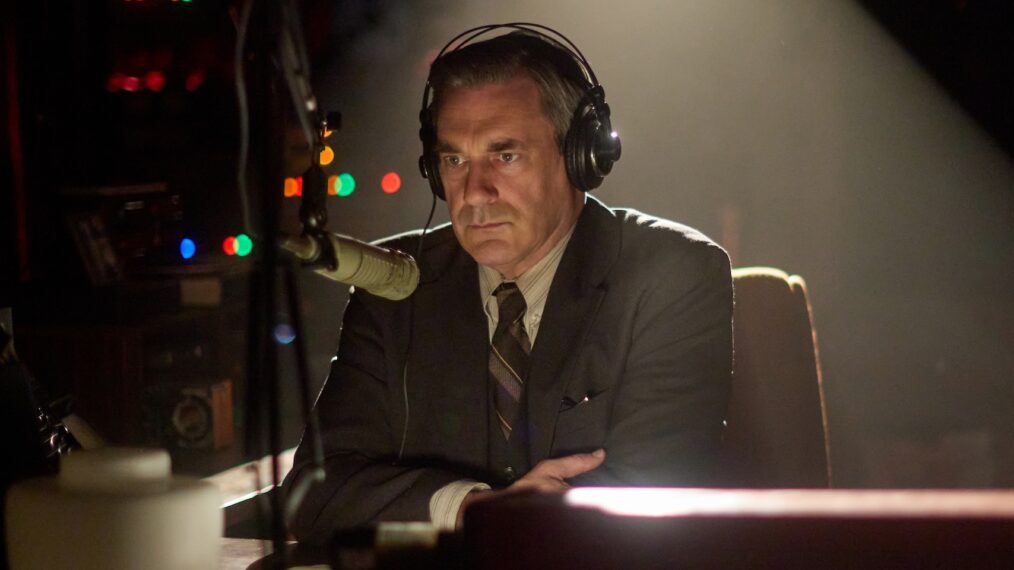
From an industry perspective, American Hostage follows a trend of "period-accurate" docudrama that prioritizes the reconstruction of atmospheric tension. The casting of Giovanni Ribisi and Kristoffer Polaha underscores a focus on high-stakes character dynamics. The broader implication of this series is its commentary on the evolution of news integrity; in an era before the 24-hour cycle became ubiquitous, the decision to broadcast a hostage-taker’s demands represented a significant deviation from standard journalistic protocol, raising questions about the responsibility of the press in public safety incidents.
Lioness: Geopolitical Consequences and the Season Finale
The third season finale of the Taylor Sheridan-produced espionage thriller Lioness represents a culmination of complex narrative threads involving clandestine operations and international diplomacy. Starring Zoe Saldaña as Joe and Nicole Kidman as Kaitlyn, the series has consistently navigated the intersection of personal sacrifice and state-sanctioned violence.
As the season concludes, the narrative shifts from the immediate rescue of the protagonist to an investigation into the conspiratorial architecture behind her abduction. The script emphasizes the disconnect between geopolitical strategy and human cost. A critical moment in the finale involves Secretary of State Mullins, played by Morgan Freeman, whose dialogue highlights the precarious nature of international alliances.
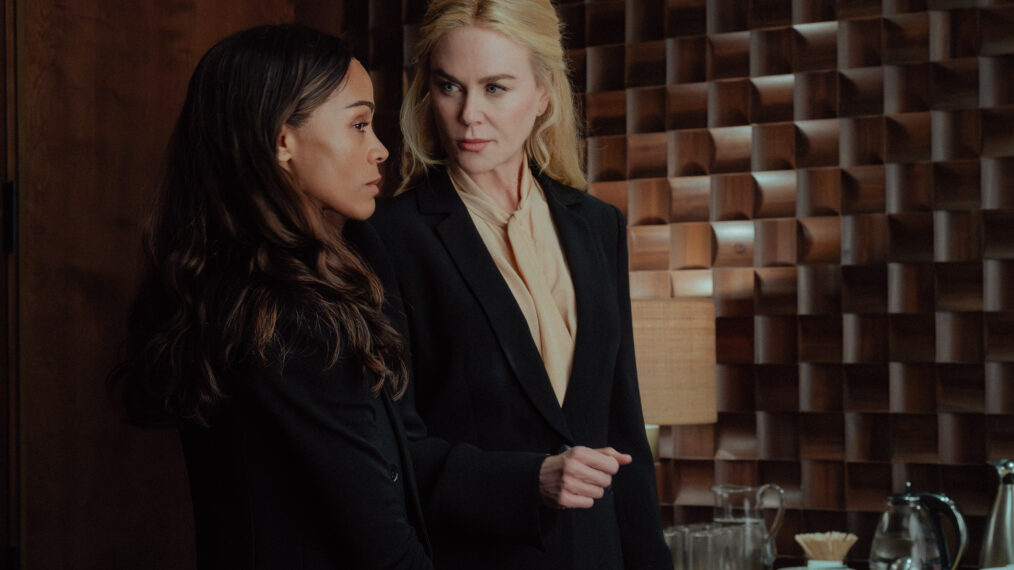
Data regarding the show’s performance on Paramount+ suggests that its audience base responds strongly to the high-stakes, "minefield" nature of the writing. By focusing on the systemic failures that leave operatives vulnerable, the finale provides a somber reflection on the life of an intelligence asset. The thematic focus on "the whole world hating you, even your friends" reflects the cynical outlook characteristic of the espionage genre, providing a definitive, if bleak, resolution to the seasonal arc.
Lanterns: Expanding the DC Cinematic Universe
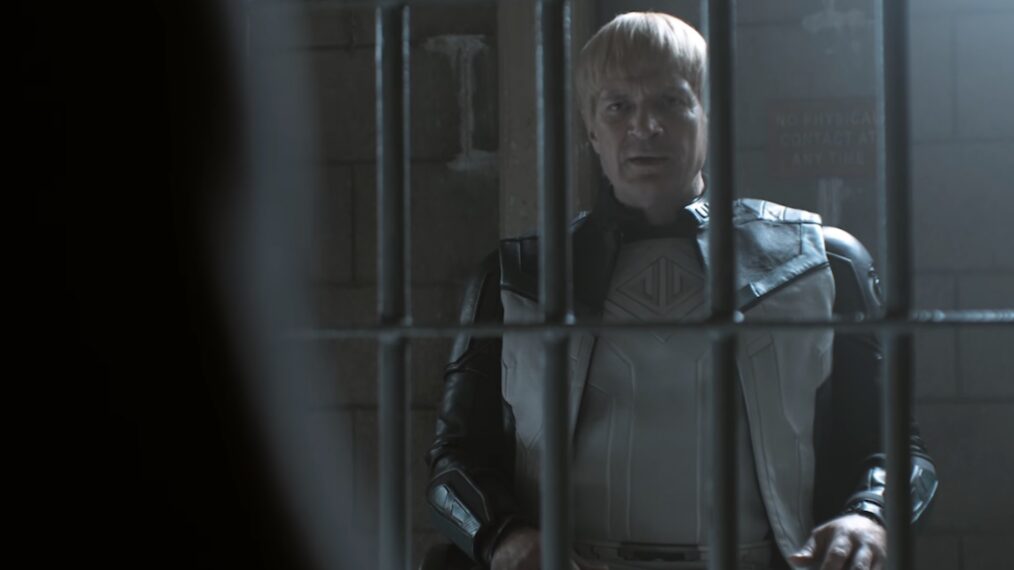
The superhero drama Lanterns continues to expand its reach within the DC television architecture, specifically by utilizing a time-jump narrative device to address the death of Hal Jordan, portrayed by Kyle Chandler. This narrative choice serves to pivot the focus toward John Stewart, played by Aaron Pierre, and his investigative partnership with sheriff Kerry Kane, played by Kelly Macdonald.
The introduction of Nathan Fillion as Guy Gardner adds a layer of inter-character conflict, emphasizing the "optics" of the situation—a meta-commentary on the perception of heroism in a public relations-conscious world. The inclusion of the Rushville setting, combined with the mystery surrounding the first Lantern’s death, suggests a departure from traditional action-heavy superhero narratives toward a more grounded, mystery-procedural format. The series is currently being monitored for its ability to maintain continuity with the broader 2025 Superman film universe, an essential requirement for its success in the current competitive market.
Trespasses: The Historical Context of the Troubles
Rounding out the Sunday schedule is the four-part drama Trespasses, based on the novel by Louise Kennedy. Set in 1975 Northern Ireland during the height of the Troubles, the series explores the intersection of political instability and intimate betrayal.
The casting of Lola Petticrew, following her breakout performance in the 2024 series Say Nothing, positions this production as a significant historical drama. The story follows Cushla, a schoolteacher, and her illicit relationship with Michael, a married Protestant lawyer who faces ostracization from both sides of the sectarian divide.
The inclusion of Gillian Anderson as a disillusioned, alcohol-reliant mother provides an anchor for the emotional toll of the period. Historically, the mid-1970s represented a period of extreme social stratification in Northern Ireland, and the series aims to capture this through the lens of a personal, albeit dangerous, romance. By focusing on the "trespasses" committed by individuals against the backdrop of systemic violence, the production offers a nuanced look at the human cost of religious and political bigotry.

Industry Implications and Future Outlook
The Sunday, September 20, 2026, broadcast slate demonstrates several critical shifts in contemporary television production:
- Genre Diversification: Networks are increasingly moving away from monolithic programming to offer a mix of historical docudrama, gritty espionage, and character-led comedy. This approach mitigates risk by appealing to varied demographic segments.
- Streaming and Broadcast Integration: With shows like Lanterns and Youth utilizing both traditional network infrastructure and streaming release schedules, the industry is normalizing a hybrid consumption model.
- Thematic Maturity: The common thread across these productions is a focus on the cost of life choices—whether it is the midlife crisis of Alex in Youth, the journalistic ethics of Fred Heckman in American Hostage, or the political cynicism in Lioness. This indicates a trend toward more mature, morally ambiguous storytelling that prioritizes psychological depth over simplistic narrative tropes.
As these series unfold, the industry will be watching to see how audience retention holds up in an increasingly fragmented viewing environment. The success of these projects will likely inform the development strategies for the 2027 calendar year, particularly regarding the viability of period-specific dramas versus contemporary character studies. With significant star power attached to each of these productions—including Academy Award-winning talent such as Morgan Freeman and Nicole Kidman—the financial investment remains substantial, underscoring the networks’ commitment to maintaining high-quality prestige television as a primary driver of viewer engagement.