The Marvel Cinematic Universe is currently navigating the most ambitious narrative architecture in its history. As the Multiverse Saga reaches its zenith, the strategic roadmap for Phase Six promises to redefine the boundaries of the superhero genre, integrating long-awaited legacy characters with high-stakes cosmic threats. This era, which serves as a thematic bridge between the localized conflicts of the early MCU and the structural collapse of reality itself, is anchored by a slate of films that explore trauma, cosmic expansion, and the shifting dynamics of power.
A Chronology of the Multiverse Saga
The current phase represents a significant shift from the grounded storytelling of Phase Four and the exploratory nature of Phase Five. The timeline of upcoming releases serves to escalate the stakes, moving from the 1960s-inspired retro-futurism of the Fantastic Four to the cataclysmic potential of the impending Secret Wars.
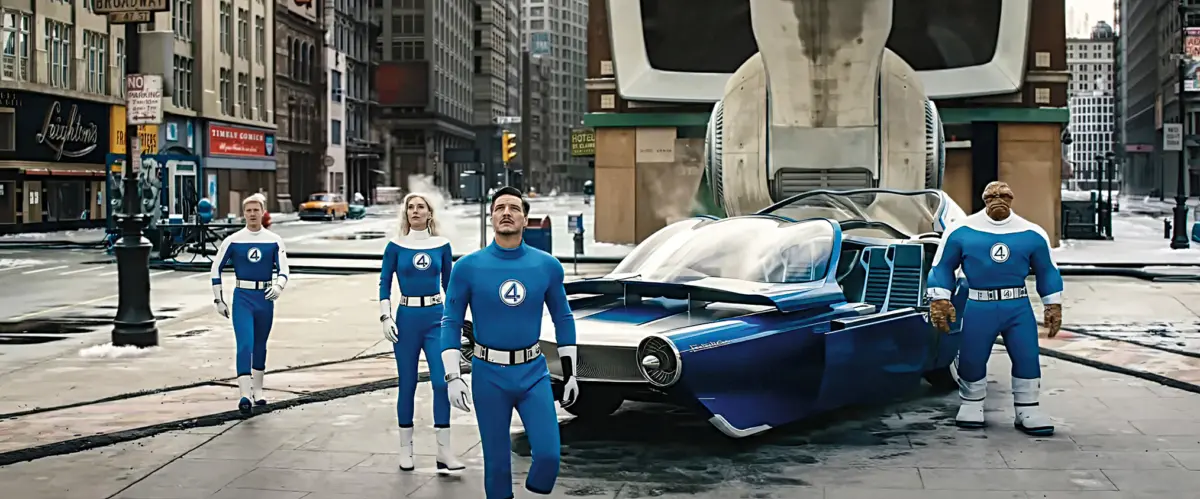
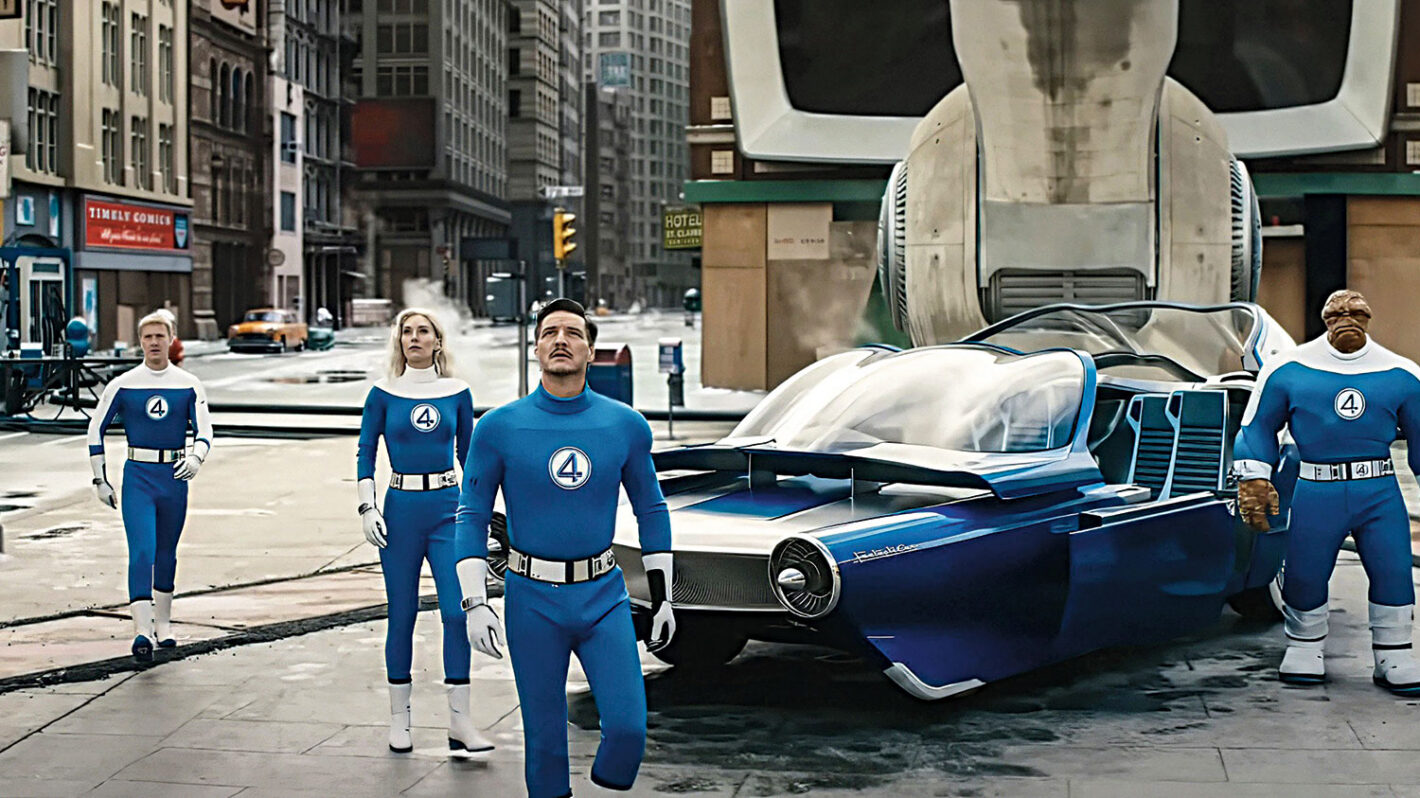
- 2025: The Fantastic Four: First Steps – This entry reintroduces the foundational pillars of Marvel Comics into the MCU within a distinct, stylized 1960s-era alternate reality.
- 2026: Spider-Man: Brand New Day – A pivotal character study focusing on the psychological toll of anonymity and isolation.
- 2026: Avengers: Doomsday – The narrative pivot point where the consequences of temporal manipulation manifest in the form of a major antagonist.
- 2027: Avengers: Secret Wars – The anticipated conclusion to the current saga, expected to reset or fundamentally alter the MCU landscape.
- 2028: Ghost Rider and X-Men – The beginning of a post-Multiverse era, signaling a broader integration of supernatural and mutant entities.
The Fantastic Four: First Steps and the Cosmic Threat
In The Fantastic Four: First Steps, audiences are introduced to a version of the team that has already established itself as a household name in a vibrant, futuristic 1960s setting. The narrative core revolves around the internal and external pressures facing Reed Richards (Pedro Pascal), Sue Storm (Vanessa Kirby), Johnny Storm (Joseph Quinn), and Ben Grimm (Ebon Moss-Bachrach).
The arrival of Galactus, portrayed by Ralph Ineson, introduces a threat of existential proportions. Unlike traditional villains, Galactus acts as a force of nature, necessitating a scientific solution rather than a purely physical one. The film’s focus on the teleportation of Earth serves as a critical plot device that underscores the desperation of the era. Furthermore, the introduction of Franklin Storm’s role in the survival of Sue Storm and the mid-credits reveal of Doctor Doom suggest that the Fantastic Four are not merely isolated heroes, but the primary catalysts for the events that will plague the Avengers in the coming years.
Spider-Man: Brand New Day and the Weight of Anonymity
Following the events of Spider-Man: No Way Home, the narrative arc for Peter Parker has transitioned from a coming-of-age story to a stark exploration of alienation. Spider-Man: Brand New Day addresses the long-term psychological ramifications of the global memory wipe initiated by Doctor Strange.
The film explores the tension between Parker’s desire for normalcy and the unrelenting nature of his role as a vigilante. His collaboration with Frank Castle (The Punisher) serves as a thematic juxtaposition; whereas Parker represents the struggle to maintain humanity, Castle represents the abandonment of it. The integration of the mutant Jean Grey (Sadie Sink) into the narrative provides a vital link to the burgeoning X-Men mythos, while the slow restoration of Ned Leeds’ memories suggests that the consequences of the multiversal spell are beginning to unravel.
The Avengers: The Confrontation with Doom
Avengers: Doomsday stands as the structural centerpiece of the current timeline. Following the multiversal instability introduced in previous chapters, this film marks the return of Robert Downey Jr. to the franchise, albeit in the role of the formidable Doctor Doom.
The narrative implication is clear: the heroes of the MCU are finally facing the bill for their misuse of time-travel technology in Avengers: Endgame. The inclusion of X-Men alongside the established Avengers indicates that the conflict will be fought on a scale previously unseen. Analysts suggest that this film will serve as a definitive litmus test for the cohesion of the MCU, forcing disparate teams to reconcile their differing philosophies to defeat a villain who possesses both superior intellect and an intimate understanding of the heroes’ past mistakes.
Strategic Shifts: The X-Men and the Supernatural
As the franchise moves toward 2028, the inclusion of the X-Men and Ghost Rider signifies a calculated expansion of the Marvel library. The announcement of the X-Men cast, featuring Christopher Abbott as Professor X and Adam Driver as the antagonist Mister Sinister, suggests that Marvel Studios is prioritizing high-caliber dramatic talent to ground these new, complex characters.
The selection of Ryan Gosling for the role of Johnny Blaze in the Ghost Rider film, directed by Shawn Levy, represents a move toward darker, more visceral storytelling. By diversifying the genre palette—ranging from the high-concept sci-fi of the Fantastic Four to the horror-leaning elements of Ghost Rider—Marvel appears to be aiming for a broader demographic capture while maintaining a unified, albeit sprawling, narrative thread.
The Broader Impact and Industry Implications
The current trajectory of the MCU suggests a transition from a centralized hero-driven model to one that relies on the "event film" strategy. Data from recent industry reports indicates that while audiences appreciate the interconnected nature of the MCU, there is a growing demand for distinct, tonal shifts between projects. The divergence between the retro-aesthetic of the Fantastic Four and the gritty, street-level realism of the upcoming Spider-Man and Punisher collaboration highlights Marvel’s effort to address this feedback.
Furthermore, the involvement of Kevin Feige in the development of the post-2027 slate suggests that Avengers: Secret Wars will act as a "soft reboot" mechanism. By closing the Multiverse Saga, the studio has the opportunity to curate a more streamlined timeline, potentially folding the mutant population into the primary continuity more effectively than the fragmented introductions seen in recent years.
Economic and Cultural Context
The production of these films occurs against a backdrop of evolving theatrical exhibition models. With the Avengers: Doomsday special issue and related multimedia campaigns, Marvel continues to utilize a cross-platform marketing approach to ensure high engagement. The commitment to these long-term projects—some announced years in advance—indicates a level of institutional stability that few other franchises possess.
The integration of characters like Doctor Doom and the X-Men is not merely a fan-service initiative; it is a structural necessity to maintain momentum. As the original core of the Avengers has largely moved on or shifted roles, the narrative weight must be redistributed to new, equally compelling figures. The success of this transition will depend on whether the studio can balance the dense lore of the comic books with the accessibility required for a global audience.
In conclusion, the current phase of the Marvel Cinematic Universe is defined by its scale and its willingness to confront the consequences of its own history. From the birth of the Fantastic Four to the eventual emergence of the X-Men, the path is set for a series of high-stakes conflicts that will determine the future of the franchise. As these stories continue to unfold, the focus remains on the intersection of individual human drama and the vast, unpredictable forces of the multiverse.