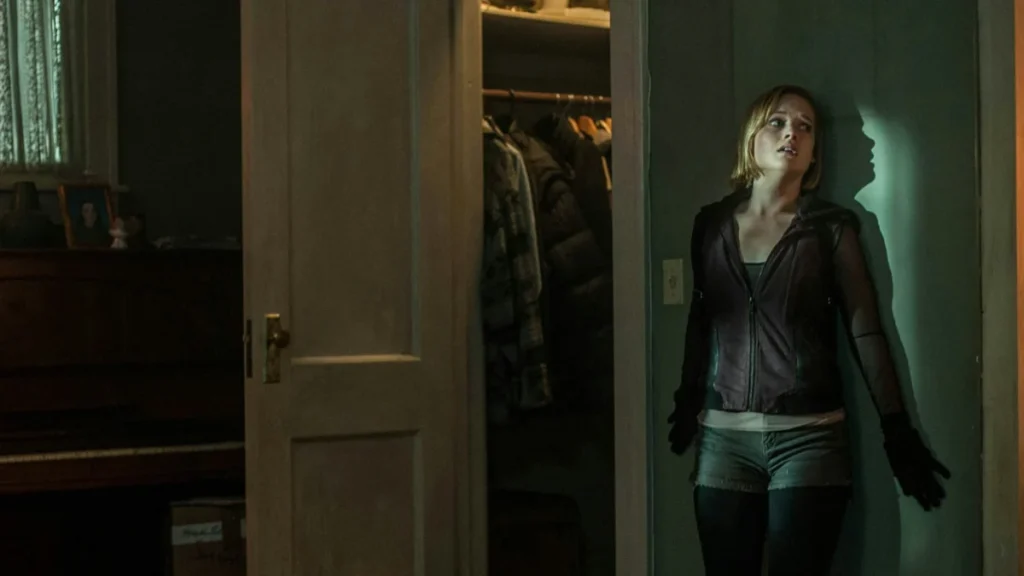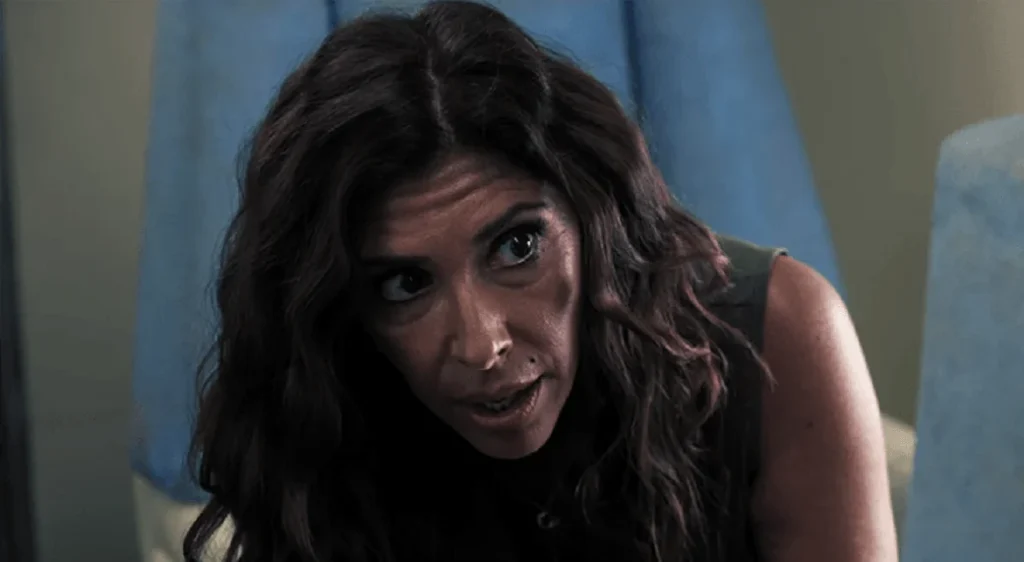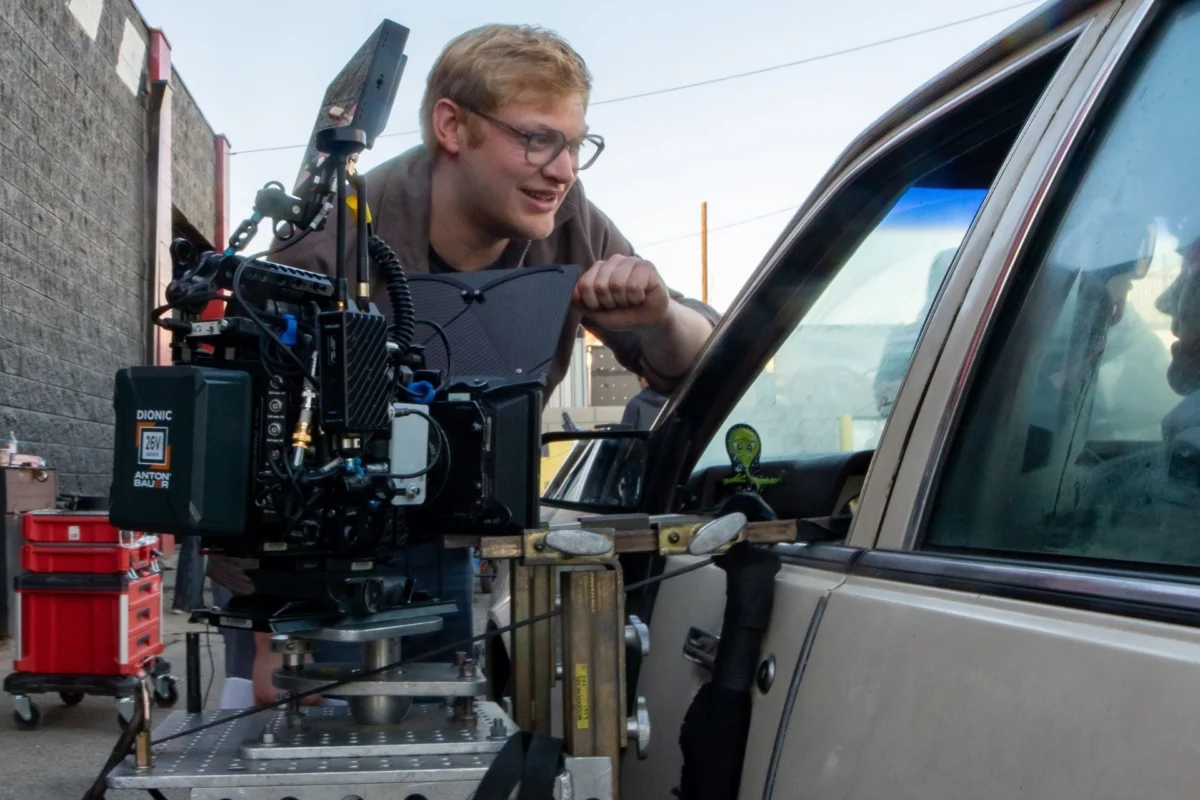
The recent cinematic landscape has been dramatically reshaped by the simultaneous emergence of two distinct yet remarkably successful horror films: "Obsession" and "Backrooms." These releases are not merely commercial triumphs; they represent a significant inflection point in how horror is conceived, produced, and consumed, challenging long-held industry assumptions and signaling a new era driven by emerging talent and evolving audience tastes. The unprecedented box office performance of both films, coupled with their divergent yet resonant thematic appeals, suggests a fundamental reevaluation is underway within Hollywood regarding the genre’s potential and its creators.
A Phenomenal Box Office Upset
The performance of "Obsession" and "Backrooms" has defied conventional box office wisdom. "Obsession," a film that has demonstrated remarkable staying power, has seen its box office totals climb for three consecutive weeks, a rare feat in today’s front-loaded market. This sustained audience engagement suggests a word-of-mouth phenomenon and a deep connection with the film’s narrative. Its continued success, even in the face of a major new horror release, underscores its robust appeal.
Meanwhile, "Backrooms" has exploded onto the scene with astonishing results. Initial projections for its opening weekend hovered around the $20 million mark, with some analysts cautiously revising this to $40-45 million. However, the film shattered all expectations, grossing an estimated $81.46 million domestically in its debut. This figure places "Backrooms" among the most successful horror opening weekends in recent memory, rivaling or even surpassing the debuts of established franchises. The fact that this massive opening did not cannibalize "Obsession’s" audience, allowing both films to thrive concurrently, is particularly noteworthy and points to a broadening of the horror audience rather than a simple market share grab.
The Rise of Digital-Native Storytellers
A key factor underpinning this seismic shift is the emergence of filmmakers with backgrounds rooted in online content creation. While the article acknowledges that filmmakers transitioning from online platforms to feature films is not entirely new – citing examples like James Wan’s discovery of David F. Sandberg for "Lights Out" and Michael Chaves’s trajectory into "The Conjuring" universe – the current wave suggests a more systematic and impactful trend. This phenomenon is not solely about YouTube; it’s about a generation of creators who have spent years meticulously honing their craft in public.
These individuals have bypassed traditional film school structures, opting instead for a hands-on, iterative approach to filmmaking. Through the creation of countless short films, online series, and experimental content, they have gained practical experience in writing, shooting, editing, lighting, and acting. This sustained practice, often in public view and with immediate audience feedback, has cultivated a unique set of skills and an intuitive understanding of what resonates with contemporary viewers. "Obsession" and "Backrooms" are direct beneficiaries of this evolving creative ecosystem, showcasing a level of innovation and audience connection that challenges established Hollywood paradigms.
"Obsession": A Masterclass in Relatable Horror
"Obsession" has been lauded as a five-star film, a testament to its multifaceted appeal. Its ability to seamlessly blend humor, terror, emotional depth, and sheer entertainment value has captivated audiences across demographics. The film’s narrative structure, characterized by its consistent ability to subvert expectations and deliver impactful character-driven moments, has been compared to the masterful storytelling of classic "Twilight Zone" episodes. Each scene is meticulously crafted, contributing to a cohesive and deeply affecting viewing experience.
The film’s thematic core – exploring the universal anxieties surrounding dating, rejection, insecurity, and the inherent vulnerability in seeking human connection – has resonated profoundly. This relatability transcends generational divides. Older audiences may recognize echoes of the relationship-driven comedies of the 1980s, while those of a similar age to the reviewer might see parallels with films like "Superbad." Crucially, younger audiences connect with the film because, as the article suggests, while technology, apps, and dating cultures evolve, the fundamental human fears and anxieties associated with romance remain constant.

The impact of "Obsession" on the perception of dating has been likened to that of "Jaws" on swimming – it takes an ordinary aspect of life and imbues it with a new, unsettling perspective. This ability to transform the mundane into something that sparks fear and introspection is a hallmark of truly impactful horror.
"Backrooms": The Embodiment of Liminal Horror
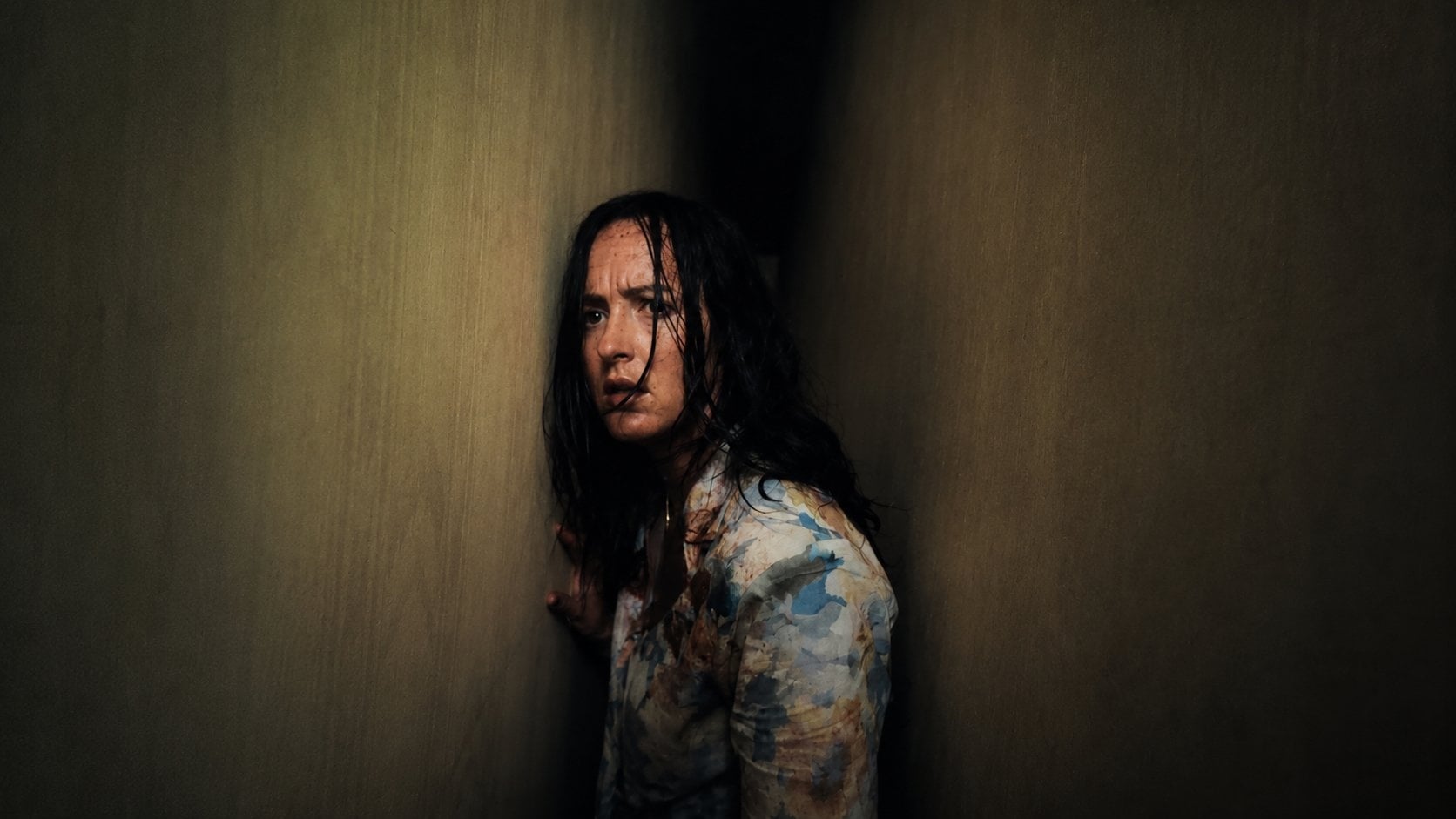
"Backrooms," on the other hand, taps into a different, yet equally potent, vein of contemporary horror: liminal horror. While the concept of liminal spaces and the unease they evoke is not new – with films like "The Shining" and more recent works like "Skinamarink" and "Exit 8" bringing the term into broader discourse – "Backrooms" has masterfully translated this internet-born mythology into a visceral cinematic experience.
Liminal horror, as described, is less about overt monsters and jump scares and more about the psychological tension derived from atmosphere, lighting, architecture, sound, and the pervasive feeling that something is fundamentally amiss, even in the absence of immediate threat. "Backrooms" excels in creating this disorienting and unsettling environment. The film functions less as a plot-driven narrative and more as an immersive experience, a palpable energy that draws the audience in and compels them to "soak it in."
While some may critique its pacing or suggest it could have been more concise, such arguments often miss the film’s deliberate intent. Its effectiveness lies in its ability to evoke the feeling of being trapped within an endless, unnatural space, fostering disorientation and a lingering sense of discomfort. This experiential approach, prioritizing atmosphere and emotional resonance over conventional narrative beats, marks a significant departure and, for many viewers, a highly effective form of horror.

A Generational Conversation
The success of both "Obsession" and "Backrooms" underscores a crucial generational dialogue occurring within the horror genre. "Backrooms" speaks directly to Generation Z, leveraging internet lore and a visual language that feels native to their digital upbringing. It represents a horror that is born from and speaks to online culture, a phenomenon that has been building for years.
"Obsession," while appealing across age groups due to its universal themes, also benefits from this broader shift. Its success suggests that while the mediums of connection may change, the fears associated with it remain deeply human and ripe for cinematic exploration. The film’s ability to resonate with diverse audiences highlights a fundamental truth: human nature, and its attendant anxieties, provide fertile ground for compelling storytelling, regardless of the era.
Implications for the Industry
The dual success of these films carries significant implications for the film industry, particularly for Hollywood studios. The prevailing sentiment that horror needs to "prove itself" is being actively dismantled by these releases. Instead, they demonstrate that the genre, when approached with innovation and an understanding of contemporary audiences, is not only commercially viable but can be a powerful engine for cultural relevance.
The rise of digital-native filmmakers, armed with practical skills honed through years of public practice, presents a new talent pool that studios can no longer afford to overlook. This generation is not content with rehashing old tropes; they are bringing their own influences, fears, and storytelling sensibilities to the forefront. This influx of fresh perspectives promises to keep the genre dynamic and evolving.

Furthermore, the willingness of audiences to embrace films that prioritize atmosphere, unique conceptual frameworks, and emotional resonance, as seen in "Backrooms" and "Obsession" respectively, suggests a growing appetite for risk-taking in filmmaking. This is not solely confined to independent cinema; there is a clear demand for studios to invest in projects that challenge viewers and offer something beyond the familiar.
A Moment of Celebration and Evolution
The current moment in horror cinema is being characterized as a "moment," a period of significant change and validation for the genre. It is a time for horror fans to engage with these films, whether through active enjoyment, critical debate, or passionate discussion. This engagement is not merely about consumption; it’s about participating in the evolution of a genre that is setting trends rather than chasing them.
Horror has never truly been absent; it has consistently adapted and mutated, finding new ways to connect with different audiences. The current surge, exemplified by the extraordinary achievements of "Obsession" and "Backrooms," is a clear indication of this ongoing evolution. It is a testament to the genre’s enduring power to reflect societal anxieties, explore the human psyche, and deliver unforgettable cinematic experiences.
The success of these films signifies a broader shift in the cultural conversation, placing horror at the center rather than on the periphery. It is a moment where horror is not seeking validation but is instead dictating the pace, demonstrating its capacity for innovation and commercial appeal in equal measure. As the industry looks to the future, the lessons learned from these two groundbreaking releases will undoubtedly shape the next generation of horror filmmaking and redefine what audiences expect from the genre. The fact that these films, so different in their approach yet so successful, have arrived simultaneously, highlights a dynamic and fertile period for horror, proving that its capacity for reinvention remains its greatest strength.